India’s electric-car market is moving beyond the early-adopter phase. Electric vehicles are increasingly being considered by families looking for lower running costs, quieter driving and a cleaner alternative to conventional petrol and diesel cars.
The next phase of the market could be even more important. Automakers are preparing new electric models across hatchbacks, compact SUVs, premium SUVs and other segments, giving buyers more choices at different price points.
More Electric SUVs Are Coming
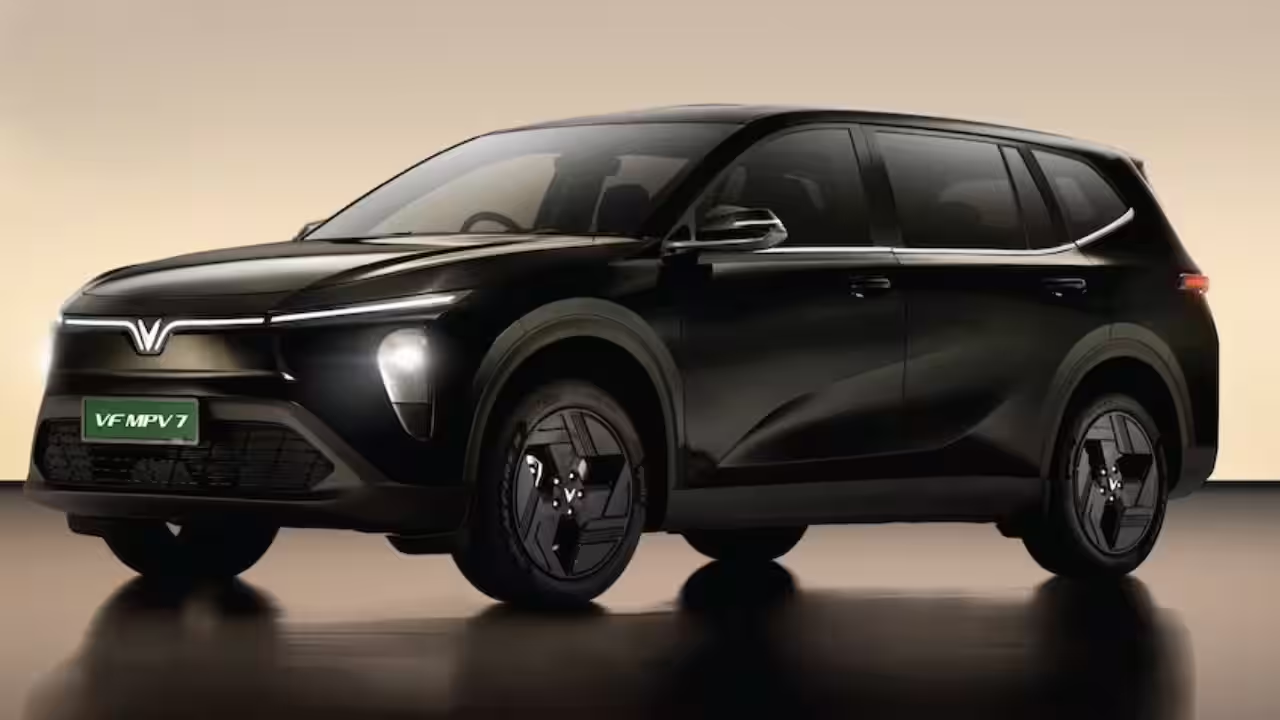
SUVs have become one of the strongest parts of India’s passenger-vehicle market, and EV manufacturers are following the same trend.
Electric SUVs offer manufacturers the opportunity to combine a larger battery with a practical family-friendly body style. For buyers, this means more cabin space, a higher seating position and potentially greater highway usability.
Models from Tata Motors, Mahindra, Hyundai, Kia, Maruti Suzuki and other manufacturers are expected to increase competition in this space as India's EV market develops.
Affordable EVs Could Be the Biggest Change
One of the biggest questions for India's EV market is how quickly electric cars can become accessible to mainstream buyers.
Premium EVs already offer long ranges and advanced technology, but the next major step could be more affordable electric cars with smaller batteries and lower ownership costs.
What Could Drive the Next EV Wave?
|
Area
|
What Buyers Could See
|
|
Electric SUVs
|
More choices across price segments
|
|
Battery technology
|
Better energy efficiency and range
|
|
Charging
|
Faster charging and wider infrastructure
|
|
Affordable EVs
|
More mainstream electric models
|
|
Features
|
Connected technology and advanced displays
|
Battery and Charging Will Remain Important
For many buyers, the biggest EV questions remain the same: How far can it travel and where can it be charged?
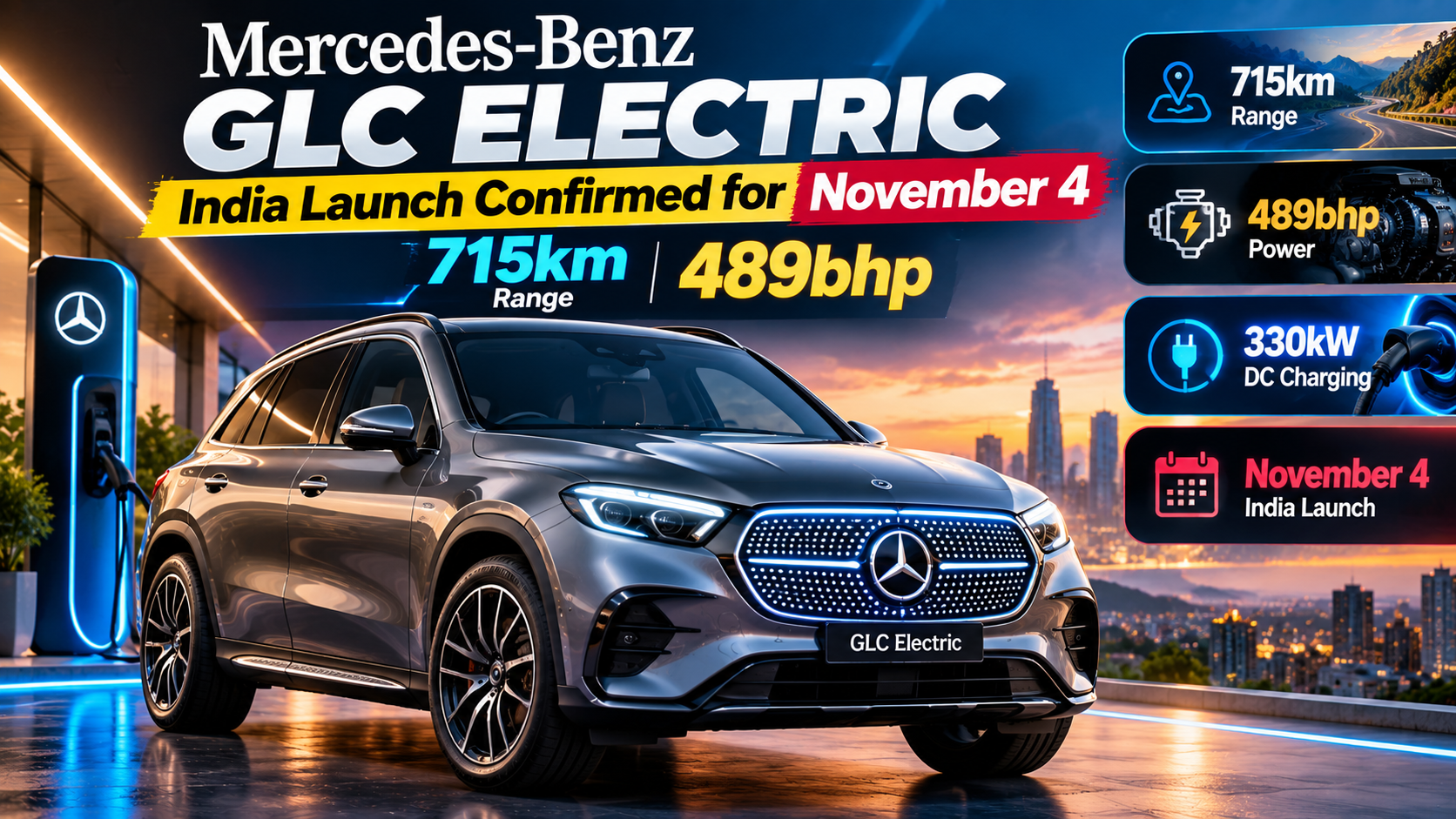
Automakers are working on improving battery efficiency while charging companies and energy providers continue to expand charging networks.
Faster charging could become particularly important for people who regularly travel between cities. At the same time, home charging remains a major advantage for owners who have access to a suitable parking space.
The future EV buyer may therefore look beyond the headline range figure and consider charging speed, battery warranty, charging-network availability and real-world efficiency.
New EVs Could Change the Buying Decision
The arrival of more electric models could also change how consumers compare cars.
Instead of simply comparing an EV with a petrol equivalent, buyers may start comparing the total ownership cost. Electricity cost, maintenance, financing, insurance, battery warranty and expected usage can all influence the final decision.
For city users who travel predictable distances every day, an EV can offer a particularly different ownership experience. Buyers who frequently undertake long-distance journeys, meanwhile, may place greater importance on charging infrastructure and highway range.
What About the Indian EV Market?
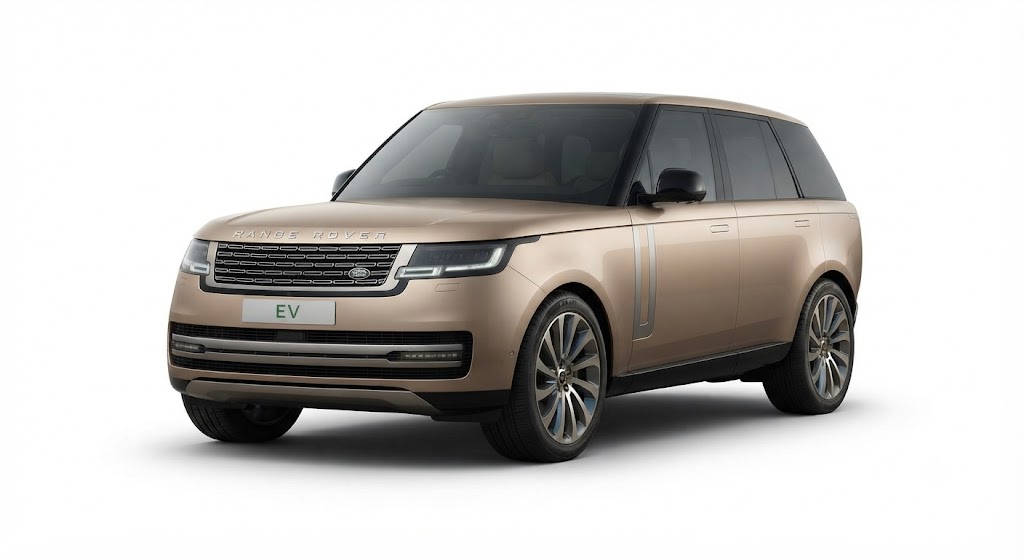
India's EV growth will not depend on one manufacturer or one vehicle. A wider selection of products is likely to be important.
Compact electric cars could help bring EVs to more urban households, while electric SUVs could attract family buyers. Premium models will continue pushing technology forward, including larger batteries, faster charging and advanced driver-assistance features.
The competition could also encourage manufacturers to improve software, cabin technology and after-sales support.
What Buyers Should Watch Next
The next generation of electric cars should be judged on more than claimed range. Buyers should look at:
- Real-world driving range
- Battery warranty
- Charging time
- DC fast-charging capability
- Home-charging requirements
- Boot and cabin space
- Service network
- Maintenance costs
- Resale expectations
- Total cost of ownership

 Khyati Sharma 2026-09-26








.avif)