Suzuki is developing a new range-extender hybrid system for compact cars that will combine electric driving with an engine-powered generator and external charging capability. Called ‘REEV Light’, the technology is aimed at delivering electric driving for everyday trips without requiring a large, heavy battery.
The announcement forms part of Suzuki Motor Corporation’s latest technology strategy, as the Japanese automaker continues to explore multiple electrification solutions for different markets and vehicle segments. Suzuki officially outlined its plans for series-hybrid technology and the further development of a lightweight range-extender system on September 25, 2026.
What Is Suzuki’s REEV Light Technology?
The proposed REEV Light system is based on a series-hybrid layout. Unlike a conventional hybrid where the petrol engine can directly drive the wheels, the vehicle's electric motor is responsible for driving the wheels while the internal-combustion engine generates electricity when required.
Suzuki plans to take this technology a step further by adding an external charging port and a right-sized battery. This would allow owners to charge the vehicle from an external power source for shorter trips, while the engine could generate electricity when additional range is needed.
The approach is designed to avoid the need for an oversized battery. Suzuki says the system will provide electric driving capability while retaining the convenience of an engine-generated power supply for longer journeys.
Electric Drive With Petrol-Powered Backup
The biggest difference between REEV Light and a conventional petrol-electric hybrid will be how the wheels are powered.
Under the proposed arrangement:
- The electric motor drives the wheels.
- The petrol engine acts as a generator.
- The battery stores electrical energy.
- The battery can be charged externally.
- The engine can generate electricity when the battery needs additional energy.
- A relatively compact battery can be used instead of a large EV-style battery.
This could create a middle ground between a conventional hybrid and a fully electric vehicle, particularly for compact cars where keeping weight and costs under control is important.
Why Suzuki Wants a Smaller Battery
Battery size is a major factor in the cost and weight of electrified vehicles. Suzuki's strategy is focused on using what it describes as the amount of battery capacity that customers actually need instead of carrying an unnecessarily large battery.
With REEV Light, everyday trips could potentially be completed using electricity stored through external charging. For longer journeys, the engine would provide electricity to extend the vehicle's operating range.
This could make the technology particularly relevant to smaller vehicles, where adding a large battery can have a bigger impact on vehicle weight, packaging and affordability.
Suzuki Also Developing a Series Hybrid
Suzuki is working on two closely related concepts for compact vehicles. The first is a series hybrid, which generates electricity from fuel and uses an electric motor to drive the vehicle. The second step is REEV Light, which adds external charging capability and a suitably sized battery to the basic series-hybrid architecture.
The company intends to develop the technologies using shared platforms and common basic designs, potentially helping control development and manufacturing costs.
Could Maruti Suzuki Cars Get This Technology?
The development is particularly relevant for India because Suzuki's compact-car portfolio is closely linked to Maruti Suzuki.
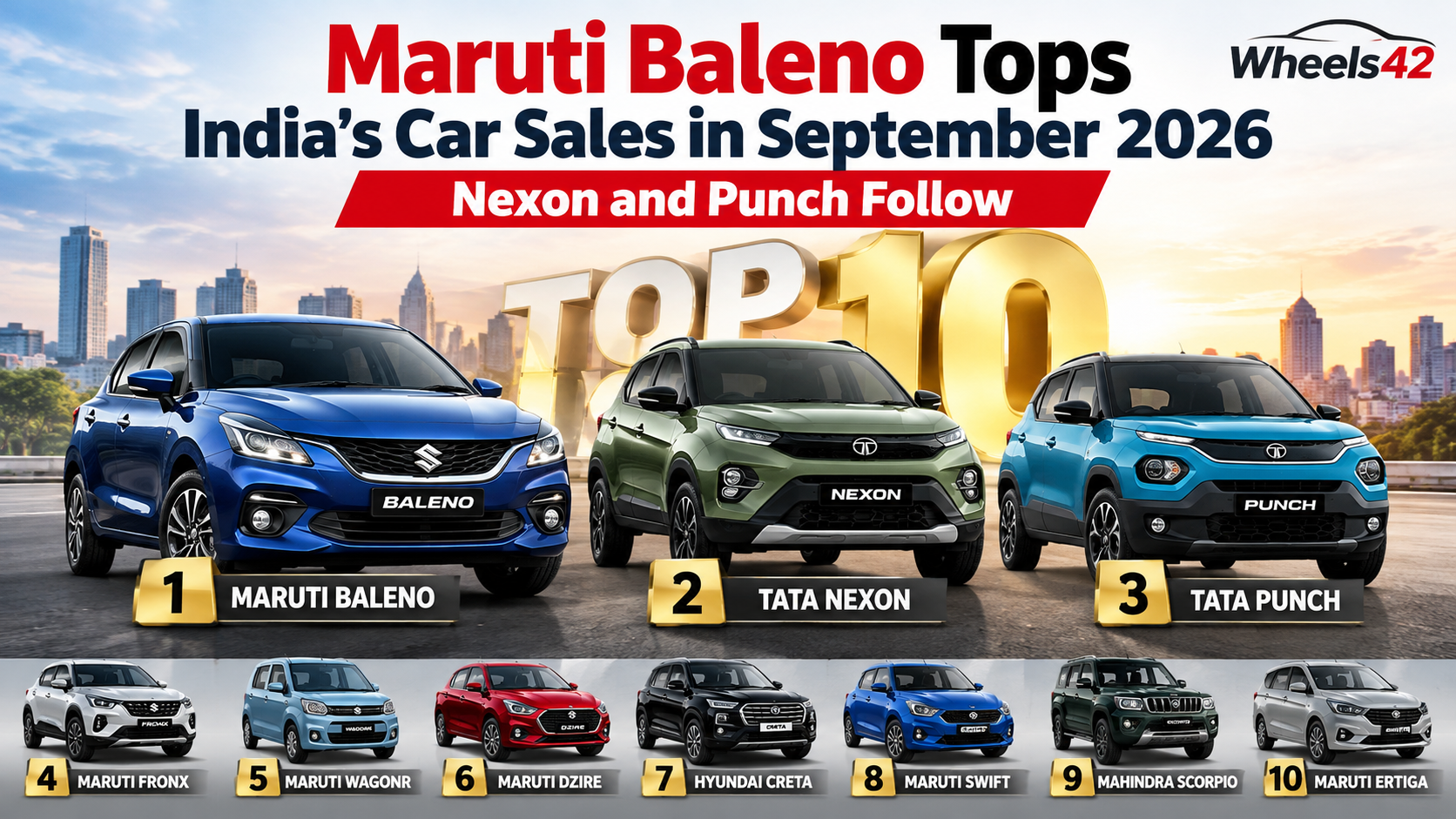
Earlier reports had identified models such as the Fronx and Baleno as potential candidates for Suzuki's in-house series-hybrid technology. However, Suzuki has not confirmed that either model will receive the new REEV Light system, nor has it announced an India launch timeline for the technology.
This means the technology should currently be viewed as a development programme rather than a confirmed upcoming Maruti Suzuki product.
Focus on Lower Emissions
Suzuki is also targeting lower CO₂ emissions through its compact-car hybrid technology. The company estimates that its series-hybrid system could reduce CO₂ emissions by around 29% compared with its 2022 reference, equivalent to approximately 300kg of CO₂ over 10,000km under its stated comparison.
Suzuki has not yet announced equivalent CO₂ figures, battery capacity or electric-only range specifically for the REEV Light system.
How REEV Light Could Work in Daily Use
The concept is relatively straightforward from a driver's perspective.
For regular urban commuting, the owner could charge the battery at home or another charging location and use electric power for trips that fall within the battery's usable range.
On longer journeys, the petrol engine could generate electricity, reducing the need to stop frequently for charging or carry a very large battery.
This gives the technology characteristics of both an EV and a hybrid while using a smaller battery than a typical battery-electric vehicle.
Suzuki REEV Light: What We Know
|
Feature
|
Details
|
|
Technology
|
Range-Extender Electric Vehicle
|
|
Suzuki Name
|
REEV Light
|
|
Vehicle Type
|
Compact cars
|
|
Wheel Drive
|
Electric motor
|
|
Engine Role
|
Electricity generator
|
|
External Charging
|
Yes, planned
|
|
Battery
|
Right-sized/compact battery
|
|
Large EV Battery
|
Not required
|
|
Electric Driving
|
Planned for shorter trips
|
|
Long-Distance Operation
|
Engine-generated electricity
|
|
India Launch
|
Not confirmed
|
A New Electrification Route for Maruti Suzuki
The development of REEV Light could give Maruti Suzuki another technology option as India's passenger-vehicle market gradually moves towards greater electrification.
Maruti Suzuki already offers petrol and CNG powertrains in India and is expanding its electrification strategy, while Suzuki globally is pursuing multiple technologies including series hybrids, new hybrid systems and battery-electric vehicles.
The range-extender approach could be particularly useful for compact cars because it attempts to balance electric driving capability with battery size, vehicle weight and cost.

 Khyati Sharma 2026-09-26