India and the United States are nearing completion of an interim trade agreement that will significantly alter how high-end American automobiles are taxed in India — but electric vehicles (EVs) remain outside the concessions.
Duty Cuts on Luxury Cars
Under the proposed framework, import duties on premium internal-combustion engine (ICE) cars from the U.S. will be reduced to 30 per cent, down from the current high tariffs that can reach up to 110 per cent. This reduction is targeted at vehicles with engine capacities above 3,000 cc and will be implemented gradually over a 10-year period.
The move is expected to make large, luxury petrol and diesel cars — such as those manufactured by major U.S. automakers — more affordable in the Indian market, enhancing their competitiveness and potentially increasing market access for premium American brands.
Latest Mercedes-Benz Cars in India with Price
Electric Vehicles Excluded
Despite the overall tariff reductions for petrol and diesel luxury cars, electric vehicles are explicitly excluded from the tariff concessions in this deal. This means EV manufacturers, including major U.S. players like Tesla, will not benefit from the reduced import duties and will continue to face high tariff rates that keep prices elevated in India.
India’s decision to exclude EVs appears to be a deliberate policy choice aimed at protecting its nascent domestic EV sector and encouraging local manufacturing and investment before exposing it to further foreign competition.
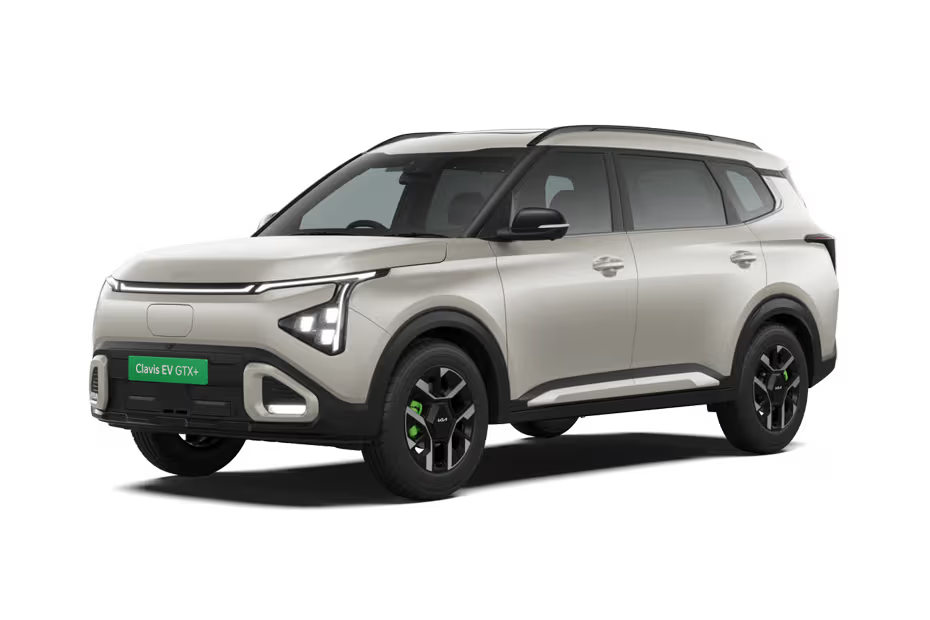
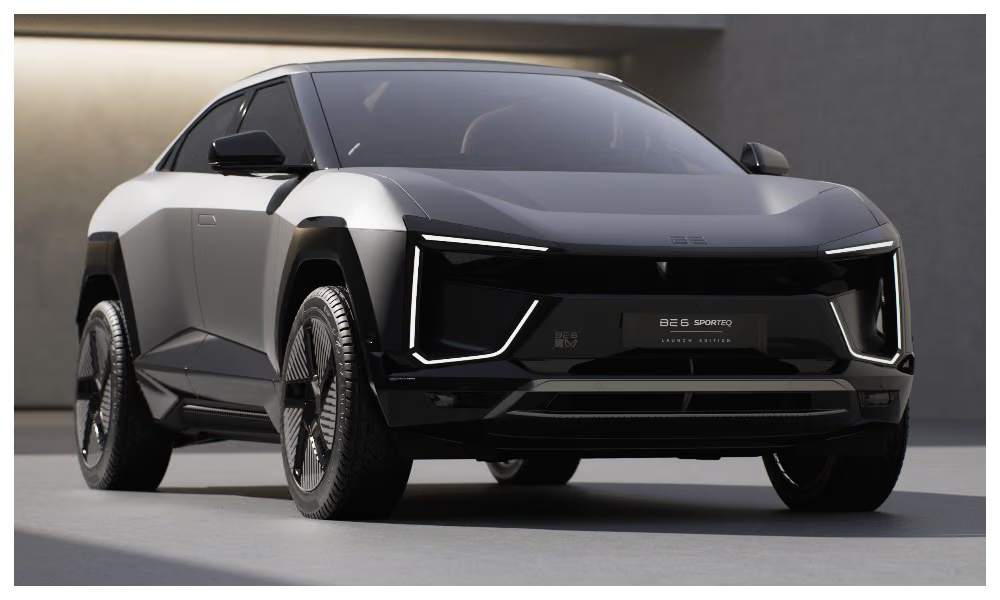
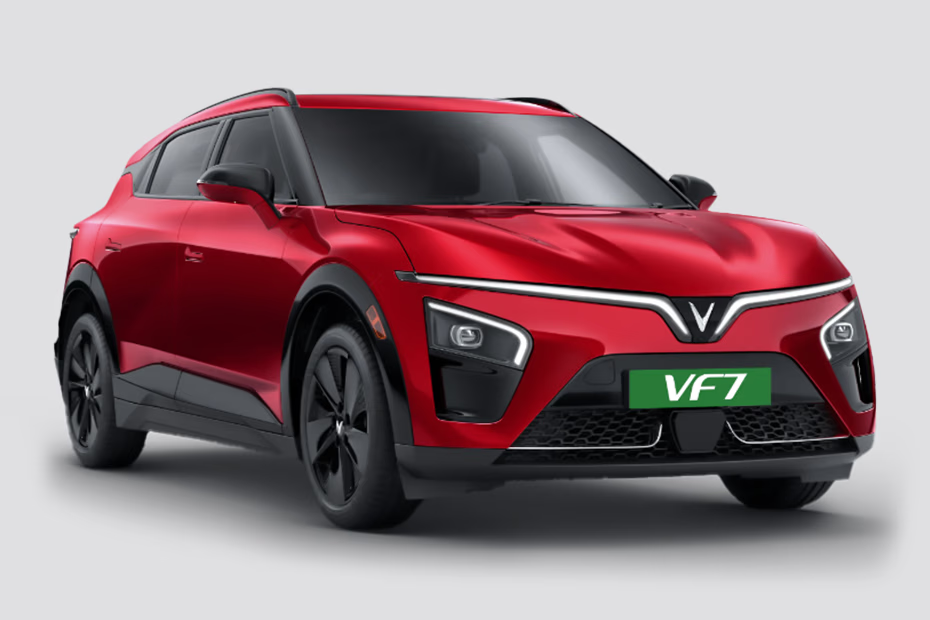
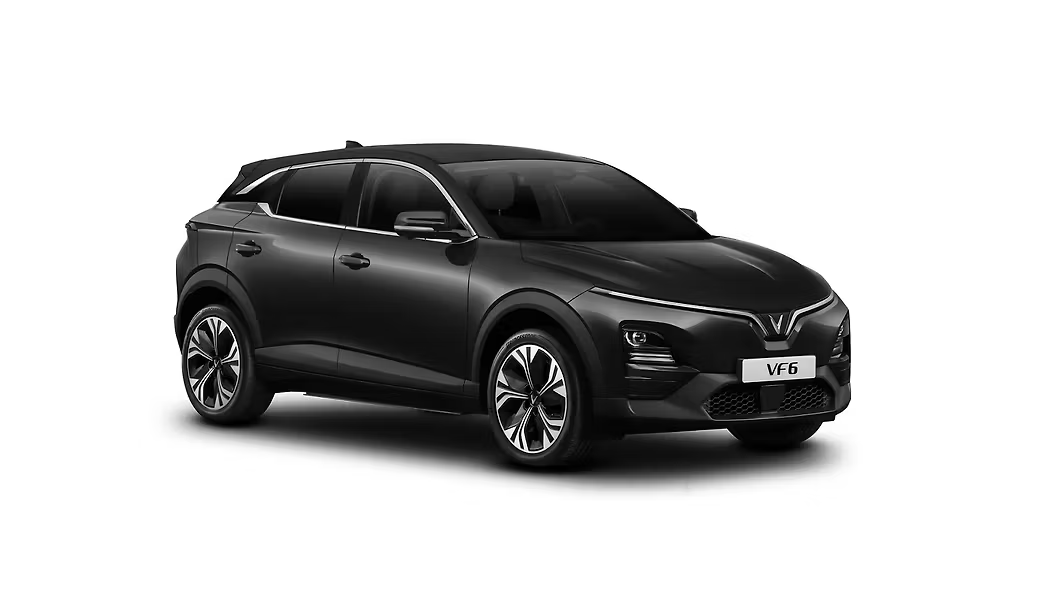
Electric Vehicles in India with Price
Zero Duty for US-Made Motorcycles
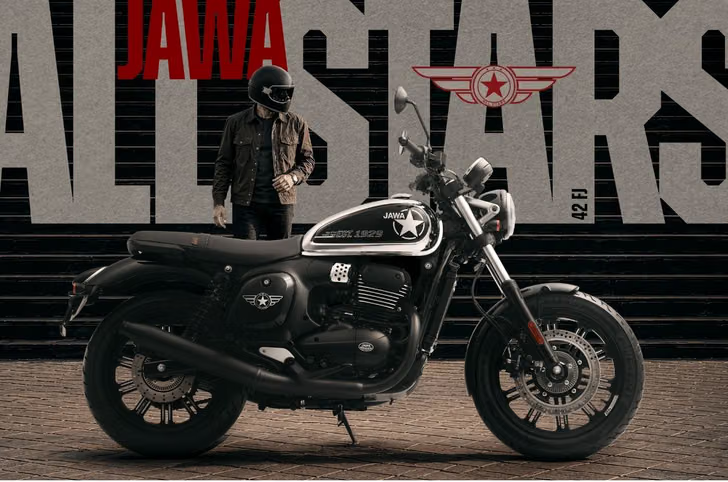
In addition to the duty cuts on luxury cars, the agreement includes zero import duty for U.S.-made motorcycles. This concession is expected to particularly benefit brands like Harley-Davidson, which have previously faced steep tariffs in India.
However, it’s important to note that although the duty exemption applies to U.S.-made bikes, some popular models currently sold in India are sourced from other countries — meaning potential cost benefits will depend on future sourcing decisions by manufacturers.

Context and Impact
India’s automotive import policy has traditionally maintained high tariffs to protect domestic manufacturers, with duties ranging from 70 per cent to 110 per cent. The tariff reductions on premium vehicles represent a significant shift aimed at balancing trade interests with the United States while maintaining protection for broader segments of the Indian auto industry.
The interim agreement is expected to be formally signed in March 2026, after which the changes will be phased in. The immediate impact on vehicle prices and import volumes will depend on how quickly manufacturers adjust their strategies and pricing to reflect the new duty structure.
Latest Audi Cars in India with Price
What This Means for Consumers and Industry
- Luxury petrol and diesel cars from the U.S. could become more competitively priced over time as duties fall.
- EV buyers and manufacturers will see fewer immediate benefits, with high tariffs preserved — potentially slowing the pace of imported EV adoption.
- Premium motorcycles, especially Harleys, may see more attractive pricing if manufacturers choose to import directly from the U.S. source.
Overall, the deal reflects a strategic trade balance — opening some parts of the Indian auto market while safeguarding emerging domestic priorities like EVs.