Electric vehicle (EV) batteries are at the heart of the global transition to clean transportation. Samsung, through its research division Samsung SDI and affiliated institutes, has made a breakthrough by incorporating silver into advanced solid-state battery designs, significantly enhancing performance, efficiency, and durability. This innovation could reshape EV energy storage—improving range, charging speed, lifespan, and overall energy efficiency.

The Hidden Role of Silver in Samsung EV Batteries
What Makes Silver Special in EV Batteries?
Silver is widely known as a precious metal, but its value in EV battery technology goes far beyond investment and jewelry:
1. Exceptional Electrical Conductivity
Silver has the highest electrical conductivity of all metals, allowing electrons to move with minimal resistance. This translates to improved charge acceptance and discharge efficiency—key performance factors for EV batteries.
2. Enhanced Thermal Management
Thermal conductivity is crucial in preventing overheating. Silver efficiently spreads and dissipates heat during high-power charging and discharging cycles, reducing energy loss and increasing safety.
3. Increased Energy Density
By integrating silver into a novel silver-carbon (Ag-C) composite anode, Samsung’s prototype batteries achieve much greater energy density—up to 900 Wh/L in lab tests, significantly surpassing traditional lithium-ion cells.
Biggest Myths About Electric Cars
4. Structural Stability and Lifespan
The Ag-C layer stabilizes the anode structure, mitigating damage from lithium plating and reducing dendrite growth (needle-like formations that degrade performance). This leads to longer cycle life and extends battery lifespan, improving energy efficiency over time.
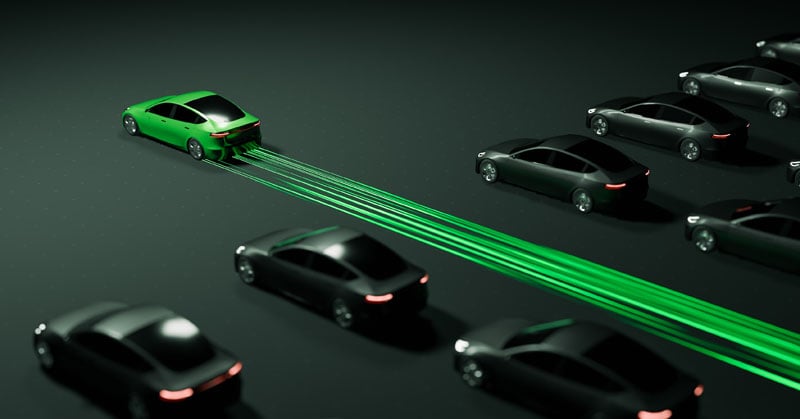
Samsung’s Silver-Enhanced Solid-State Battery: Key Performance Metrics
Here’s a snapshot of how silver technology boosts EV battery performance:
|
Performance Metric
|
Traditional Lithium-Ion
|
Samsung Silver Solid-State
|
|
Energy Density
|
~250-300 Wh/kg
|
~500 Wh/kg (est.)
|
|
Driving Range
|
~250-300 miles
|
~600-800 miles (est.)
|
|
Charging Speed
|
~30-60 min (80%)
|
~9 min (full) (est.)
|
|
Lifespan (Cycles)
|
~800-1,000 cycles
|
~1,000-1,500+ cycles
|
|
Safety
|
Liquid electrolyte risk
|
Solid electrolyte, less thermal runaway risk
|
How Long Do Electric Car Batteries Last
How Silver Improves Energy Efficiency: A Technical Overview
Faster Charge Transfer
Silver’s superior electrical conductivity allows electrons to flow more freely through the anode, which dramatically improves the speed of charging and reduces energy lost as heat. This efficiency benefit is most noticeable during rapid charge scenarios—a key expectation for future EVs.
Reduced Internal Resistance
Lower resistance within the battery translates directly into better energy retention and less wasted electrical energy. Silver’s conductive properties minimize resistive losses, ensuring more of the stored energy goes toward propelling the vehicle.
Enhanced Structural Integrity
The silver-carbon composite removes one of the common degraders of battery efficiency—dendrites. These formations sap capacity and slow down charge/discharge efficiency. By suppressing dendrites, silver maintains consistent performance across hundreds or thousands of cycles.
Why This Matters for EV Owners
1. Extended Driving Range
Higher energy density means more energy storage per kilogram of battery. As a result, EVs can travel significantly farther per full charge—a direct efficiency gain valued by drivers and fleet operators alike.
2. Faster Charging Times
Silver-enhanced batteries promise dramatically reduced charging times, potentially rivaling fossil-fuel refueling convenience. This efficiency could boost EV adoption by eliminating one of electric vehicles’ biggest perceived drawbacks.
3. Lower Total Cost of Ownership
Although silver adds to upfront materials cost, the longer lifespan and reduced replacement needs lead to lower lifetime costs, improving energy and cost efficiency over the EV’s lifetime.
4. Reinforced Safety
Solid-state designs are safer and more efficient than traditional liquid electrolyte cells, reducing risk of thermal runaway and contributing to long-term energy retention.
Economic and Supply Considerations
Although the technology promises multiple benefits, incorporating silver at scale does raise supply and cost issues:
- A typical 100 kWh EV battery pack could use around 1 kilogram of silver—a significant amount compared with conventional EV batteries.
- If widely adopted, this could create substantial demand pressure on the global silver market, potentially affecting prices and supply chains.
Silver’s integration into Samsung’s advanced solid-state EV batteries represents a major evolution in battery engineering. Its unique properties—especially unparalleled electrical and thermal conductivity—enhance energy efficiency, charge rates, lifespan, and safety. While commercial deployment timelines and exact specifications continue to evolve, early research and prototypes suggest the technology could reshape the EV landscape. For consumers, this means longer ranges, faster charging, and batteries that deliver more usable energy with less waste.

 Ishita Sharma 2026-05-06