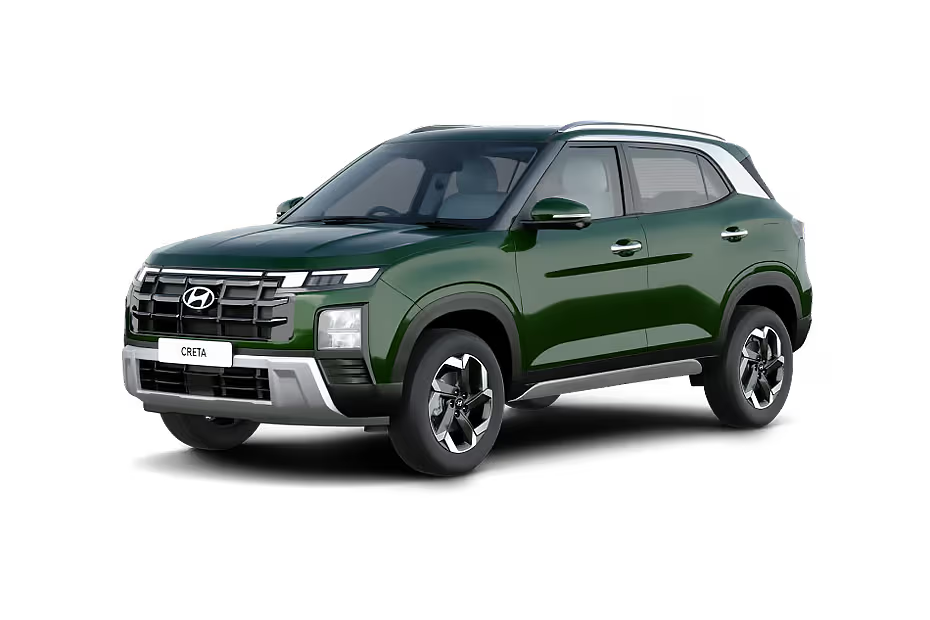
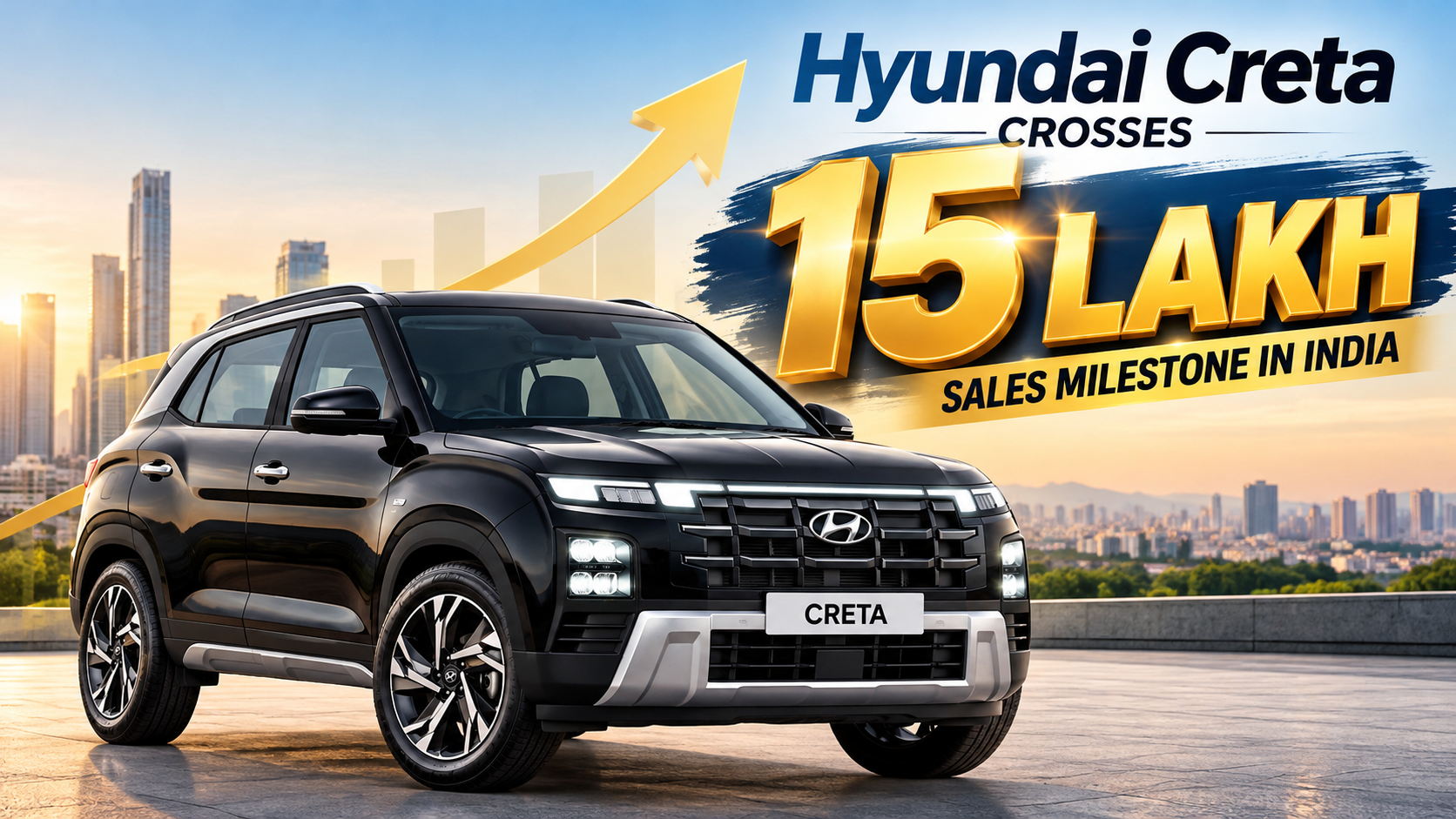
Hyundai Creta
10.91 Lakh*

2026-07-18

There isn't one "best" Hyundai. Honestly, that question doesn't have a single answer, no matter what a showroom brochure tells you. The right car depends on your budget, how many people you drive around, and what you actually do behind the wheel every day.
If you want one quick answer: match the car to your daily use, not to the shiniest badge on the lot. Families usually do well with the Creta or Alcazar. City commuters tend to prefer the Exter or the Grand i10 Nios, and if you want a hatchback that feels a notch more grown-up, the i20 fits that gap nicely. Want more premium touches? The Verna or Tucson make more sense. The rest of this guide walks you through exactly why.
Short on time? Start here. This table alone answers most of what people search for.
| If you want... | Buy | Why |
|---|---|---|
| Best city car | Grand i10 Nios | Compact, fuel-efficient, easy to park |
| Premium hatchback | i20 | Style and features without stepping up to an SUV or sedan |
| Affordable SUV | Exter | SUV looks in a small, easy-to-live-with size |
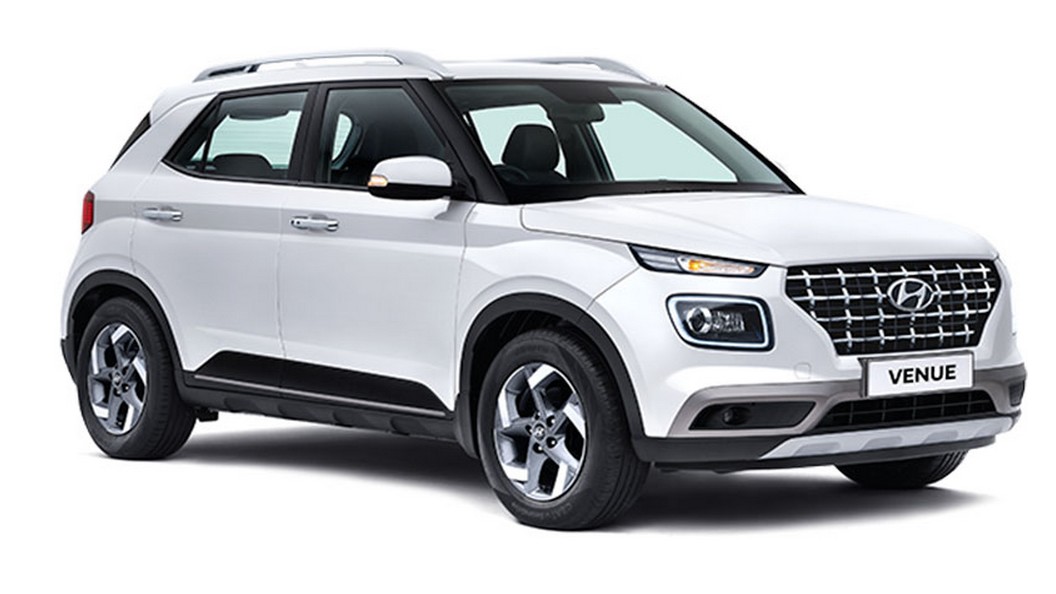
| Compact SUV | Venue | Good balance of features and price |
| Family SUV | Creta | Comfort, space, and enough tech to keep everyone happy |
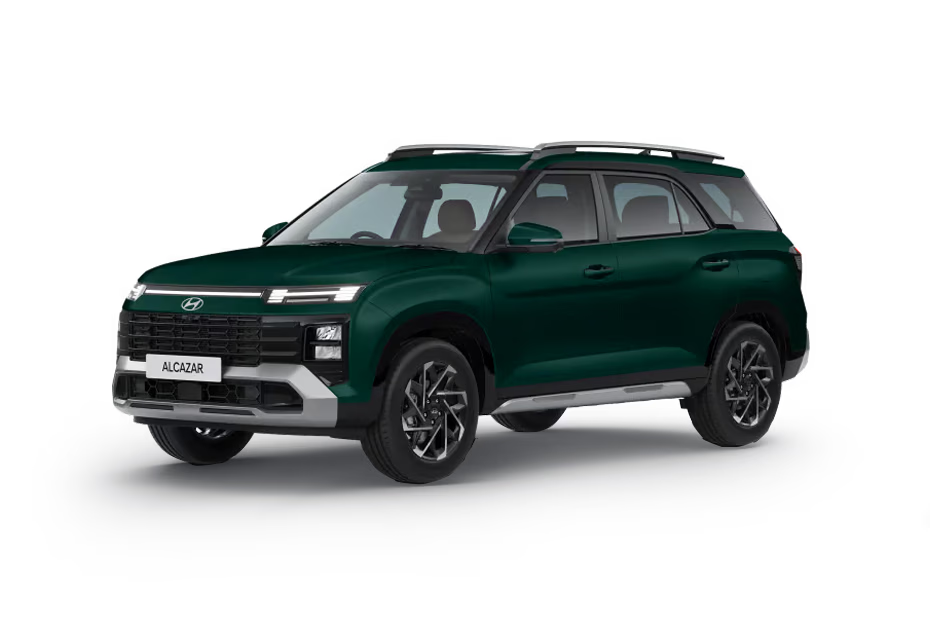
| 6/7-seater | Alcazar | Built for bigger families and long road trips |
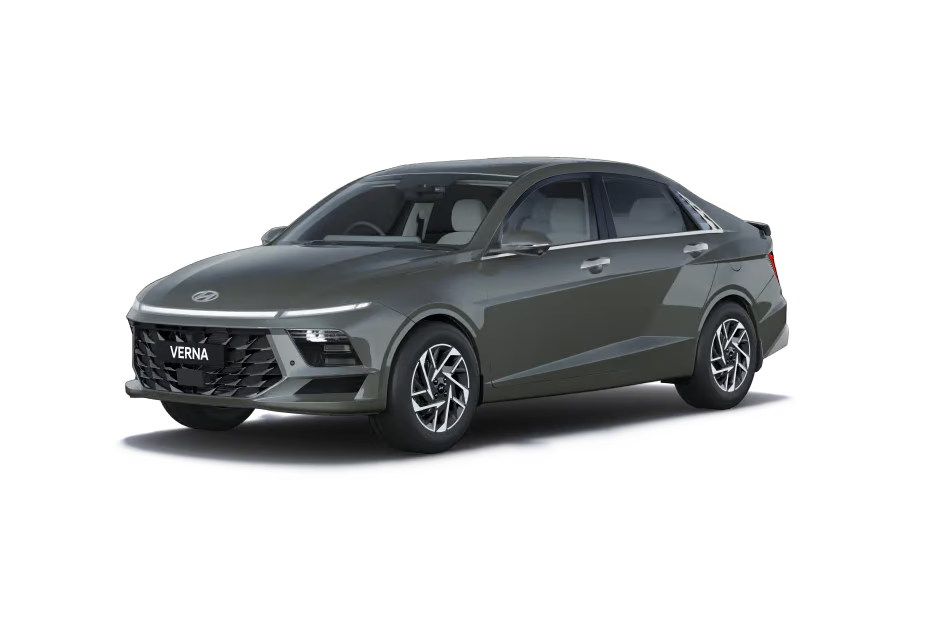
| Premium sedan | Verna | Strong performance with a loaded features list |
| Premium SUV | Tucson | Best cabin and tech Hyundai sells in India |
Before you fall in love with a paint color or a touchscreen, sit with these five questions. Skip the specs sheet for a minute. Think about your life instead.
What's your budget?
How many people travel with you regularly?
Where do you mostly drive?
What do you want in terms of gearbox and fuel?
What matters most to you?
Once you've actually answered these, picking the right Hyundai gets a lot simpler. Most of the confusion buyers feel comes from comparing cars before they've figured out what they need in the first place.
Let's flip the usual approach. Instead of listing cars and their spec sheets, we'll start from your situation and work backward to the right model.
Go with the Grand i10 Nios, the Exter, or the i20 if you want something a bit more premium.
The Nios is small, easy to park, and sips fuel the way a scooter would. The Exter gives you a bit more ground clearance and that raised SUV stance, which honestly makes a difference when you're crawling over broken roads or speed bumps every day. The i20 sits a step above both of these. It's still easy to thread through traffic, but the cabin feels richer, the ride is more settled, and it doesn't feel like you've compromised just because you skipped the SUV.
Pros: light steering, tight turning radius, low running costs. The i20 adds a more refined interior and better sound insulation on top of that.
Who should buy: anyone doing short trips, daily office commutes, or errands where parking space is tight. The i20 in particular suits buyers who want a hatch but don't want it to feel basic.
Who shouldn't: families who need to carry more than four people regularly, or anyone planning frequent long highway drives.
The Creta and Alcazar are where families should be looking.
The Creta gives you a comfortable rear seat, a boot that swallows a family's worth of luggage, and safety kit that actually matters on Indian highways. The Alcazar goes a step further with a third row, so if you've got grandparents or more than one kid, the extra seats aren't just a nice-to-have.
Think about long trips too. Both cars ride well over long distances, and the Alcazar's captain seats (on the 6-seat version) make middle-row passengers a lot more comfortable than a flat bench.
If this is your first car, look at the Grand i10, Exter, or Venue.
Here's the thing about a first car: it's not really about horsepower. It's about confidence. These three are easy to own, cheap to service, and give you good visibility out of the cabin, which matters a lot when you're still learning to judge distances in traffic.
Running costs stay low too, so a mistake here and there won't hurt your wallet. If your budget stretches a little further and you'd rather step up from a basic hatch, the i20 is worth a look too. It costs more to buy and service than the Nios, but you get a noticeably nicer cabin and better highway manners in return.
For long stretches on the highway, the Verna, Creta, and Tucson hold up the best.
The Verna cruises at three-digit speeds without feeling nervous, and the turbo-petrol variant has enough punch for quick overtakes. The Creta isn't far behind, and if you want the most planted, most stable ride of the three, the Tucson is worth the extra money. Ride comfort and stability matter more than raw power once you're doing 400+ km trips.
If you'd rather stick with a hatchback, the i20 N Line is the pick. It won't match the Verna's rear-seat comfort on a long trip, but the turbo engine holds highway speeds well and feels genuinely fun to drive.
Ranked by real-world fuel efficiency, city and highway combined:
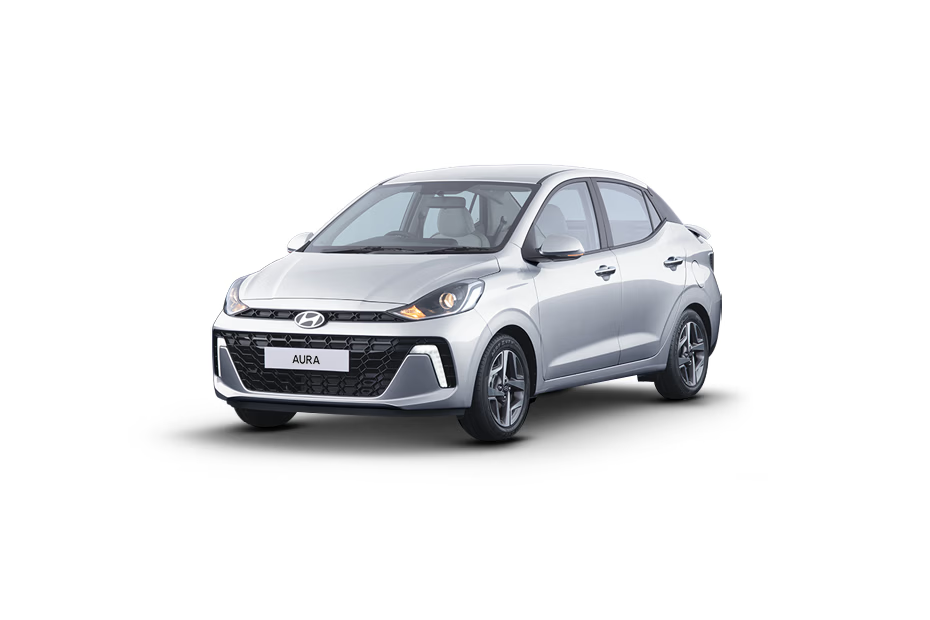
The truth is, mileage claims on paper and mileage in real traffic are two different things. Hyundai's smaller petrol engines tend to get closer to their claimed figures than the bigger diesels do, mostly because they're not lugging around as much weight. The Aura in particular deserves more credit than it usually gets. It's Hyundai's compact sedan, built on the same platform as the Grand i10 Nios, and it returns similar mileage while giving you a proper boot instead of a hatchback's small one. If you want sedan practicality on a tight budget without giving up fuel economy, the Aura is worth cross-shopping against the Nios.
If mileage is really the deciding factor, also check whether a CNG variant fits your driving pattern. See the CNG section below before you decide.
Don't just look at "SUV" as one category. Compare what each one is actually built for.
If screens, sensors, and connected features are what excite you, look at the Verna, Creta, Alcazar, i20, and Tucson.
These get ADAS (that's Advanced Driver Assistance Systems — basically cameras and radar that warn you or brake for you), connected car features you control from your phone, big dual-screen setups, ventilated seats, and wireless charging. The Tucson pushes this furthest with the most premium interior finish of the bunch. The i20, especially in its top trims and the sportier N Line, punches above its price with a digital cluster, a big touchscreen, and a genuinely premium-feeling cabin for a hatchback.
This one's close, but the Creta wins it. You get a strong features list, decent resale value because everyone wants a used Creta, and a warranty package that Hyundai backs up well through its service network. The Exter deserves a mention too, since it packs a lot of kit for its price.
| Car | Best For | Seats | Segment | Mileage | Budget |
|---|---|---|---|---|---|
| Grand i10 Nios | City driving, first car | 5 | Hatchback | High | Under ₹8 lakh |
| Aura | Budget sedan, low running costs | 5 | Compact sedan | High | ₹7–9 lakh |
| Exter | Budget SUV buyers | 5 | Micro SUV | High | ₹8–10 lakh |
| i20 | Premium hatch, young buyers, style plus features | 5 | Premium hatchback | Good | ₹9–12 lakh |
| Venue | Compact SUV needs | 5 | Compact SUV | Good | ₹8–12 lakh |
| Creta | Families, all-rounders | 5 | Mid-size SUV | Good | ₹11–18 lakh |
| Alcazar | Big families | 6/7 | 3-row SUV | Moderate | ₹15–20 lakh |
| Verna | Highway, premium sedan buyers | 5 | Sedan | Good | ₹11–17 lakh |
| Tucson | Premium SUV buyers | 5 | Mid-size premium SUV | Moderate | ₹18 lakh+ |
| Car | Petrol | Turbo Petrol | Diesel | CNG | Automatic Option |
|---|---|---|---|---|---|
| Grand i10 Nios | Yes | No | No | Yes | Yes (AMT) |
| Aura | Yes | No | No | Yes | Yes (AMT) |
| Exter | Yes | No | No | Yes | Yes (AMT) |
| i20 | Yes | Yes (N Line) | No | No | Yes (IVT/DCT) |
| Venue | Yes | Yes | Yes | No | Yes |
| Creta | Yes | Yes | Yes | No | Yes (torque converter) |
| Alcazar | Yes | Yes | Yes | No | Yes (torque converter) |
| Verna | Yes | Yes | No | No | Yes (torque converter) |
| Tucson | Yes | No | Yes | No | Yes (torque converter) |
Worth noting: Hyundai has been phasing diesel out of its smaller cars, so if you specifically want a diesel, your choice narrows down to Venue, Creta, Alcazar, or Tucson.
People don't only shop by need. A lot of the time, the wallet decides first, and the heart follows.
Under ₹8 lakh Recommended: Grand i10 Nios or Aura Why: cheapest way into a new Hyundai, low fuel and service bills. The Aura is worth a look here too if you want a proper boot instead of a hatchback. Who should buy: solo drivers, small families, first-time car owners.
₹8–10 lakh Recommended: Exter Why: SUV stance and features without stretching your budget. Who should buy: young buyers who want to look a bit more premium than a hatchback offers.
₹9–12 lakh Recommended: i20 Why: a hatchback that doesn't feel like a compromise, with a richer cabin, better tech, and more refined ride than the entry-level models. Who should buy: young professionals or couples who want style and features but aren't ready for an SUV or sedan yet.
₹10–15 lakh Recommended: Venue or base Creta Why: room to add features while staying practical. Who should buy: small families or couples planning to grow their family soon.
₹15–20 lakh Recommended: Creta (top variants) or Alcazar Why: this is where comfort, tech, and space all start showing up together. Who should buy: families who need either more features or more seats.
Above ₹20 lakh Recommended: Tucson Why: Hyundai's most refined cabin and the most complete features list. Who should buy: buyers who want a premium feel without moving to a luxury brand.
Sometimes it's easier to just see yourself in the description.
Young family → Creta. Space, safety, and a boot big enough for a stroller and a week's groceries.
College student → Grand i10 Nios. Cheap to run, easy to park near campus, low insurance costs. If you can stretch the budget and want something that feels a bit more grown-up, the i20 is a nice step up too.
Working professional → Venue, i20, or Verna, depending on whether you want a compact SUV, a stylish hatch, or a sedan for that daily commute.
Daily commuter → Exter. Light on fuel, comfortable enough for stop-and-go traffic.
Frequent traveller → Creta or Tucson. Both handle long highway stretches without wearing you out.
Business owner → Verna or Tucson. Presentable, comfortable for clients, and a step above the ordinary.
Senior citizens → Exter or Venue. Higher seating makes getting in and out easier on the knees, and visibility is better than in a low sedan.
CNG is worth a serious look if you drive a lot every month, since it cuts your running cost by a big margin compared to petrol.
Hyundai currently offers factory-fitted CNG on the Grand i10 Nios, Aura, and Exter. There's no CNG option on the i20, Venue, Creta, Alcazar, Verna, or Tucson, at least for now.
A few honest trade-offs to think about before you pick CNG. Boot space shrinks because the cylinder eats into it. Power drops slightly compared to the petrol-only version. And you'll need a CNG-friendly area with pumps nearby, or the whole point of buying it falls apart. If your city has decent CNG infrastructure and you're doing high monthly kilometres, though, it's hard to beat on running cost.
Don't skip this section just because it sounds technical. It matters more than most spec sheet numbers.
The Venue currently holds a 5-star Bharat NCAP rating, with strong scores in both adult and child occupant protection. The Verna carries a 5-star Global NCAP rating as well, so both are genuinely strong picks if crash safety is high on your list.
The Tucson also holds a 5-star Bharat NCAP rating, which lines up with its position as Hyundai's premium safety flagship in India.
The Creta and Alcazar haven't been formally tested under the newer, tougher rating cycle yet, even though Hyundai says the current facelift uses a reinforced structure. An older, pre-facelift Creta was tested back in 2022 and scored 3 stars, mainly due to a less rigid body shell and a lack of standard side airbags at the time. That's since changed. Hyundai now fits six airbags, ABS, and stability control as standard across the current Creta lineup, even on the base variant. Still, until a fresh crash test result comes out, treat the safety picture here as "likely improved" rather than officially confirmed.
The i20 was last tested by Global NCAP back in 2022 and scored 3 stars for both adult and child occupant protection, mostly held back by a body shell rated as unstable at the time and a lack of standard electronic stability control on the base trim. Worth knowing if safety ratings are a big factor for you, since that's an older result and doesn't reflect any changes Hyundai may have made to the car since.
If a formal 5-star rating matters a lot to your decision, the Venue, Verna, and Tucson are your safest bets on paper today.
Sticker price is only part of the story. Here's roughly what to expect once you actually own the car, though your numbers will shift a bit based on city, insurance provider, and how much you drive.
A rough rule of thumb: budget somewhere between 3-5% of the car's on-road price per year for fuel, service, and insurance combined, and adjust up if you're doing heavy daily kilometres.
Best Safety: Venue, Verna, Tucson These three currently hold formal 5-star crash test ratings. The Creta and Alcazar likely aren't far behind given their reinforced structure and standard six airbags, but they haven't been retested under the current cycle yet.
Best Mileage: Grand i10 Nios, Aura, Exter Lighter cars with smaller engines simply sip less fuel in daily traffic. All three also come with a CNG option if you want to push running costs down even further.
Best Features: Tucson, Alcazar, Creta More screens, more sensors, ventilated seats, and connected app support show up here first.
Lowest Maintenance: Grand i10 Nios, Exter, Venue Simpler engines and easy-to-source parts keep service bills predictable.
Best Resale: Creta, Venue Both sell fast in the used market because demand for them stays high.
Best Driving Experience: Verna, Creta The Verna's turbo-petrol option in particular feels sharper than most cars in its price bracket.
Best Comfort: Alcazar, Tucson Softer suspension tuning and roomier cabins make these the pick for long drives.
Largest Boot Space: Alcazar, Creta Both give you enough room for a family's luggage on a road trip without playing Tetris.
Best Automatic: Creta, Verna Smooth torque converter gearboxes that don't hunt for gears in traffic.
Best Value: Creta, Exter Strong features-to-price ratio, and both hold their value well over time.
Simple steps. But following them in order saves you from buyer's remorse later.
| Need | Recommendation |
|---|---|
| Best overall | Creta |
| Best budget | Grand i10 Nios |
| Best SUV | Creta |
| Best family car | Alcazar |
| Best city car | Exter |
| Best sedan | Verna |
| Best premium pick | Tucson |
| Best premium hatchback | i20 |
| Best CNG option | Grand i10 Nios / Exter |
| Best mileage | Grand i10 Nios |
Which Hyundai is best for daily use? The Grand i10 Nios or Exter work best for daily use. Both are easy to park, cheap to run, and comfortable enough for short city trips.
Which Hyundai gives the best mileage? The Grand i10 Nios leads on mileage among Hyundai's lineup. Its smaller engine and lighter body mean less fuel burned per kilometre.
Which Hyundai is safest? The Venue, Verna, and Tucson currently hold formal 5-star crash test ratings, making them the safest confirmed options in the lineup. The Creta and Alcazar are likely close behind given their updated structure and standard six airbags, but neither has a fresh official rating yet.
Is the i20 a good buy? Yes, if you want a premium hatchback with a richer cabin and more features than the entry-level models. It costs more to buy and run than the Grand i10 Nios, and its last official crash test rating dates back to 2022, so weigh that against how much the extra features matter to you.
Is the Venue better than the Exter? The Venue offers more features and a bigger footprint, while the Exter is cheaper and easier to park. Choose the Venue if budget allows, and the Exter if you want the lowest possible running cost.
Which Hyundai SUV should I buy? It depends on your budget and family size. The Exter suits tight budgets, the Venue suits compact needs, the Creta suits most families, and the Alcazar suits bigger families needing extra seats.
Which Hyundai is best under ₹10 lakh? The Exter is the strongest pick under ₹10 lakh. It gives you SUV styling and decent features without stretching your budget.
Which Hyundai is best for families? The Creta and Alcazar are built for families. The Creta suits a standard 5-member household, while the Alcazar fits bigger families needing a third row.
Which Hyundai has the lowest maintenance? The Grand i10 Nios and Exter cost the least to maintain. Simpler engines and easy-to-find spare parts keep service bills low over time.





Maruti
₹4.70 - 5.44 Lakh