India’s automotive sector has reached a significant milestone by becoming the world’s third-largest automobile industry, reflecting the country’s growing manufacturing capabilities, rising domestic demand, and expanding global footprint. However, Union Minister for Road Transport and Highways Nitin Gadkari believes that the next phase of growth must focus on strengthening India’s bus manufacturing ecosystem to support the country’s rapidly evolving public transportation needs.
June Electric Cars Sale 2026
Speaking at Prawaas 5.0, a premier event dedicated to multimodal transport and mobility solutions, Gadkari highlighted that while India has made remarkable progress across vehicle segments, the production of buses remains insufficient to meet the country's increasing mobility requirements. He emphasized that improving public transport infrastructure is essential for achieving safer, cleaner, and more sustainable urban mobility.
India’s Automotive Success Story
Over the past decade, India has transformed into a global automotive manufacturing hub. The sector has benefited from robust domestic demand, improved infrastructure, government-backed manufacturing initiatives, and increasing exports.
According to Gadkari, the automobile industry has become one of the country's most significant economic drivers, generating millions of jobs while contributing substantially to GST collections and industrial growth. The presence of leading global automakers and India's growing export capabilities have further strengthened its position in the international automotive landscape.
The minister reiterated the government's long-term vision of making India the world's leading automobile manufacturing nation in the coming years through continued investment, innovation, and policy support.
Top Selling Cars in India June 2026
Why Bus Manufacturing Deserves Greater Attention
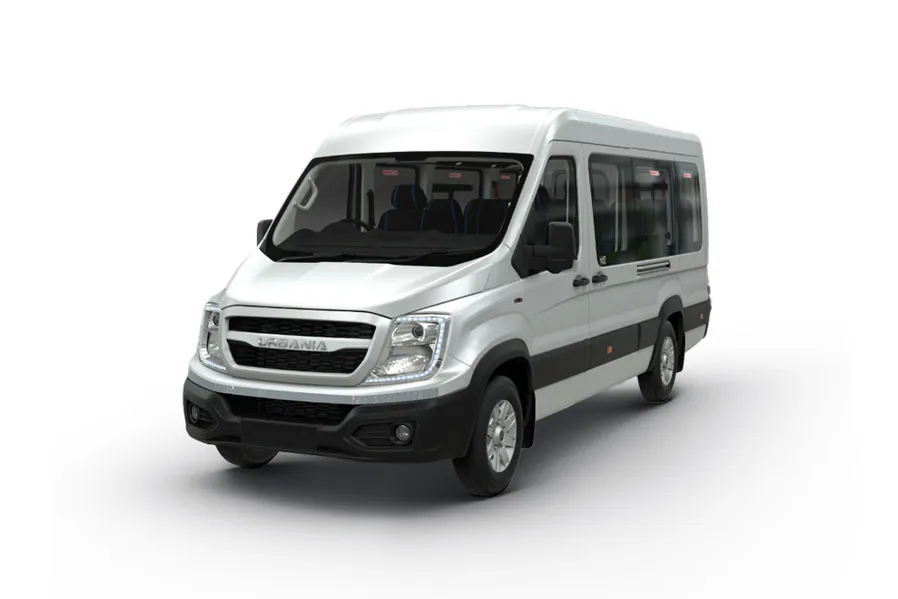
Despite the rapid expansion of passenger vehicles and commercial transport, Gadkari stressed that bus manufacturing has not kept pace with the country's growing demand for efficient public transportation.
India's expanding cities require a significantly larger fleet of modern buses to reduce traffic congestion, improve accessibility, and encourage commuters to shift away from private vehicles. A stronger domestic bus manufacturing industry would not only meet these transportation needs but also create employment opportunities and strengthen the commercial vehicle ecosystem.
Modern buses equipped with advanced safety features, cleaner propulsion systems, and enhanced passenger comfort can play a vital role in improving the quality of urban and intercity transport.
June Car Sales 2026
Public Transport as the Backbone of Sustainable Mobility
Gadkari emphasized that the future of Indian mobility depends on reliable and efficient public transportation. Increasing bus availability can help reduce fuel consumption, lower carbon emissions, and ease pressure on urban road networks.
The government has consistently promoted cleaner mobility solutions, including electric, biofuel-powered, and hydrogen-powered vehicles. During the event, the minister also highlighted ongoing hydrogen mobility pilot projects across multiple highway corridors, indicating that alternative fuels will play an increasingly important role in India's transportation future.
Focus on Safety and Technology
Apart from increasing production capacity, Gadkari called for greater emphasis on passenger safety, advanced battery technologies, and continuous innovation within the transport sector.
Top 10 Cars with ADAS in India 2026
He encouraged manufacturers to adopt next-generation technologies that improve vehicle efficiency, durability, and environmental performance. Integrating intelligent transport systems, advanced driver assistance features, and zero-emission technologies will be crucial for building a future-ready mobility ecosystem.
Industry Opportunities Ahead
India's rising demand for public transport presents significant opportunities for domestic manufacturers. Expanding bus production can strengthen the supply chain, encourage investment in commercial vehicle manufacturing, and position India as an export hub for modern buses, including electric and hydrogen-powered models.
The country's growing infrastructure network, expanding highway system, and increasing urbanization provide a strong foundation for sustained growth in the commercial vehicle segment. Industry experts believe that policy support, technological innovation, and public-private collaboration will be essential to unlocking this potential.
The Road Ahead
India's rise to the position of the world's third-largest automobile industry marks a major achievement for its manufacturing sector. However, as Gadkari pointed out, the country's mobility ambitions cannot rely solely on passenger cars and two-wheelers.
Expanding bus manufacturing, modernizing public transport fleets, and accelerating the adoption of cleaner technologies will be key to building a transportation system that is efficient, sustainable, and accessible for millions of citizens. By balancing industrial growth with public mobility needs, India can strengthen both its automotive leadership and its long-term economic development.
 Ishita Sharma 2026-07-13