Calculating your car insurance premium can seem complicated, but understanding the key factors can make it easier. Your premium is the amount you pay to your insurance company regularly to keep your car insured. Here’s a straightforward guide to help you understand how it's calculated.

Personal Information
1. Age and Gender Your age and gender can affect your premium. Generally, younger drivers, especially teenagers, tend to pay higher premiums because they are considered high-risk. Men might also pay more than women because statistics show they are more likely to be involved in accidents.
2. Marital Status Married individuals often get lower premiums. Insurance companies believe that married people are more responsible drivers.
3. Location Where you live impacts your premium. If you live in an area with high crime rates or heavy traffic, your premium will likely be higher. Urban areas usually have higher premiums compared to rural areas.
Driving History
4. Driving Record Your driving history is crucial. If you have a clean record with no accidents or traffic violations, you’ll get a lower premium. On the other hand, if you have a history of accidents or tickets, your premium will be higher.
5. Credit Score In many places, your credit score can influence your insurance premium. A higher credit score often means a lower premium because insurers believe you are more financially responsible.
Vehicle Information
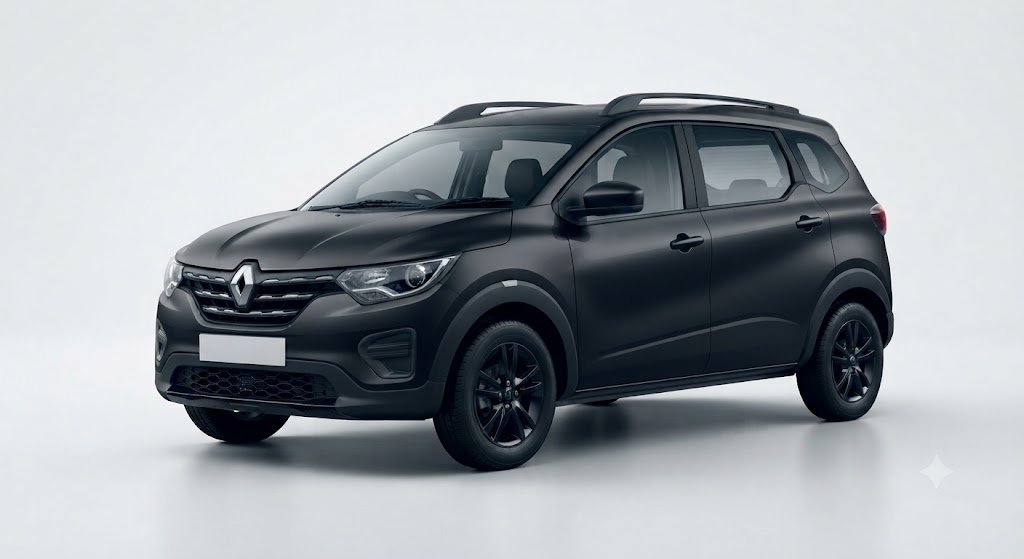
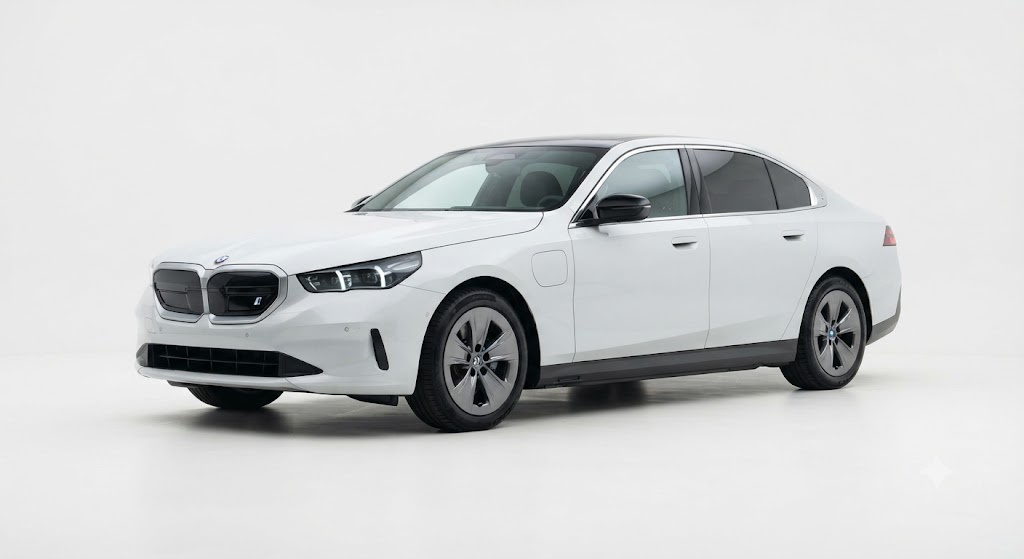
6. Make and Model of the Car The type of car you drive affects your premium. Luxury cars, sports cars, or cars with high repair costs usually have higher premiums. Cars with good safety features and a lower risk of theft often have lower premiums.
7. Age of the Car Newer cars typically have higher premiums because they cost more to repair or replace. However, they may also have better safety features that can lower the premium.
8. Usage How much you use your car matters. If you drive a lot, your premium will be higher. Insurance companies consider high mileage as an increased risk for accidents.
Coverage Choices
9. Types of Coverage The kind of coverage you choose will affect your premium. Here are the common types:
- Liability Coverage: Covers damages you cause to others in an accident. It's usually required by law.
- Collision Coverage: Pays for damage to your car from a collision.
- Comprehensive Coverage: Covers damage from non-collision events like theft, fire, or natural disasters.
- Personal Injury Protection: Covers medical expenses for you and your passengers.
- Uninsured/Underinsured Motorist Coverage: Protects you if you’re hit by someone without insurance or not enough insurance.
The more coverage you choose, the higher your premium will be.
10. Deductible The deductible is the amount you pay out of pocket before your insurance kicks in. Choosing a higher deductible can lower your premium, but it means you’ll pay more if you have an accident.
Discounts
11. Available Discounts Many insurance companies offer discounts that can lower your premium. Common discounts include:
- Safe Driver Discount: For having a clean driving record.
- Multi-Car Discount: If you insure more than one car with the same company.
- Bundling Discount: For combining different types of insurance, like car and home insurance, with the same company.
- Good Student Discount: For students with good grades.
- Low Mileage Discount: For driving less than a certain number of miles per year.
How to Get an Accurate Estimate
To get an accurate estimate of your car insurance premium, you can use online calculators provided by insurance companies. You’ll need to input your personal information, driving history, and vehicle details. The calculator will then give you a rough idea of how much you might pay.
Conclusion
Understanding the factors that affect your car insurance premium can help you make informed decisions. By knowing what influences your premium, you can take steps to lower it, such as maintaining a clean driving record, improving your credit score, and choosing the right coverage options. Always compare quotes from different insurance companies to ensure you get the best deal possible.























-90.avif)