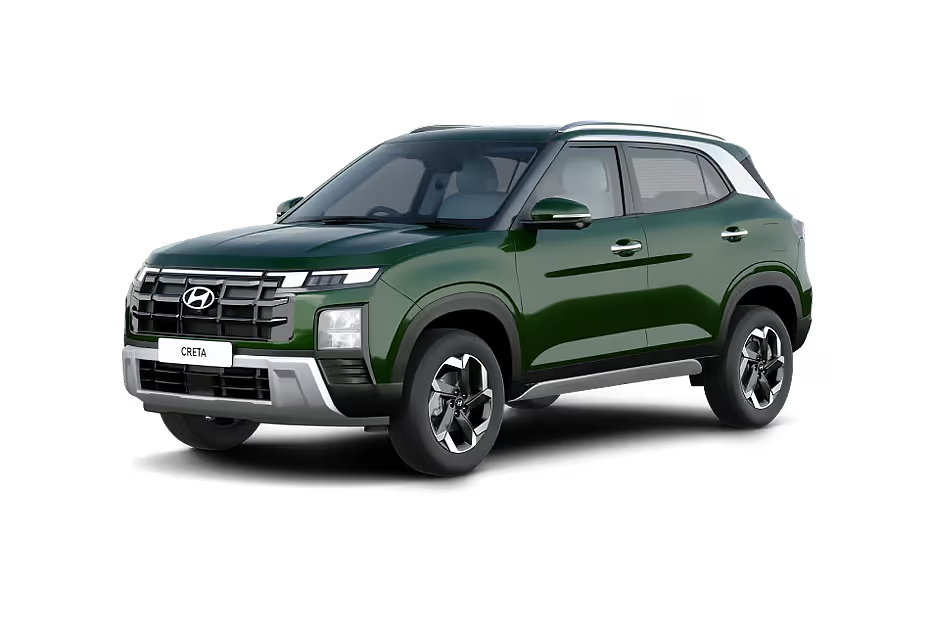
Hyundai Creta
10.91 Lakh*

2026-07-09
.webp)
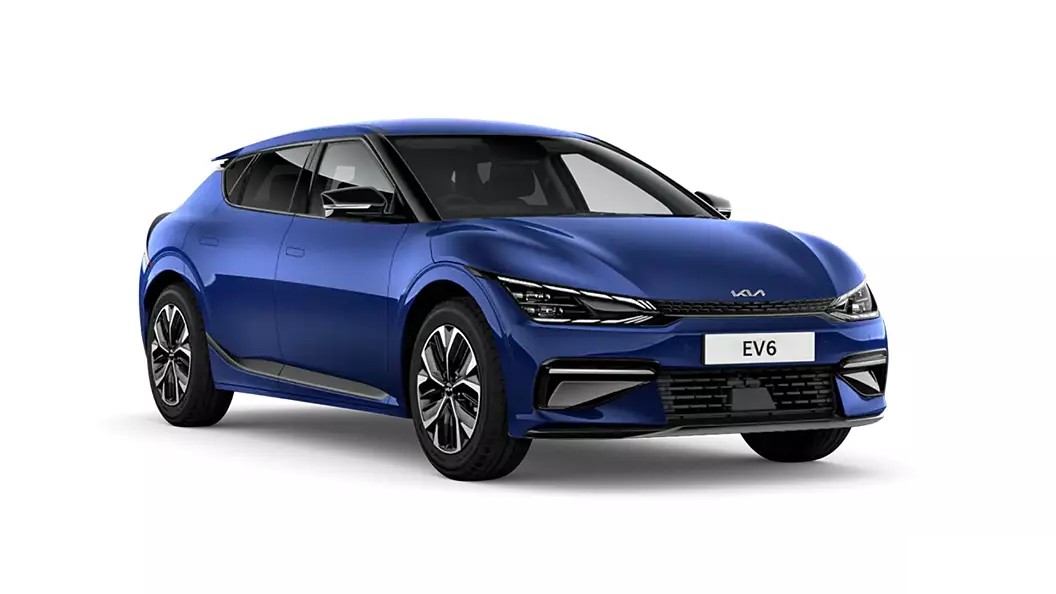
Hyundai has introduced a Battery-as-a-Service (BaaS) ownership model for the Hyundai Creta Electric, and it drops the starting ex-showroom price from around ₹17 lakh to ₹10.99 lakh. Instead of paying for the battery upfront, buyers now pay for it separately through a usage-linked monthly EMI that starts at ₹3.90 per kilometre. Here's exactly how the scheme works, who it actually makes sense for, what it could cost you over time, and whether buying the battery outright is still the smarter move.
| Question | Answer |
|---|---|
| New starting price | ₹10.99 lakh |
| Battery ownership | Separate (BaaS) |
| Battery EMI | Starts from ₹3.90/km |
| Battery options | 42 kWh & 51.4 kWh |
| Maximum range | 510 km |
| Fast charging | 10-80% in 39 minutes |
| Battery warranty | 8 years / 1.6 lakh km |
| Rivals | Tata Sierra EV, Mahindra BE 6, Maruti Suzuki e Vitara, Toyota Urban Cruiser Ebella |
Let's be clear about what's actually new here, because it's easy to assume the whole car changed. It didn't.
Hyundai has added the Battery-as-a-Service ownership option, dropped the starting price, added an integrated side step, and swapped the home charger on HC variants from an 11kW unit to a 7.4kW one. That's it. The existing battery, motor and performance specifications remain unchanged.
The ₹10.99 lakh number sounds great on its own, but it only makes sense once you understand what changed behind it.
Earlier, you paid for the vehicle and the battery together. That pushed the upfront cost close to ₹17 lakh, since the battery is genuinely the most expensive part of any EV.
Now, you buy the vehicle on its own and finance the battery separately. That's what brings the entry price down to ₹10.99 lakh. But the battery doesn't become free, it just becomes a monthly cost tied to how much you actually drive.
Think of it this way:
Vehicle + Battery (old model) → Higher initial cost, no ongoing battery payment
Vehicle only + Battery subscription (new model) → Lower initial cost, plus a monthly usage EMI
Neither model is free money. You're just choosing where the cost sits, upfront or spread out.
Honestly, this concept confuses a lot of first-time EV buyers, so let's break it down simply.
Think about buying a phone on EMI instead of paying the full price in one go. You get to use the phone right away, but you keep paying for it in smaller chunks. BaaS works on a similar idea, except it's for the battery, not the whole car.
You own the Creta Electric outright. The battery, though, stays financed, and you keep paying for it based on how many kilometres you drive each month.
The process itself isn't complicated. Here's the flow, step by step.
This is the part most articles skip entirely, and it's honestly the part that matters most. Your actual monthly cost depends entirely on how much you drive.
| Monthly Driving | Estimated Battery EMI (@₹3.90/km) |
|---|---|
| 500 km | ₹1,950 |
| 800 km | ₹3,120 |
| 1,000 km | ₹3,900 |
| 1,500 km | ₹5,850 |
| 2,000 km | ₹7,800 |
So if you drive around 1,000 km a month, a fairly typical figure for a lot of urban commuters, you're looking at roughly ₹3,900 extra every month just for the battery. Over a year, that's close to ₹46,800. Actual amounts may vary depending on the financing partner and the exact plan you sign up for, but this gives you a real sense of what you're committing to.
That depends entirely on your situation. There's no single right answer here.
BaaS makes sense if you are:
BaaS probably isn't ideal if you:
| Pros | Cons |
|---|---|
| Lower upfront cost | Monthly payments continue indefinitely |
| More affordable EMI | Total ownership cost may work out higher |
| Makes EVs accessible to more buyers | Financing terms and conditions apply |
| Better monthly cash flow | Battery isn't fully paid off initially |
| Smaller loan amount needed | Resale may involve extra considerations |
Here's a quick look at the core numbers, without drowning you in every last detail.
| Spec | Standard Range | Long Range |
|---|---|---|
| Battery | 42 kWh | 51.4 kWh |
| Claimed Range | 420 km | 510 km |
| Power | 135 PS | 171 PS |
| 0-100 km/h | Not specified | 7.9 seconds |
| Drive Type | Front-wheel drive | Front-wheel drive |
| Fast Charging (10-80%) | 39 minutes | 39 minutes |
| Battery Warranty | 8 years / 1.6 lakh km | 8 years / 1.6 lakh km |
Two small but genuinely useful updates here. The integrated side step makes getting in and out easier, and it honestly makes the SUV look a bit chunkier too. The HC variants now come with a 7.4kW AC wall box charger instead of the earlier 11kW unit, a change Hyundai says came directly from customer feedback about practical home charging needs. No changes to the powertrain, so don't expect any difference in range or performance.
Charging an EV isn't as confusing as it sounds once you know your options.
Home charging with the 7.4kW AC wall box is your everyday, overnight solution. Plug it in before bed, wake up to a full battery. This works well if your daily driving stays under 100-150 km.
DC fast charging is for when you're in a hurry or on a longer trip. Hyundai claims a 10-80% charge in around 39 minutes on a compatible fast charger, which is quick enough for a coffee-break top-up.
Public charging is still growing in India, so it's worth checking availability along your usual routes before relying on it too heavily.
| Factor | 42 kWh | 51.4 kWh |
|---|---|---|
| Claimed Range | 420 km | 510 km |
| Power | 135 PS | 171 PS |
| Ideal Buyer | City drivers, shorter commutes | Highway users, longer trips |
If you rarely leave the city, the 42 kWh pack should cover most weeks without stress. But if you're the sort who takes weekend road trips or drives long distances often, the 51.4 kWh version buys you real peace of mind.
| Model | Price | Range | Battery | ADAS | Fast Charging | Warranty |
|---|---|---|---|---|---|---|
| Hyundai Creta Electric | ₹10.99 lakh onward (BaaS) | Up to 510 km | 42/51.4 kWh | Level 2 | 39 min (10-80%) | 8 yr/1.6L km |
| Tata Sierra EV | Rs 15-20 lakh (expected) | Up to 500 km | Up to 65 kWh | Yes | Yes | 8 yr/1.6L km |
| Mahindra BE 6 | Rs 18.9-26.9 lakh | Up to 682 km | Up to 79 kWh | Yes | Yes | 8 yr/1.6L km |
| Maruti Suzuki e Vitara | Rs 17-20 lakh (expected) | Up to 500 km | Up to 61 kWh | Yes | Yes | 8 yr/1.6L km |
| Toyota Urban Cruiser Ebella | Rs 17-20 lakh (expected) | Up to 500 km | Up to 61 kWh | Yes | Yes | 8 yr/1.6L km |
The gap here is obvious. With BaaS, the Creta Electric's entry price undercuts every one of these rivals by a wide margin, even if the on-paper range on the bigger battery variants of some competitors is higher.
Here's the honest truth: the battery is the single biggest reason EVs cost so much more than petrol or diesel cars. BaaS is essentially an industry-wide attempt to fix that entry barrier without actually making batteries cheaper.
By separating the vehicle price from the battery cost, manufacturers make EVs look far more affordable at first glance, which pulls in buyers who'd otherwise stick with a petrol car. Hyundai isn't alone here. MG, Citroen, Kia, Maruti Suzuki and Toyota have all been moving toward similar battery financing or subscription models in India. It's becoming less of an experiment and more of a standard playbook.
Honestly, it comes down to what you're optimizing for.
If your priority is the lowest upfront cost → Go with BaaS. It gets you into the car for nearly ₹7 lakh less.
If your priority is full, unencumbered ownership → Buy the battery outright instead.
If you plan to keep the car for 8+ years → Sit down and actually calculate the total cost of ownership under both options before deciding. The math can flip depending on how long you keep the car.
If your monthly running is high → Compare the EMI carefully. At 2,000 km a month, you're paying nearly ₹7,800 just for the battery, and that adds up fast over a few years.
Does Hyundai own the battery under BaaS? The battery is financed separately through Hyundai's partner, so ownership sits with the financing arrangement rather than fully with the buyer until the term is complete.
Can I buy the battery outright later? Hyundai hasn't detailed a buyout option publicly yet, so it's best to check directly with your dealer before signing up.
Is battery replacement covered under BaaS? The standard battery warranty of 8 years or 1.6 lakh km still applies, regardless of whether you choose BaaS or outright purchase.
Is the warranty different under BaaS? No, the warranty terms remain the same as the standard ownership model.
Does BaaS affect resale value? It could. A car sold with an active battery subscription may need extra explanation to buyers, so factor that into resale planning.
Can I transfer my battery subscription to a new owner? This isn't clearly detailed yet. Ask your dealer about transferability before committing.
Is the home charger included with BaaS? Yes, the charger itself isn't tied to the battery subscription. HC variants come with the 7.4kW AC wall box regardless of ownership model.
What happens if I stop paying the battery EMI? As with any financed asset, missed payments could affect your credit and potentially the battery's usability, so treat it like any other EMI commitment.
Does BaaS reduce my total loan amount? Yes, since you're only financing the vehicle price upfront, not the vehicle plus battery combined, your loan principal drops significantly.
Is the battery insured separately? Insurance details for BaaS batteries aren't fully public yet. Confirm with your dealer or insurer what's covered under your specific plan.
Hyundai's Battery-as-a-Service model genuinely lowers the entry barrier for anyone considering the Creta Electric. The ₹10.99 lakh starting price makes it noticeably more accessible, but here's the catch: you need to actually run the numbers on long-term battery payments before jumping in. If you drive a lot every month, that EMI adds up quicker than you'd expect. For buyers chasing a lower upfront cost without giving up features like ADAS, a panoramic sunroof, or fast charging, BaaS is a genuinely practical way to get behind the wheel of an electric SUV sooner rather than later.