Latest Update - Cars Price Hike in 2026
As the Indian automobile industry heads into the new year, several major car manufacturers have announced price increases for their vehicle line-ups starting January 1, 2026. These hikes are part of the annual pricing revisions seen in India and come amid continued rising input costs, logistics expenses and currency volatility that have impacted manufacturers across the market.
Although buyers enjoyed significant price relief earlier in 2025 due to the implementation of GST 2.0, the upcoming revisions will partially offset those benefits for 2026 purchases.
Latest Cars In India
Why Car Prices Are Increasing in 2026?
Automakers attribute the price hikes to:
- Rising material and manufacturing costs (steel, plastics, semiconductors, etc.)
- Logistics and supply chain pressures
- Fluctuating currency and foreign exchange impact particularly for brands that import parts or fully-built units
- Broader macroeconomic conditions affecting profitability
These factors have led manufacturers to implement moderate price increases so they can maintain margins while balancing competitive positioning.
List of Carmakers Announcing 2026 Price Hikes
Below is a summary of the major car brands that have publicly confirmed price increases starting in January 2026:
|
Manufacturer
|
Price Increase (% / details)
|
Effective Date
|
Notes
|
|
Mercedes-Benz
|
Up to 2% on ex-showroom prices
|
Jan 1, 2026
|
Applies to most models; future quarterly revisions under review
|
|
BMW
|
Up to 3%
|
Jan 1, 2026
|
A repeat hike after 2025 increases; covers both CKD and CBU models
|
|
BYD
|
Undisclosed % increase (Sealion 7)
|
Jan 1, 2026
|
Exact hike details not revealed yet
|
|
MG Motor
|
Up to 2%
|
Jan 1, 2026
|
Affects petrol, diesel & EV models; EVs like Windsor and Comet expected to rise by specific amounts
|
|
Nissan
|
Up to 3%
|
Jan 1, 2026
|
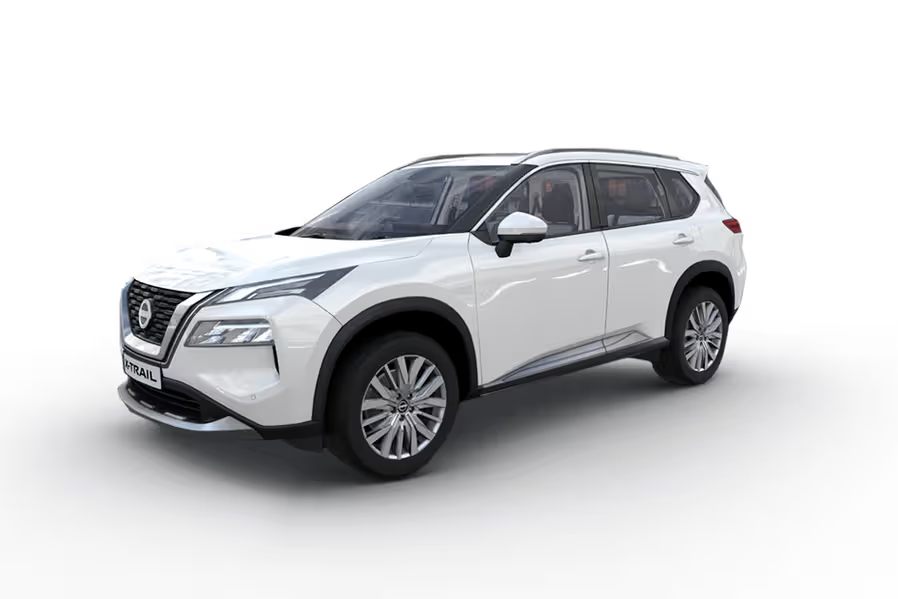
Follows earlier price cuts in 2025, with increases on models like Magnite expected
|
|
Honda
|
Not disclosed (price revision confirmed)
|
Jan 2026 (exact date)
|
Pressure from sustained input cost increases cited
|
|
Renault
|
Up to 2%
|
Jan 1, 2026
|
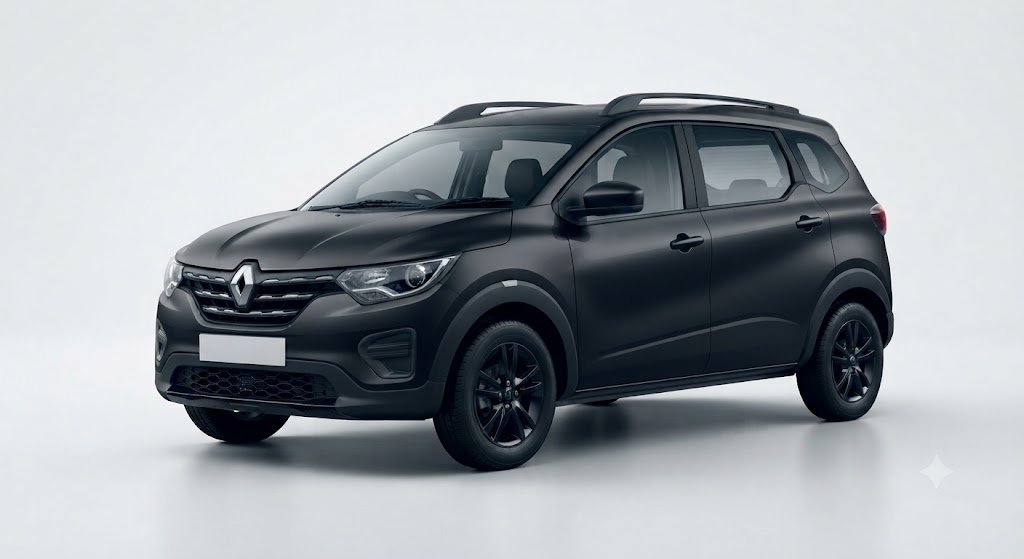
Applies across Kwid, Triber, Kiger; new models planned in 2026
|
Highlights and Model-Specific Changes
- Mercedes-Benz: A 2% hike would add roughly Rs 2.6 lakh to GLS series prices while still keeping post-GST prices below their earlier pre-GST levels.
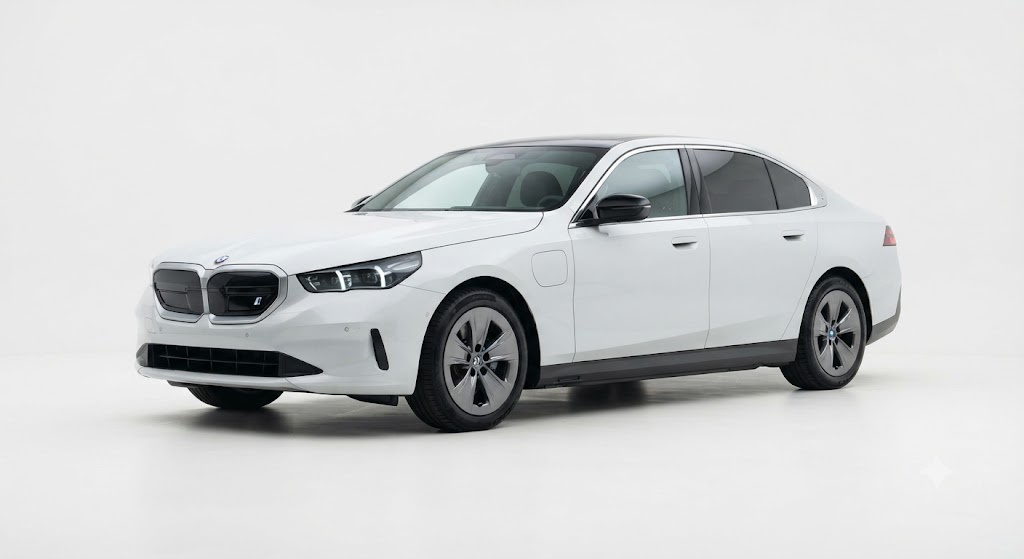
- BMW: The 3% increase covers both locally assembled (CKD) and imported fully built (CBU) models like the 3 Series, adding around Rs 1.8 lakh to its pricing.
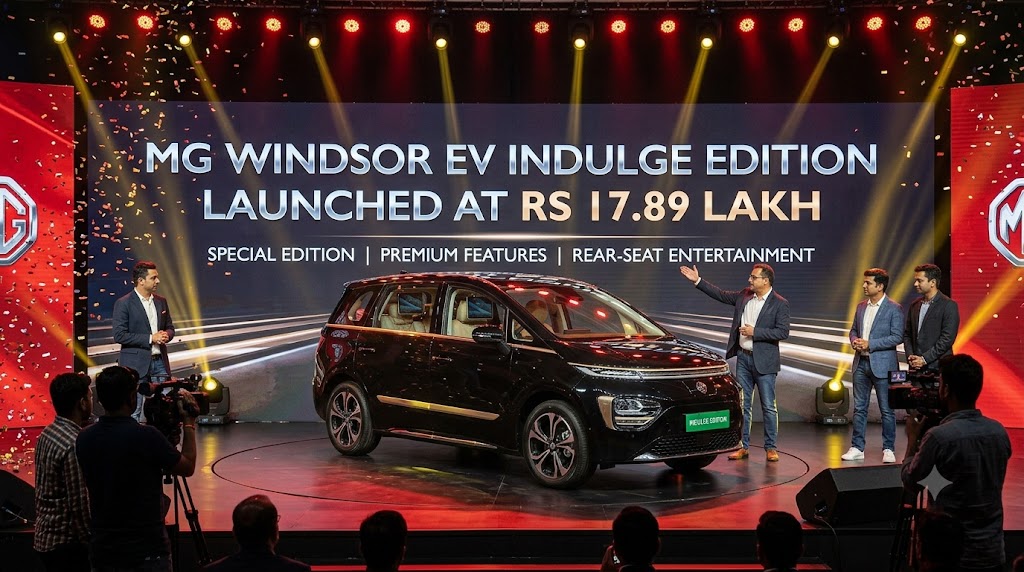
- MG Motor: Expect specific price rises on electric models such as the Windsor EV (roughly Rs 30,000-37,000) and Comet EV (Rs 10,000-20,000).
- Renault: Price hikes differ across its popular small car and SUV range, with the Kwid, Triber and Kiger seeing increases of up to 2%.
What This Means for Car Buyers
Buyers planning to purchase vehicles early in 2026 should be prepared for these price adjustments. Those looking to avoid the hikes might consider booking before December 31, 2025, as most manufacturers will honour current pricing for confirmed orders placed before year-end.
Even with these increases, many vehicles continue to carry prices below their pre-GST levels, meaning buyers can still benefit from current tax regime advantages compared to earlier years.
 Ishita Sharma 2025-12-31