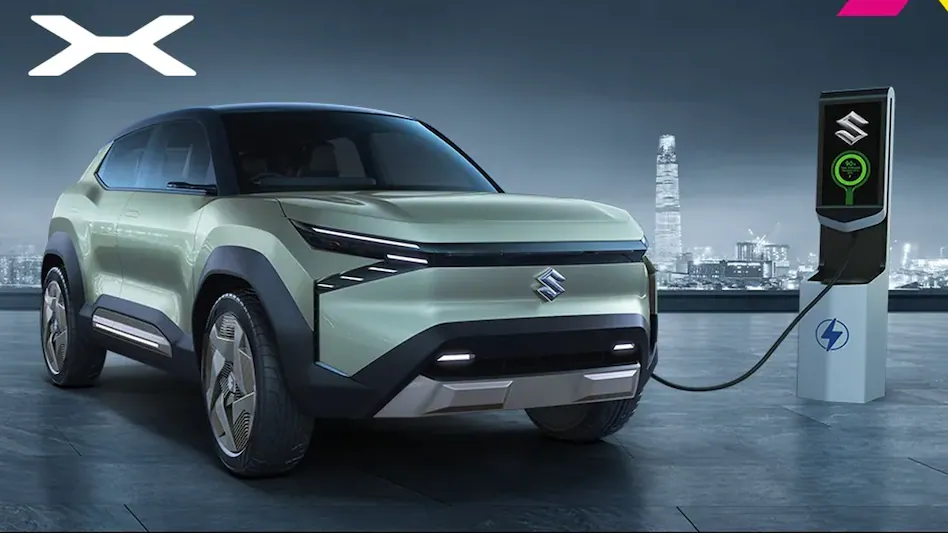
Maruti Suzuki, the biggest carmaker in India, plans to launch its first electric vehicle during this financial year. The company is also working on other eco-friendly technologies, such as strong hybrid, biogas, flex fuel, and CNG, to cut down on emissions and fuel use.

India's largest carmaker, Maruti Suzuki, has announced it will launch its first electric vehicle (EV) this financial year. The company will also focus on eco-friendly technologies like strong hybrids, biogas, flex fuel, and CNG to cut down on emissions and fuel consumption. In the company's annual report, Chairman R C Bhargava highlighted the importance of having a policy to speed up the use of these alternative technologies, which can help reduce the dependence on petrol and diesel vehicles.
Bhargava said that providing cars with different technologies at various price levels is the best approach for India, considering its resources and economic situation.
Maruti Suzuki plans to introduce electric cars soon, but Bhargava also encouraged customers to consider cars with strong hybrid technology, CNG, ethanol, and biogas. He pointed out that while electric cars will be important, it's crucial to reduce the use of petrol and diesel vehicles. Strong hybrid vehicles can cut fuel consumption by 35-45 percent, and biogas, which is renewable and carbon-negative, offers great environmental benefits.
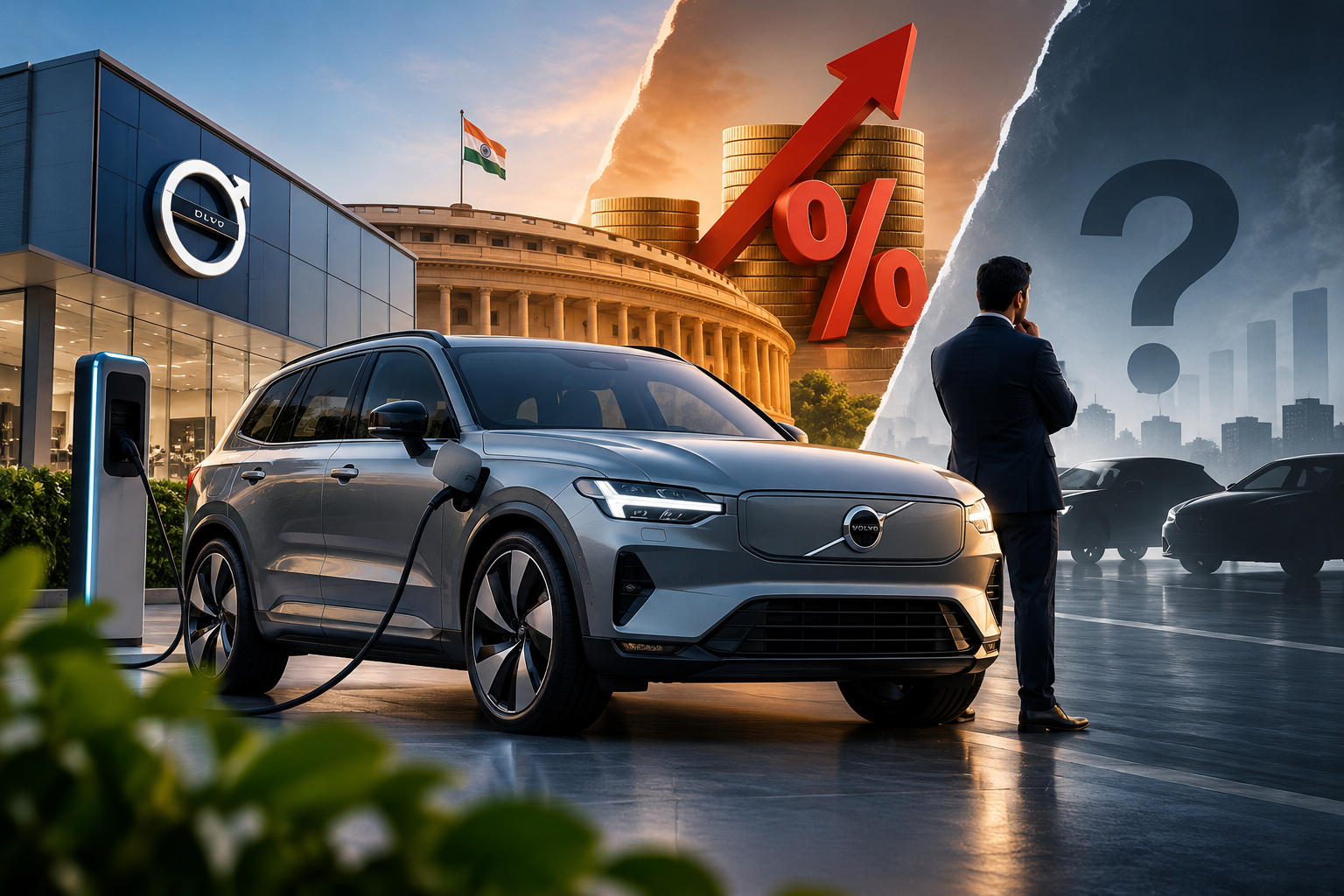
In India, the automotive industry is divided over extending benefits to hybrid vehicles. Companies like Maruti Suzuki and Toyota support lower taxes on hybrids to encourage a move towards electric vehicles. However, other manufacturers like Tata Motors and Mahindra & Mahindra think these benefits could slow down the adoption of fully electric vehicles. Currently, India charges a 5 percent GST on EVs, compared to 28 percent (plus additional charges) on hybrids.
Some state governments also offer incentives for EVs, such as waiving registration fees. Bhargava responded to criticisms about the company's slow pace in making electric vehicles by explaining that Maruti Suzuki chose a diverse strategy to meet national goals. He emphasized that quickly adopting EVs depends on reducing costs and improving charging infrastructure, mainly through local production and technological advancements.
Maruti Suzuki aims to balance its production by offering both high-cost SUVs and affordable small cars. The company acknowledges the importance of small car sales for attracting first-time buyers and sustaining market growth. Despite a decline in small car sales due to increased acquisition costs and a shift towards feature-rich SUVs, Bhargava affirmed the company's commitment to producing low-cost small cars to meet the needs of the larger population.
Maruti Suzuki’s Managing Director, Hisashi Takeuchi, pointed out that only 3% of India's population owns cars. He expressed a personal mission to bring the "joy of mobility" to more Indians, seeing India's goal of becoming a developed nation by 2047 as a chance for growth. In the 2023-24 fiscal year, India's passenger vehicle market reached a record high, making it the third-largest in the world. Maruti Suzuki plans to launch its first EV later this fiscal year and aims to expand to about six models by FY31. The company is also looking into producing biogas from agricultural, animal, and human waste and hopes for government support to speed up this development.
















.avif)