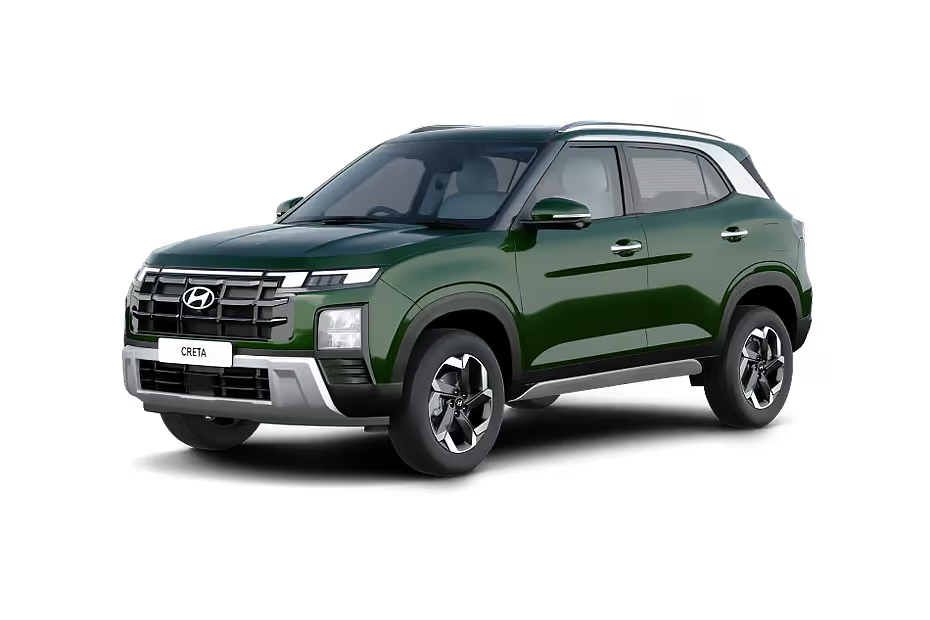
Hyundai Creta
10.91 Lakh*

2026-07-04

Let's get straight to the numbers, because they tell the story better than any headline can.
Hyundai Creta sold just 7,168 units in June 2026. A year earlier, in June 2025, it sold 15,786 units. That's a drop of 54.59% year-on-year. And compared to May 2026, when Creta moved 15,235 units, June's number is down 52.95% month-on-month.
So yes, roughly half the Creta's usual sales just disappeared in one month. But here's the catch: it wasn't buyers losing interest. It was a fire.
| June 2026 Creta sales | 7,168 units |
| YoY decline | 54.59% |
| MoM decline | 52.95% |
| Production loss | ~13,900 vehicles |
| Production normalised | June 22, 2026 |
| Recovery expected | Q2 FY27 |
On May 31, 2026, a fire broke out at a Mobis India facility near Chennai, one of Hyundai's key component suppliers. Mobis supplies critical parts, things like airbags and electronic modules, that Hyundai can't easily source elsewhere overnight.
Hyundai disclosed the incident to stock exchanges on June 1. At first, the company said it expected only a brief disruption. But as component shortages dragged on, the impact on Creta production turned out to be bigger than anyone initially expected.
By mid-June, Hyundai confirmed it had arranged alternate sourcing and pushed to get its Chennai Plant 1 back on track. Production returned to normal across all facilities from June 22, roughly three weeks after the fire.
By the company's own account, the disruption cost it about 13,900 vehicles worth of production. Hyundai's management has said it expects to recover most of that lost output during the current quarter, Q2 of FY27, now that manufacturing is back to full pace.
Hyundai's MD and CEO, Tarun Garg, addressed the June results directly, tying them back to the disclosures the company had already made to stock exchanges on June 1 and June 10. He confirmed Hyundai's total sales for the month, exports included, came to 51,335 units, split between 39,635 domestic and 11,700 export units, even with the production loss factored in. Garg said the company had "taken all necessary steps to ensure production normalcy," pointing to the alternate sourcing arrangements Hyundai had lined up. He confirmed production had returned to normal across all facilities from June 22, and reiterated that Hyundai expects to make up the shortfall within Q2 of FY26-27.
Hyundai's overall domestic sales for June 2026 came in at 39,635 units, down from 44,024 units a year earlier. That's roughly a 10% year-on-year dip for the company as a whole.
Now compare that to Creta's 54.59% fall. See the gap? Hyundai's total business slowed down by about a tenth. Creta, on its own, lost more than half its usual volume. That tells you the fire hit one model far harder than it hit the brand overall, which makes sense once you know Creta alone normally makes up close to a third of Hyundai's monthly dispatches.
The decline, in short, was largely production-led. Not a demand problem. Once you understand that, the rest of the story falls into place pretty quickly.
| Period | Creta Sales |
|---|---|
| June 2025 | 15,786 |
| May 2026 | 15,235 |
| June 2026 | 7,168 |
Looking at it laid out like this, the June number just looks out of place. Everything before it sits comfortably in the 15,000-plus range. Then it falls off a cliff.
For the first time in a long while, Creta didn't feature among India's top 10 best-selling passenger vehicles for the month. That's a big deal for a car that's dominated the segment for years.
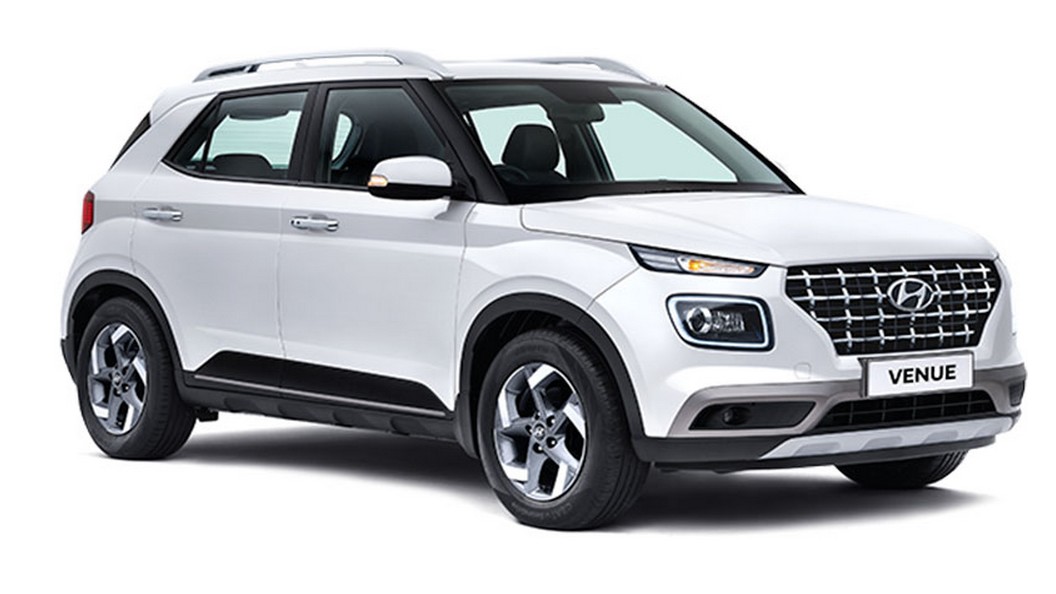
Its own stablemate picked up some of the slack. The Hyundai Venue sold 10,776 units in June and slotted into the top 10 in Creta's place, even though Venue itself was down slightly from May.
Meanwhile, Creta's usual rivals didn't sit still. The Kia Seltos, Toyota Urban Cruiser Hyryder, Maruti Suzuki Grand Vitara, Volkswagen Taigun, Škoda Kushaq, and MG Astor all continued competing for the same buyers Creta would normally have locked up. Whether any of them gained lasting ground from this one month remains to be seen, but they certainly had a wider window than usual.
None of this changes what makes the Creta popular in the first place. It's still priced from around ₹10.91 lakh (ex-showroom), sitting right at the sweet spot for buyers who want a mid-size SUV without stretching too far. Multiple engine options and a long feature list have kept it relevant even through a rough month.
And zoom out a bit further, and the picture gets even clearer. Hyundai sold over 2.02 lakh Cretas in FY26, making it the best-selling mid-size SUV in the country for the year. One bad month doesn't erase that kind of track record overnight.
Honestly, if you've already booked a Creta, don't panic, but do check in with your dealer. Delivery timelines might shift depending on variant, colour, and how much stock your specific dealership got in June.
A few questions worth asking before you commit to a booking right now:
These take a couple of minutes to ask and can save you weeks of back-and-forth later.
This whole episode is a reminder of just how tightly wound modern car manufacturing really is. One fire, at one supplier, in one city, and suddenly a car that usually sells 15,000-plus units a month drops to under half that number.
We've seen this pattern before, during the global chip shortage a few years back, several automakers reported weaker dispatch numbers despite plenty of buyers still waiting in line. The bottleneck wasn't demand. It was simply not being able to build enough cars fast enough.
The same logic applies here. Hyundai wasn't short on buyers in June. It was short on parts.
With production back to normal since June 22 and alternate sourcing arrangements now in place, the real question is how fast Hyundai can work through that 13,900-unit shortfall. The company has pointed to Q2 FY27 as its recovery window, and dealership inventories should start filling back up as that plays out.
Interestingly, Hyundai isn't slowing down on other fronts either. The Hyundai Ioniq 5 2026 launch went ahead as planned during this same stretch, which shows the supplier fire was a Creta-specific production problem, not a company-wide slowdown.
So if you're tracking this story, keep an eye on July and August numbers rather than reading too much into June alone. A single month rarely tells the whole story, and this one, more than most, needs the fuller picture to make sense.