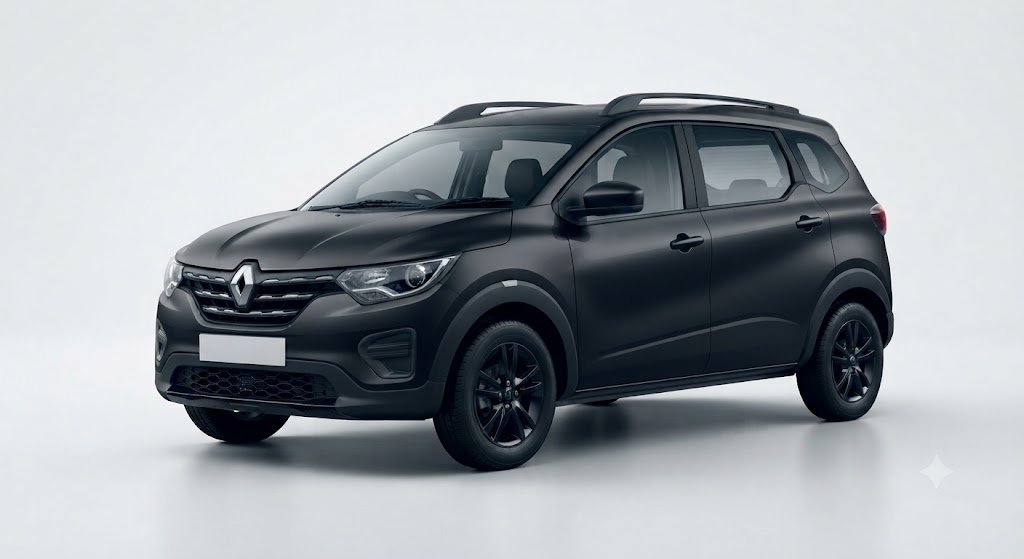
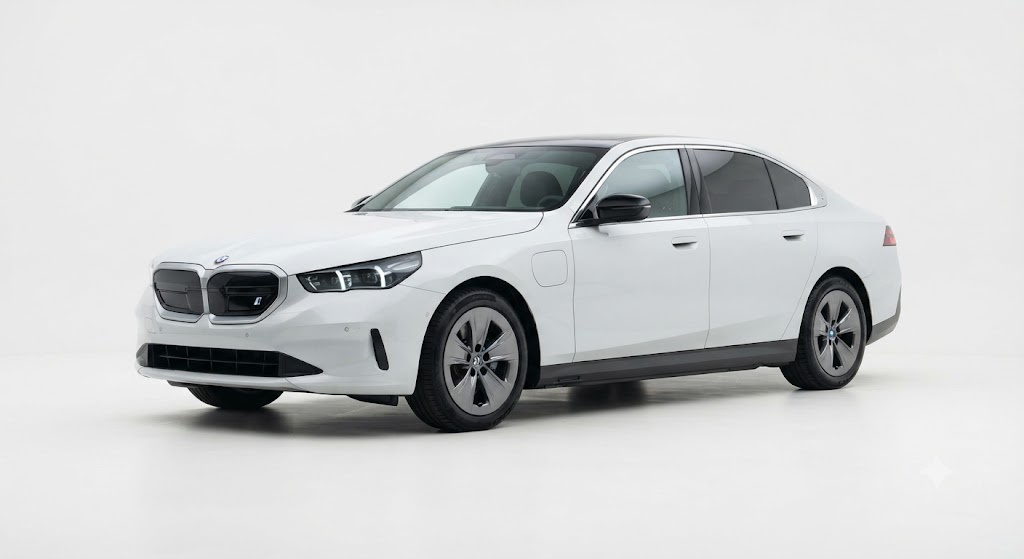
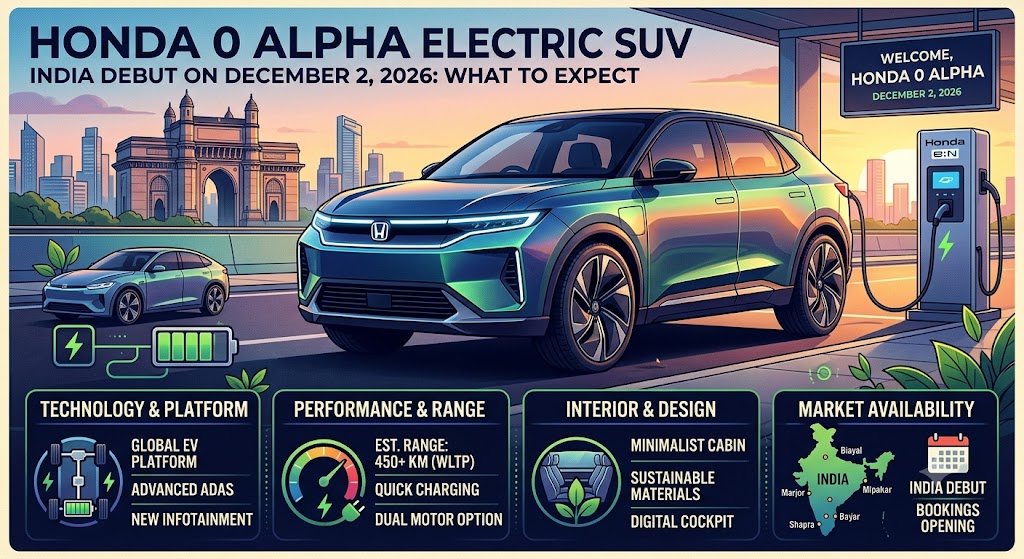
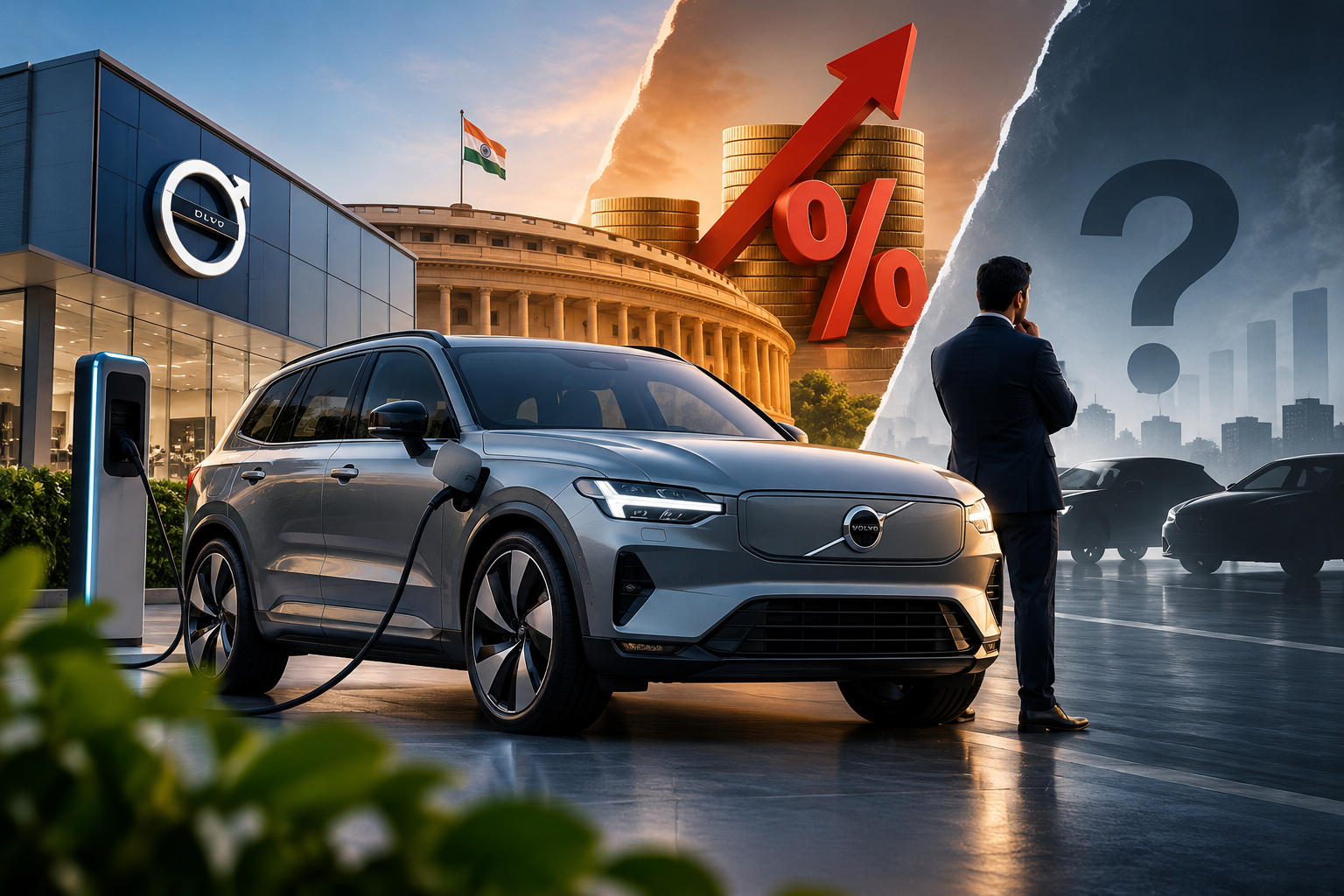
As the calendar turns to 2026, Indian car buyers are likely to pay more for new vehicles as automakers across the country announce price increases to offset inflationary pressures and rising input costs.
Why Prices Are Going Up
The automobile industry is facing significant cost pressures from multiple fronts. Key raw materials such as copper, aluminium, and precious metals like palladium and rhodium have seen sharp price increases recently, pushing up production costs for manufacturers. Additionally, a weaker rupee against the dollar and euro has further amplified input-cost inflation, particularly for components and materials that are imported.
Industry executives note that this is the first round of broader price hikes since a reduction in the Goods and Services Tax (GST) on certain vehicles was implemented in September 2025. Despite strong demand and a healthy booking pipeline heading into the new year, companies argue that they must adjust prices to maintain margins.
What the Hikes Look Like
Several major carmakers have already signalled pricing adjustments effective from January 1, 2026:
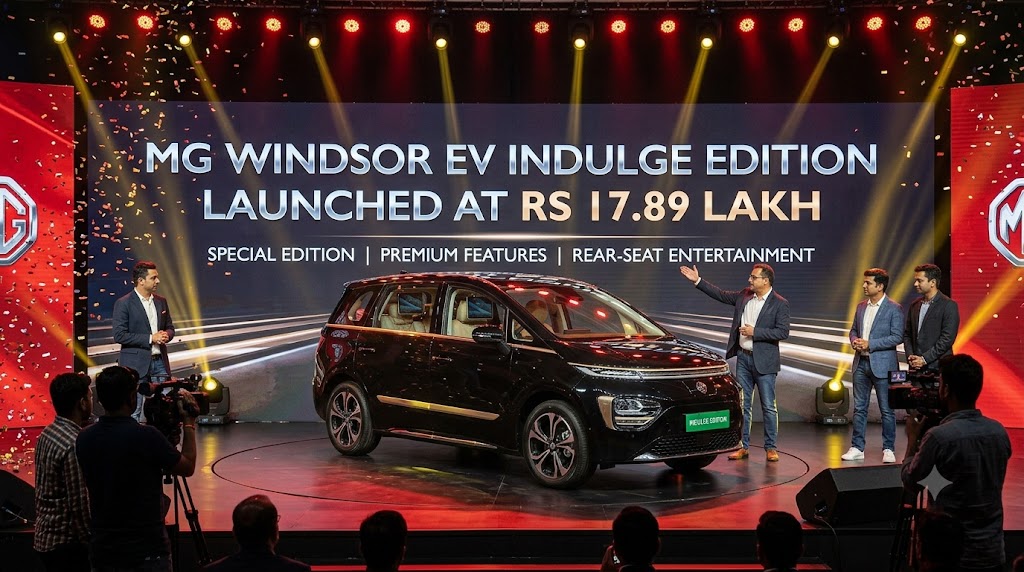
- JSW MG Motor India confirmed a price increase of up to 2% across its model lineup, citing rising input and macroeconomic costs.
- Mercedes-Benz India has announced price adjustments capped at around 2% for its vehicles, attributing the move to sustained forex pressures and elevated commodity prices.
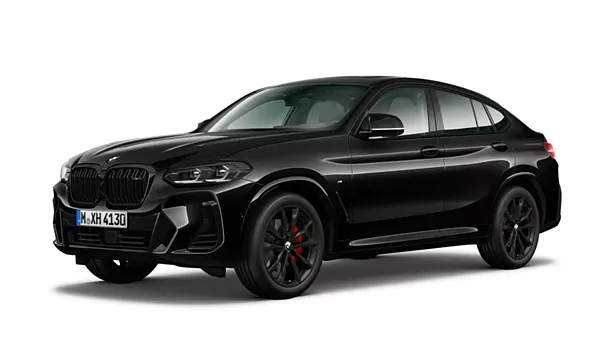
- BMW and other manufacturers are also engaging in selective price corrections for various models.
Industry analysts estimate that across the broader market, price rises could reach around 3% for some passenger vehicles as manufacturers recalibrate their pricing strategies in light of persistent inflation and logistics costs.
Broader Impact of Cost Inflation
The decision to pass on costs to consumers comes amid an auto industry that is still growing, supported by robust demand and government policies that have helped sustain sales momentum. Expectations for 2026 point to a continuation of growth in the range of 6–8%, driven by strong urban demand, improved financing options, and incentives in key segments.
However, rising compliance costs to meet future regulatory standards — including upcoming fuel efficiency and safety norms — could also keep pressure on manufacturers, potentially leading to additional price adjustments later in the year.
What It Means for Buyers
For potential car buyers, this trend suggests that delaying purchases into 2026 could mean paying more compared to prices in late 2025. Those planning to buy early in the New Year may face higher sticker prices, particularly as the industry standard practice is to implement price changes in January.
In summary, while the Indian auto market continues to show resilience and growth, cost inflation and exchange rate pressures are translating into higher vehicle prices — a factor that consumers should carefully consider in their buying decisions as the New Year begins.
 Ishita Sharma 2025-12-23