Beginner's Guide to Car Maintenance -
Car maintenance is essential for keeping your vehicle running smoothly and safely. While it may seem intimidating, especially for new drivers, basic maintenance tasks are relatively straightforward with a little guidance. This beginner's guide provides simple tips that every driver can follow to take better care of their vehicle.
-
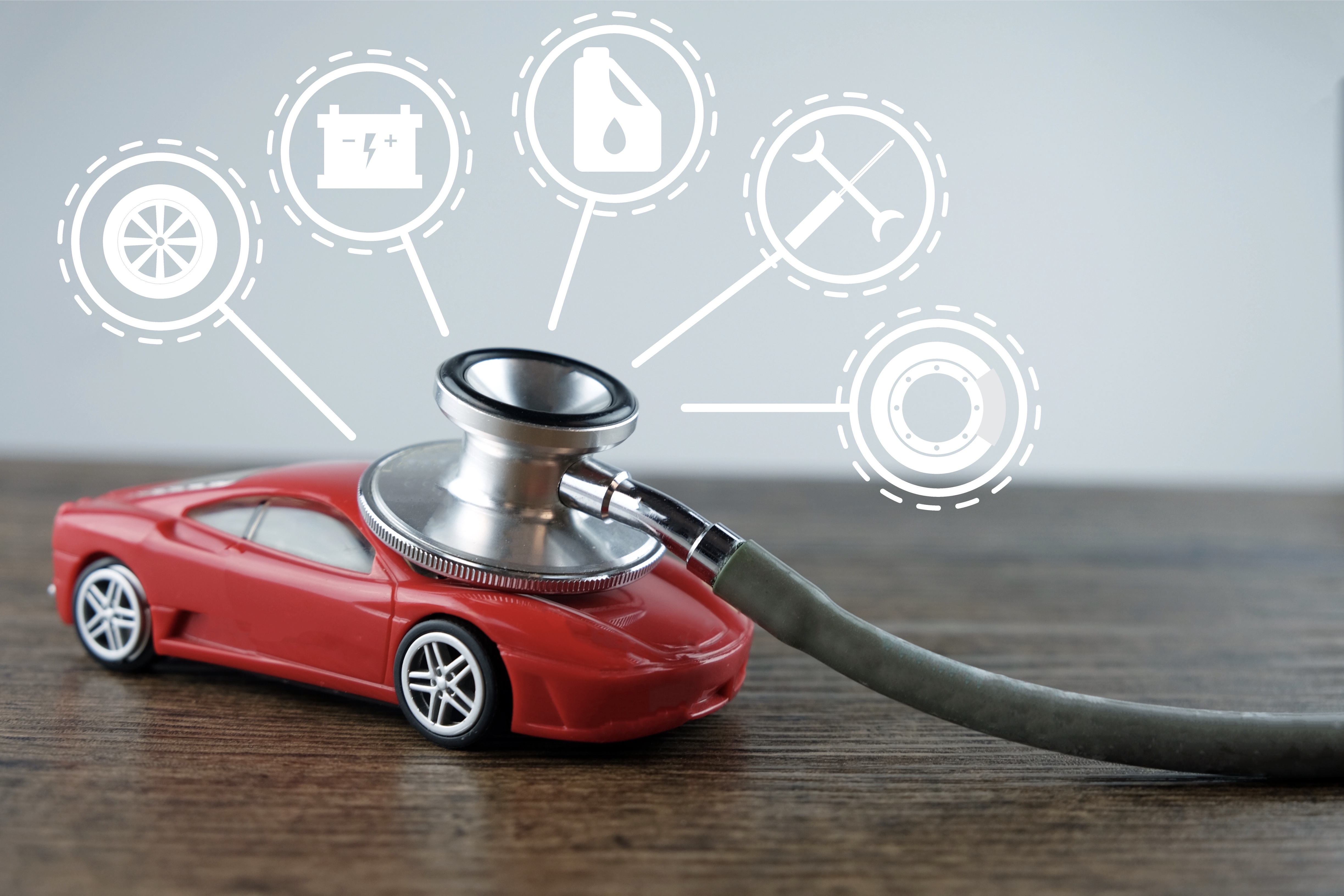
Regularly Check Fluid Levels: Your car relies on various fluids to operate efficiently. These include engine oil, coolant, brake fluid, and windshield washer fluid. Make it a habit to check these fluid levels regularly, especially before long drives. Low fluid levels can lead to engine damage or brake failure, so topping them up when necessary is crucial.
-
Monitor Tyre Pressure and Tread Depth: Proper tire maintenance is essential for safety and fuel efficiency. Use a tyre pressure gauge to check the pressure of each tyre at least once a month, including the spare. Refer to your vehicle's manual or the sticker on the driver's side door jamb for the recommended pressure. Additionally, inspect the tread depth regularly and replace tyres if they are worn down to the wear bars or have uneven wear patterns.
-
Change the Oil and Oil Filter: Engine oil lubricates moving parts and helps keep the engine clean. Regular oil changes are vital for prolonging the life of your engine. Refer to your vehicle's manual for the recommended oil change interval and type of oil to use. You can either change the oil yourself or take your car to a trusted mechanic for service.
-
Inspect and Replace Air Filters: The air filter prevents dirt, dust, and debris from entering the engine. Over time, it can become clogged, affecting engine performance and fuel efficiency. Check the air filter regularly and replace it if it's dirty or damaged. This simple task can improve engine performance and prolong its lifespan.
-
Inspect and Replace Wiper Blades: Clear visibility is essential for safe driving, especially during inclement weather. Inspect your wiper blades regularly for signs of wear or damage, such as streaking or squeaking. Replace them if necessary to ensure clear visibility and safe driving in all conditions.
-
Check and Replace Spark Plugs: Spark plugs ignite the air-fuel mixture in the engine's cylinders, powering your car. Over time, spark plugs can become fouled or worn out, leading to poor engine performance and reduced fuel efficiency. Check your spark plugs according to your vehicle's maintenance schedule and replace them if needed.
-
Keep the Battery Clean and Secure: The battery provides electrical power to start the engine and operate accessories when the engine is off. Check the battery terminals regularly for corrosion and clean them if necessary. Ensure that the battery is securely mounted to prevent damage from vibration or movement while driving.
-
Follow the Maintenance Schedule: Every vehicle comes with a manufacturer-recommended maintenance schedule outlining when specific tasks should be performed. Familiarize yourself with this schedule and follow it diligently to keep your car in top condition. Adhering to the maintenance schedule can help prevent costly repairs and ensure that your car performs reliably for years to come.
By following these simple tips, even novice drivers can take better care of their vehicles and enjoy a safer and more enjoyable driving experience. Remember that regular maintenance not only prolongs the life of your car but also helps maintain its resale value. With a little effort and attention to detail, you can keep your car running smoothly for miles to come.