Biggest Myths About Electric Cars
Electric cars (EVs) are becoming more common worldwide, but many misconceptions still stop people from considering them. Some myths are outdated, while others are simply incorrect. This article debunks the biggest myths about electric cars using clear explanations, facts, and comparison tables.
Myth 1: Electric Cars Don’t Have Enough Range

The Myth
Electric cars can’t travel far and are only suitable for short city trips.
EV Cars Reality
Modern electric cars offer 200–400+ miles of range on a single charge, which is more than enough for daily driving and even long trips.
How Long Do Electric Car Batteries Last
Average Daily Driving vs EV Range
|
Category
|
Distance
|
|
Average daily driving (most drivers)
|
30–40 miles
|
|
Typical modern EV range
|
250–350 miles
|
|
Long-range EVs
|
400+ miles
|
Fact: Most drivers use less than 15% of an EV’s battery per day.
TATA Punch EV Price
Myth 2: Electric Cars Take Too Long to Charge

The Myth
Charging an electric car takes hours and is inconvenient.
The Reality
Charging time depends on the charger type. Most charging happens overnight at home, similar to charging a phone.
Charging Time Comparison
|
Charging Type
|
Time to Add ~200 Miles
|
|
Home charger (Level 2)
|
6–8 hours
|
|
DC fast charger
|
20–30 minutes
|
|
Gas car refueling
|
5 minutes
|
Fact: Many EVs can charge from 10% to 80% in under 30 minutes using fast chargers.
14 Tips to Buy a New Car and Mistakes to Avoid in 2026
Myth 3: Electric Cars Are More Expensive Than Gas Cars
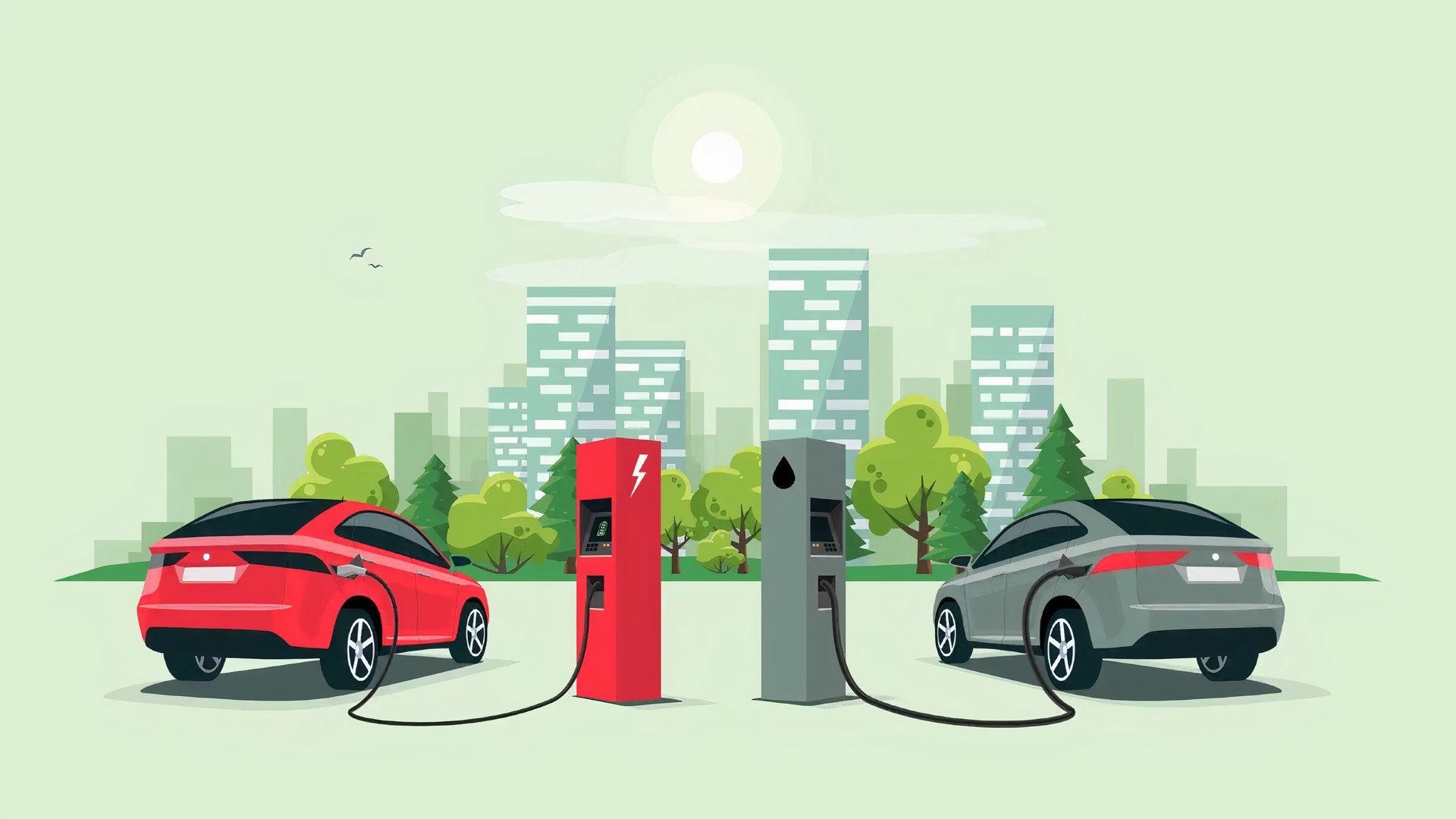
The Myth
EVs cost much more than gasoline cars.
The Reality
While some EVs have higher upfront prices, total ownership cost is often lower due to fuel and maintenance savings.
TATA Curvv EV Price
Cost Comparison Over 5 Years
|
Expense Type
|
Gas Car
|
Electric Car
|
|
Fuel / Electricity
|
High
|
Low
|
|
Maintenance
|
High
|
Low
|
|
Oil changes
|
Required
|
Not needed
|
|
Total cost (average)
|
Higher
|
Lower
|
Fact: EV owners can save thousands of dollars over the life of the vehicle.
Mahindra BE 6 Price
Myth 4: Electric Cars Are Worse for the Environment

The Myth
EVs pollute more than gas cars because of battery production.
The Reality
While battery production does create emissions, EVs produce far fewer emissions over their lifetime.
Lifetime Emissions Comparison
|
Vehicle Type
|
Lifetime Emissions
|
|
Gasoline car
|
High
|
|
Hybrid car
|
Medium
|
|
Electric car
|
Lowest
|
Fact: Even when powered by fossil-fuel electricity, EVs are cleaner than gas cars over time.
Mahindra XEV 9 Price
Myth 5: Electric Car Batteries Don’t Last Long
The Myth
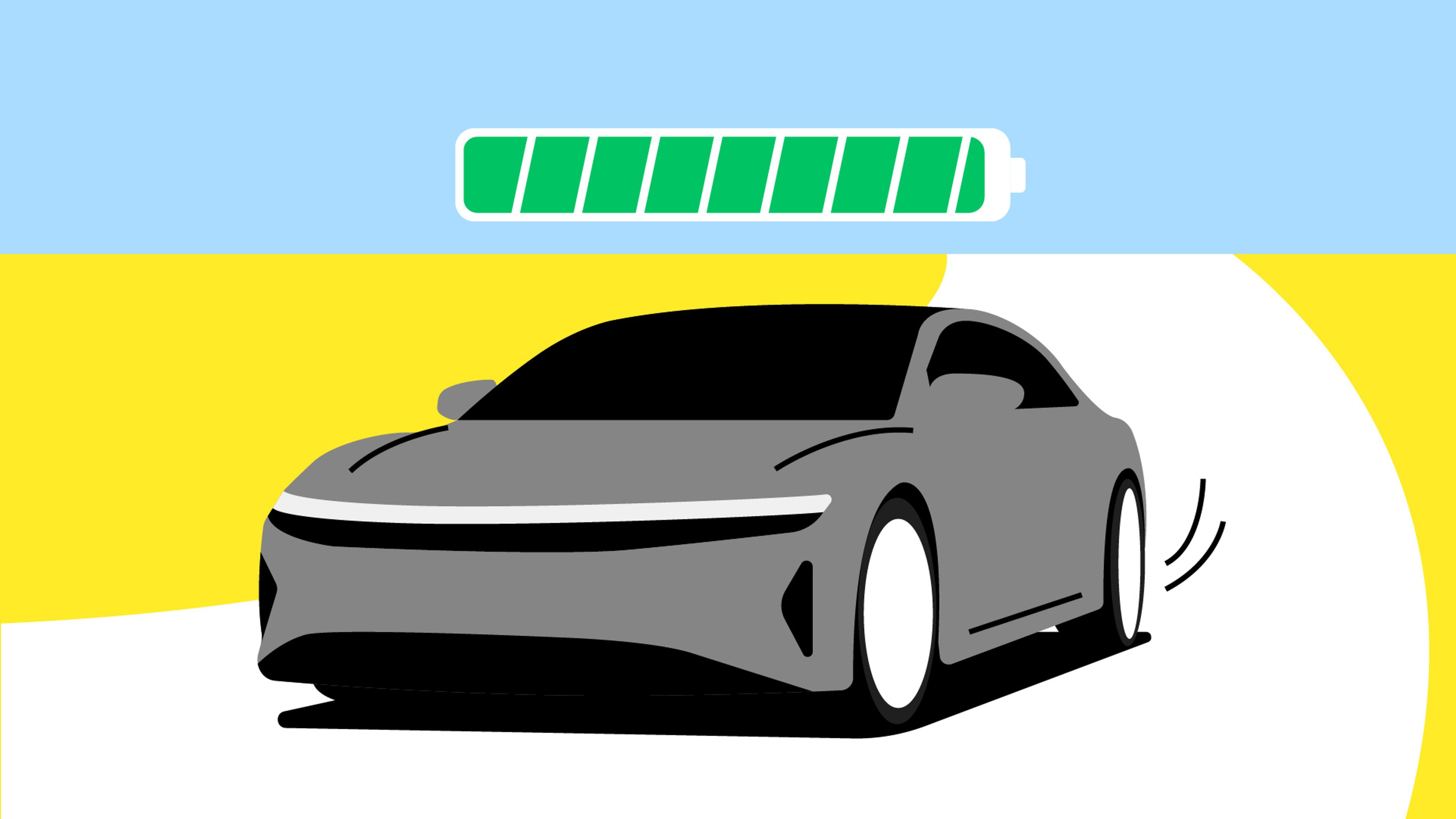
EV batteries fail after a few years and are expensive to replace.
The Reality
Most EV batteries last 8–15 years or more and come with long warranties.
Battery Lifespan Facts
|
Feature
|
Typical Value
|
|
Battery lifespan
|
8–15+ years
|
|
Manufacturer warranty
|
8–10 years
|
|
Capacity after 8 years
|
~75–85%
|
Fact: Battery replacement is rarely needed during normal ownership.
Myth 6: Electric Cars Are Slow and Not Fun to Drive
The Myth
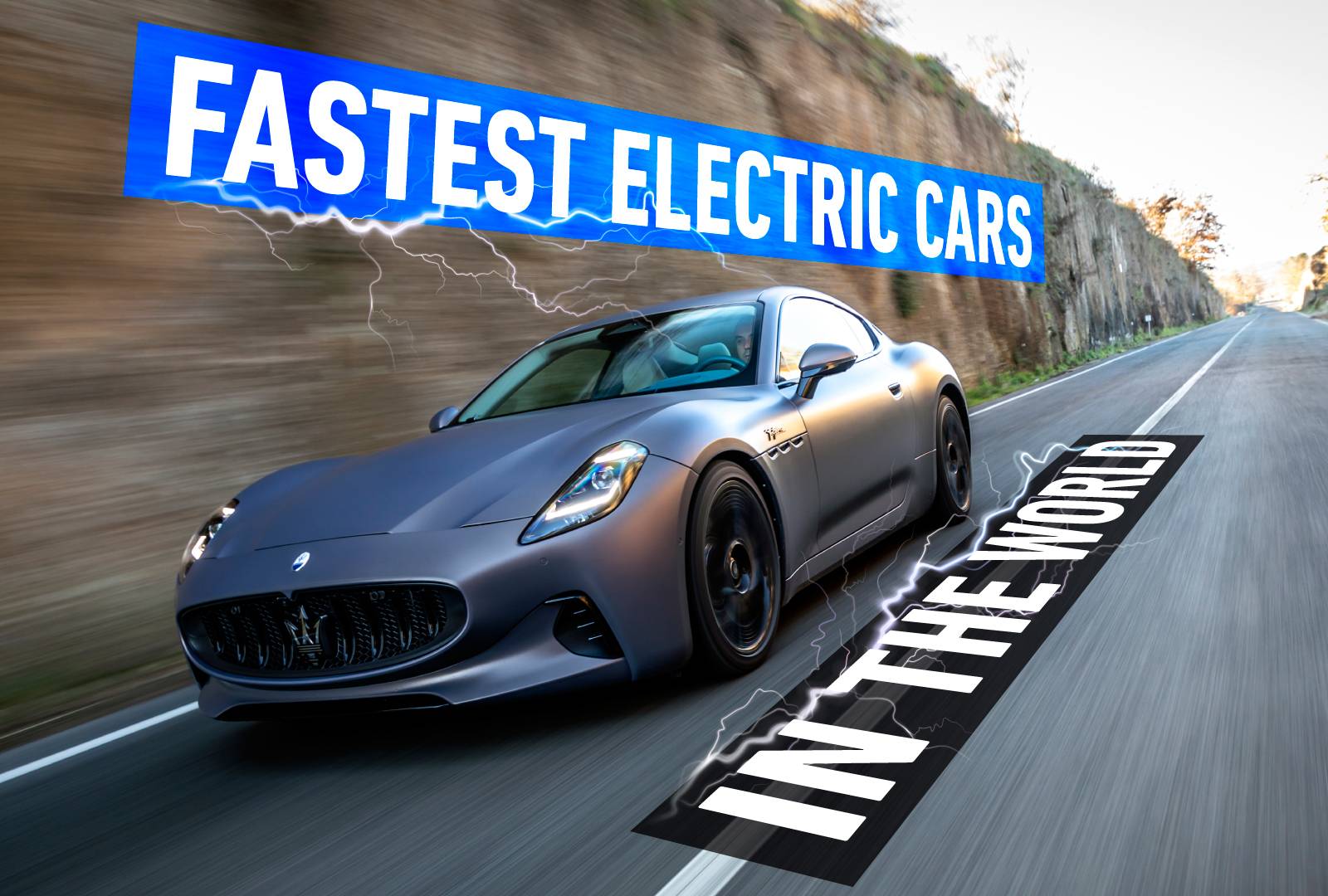
EVs are boring and lack power.
The Reality
Electric motors provide instant torque, making EVs quick and smooth.
TATA Tiago EV Price
Acceleration Comparison (0–60 mph)
|
Vehicle Type
|
Average Time
|
|
Economy gas car
|
8–10 seconds
|
|
Electric car
|
3–6 seconds
|
|
Performance EV
|
Under 3 seconds
|
Fact: Many electric cars are faster than sports cars.
Myth 7: There Aren’t Enough Charging Stations

The Myth
Charging stations are too rare to rely on.
The Reality
Charging infrastructure is growing rapidly, and most charging happens at home.
Hyundai Creata EV Price
Where EVs Are Usually Charged
|
Location
|
Percentage
|
|
Home
|
~80%
|
|
Workplace
|
~10%
|
|
Public chargers
|
~10%
|
Fact: Home charging removes the need for frequent public charging.
Myth 8: Electric Cars Don’t Work Well in Cold Weather
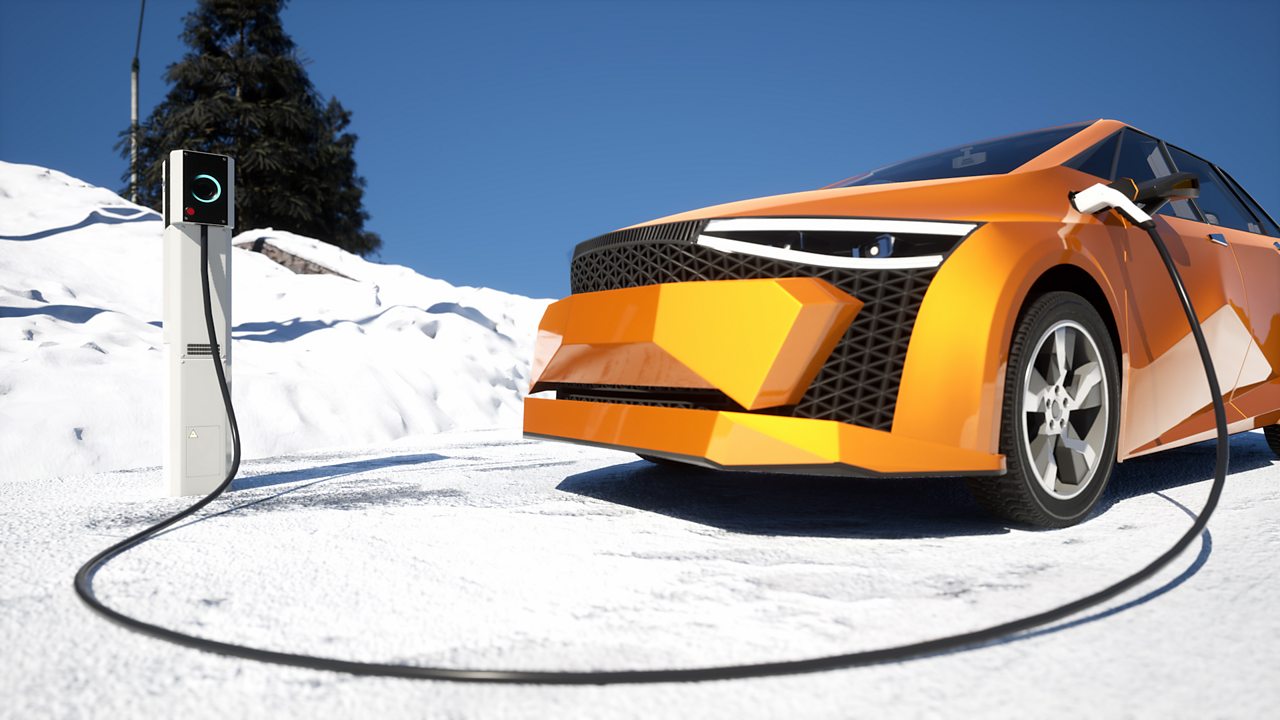
The Myth
EVs stop working in winter.
The Reality
Cold weather can reduce range, but EVs still function reliably.
|
Condition
|
Impact
|
|
Cold temperatures
|
Reduced range
|
|
Heated batteries
|
Improved performance
|
|
Preconditioning
|
Minimizes range loss
|
Fact: Gas cars also lose efficiency in cold weather.
BMW iX1 Price
Key Facts About Electric Cars
- EVs have fewer moving parts, reducing maintenance
- No oil changes, spark plugs, or exhaust systems
- Electricity is generally cheaper than gasoline
- EV technology continues to improve every year
Many myths about electric cars are based on outdated information or misunderstandings. In reality, EVs offer long range, low costs, strong performance, and environmental benefits. As technology advances and charging networks expand, electric cars are becoming a practical and smart choice for more drivers every year.

 Ishita Sharma 2026-02-02