January 2026 Car Sales
The Indian passenger vehicle market kicked off 2026 with robust growth, registering strong year-on-year sales across most manufacturers. Amid this positive momentum, Tata Motors climbed back into second place in the January 2026 car sales rankings — a notable rise from its third-place position in the same month last year.
|
Carmaker
|
January 2026 sales
|
YoY change (%)
|
|
Maruti Suzuki
|
1,74,529 units
|
0.54
|
|
Tata Motors
|
70,222 units
|
46.06
|
|
Mahindra
|
63,510 units
|
25.37
|
|
Hyundai
|
59,107 units
|
9.45
|
|
Toyota
|
30,630 units
|
17.01
|
|
Kia
|
27,603 units
|
10.3
|
|
Honda
|
6,193 units
|
-15.45
|
|
Skoda
|
5,739 units
|
38.86
|
|
JSW MG Motor
|
4,843 units
|
8.71
|
|
Renault
|
3,715 units
|
33.63
|
|
Volkswagen
|
2,710 units
|
-18.96
|
|
Nissan
|
2,502 units
|
4.08
|
Maruti Suzuki
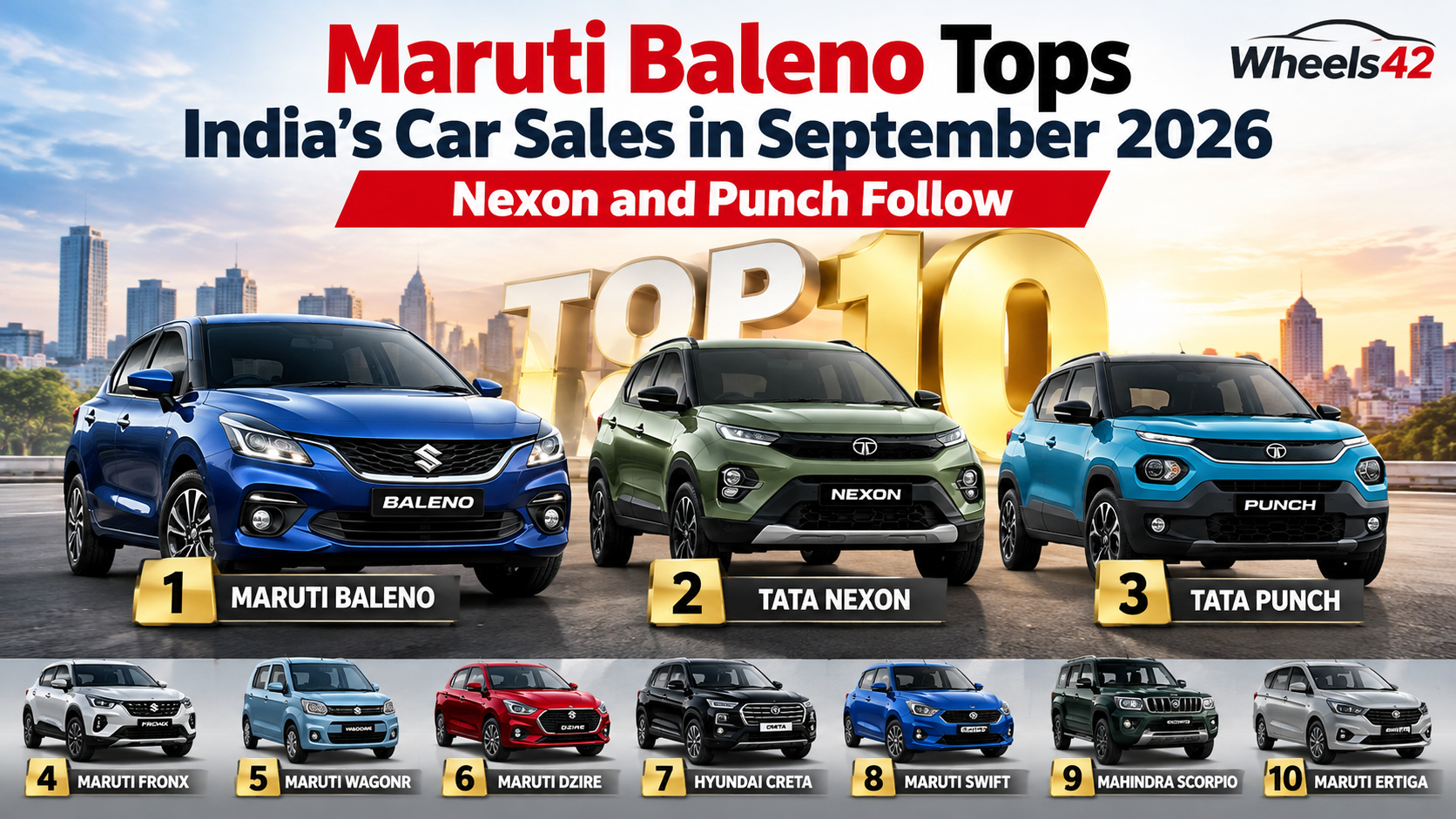
Maruti Suzuki remained the undisputed market leader in January 2026 with sales of 1,74,529 units. However, its 0.54% year-on-year growth indicates a largely flat performance compared to last year. While demand for models like the Swift, Baleno, and WagonR remained steady, Maruti’s growth lagged behind rivals that are benefitting more from the SUV and EV boom.
Tata Motors
Tata Motors emerged as the biggest gainer among mainstream manufacturers, selling 70,222 units, marking a massive 46.06% YoY growth. Strong demand for the Nexon, Punch, and Tiago, along with rising electric vehicle sales, played a key role in this surge. This strong performance helped Tata reclaim second place in the overall sales rankings.
Mahindra
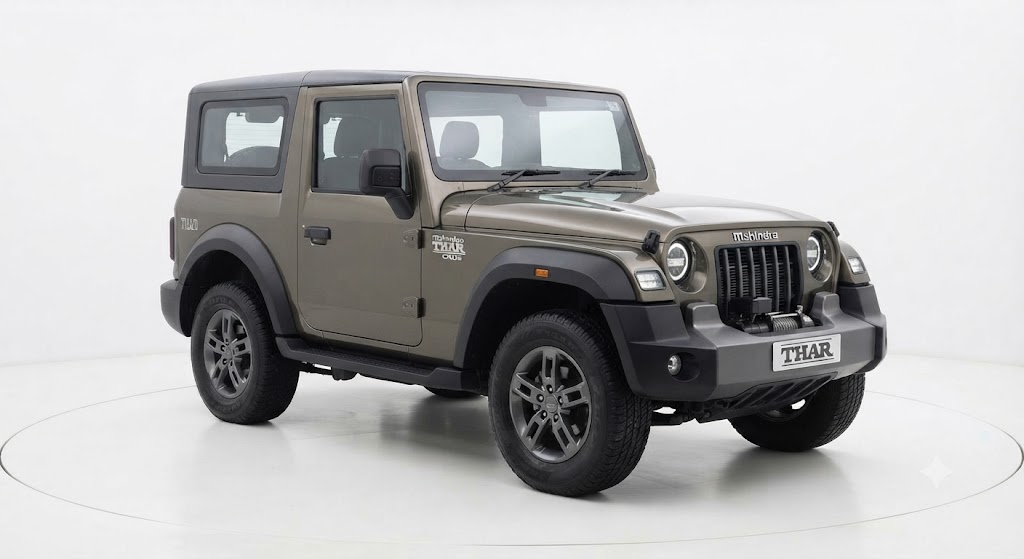
Mahindra reported 63,510 units sold in January 2026, registering a solid 25.37% year-on-year increase. The growth was largely driven by sustained demand for SUVs such as the Scorpio-N, Thar, and XUV700, reinforcing Mahindra’s strength in the utility vehicle segment.
Hyundai
Hyundai recorded 59,107 units in January, achieving a 9.45% YoY growth. While models like the Creta, Venue, and Exter continued to contribute strongly, Hyundai’s growth remained moderate compared to Tata and Mahindra, reflecting intensifying competition in the compact and mid-size SUV space.
Toyota
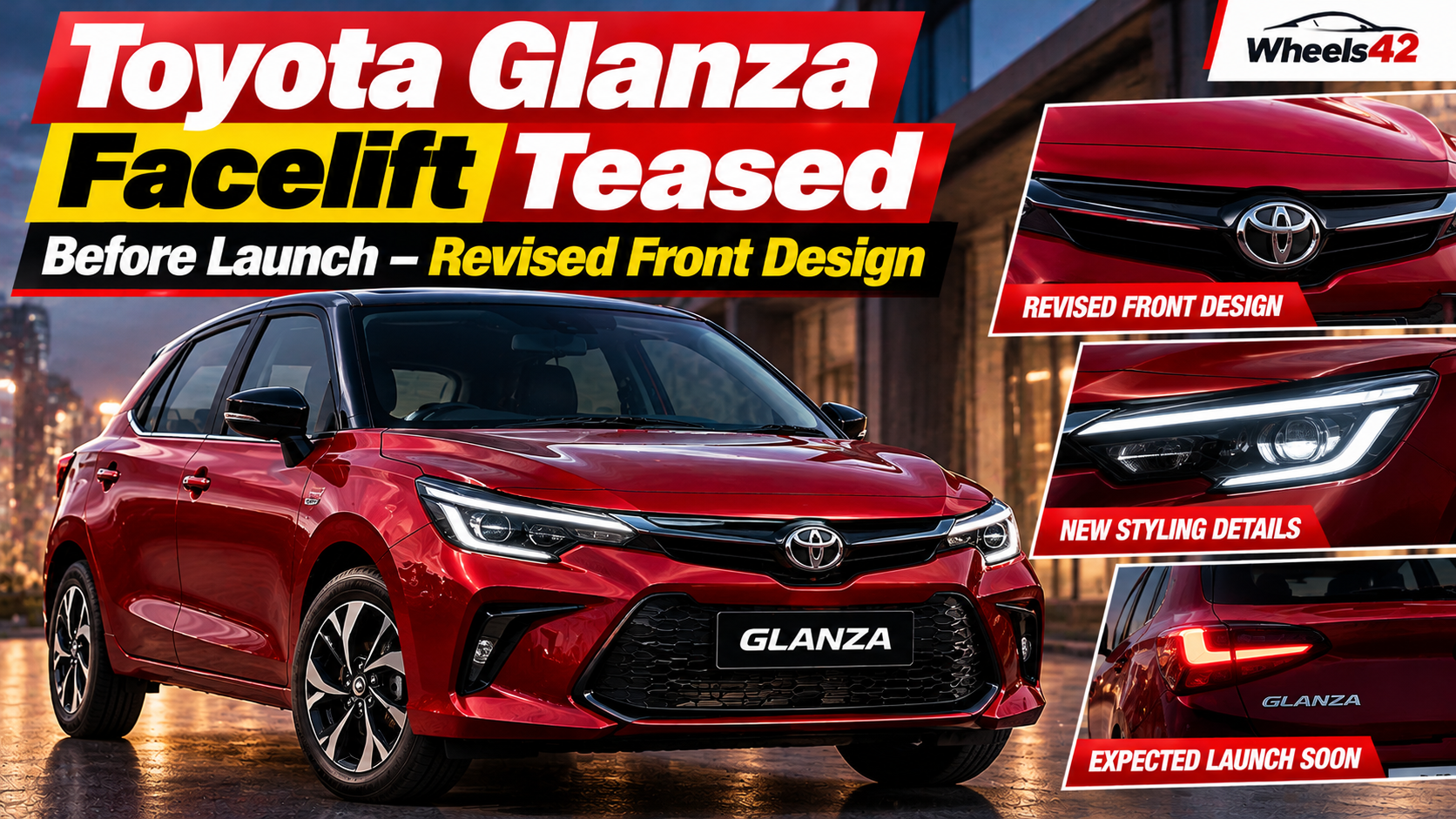
Toyota sold 30,630 units, posting a healthy 17.01% year-on-year growth. The brand benefited from strong demand for models such as the Innova Hycross, Fortuner, and Glanza, along with continued interest in hybrid technology, which has become a key differentiator for Toyota in India.
Kia
Kia registered sales of 27,603 units, reflecting a 10.3% YoY increase. Consistent demand for the Sonet, Seltos, and Carens supported the brand’s steady growth, although the pace was slower compared to some domestic rivals.
Honda
Honda’s sales declined to 6,193 units, recording a 15.45% year-on-year drop. Despite the popularity of the City and Amaze, the lack of new launches and a limited SUV portfolio continued to impact Honda’s performance in a market increasingly driven by SUVs.
Skoda
Skoda posted impressive growth, selling 5,739 units, up 38.86% YoY. The surge was driven mainly by strong demand for the Kushaq and Slavia, indicating improved brand traction and better acceptance of Skoda’s India-specific product strategy.
JSW MG Motor
JSW MG Motor reported 4,843 units sold in January, reflecting an 8.71% year-on-year growth. Sales were supported by the Hector range and the ZS EV, with electric models continuing to play an increasingly important role in the brand’s portfolio.
Renault
Renault recorded sales of 3,715 units, registering a notable 33.63% YoY growth. The increase was largely driven by sustained demand for the Kwid, particularly in the entry-level hatchback segment, despite the brand’s limited lineup.
Volkswagen
Volkswagen saw a decline in sales, delivering 2,710 units, down 18.96% year on year. While models like the Virtus and Taigun remained popular among enthusiasts, overall volumes were impacted by stiff competition and fewer mass-market offerings.
Nissan
Nissan sold 2,502 units in January 2026, recording a modest 4.08% YoY growth. The brand continued to rely heavily on the Magnite, which helped maintain stable volumes despite limited new product activity.
What This Means for the Rest of 2026
Tata Motors’ second-place finish in January signals a renewed competitive dynamic in the passenger car market. With SUVs and EVs continuing to attract buyers, the company’s diverse product portfolio has positioned it well for the months ahead. Mahindra, Hyundai, and other manufacturers will likely intensify their efforts with new launches and refreshed models to regain lost ground.
 Ishita Sharma 2026-02-04













_11zon.webp)
