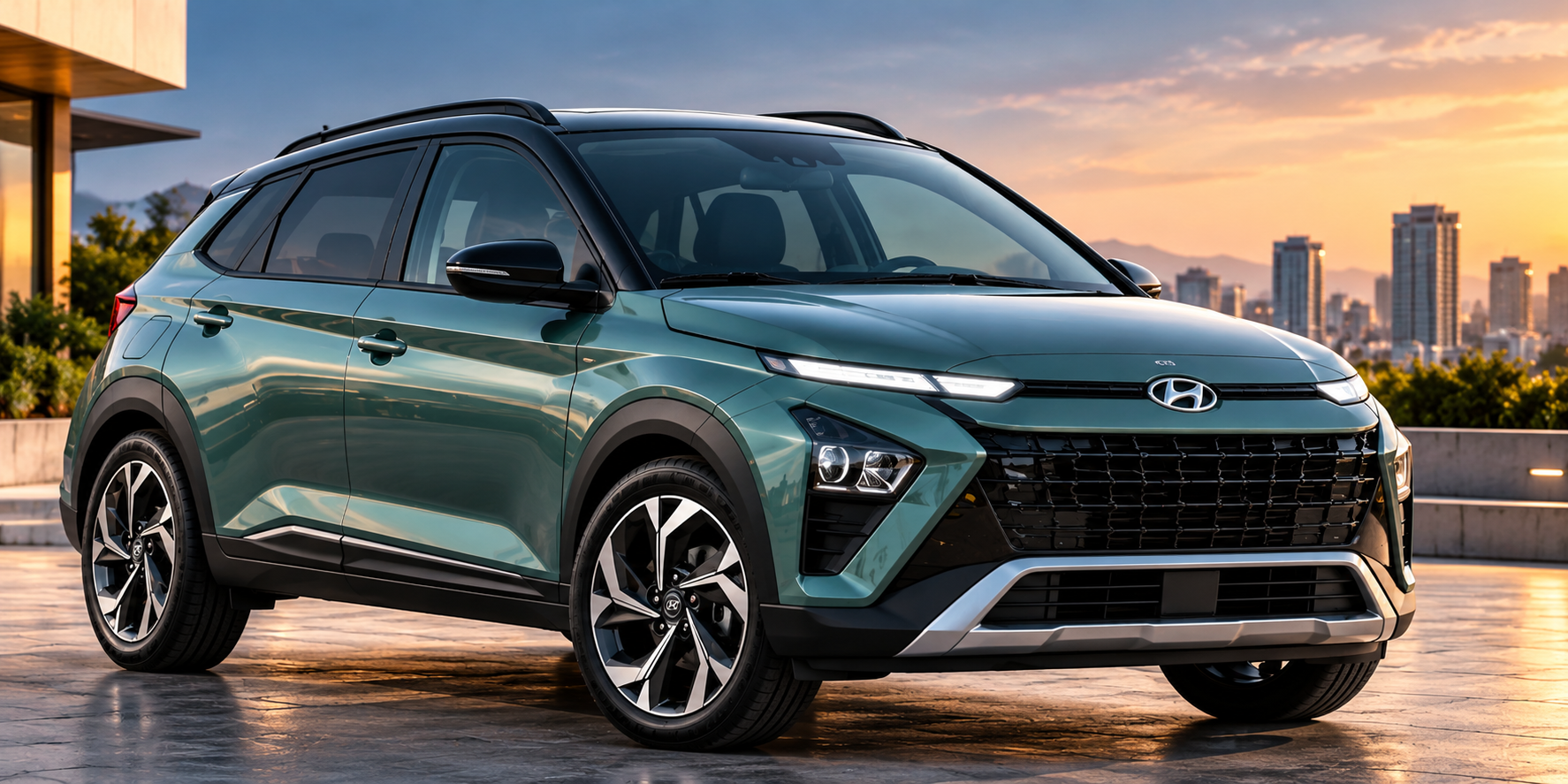
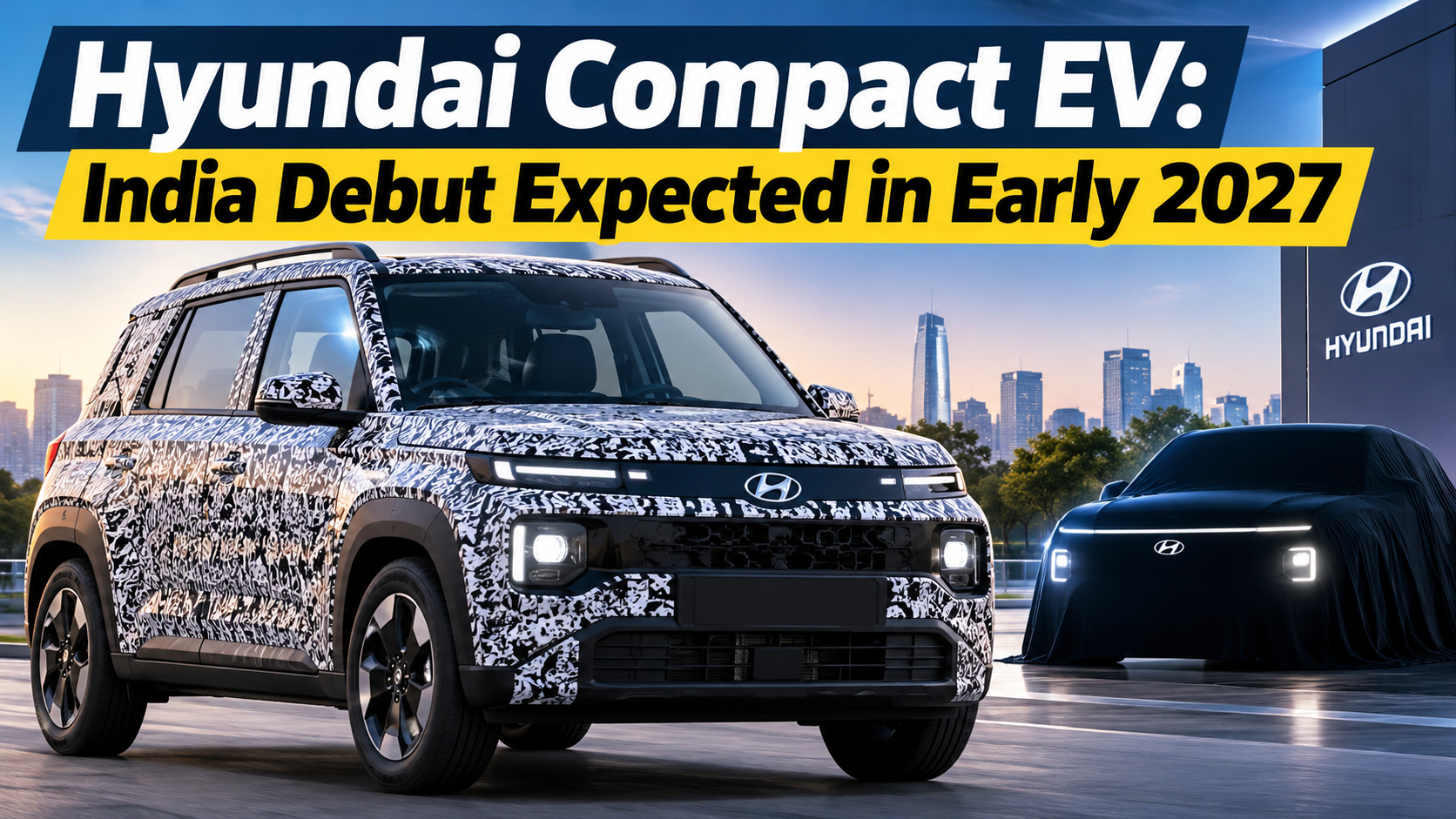
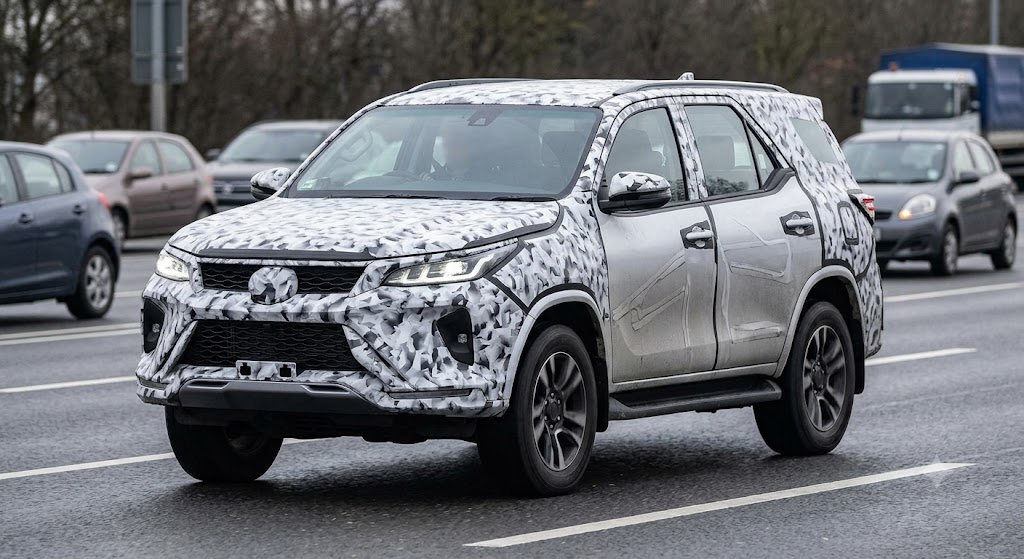
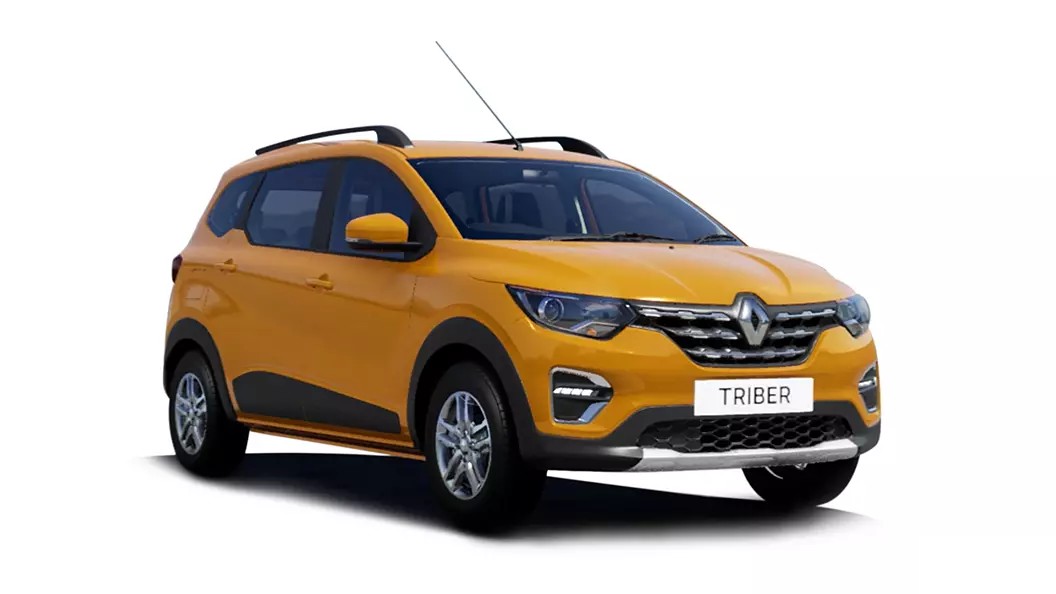
The Hyundai Bayon is attracting attention following the emergence of its first real-world images, which offer a closer look at the compact crossover's styling outside a studio setting. With its distinctive front-end design, sculpted bodywork and contemporary lighting elements, the Bayon presents a sharp appearance that fits Hyundai's evolving design direction.
The Bayon is a compact crossover developed primarily for international markets, particularly Europe. Its design focuses on urban usability, practical proportions and modern styling. However, the appearance of real-world images does not by itself confirm an Indian launch, local specifications or a sales timeline.
Exterior Design: A More Confident Crossover Appearance

The new Bayon's styling is one of its most noticeable highlights. Its upright stance, bold body surfaces and carefully shaped lighting elements give it a stronger road presence than a conventional small hatchback cars.
The front design follows Hyundai's modern SUV cars styling language, with a wide visual footprint and distinctive daytime running lights. The sculpted bonnet and angular bumper details add to its sporty appearance, while the compact dimensions should help maintain manoeuvrability in urban environments.
The side profile combines a rising beltline with prominent wheel arches and crossover-style cladding. At the rear, contemporary lighting elements and a sculpted tailgate help maintain a consistent design theme.
The real-world images are useful because they show how these details come together under natural lighting, rather than relying exclusively on carefully staged promotional photographs.
Hyundai Bayon Interior and Features

The cabin is expected to focus on a combination of practical ergonomics, digital technology and everyday comfort. Hyundai's official European information lists a 10.25-inch central touchscreen on certain configurations, with a 10.25-inch digital instrument display available on selected versions. Equipment varies by trim and market.
Other equipment available on selected European versions includes:
-
Digital instrument cluster
-
Touchscreen infotainment system
-
Smartphone connectivity and USB-C charging
-
Wireless phone charging on selected trims
-
Driver-assistance features
-
Rear parking sensors and a reversing camera on specified versions
These features should not automatically be assumed to apply to every market or the exact vehicle seen in the photographs. Final equipment will depend on the country and variant.
Hyundai Bayon Engine Options and Performance

For the European market, Hyundai's published specifications list turbocharged petrol engines and a hybrid powertrain planned for the range. The exact powertrain availability depends on the version and market.
|
Specification
|
Published European details
|
|
Petrol engine options
|
1.0-litre T-GDi
|
|
Petrol power outputs
|
90 PS and 115 PS
|
|
Transmission options
|
6-speed manual / 7-speed DCT, depending on version
|
|
Hybrid option
|
1.6-litre hybrid, 138 PS listed
|
|
Drivetrain
|
Front-wheel drive
|
|
Maximum listed torque
|
Up to 264.8 Nm, depending on powertrain
|
|
Hybrid availability
|
Planned after the initial petrol versions
|
The combination of compact dimensions and relatively modest engine outputs suggests that the Bayon is intended primarily for everyday driving rather than outright performance. The hybrid option could also appeal to buyers looking for lower fuel consumption, although real-world efficiency will depend on driving conditions and the final vehicle specification.
Hyundai Bayon Dimensions and Practicality
|
Dimension
|
Hyundai Bayon
|
|
Length
|
4,245 mm
|
|
Width
|
1,810 mm
|
|
Wheelbase
|
2,600 mm
|
|
Height
|
1,565–1,570 mm for listed petrol versions
|
|
Boot capacity
|
Up to 440 litres for petrol versions
|
The 2,600 mm wheelbase is intended to support passenger space without making the vehicle excessively large for city driving. Hyundai also lists 440 litres of luggage capacity for petrol versions, making storage space a potentially useful advantage for small families and regular commuters.
Will the Hyundai Bayon Launch in India?
The Hyundai Bayon has primarily been developed for international markets, particularly Europe. Its appearance in real-world images should not be treated as confirmation of an Indian launch.
Hyundai car has not established an India-specific price or sales timeline in the European specifications cited here. Any Indian launch would require confirmation of the intended model, powertrain, features and market positioning.
For Indian buyers, the Bayon could be interesting as a compact SUV-style vehicle, but its prospects would depend on local pricing, equipment and how Hyundai positions it against other models in its lineup.
Hyundai Bayon India Launch, Price and Booking Details
Recent reports indicate that Hyundai has also unveiled an India-spec Bayon, with its market launch scheduled for 26 October 2026. Pre-bookings have reportedly opened with a token amount of ₹11,000.
The Indian version's launch details should be considered separately from the European specifications discussed above. Buyers should wait for the official India-specific price list and final variant-wise equipment details before comparing it with locally available SUVs.

 Khyati Sharma 2026-10-19