BYD Denza Z9 GT
156.8 Lakh*

 Khyati Sharma 2026-11-23

Maruti Suzuki cars India has announced a fresh price increase on selected car models, effective November 22, 2026. The country's largest passenger car manufacturer has decided to increase vehicle prices by an estimated volume-weighted average of 0.31%. The company has taken this decision due to continued cost pressures and rising expenses despite its ongoing efforts to control production costs.
The latest announcement means customers purchasing selected Maruti Suzuki cars may have to pay slightly higher prices. However, the company has not yet revealed the exact model-wise and variant-wise price revisions.
According to the company's regulatory filing, the price adjustment is intended to pass on a portion of the increased costs to the market while minimising the financial impact on customers.
This is another price revision by Maruti Suzuki during 2026, highlighting the continued pressure on automobile manufacturers due to rising input costs and operating expenses.
Maruti Suzuki has confirmed an estimated 0.31% increase in the volume-weighted average prices of selected vehicle models from November 22, 2026.
It is important to understand that the 0.31% figure does not mean every Maruti Suzuki car will become exactly 0.31% more expensive. It represents the average increase calculated by considering the sales volumes of different models.
The actual price revision may differ depending on the vehicle and its variant. Some models may receive a different price adjustment, while others may not be affected by the latest revision.
The company has not published a detailed list of the affected vehicles or their revised prices. Customers planning to purchase a new Maruti Suzuki car should therefore check the latest ex-showroom prices with authorised dealerships.
The main reason behind the latest price increase is sustained cost pressure.
Automobile manufacturers depend on several materials and components to produce vehicles. These include steel, aluminium, plastics, electronic components, batteries, tyres and other essential materials.
Changes in the prices of these materials can increase the overall cost of vehicle manufacturing. In addition, transportation, logistics, energy and other operational expenses also influence production costs.
Maruti Suzuki stated that it has continued its cost-reduction efforts. However, the prevailing cost pressures have made it necessary to transfer a portion of the additional expenses to the market.
The company is trying to balance its production expenses and vehicle pricing while ensuring that the impact on customers remains limited.
The November price increase follows three earlier price revisions announced by Maruti Suzuki during 2026.
The company had increased prices by up to Rs 30,000 in June 2026. Another revision of up to Rs 30,000 followed in August, covering its Arena and Nexa vehicle ranges.
In September 2026, Maruti Suzuki announced another price increase of up to Rs 20,000 on selected models.
The latest November adjustment represents another pricing action during the year.
These repeated revisions indicate that automobile manufacturers are continuing to deal with higher production and operational expenses. While companies attempt to absorb some of these costs through internal efficiency improvements, a portion may eventually be reflected in vehicle prices.
One of the biggest questions among customers is whether popular Maruti Suzuki models will become more expensive following the latest announcement.
Maruti Suzuki has a wide product portfolio in India, including hatchbacks, sedans, SUVs and MPVs.
Popular models such as the Swift, Baleno, Wagon R, Alto K10, Dzire, Brezza, Fronx, Grand Vitara, Ertiga and XL6 attract customers across different price segments.
However, the company has not officially confirmed which specific models will receive the latest price adjustment.
Therefore, buyers should not assume that all these vehicles will receive the same increase. The final impact will depend on the individual models and variants covered by the revised pricing.
Customers should also confirm the updated ex-showroom price, on-road price and any applicable dealership offers before making a purchase decision.
The latest price revision comes at a time when Maruti Suzuki is dealing with pressure on its profitability despite recording strong vehicle sales.
During the July-September quarter of FY2026-27, the company reported consolidated net profit of Rs 2,466.1 crore, representing a 26.36% decline compared with the corresponding period last year.
However, the company recorded strong revenue growth, supported by higher vehicle sales.
Rising input costs and other expenses affected its operating profitability. The company's operating EBITDA margin declined to 9.4% compared with 12.7% in the same quarter of the previous year.
These figures highlight the challenges faced by automobile manufacturers when production costs increase faster than their ability to improve operating margins.
The latest price adjustment is one of the measures being taken by Maruti Suzuki to manage these cost pressures.
The latest price increase may influence customers who are planning to purchase a new Maruti Suzuki vehicle.
Buyers should consider a few important points before finalising their purchase.
First, customers should check the latest ex-showroom prices of their preferred models because the revised prices became effective on November 22, 2026.
Second, buyers should contact authorised dealerships to understand whether the selected model and variant are affected by the price revision.
Third, customers should compare the final on-road price, including insurance, registration charges and other applicable costs.
Those who have already booked a vehicle should also contact their dealership to confirm which price applies to their booking and whether any price-protection conditions are available.
Although the average increase of 0.31% is relatively small, checking the revised price can help buyers plan their budgets more accurately.
Maruti Suzuki is one of the most important players in India's passenger vehicle market. Its pricing decisions can influence a large number of customers, particularly in the affordable and mid-range car segments.
The latest price revision also highlights the challenges facing automobile manufacturers in maintaining competitive vehicle prices while managing increasing production expenses.
For customers, repeated price increases can gradually raise the overall cost of purchasing a new vehicle. This makes affordability, financing options and dealership offers increasingly important when selecting a car.
At the same time, Maruti Suzuki continues to focus on increasing sales volumes, expanding its product portfolio and strengthening its position in the Indian automobile market.
Maruti Suzuki's latest 0.31% volume-weighted average price increase on selected models became effective from November 22, 2026. The company has cited sustained cost pressures as the main reason behind the revision despite its ongoing efforts to reduce expenses.
This marks another price adjustment by the automaker during 2026. However, the exact model-wise and variant-wise price changes have not yet been disclosed.
Customers planning to purchase a Swift, Baleno, Brezza, Fronx or another Maruti Suzuki vehicle should check the latest prices with their nearest authorised dealership before booking.
The latest move reflects the continuing challenge for automobile manufacturers of managing rising costs while keeping vehicles affordable for Indian customers.




















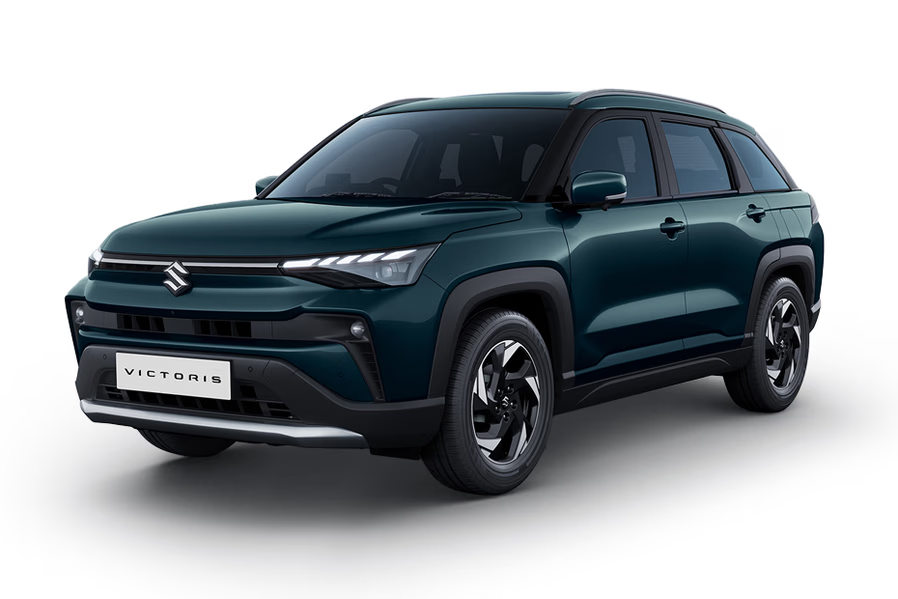
Maruti
₹10.50 - 14.14 Lakh