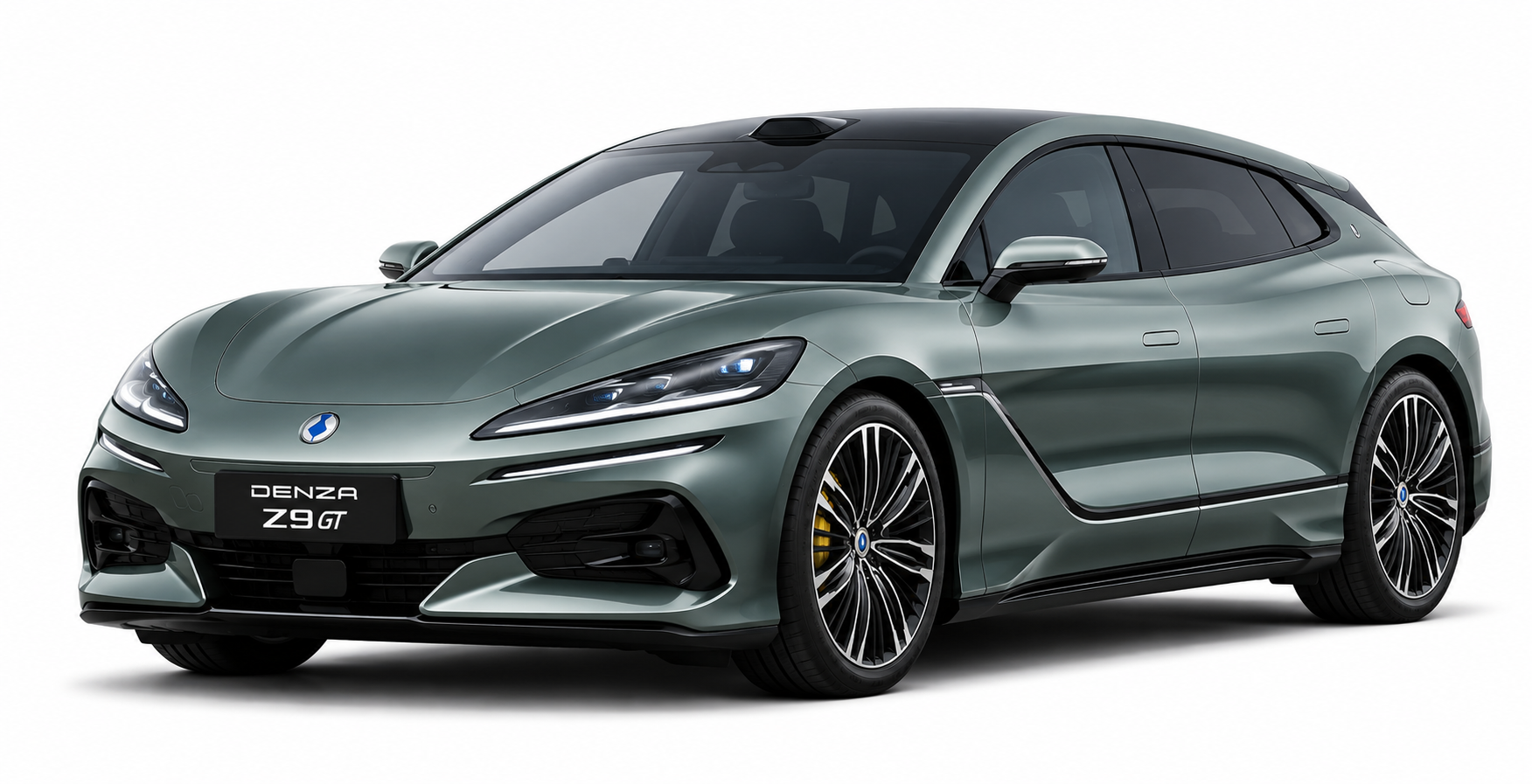
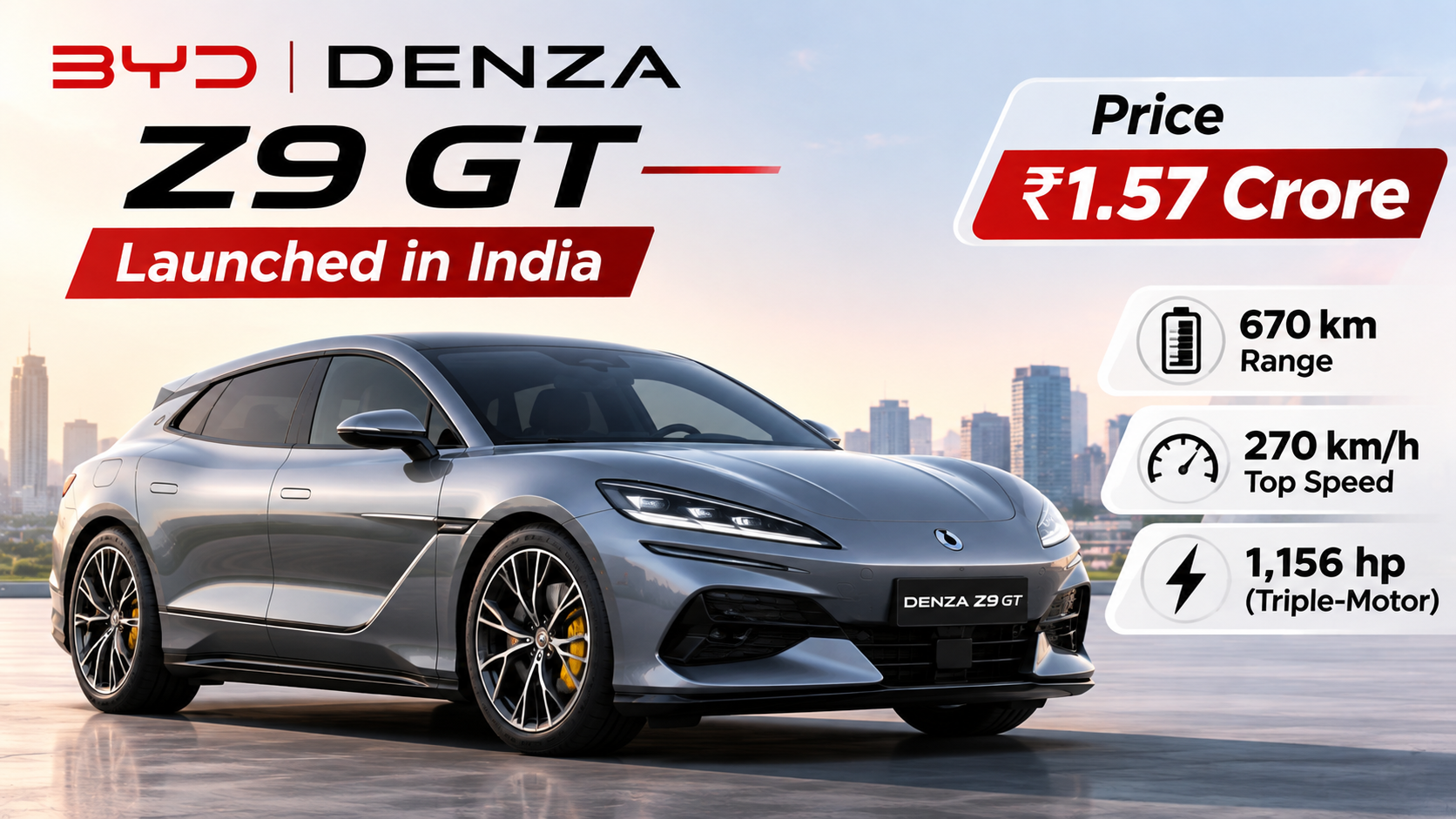
BYD Denza Z9 GT
156.8 Lakh*

 Khyati Sharma 2026-11-18

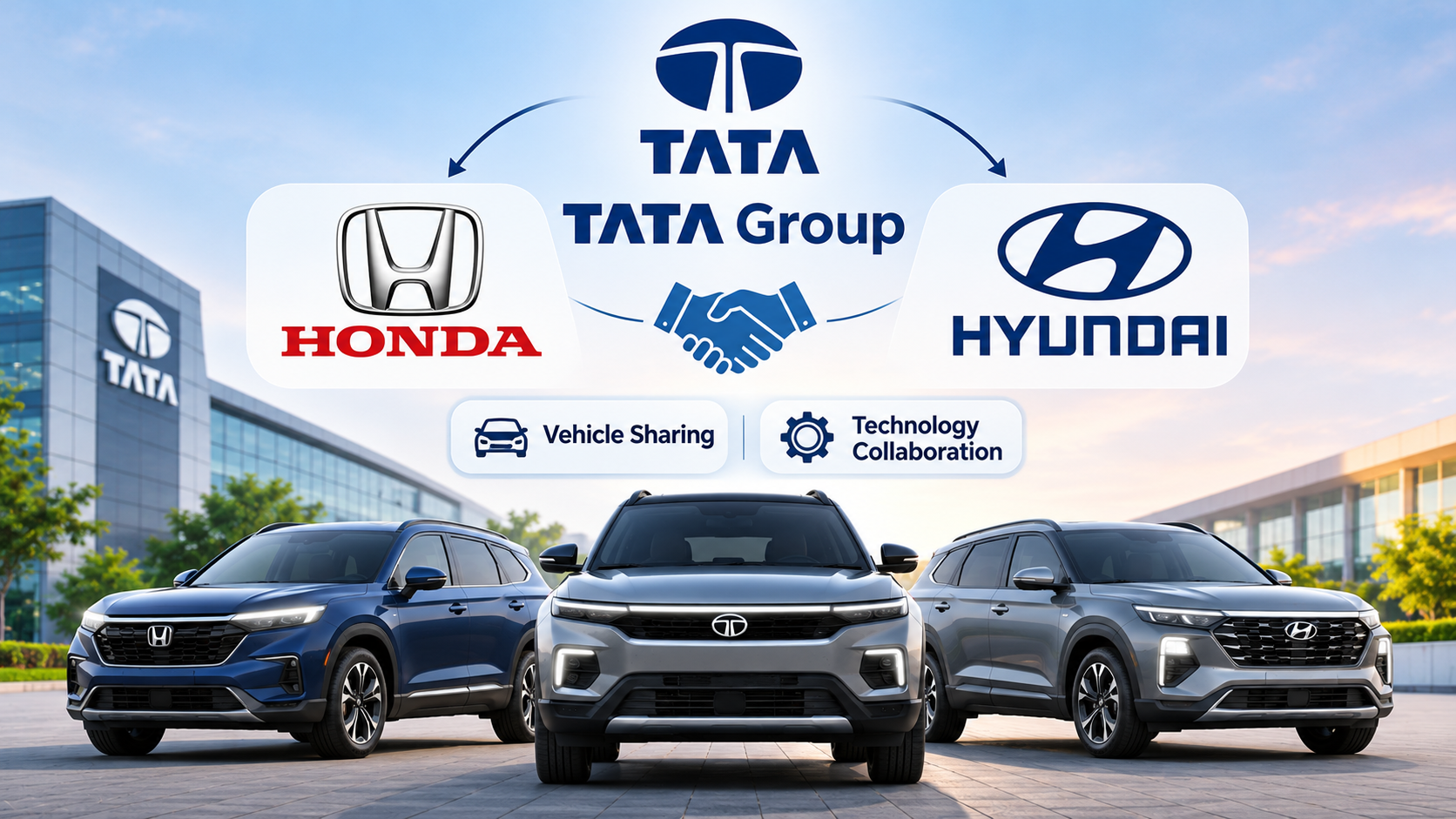
The Tata Group is attracting interest from global automobile manufacturers, including Honda cars and Hyundai cars, for potential cooperation in vehicle development, engineering and automotive technology. The discussions highlight Tata Group's growing importance in India's automotive industry and its expanding capabilities across vehicle manufacturing, electric mobility, batteries, software and engineering services.
Honda and Hyundai have explored possible areas of cooperation with different Tata Group businesses over the past year. While some discussions are still at an exploratory stage, Honda has already established a vehicle-development relationship with Tata Technologies, and Tata Motors has signed a separate technology collaboration agreement with Stellantis.
The developments could create new opportunities for Tata Group companies while helping international automakers reduce development costs, strengthen their local operations and introduce products suited to Indian customers.
Honda Motor Company has reportedly held discussions with several Tata Group businesses, including Tata Motors, Tata Technologies, Tata AutoComp, Agratas, Tata Consultancy Services (TCS) and Tata Elxsi.
One of the possibilities discussed with Tata Motors involves selling Tata-developed vehicles, including electric cars, under the Honda brand in India. The discussions have also reportedly covered the possibility of sharing electric vehicle architectures and rebadging internal combustion engine vehicles.
However, these conversations remain exploratory. No specific vehicle, supply agreement or launch timeline has been officially announced for a Tata Motors-Honda badge-sharing arrangement.
Honda's engagement with Tata Technologies is at a more advanced stage. The engineering company has been selected to support vehicle development for the Japanese automaker, with the partnership expected to help Honda reduce costs and accelerate product development.
The first vehicle under this programme is reportedly a sub-four-metre SUV targeted for launch in India in 2028. A midsize SUV is also expected to follow.
For Honda, working with an Indian engineering partner could help develop vehicles that better match local customer preferences and price expectations.
Honda has been working to strengthen its position in India's passenger vehicle market. Its current product range is relatively limited compared with competitors offering a wider selection of SUVs and electric vehicles.
Partnerships with local companies could help Honda access engineering expertise, supplier networks and vehicle-development capabilities without depending entirely on its traditional development processes.
According to Reuters, the Tata Technologies arrangement could help Honda reduce vehicle development costs by up to 20% and cut development time from around five years to approximately half that period.
The collaboration could also support Honda's plans to introduce new SUV cars in India from 2028 onwards.
Hyundai Motor Company is another international automaker reportedly exploring potential cooperation with Tata Group.
According to Autocar Professional, Hyundai Motor Group President and CEO José Muñoz paid a courtesy visit to Tata Sons Chairman N Chandrasekaran at his Mumbai office. Possible business cooperation may have been discussed, although the meeting did not result in any publicly announced project.
Hyundai has not confirmed a specific vehicle-sharing or technology-sharing agreement with Tata Group.
The development is nevertheless significant because Hyundai Motor Group has announced a substantial investment programme for India. The company plans to invest USD 15.5 billion between 2026 and 2032, covering manufacturing expansion, research and development, local supplier development and future mobility technologies.
Tata Group's presence across the automotive value chain could offer opportunities for cooperation in areas such as components, batteries, engineering, software and mobility technology.
One of Tata Group's major strengths is its presence across several important parts of the automotive industry. Rather than focusing only on vehicle manufacturing, the group has businesses involved in engineering, software, batteries, components and electric mobility.
|
Tata Group Company |
Business Area |
Potential Collaboration |
|
Passenger vehicles and commercial vehicles |
Vehicle platforms and manufacturing |
|
|
Tata Passenger Electric Mobility |
Electric vehicles |
EV architectures and technology |
|
Tata Technologies |
Automotive engineering |
Vehicle design and development |
|
Tata AutoComp |
Automotive components |
Parts and component supply |
|
Agratas |
Battery manufacturing |
Battery technology and supply |
|
Tata Consultancy Services |
IT and digital services |
Software and digital engineering |
|
Tata Elxsi |
Automotive software and design |
Connected vehicle and mobility solutions |
Tata Group's growing importance in automotive technology is also reflected in its agreement with Stellantis.
On October 12, 2026, Stellantis, Tata Motors Passenger Vehicles and Tata Passenger Electric Mobility announced a definitive agreement to expand their existing partnership into vehicle technology, architecture and product development.
Under the agreement, Tata Motors will provide access to its vehicle architectures and product technologies. Stellantis will combine these capabilities with its engineering and product-development expertise to develop vehicles for more than 50 international markets.
The vehicles developed under this collaboration will be manufactured in India at Fiat India Automobiles Private Limited, a 50:50 joint venture between Tata Motors and Stellantis.
The agreement demonstrates that Tata Motors' engineering and vehicle-platform capabilities can be used beyond its own product portfolio.
It also strengthens India's position as a manufacturing and vehicle-development centre for international markets.
Growing cooperation between Indian automotive companies and international manufacturers could benefit the domestic automobile industry in several ways.
Faster vehicle development: International manufacturers could use Indian engineering expertise to reduce development time and bring new vehicles to market sooner.
Lower development costs: Sharing platforms, components and engineering resources could help companies manage expenses and improve cost competitiveness.
Growth in electric mobility: Cooperation in battery technology, EV platforms and software could support the development of new electric vehicles.
More opportunities for suppliers: Local component manufacturers and technology companies could benefit from increased demand for engineering and manufacturing services.
Greater export potential: Vehicles developed and manufactured in India could be supplied to international markets, strengthening the country's role in global automotive production.
The next stage will depend on whether exploratory discussions turn into formal agreements. Honda's engagement with Tata Technologies is already an important development, while the possibility of Tata-developed vehicles being sold under the Honda badge remains unconfirmed.
Hyundai's reported meeting with Tata leadership has also not resulted in a publicly announced partnership.
Meanwhile, the Stellantis agreement provides a clear example of how Tata Motors' vehicle architectures and engineering capabilities can support international product development.
For Tata Group, these developments could open additional business opportunities beyond selling vehicles under its own brands. For Honda and Hyundai, partnerships with Indian companies could help strengthen local operations and improve access to engineering and manufacturing capabilities.
Tata Group is emerging as an important potential technology and vehicle-development partner for global automakers. Interest from Honda and Hyundai highlights the group's growing capabilities across vehicle manufacturing, engineering, electric mobility, batteries and software.
Although not every discussion has resulted in a confirmed agreement, the existing Tata Technologies-Honda engagement and the formal Stellantis partnership show how Indian automotive expertise is becoming increasingly relevant to international manufacturers.
As India's automotive industry continues to expand, such collaborations could play an important role in future vehicle development, electric mobility and exports.










Mercedes-Benz
₹185.00 Lakh