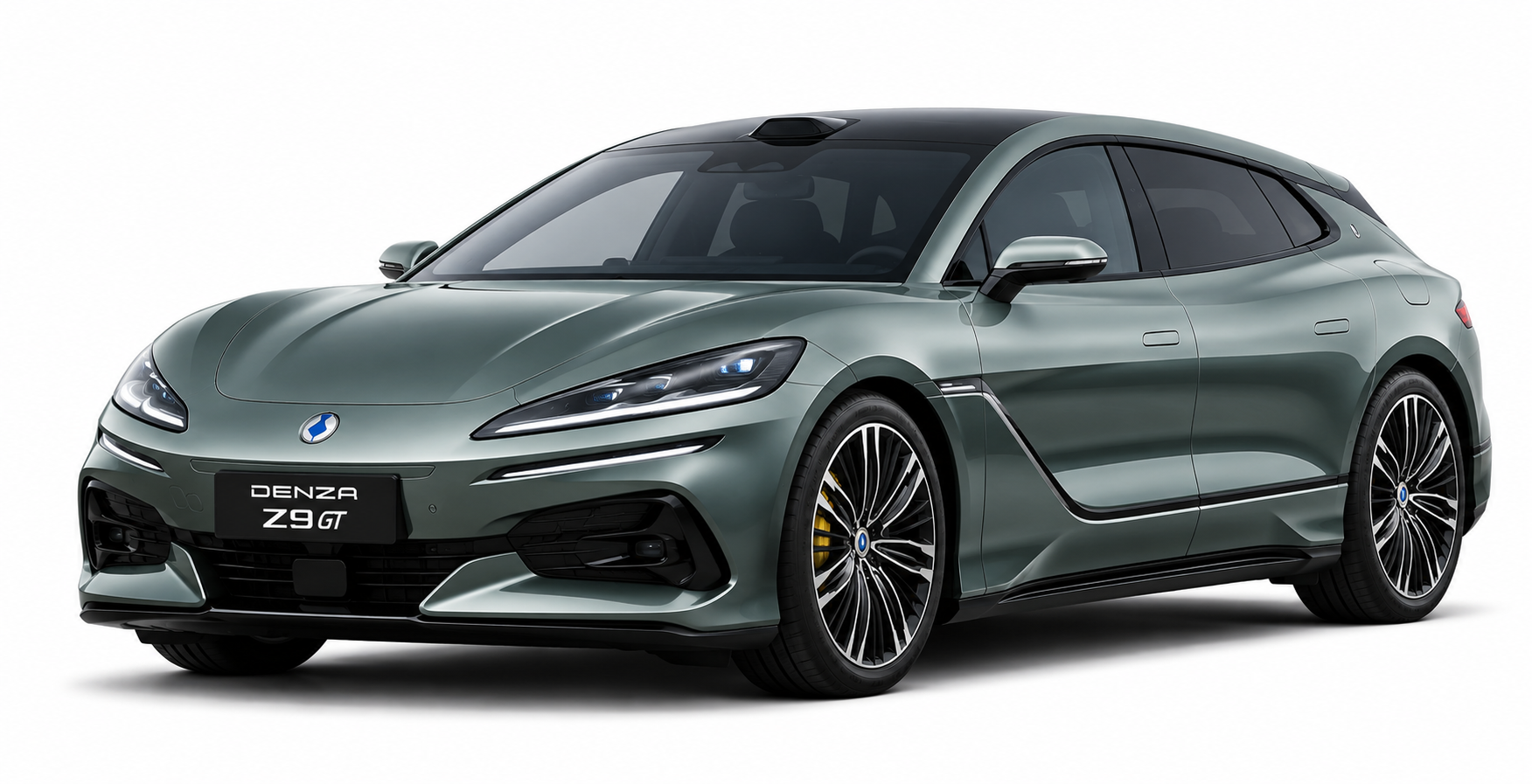
BYD Denza Z9 GT
156.8 Lakh*

 Khyati Sharma 2026-11-24

Hyundai Motor India has announced a price increase of up to Rs 8,000 across select car models and variants, effective December 1, 2026. The latest revision comes as the automaker faces rising input costs and increasing pressure on manufacturing expenses.
The company confirmed the decision through a regulatory filing on November 24, 2026. The price increase will vary depending on the model and trim, meaning not every Hyundai vehicle or variant will necessarily become more expensive by the same amount.
For customers planning to purchase a new Hyundai car, the December 1 deadline is important. Buyers taking delivery or booking a vehicle around this date should check the applicable price and the dealership's billing terms before making a final decision.
|
Particulars |
Details |
|
Manufacturer |
Hyundai Motor India |
|
Announcement date |
24-Nov-26 |
|
Price hike |
Up to Rs 8,000 |
|
Effective date |
1-Dec-26 |
|
Affected vehicles |
Select models and trims |
|
Reason |
Rising input costs |
|
Model-wise increase |
Not yet disclosed |
Hyundai has not yet released the complete list of models and variants that will receive the December price revision. The company has only confirmed that the increase will apply to selected models and trims.
This means popular vehicles such as the Creta, Venue, i20, Exter, Verna, Grand i10 Nios and Alcazar should not automatically be assumed to receive the same price increase.
The final impact will depend on Hyundai's model-wise and variant-wise revised price list. Customers should confirm the updated ex-showroom price with an authorised Hyundai dealership before booking.
The maximum increase has been capped at Rs 8,000, but the company has not disclosed the minimum increase or the exact amount applicable to individual variants.
Hyundai has attributed the latest price revision primarily to a steep increase in input costs.
Input costs include the expenses associated with manufacturing vehicles, sourcing raw materials and purchasing components. When these expenses rise, automakers face additional pressure on their production costs.
Some of the major cost factors affecting the automobile industry include:
Steel and aluminium: These materials are widely used in vehicle bodies, chassis and other components.
Copper: It is an important material in electrical systems, wiring and vehicle electronics.
Components: Rising prices of automotive parts can increase manufacturing expenses.
Logistics and transportation: Higher freight and supply-chain expenses can add to the overall cost of production.
Automakers have been trying to manage these pressures through internal efficiencies and cost-control measures. However, continued increases in production expenses can eventually lead to higher vehicle prices for customers.
Hyundai Motor India stated that it has consistently absorbed a substantial portion of rising input costs through internal efficiency improvements and cost-optimisation initiatives.
However, the company has now decided to transfer a limited portion of the additional expenses to customers.
This approach allows the manufacturer to manage increasing production costs without passing the entire financial burden on to vehicle buyers.
The December revision is therefore being described as a minor price increase, with the maximum adjustment limited to Rs 8,000.
The December announcement comes after other price adjustments made by Hyundai during 2026.
According to reports, the company had already implemented price increases earlier in the year, including a revision in September. The latest increase will add to the cumulative price changes experienced by customers this year.
The company has been dealing with higher commodity prices, operational expenses and other manufacturing-related costs.
Hyundai is not the only automaker revising its prices. Several manufacturers in India have announced increases during 2026 as they respond to changing input costs and market conditions.
|
Manufacturer |
Announced price increase |
Effective date |
|
Hyundai |
Up to Rs 8,000 |
1-Dec-26 |
|
Maruti Suzuki |
Around 0.31% volume-weighted average |
22-Nov-26 |
|
Audi India |
Up to 2% |
1-Jan-27 |
Customers who are already planning to purchase a Hyundai vehicle may want to check the current price with their dealership before December 1.
However, buyers should not rush into a purchase without checking the complete cost of ownership and the applicable booking conditions.
A few points are worth considering:
Confirm the variant: The price increase will apply only to selected models and trims.
Check the latest quotation: Ask the dealership for a written price breakdown.
Verify the booking terms: Confirm which price applies to your booking and delivery date.
Compare available offers: Discounts, exchange benefits and dealer-level offers may affect the final purchase cost.
Check delivery timelines: A booking before December 1 does not automatically guarantee that every customer will receive the old price. Confirm the applicable terms with the dealer.
For a vehicle affected by the full Rs 8,000 increase, the additional cost will be relatively small compared with its overall purchase price. Nevertheless, customers should factor it into their buying budget.
Hyundai Motor India will increase prices by up to Rs 8,000 across selected models and variants from December 1, 2026. The company has cited rising input costs as the primary reason behind the revision, while stating that it has already absorbed a significant portion of the additional expenses through internal efficiency measures.
The exact list of affected vehicles and variant-wise price changes has not yet been disclosed. Buyers considering the Creta, Venue, i20, Exter or other Hyundai models should therefore confirm the revised prices with authorised dealerships.
With several automakers also adjusting prices during 2026, customers planning a new-car purchase should pay attention to upcoming price revisions and compare the final on-road costs before making a decision.