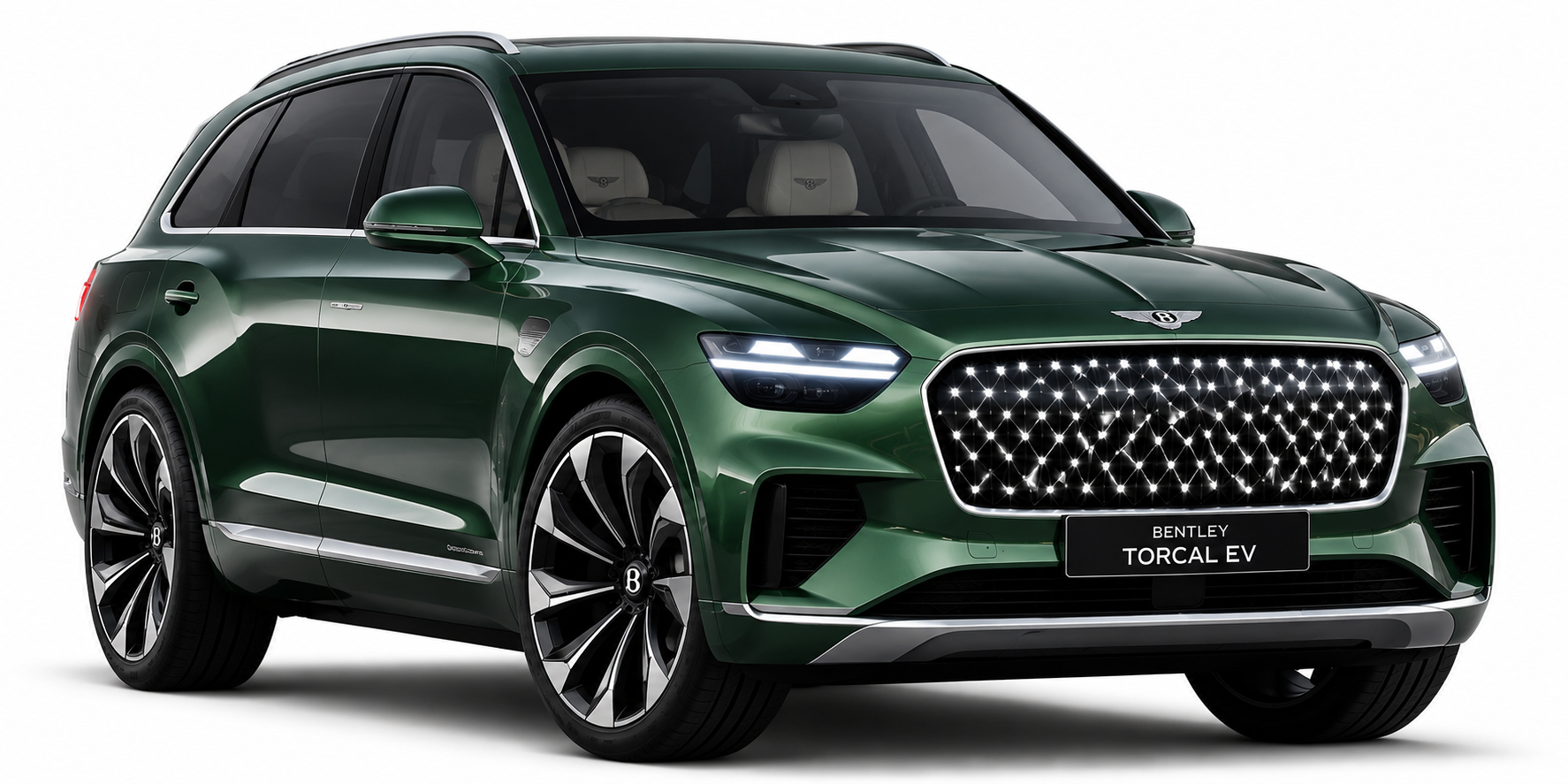
Bentley Torcal EV
450 Lakh*

 Khyati Sharma 2026-11-25

Indian car buyers planning to purchase a new vehicle before the end of 2026 may need to reconsider their budgets. Several major automobile manufacturers have announced price increases across their Indian portfolios, with revisions taking effect in November, December 2026 and January 2027.
Maruti Suzuki has already implemented a price increase on selected models, while Tata Motors and Hyundai Motor India will revise prices from December 1, 2026. Audi India has also announced a price hike of up to 2% from January 1, 2027.
The companies have mainly attributed these revisions to rising input costs, including expenses related to raw materials and vehicle manufacturing. The changes will affect different brands and models in different ways, depending on their pricing strategies.
Maruti Suzuki cars has already started the latest round of price revisions. The company increased prices on selected models from November 22, 2026, with an estimated average increase of approximately 0.31% on a volume-weighted basis.
This is the company's fourth price increase during 2026. Earlier revisions were introduced in June, August and September.
However, Maruti Suzuki has not disclosed the exact revised prices for every affected model and variant. The actual increase will depend on the vehicle selected by the customer.
The company has cited continuing cost pressures despite efforts to control manufacturing expenses and reduce the impact on buyers.
Tata Motors Passenger Vehicles has announced an average price increase of 0.5% across its passenger vehicle portfolio, effective December 1, 2026.
The revision will cover both petrol and diesel vehicles as well as electric cars. This means Tata's passenger vehicle range, including popular models such as the Punch, Nexon, Curvv, Harrier, Safari and its electric vehicle lineup, could see price changes depending on the model and variant.
The company has explained that the revision is intended to partially offset higher input costs. Tata Motors will continue absorbing a portion of the additional expenses rather than passing the entire increase to customers.
For illustration, a 0.5% increase on a vehicle priced at ₹10 lakh would amount to approximately ₹5,000. However, the actual increase on individual Tata models will vary.
Hyundai Motor India is also preparing to revise prices across selected models and variants from December 1, 2026.
The upcoming increase will be capped at ₹8,000, although the company has not yet disclosed the complete model-wise price revision list.
The change is expected to affect selected vehicles rather than applying an identical increase across the entire Hyundai range.
Hyundai has attributed the decision to a significant increase in input costs. The company has stated that it has absorbed a considerable portion of these expenses through internal efficiencies and cost-optimisation measures, but a limited price adjustment has become necessary.
Customers planning to purchase Hyundai models such as the Creta, Venue, Exter, i20 and Verna should check the updated variant-wise prices with dealerships before booking.
The upcoming price revisions are not limited to mass-market car manufacturers. German luxury carmaker Audi has also announced an increase across its Indian vehicle range.
Audi cars India will increase ex-showroom prices by up to 2% from January 1, 2027.
The company has cited rising input costs as the primary reason behind the decision. The revision will apply across its model range, although the actual price difference will depend on the vehicle and variant.
Audi's announcement is particularly important for luxury car buyers considering models such as the Q3, Q5, Q7, A6 and other vehicles in the Indian lineup.
Customers planning to purchase an Audi before the new year may want to check the current quotation and applicable dealership offers before the revised prices come into effect.
Indian Car Price Hike: Brand-Wise Details
|
Car Manufacturer |
Price Increase |
Effective Date |
|
Maruti Suzuki |
Approx. 0.31% (average) |
22-Nov-26 |
|
Tata Motors |
Approx. 0.5% (average) |
1-Dec-26 |
|
Hyundai |
Up to ₹8,000 |
1-Dec-26 |
|
Audi India |
Up to 2% |
1-Jan-27 |
Rising input costs remain one of the major reasons behind the latest price revisions.
Manufacturing a modern vehicle involves several materials and components, including steel, copper, aluminium, rubber, plastics and electronic systems. Changes in the prices of these materials can increase the overall cost of producing cars.
Currency movements and other operational expenses can also put pressure on automobile manufacturers.
Companies generally try to manage these expenses through cost optimisation, improved manufacturing efficiency and supplier negotiations. However, when expenses continue to rise, manufacturers may pass a portion of the additional cost on to customers through higher vehicle prices.
The latest announcements from Maruti Suzuki, Tata Motors, Hyundai and Audi reflect these cost pressures in India's passenger vehicle market.
Interestingly, the price increases are arriving during the traditional year-end discount season.
Dealerships often provide special offers in December to clear existing inventory before the calendar year changes. These benefits may include cash discounts, exchange bonuses, corporate offers and other promotional schemes.
Therefore, a manufacturer announcing a price increase does not necessarily mean every customer will pay more after discounts.
For example, a buyer purchasing an older-stock vehicle may receive dealership benefits that partially offset the manufacturer's revised price. However, offers will vary depending on the model, variant, stock availability and dealership.
Buyers should compare the final on-road quotation rather than looking only at the ex-showroom price.
Customers planning to purchase a new car in the coming weeks should check the effective date of the price revision for their preferred brand.
Maruti Suzuki buyers will need to consider the changes already implemented, while Tata and Hyundai customers may want to compare November and December quotations before December 1.
Audi customers should check whether completing their purchase before January 1, 2027, would help them avoid the announced revision.
However, buyers should not rush into a purchase only to avoid a small price increase. The final decision should also consider available discounts, vehicle requirements, financing costs and delivery timelines.
The Indian automobile market is preparing for another round of price increases as 2026 approaches its end. Maruti Suzuki has already revised selected model prices, Tata Motors and Hyundai will introduce changes from December 1, and Audi India will follow from January 1, 2027.
While manufacturers are citing rising input costs, year-end dealership discounts could still provide some relief to buyers.
For customers planning to purchase a new car, comparing the latest prices, available offers and final on-road quotations will be particularly important before making a booking.



















Volkswagen
₹49.00 - 56.57 Lakh
