India’s automobile market witnessed a notable shift in fuel preferences in August 2026, with alternative-fuel vehicles collectively moving ahead of petrol-powered vehicles. The development comes during a month when the Indian auto industry recorded its highest-ever August vehicle sales, highlighting the rapidly changing preferences of Indian buyers.
The growing contribution of CNG, hybrid and electric vehicles indicates that consumers are increasingly considering fuel efficiency, running costs and electrification while purchasing new vehicles. At the same time, strong overall industry volumes suggest that demand for personal and commercial mobility remains robust.

Alternative Fuels Cross Petrol in August
Petrol has traditionally remained the most popular fuel choice for passenger vehicles in India. However, August 2026 brought a significant change, as vehicles using alternative powertrains collectively accounted for a larger share than petrol-powered vehicles.
The category includes CNG vehicles, hybrids and electric vehicles (EVs). While these technologies differ significantly in terms of operation and infrastructure requirements, their combined growth reflects the industry's broader movement towards cleaner and more efficient mobility.
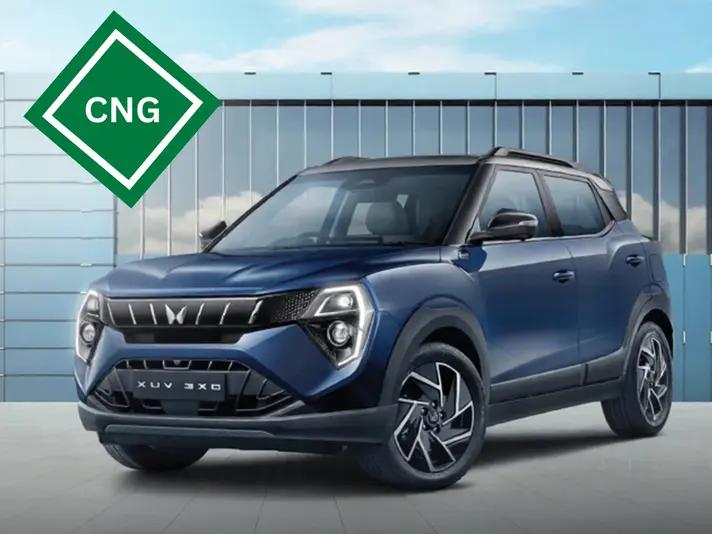
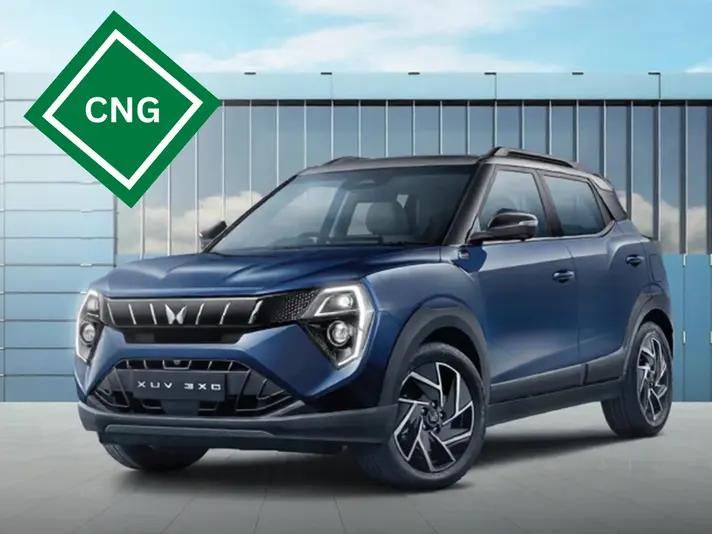
CNG continues to attract buyers looking for lower running costs, while hybrid vehicles offer a combination of petrol power and electrification. EVs, meanwhile, are gaining attention as charging infrastructure and model availability expand across the country.
India Records Strongest August Auto Sales
The shift in fuel preferences comes alongside a strong performance by the overall automobile industry. India recorded 24,23,201 vehicle sales in August 2026, representing a 17.51% increase compared with August 2025.
The record monthly performance reflects healthy demand across different vehicle categories, including passenger vehicles, two-wheelers and commercial vehicles.
| Indicator |
August 2026 |
| Total Vehicle Sales |
24,23,201 units |
| Year-on-Year Growth |
17.51% |
| Month |
August 2026 |
| Key Trend |
Alternative fuels gain ground over petrol |
Why Are Alternative-Fuel Vehicles Becoming More Popular?
Several factors are contributing to the growing acceptance of alternative powertrains in India.
1. Rising Fuel Costs
Fuel expenses remain an important consideration for Indian vehicle buyers. CNG vehicles generally offer lower running costs compared with conventional petrol models, making them attractive to customers who travel long distances.
2. Growing Hybrid Adoption
Hybrid technology has emerged as an important middle ground between conventional petrol vehicles and fully electric cars. Hybrid models can deliver improved fuel efficiency without requiring owners to depend entirely on charging infrastructure.
3. EV Market Expansion
Electric vehicles are becoming increasingly visible across India's passenger-vehicle and two-wheeler markets. Automakers are introducing new EVs across multiple price segments, giving customers more choices.
4. Changing Consumer Preferences
Consumers are becoming more conscious of fuel economy and long-term ownership costs. This is encouraging buyers to look beyond traditional petrol and diesel powertrains.
Petrol Still Remains Important
Despite losing its overall position when alternative fuels are considered collectively, petrol continues to have a significant presence in India's automobile market.
Petrol-powered vehicles remain popular because of their widespread availability, established refuelling infrastructure and broad model availability. For many customers, particularly those in areas with limited CNG or EV infrastructure, petrol remains a practical choice.
The August 2026 data therefore does not mean that petrol-powered vehicles have disappeared from the market. Instead, it highlights how rapidly CNG, hybrids and EVs are expanding as a combined category.
What This Means for India's Auto Industry
The changing fuel mix could have a major impact on automakers and component suppliers over the coming years. Manufacturers are increasingly investing in electric powertrains, hybrid technology, batteries, charging systems and alternative-fuel-compatible engines.
The trend could also accelerate investment in charging infrastructure and encourage manufacturers to introduce more affordable electrified vehicles.
For consumers, the increasing number of powertrain options means buyers will have more flexibility when selecting a vehicle based on their budget, daily running requirements and access to fuel or charging infrastructure.
India's Automobile Market Is Entering a New Phase
The record August sales combined with the changing fuel mix underline an important transition in India's automotive industry. Petrol remains a major part of the market, but alternative powertrains are becoming increasingly important to overall vehicle demand.
With automakers expanding their CNG, hybrid and EV portfolios, India's vehicle market is likely to become increasingly diversified in the coming years. August 2026 could therefore prove to be an important milestone in the country's transition towards a more fuel-diverse automobile industry.
Alternative-Fuel Market Trend
| Powertrain |
Key Advantage |
Consumer Appeal |
| CNG |
Lower running cost |
High for daily/high-mileage users |
| Hybrid |
Improved efficiency without full EV dependence |
Growing |
| Electric |
Zero tailpipe emissions |
Rapidly expanding |
| Petrol |
Widely available infrastructure |
Still strong |

 Khyati Sharma 2026-09-07