Jaguar Land Rover (JLR) is preparing for a major expansion of its electric vehicle portfolio in India, with three upcoming electric models and the planned return of Jaguar to the Indian luxury car market in 2027. The upcoming launches are expected to strengthen the company's presence in the premium EV segment and give luxury car buyers more electric options.
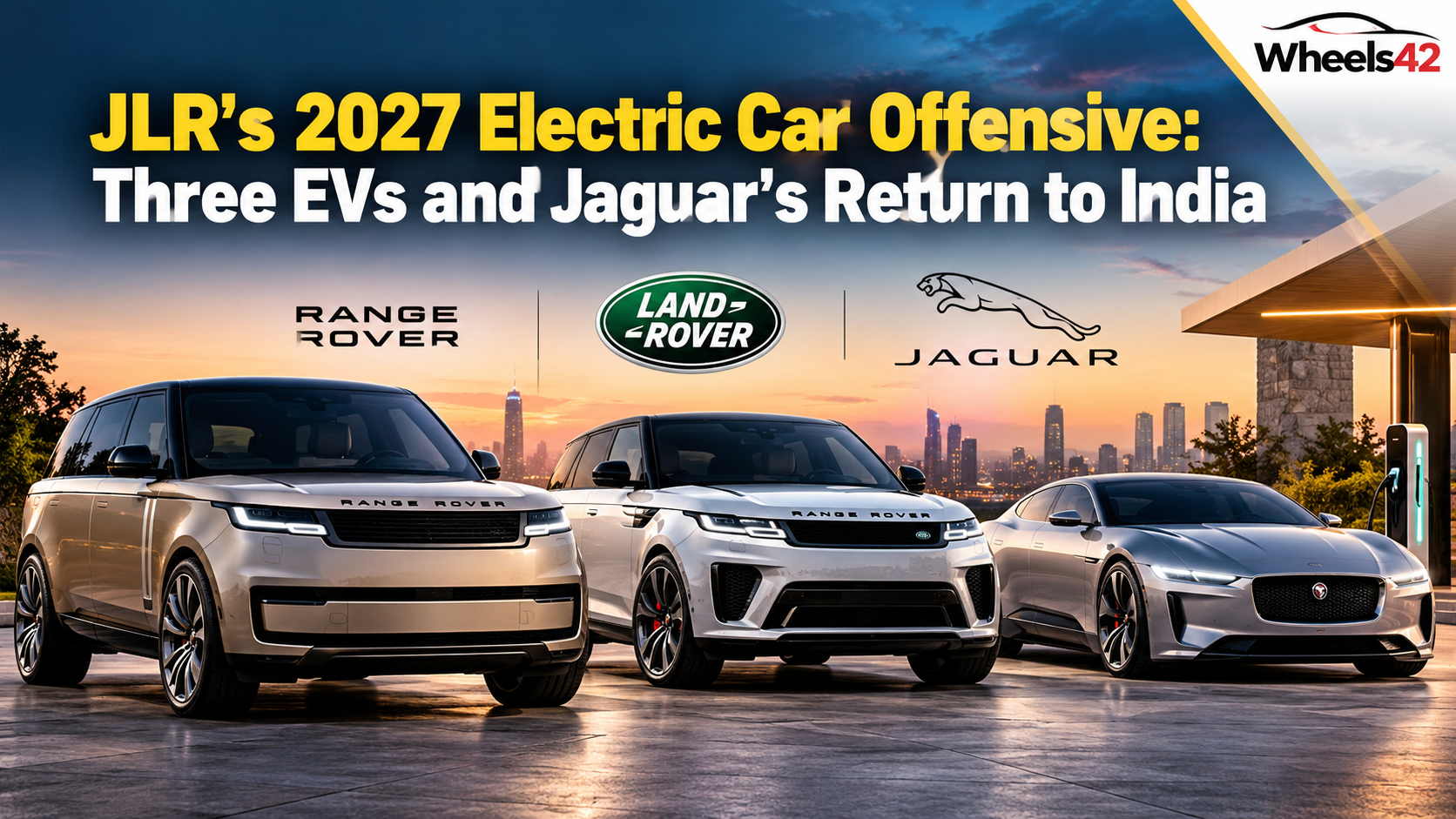
The planned lineup includes the Range Rover Electric, Range Rover Sport Electric and the all-electric Jaguar Type 01. According to recent reports, JLR intends to introduce the electric Range Rover models in India in early 2027, while Jaguar is expected to return during the second half of the year.
The move comes as India's luxury car market continues to evolve, with premium buyers showing increasing interest in advanced technology, distinctive design and electric mobility. JLR's strategy aims to combine the established appeal of its luxury brands with the benefits of battery-powered vehicles.
JLR's upcoming product launches represent an important step in its efforts to expand its luxury electric vehicle portfolio. Rather than relying on a single electric model, the company is preparing to introduce vehicles that cater to different preferences within the premium market.
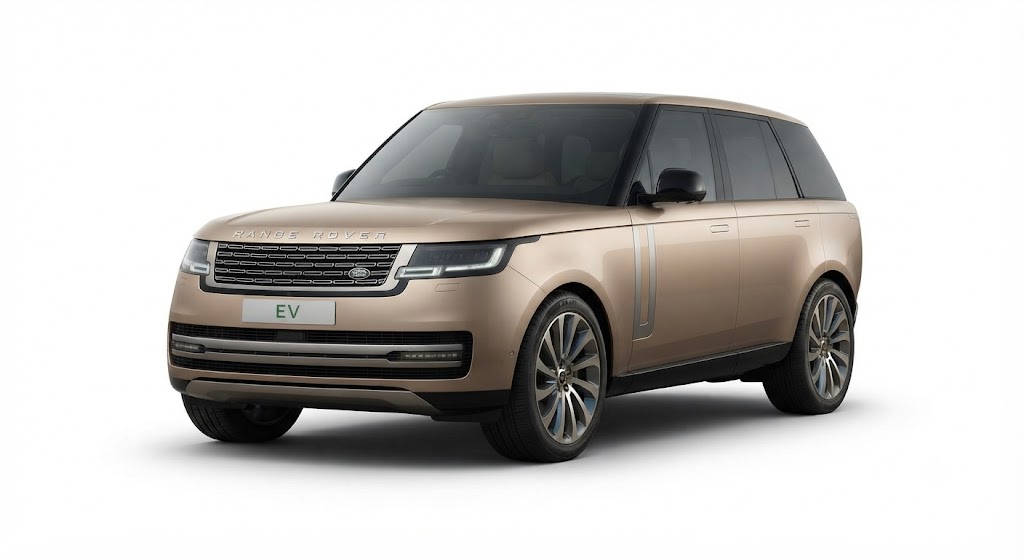
The Range Rover Electric is expected to appeal to buyers looking for a full-size luxury SUV with electric power, while the Range Rover Sport Electric is likely to target customers who prefer a sportier design and a more dynamic driving experience.
Jaguar will follow a different approach. The British marque is being repositioned as an exclusively electric luxury brand, with the new Jaguar Type 01 serving as a key model in its transformation.
Range Rover Electric: A New Chapter for Luxury SUVs

The upcoming Range Rover Electric is expected to be one of the most significant additions to JLR's Indian portfolio. The model is being developed to retain the qualities associated with the Range Rover name, including a premium cabin, refined driving experience and strong road presence, while replacing the conventional engine with an electric powertrain.
Electric power could offer several advantages for luxury SUV buyers, including quieter operation, smooth acceleration and reduced tailpipe emissions. These characteristics are particularly relevant for customers who use their vehicles for both urban travel and long-distance journeys.
However, the final Indian specifications, driving range, charging performance and pricing will be important factors in determining its market position. Buyers will also want to understand how the vehicle performs in real-world conditions, especially on longer trips where charging infrastructure can influence journey planning.
JLR has not yet confirmed all India-specific details, so the final equipment list and technical specifications should be assessed when the company announces them officially.
Range Rover Sport Electric: Performance Meets Electrification

The Range Rover Sport Electric is another important part of JLR's electrification plans. The Sport name is associated with a more athletic character than the standard Range Rover, making the electric version a potential option for customers who want luxury combined with a performance-focused driving experience.
An electric powertrain can provide immediate torque, allowing a vehicle to accelerate smoothly and respond quickly to driver inputs. It can also help deliver a quieter cabin experience, an important consideration in the premium segment.
The vehicle is expected to retain the design identity and upscale character associated with the Range Rover Sport family. Its appeal will depend on factors such as driving range, charging times, ride comfort, handling and the technologies offered inside the cabin.
For the Indian market, pricing will be especially important because imported luxury EVs can carry substantial costs. The company's final launch strategy will determine how the electric Sport is positioned against other premium electric SUVs.
Jaguar Type 01 to Lead the Brand's Return

Jaguar's return is likely to be one of the biggest talking points in India's luxury car market in 2027. The company has been reshaping the brand around an all-electric future, with a stronger emphasis on distinctive design, exclusivity and modern luxury.
The new Jaguar Type 01 is a four-door electric grand tourer developed on Jaguar's dedicated Electric Architecture (JEA). It represents a significant departure from the brand's previous product range and is intended to establish a new direction for future Jaguar vehicles.
According to the manufacturer's announcement, the Type 01 features an 850-volt electrical architecture and a usable 118 kWh battery. Jaguar has announced a target output of up to 1,030 PS and 1,365 Nm of torque, with a claimed 0–100 km/h acceleration time of 3.2 seconds. Its estimated EPA range is up to 400 miles, although these figures are not India-specific certified figures.
The Type 01 could attract buyers seeking an alternative to conventional luxury sedans and grand tourers. Its all-electric powertrain and new design direction will also help Jaguar distinguish itself from brands that continue to offer a mixture of petrol, diesel and electric models.
What Does Jaguar's Return Mean for Indian Buyers?
Jaguar's return could help JLR reach a different group of luxury car customers. While Range Rover products focus heavily on luxury SUVs, Jaguar's new direction is centred on electric luxury cars with a distinct design identity.
The Indian luxury car market includes buyers who prioritise brand heritage, comfort, performance and exclusivity. Jaguar will need to demonstrate that its new electric vehicles can meet these expectations while offering a compelling ownership experience.
The availability of charging support, access to service facilities, warranty coverage and after-sales assistance will be important considerations for prospective customers. Premium buyers generally expect a high level of convenience, and the ownership experience can play a major role in purchasing decisions.
Jaguar's positioning, final prices and dealership arrangements will therefore be important factors in determining the success of its return.
Why Is JLR Expanding Its Electric Lineup?
JLR's plans reflect a broader shift in the global automotive industry towards electrification. Luxury manufacturers are investing in battery technology, dedicated EV platforms and new vehicle architectures to meet changing customer expectations and regulatory requirements.
The company is also pursuing a flexible powertrain strategy across its wider portfolio. Range Rover, Defender and Discovery are expected to offer different combinations of mild-hybrid, hybrid, plug-in hybrid and battery-electric powertrains, while Jaguar is being positioned as the group's exclusively electric brand.
This approach allows JLR to address different customer needs rather than relying on one powertrain technology across every brand.
For India, the challenge will be balancing the appeal of electric mobility with the realities of vehicle pricing, charging availability and the needs of luxury car owners. The upcoming launches will give the company an opportunity to evaluate demand for high-end electric vehicles in the country.
Expected Launch Timeline
|
Model
|
Expected India timeline
|
Vehicle category
|
|
Range Rover Electric
|
Early 2027
|
Luxury electric SUV
|
|
Range Rover Sport Electric
|
Early 2027
|
Performance-oriented luxury electric SUV
|
|
Jaguar Type 01
|
Second half of 2027
|
Luxury electric grand tourer
|
Pricing and Availability: What to Expect
JLR has not confirmed the final India-specific prices and complete specifications for these upcoming models. Their positioning in the premium segment suggests that pricing, taxes, import costs and equipment levels will have a significant influence on their competitiveness.
The India-UK trade agreement has introduced changes to import duties for certain eligible vehicles, but JLR's management has indicated that electric vehicles will not receive the same immediate duty benefits under the agreement's initial five-year period. As a result, buyers should not assume that the agreement will automatically lead to lower prices for these upcoming EVs.
Availability will also depend on the company's launch schedule, homologation requirements and dealership preparations. Further details about bookings, deliveries and India-specific equipment are expected to become clearer as the launch dates approach.

 Khyati Sharma 2026-10-21