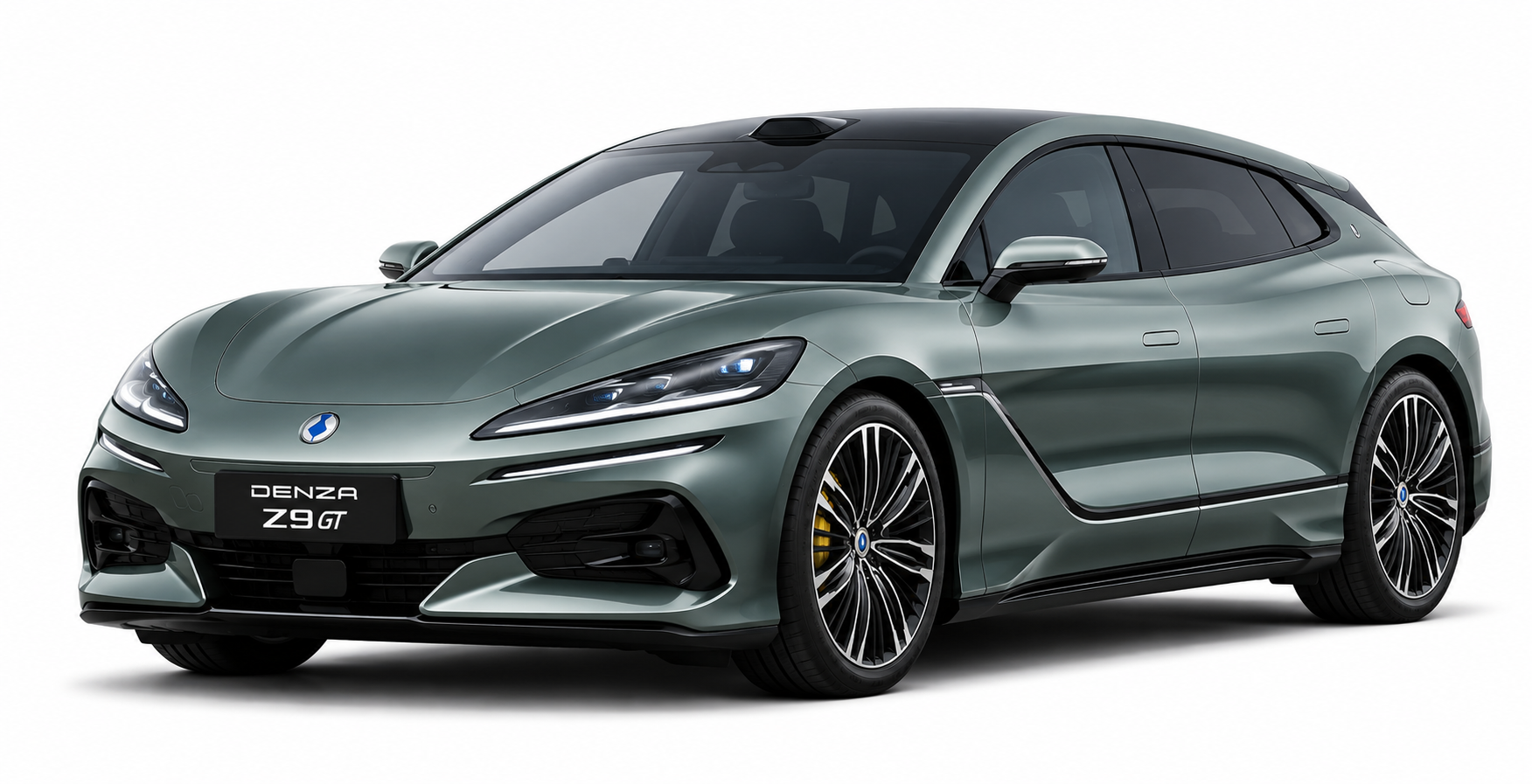
BYD Denza Z9 GT
156.8 Lakh*

 Khyati Sharma 2026-11-18

India has strengthened its position as one of Suzuki Motor Corporation's most important markets, contributing approximately 41% of the Japanese automaker's global revenue through its automobile business during the first half of FY2026. Strong vehicle demand, higher production and increased wholesale volumes helped the company record significant growth between April and September 2026.
According to Suzuki Motor Corporation's latest financial results, the company generated consolidated revenue of ¥3,419.2 billion during H1 FY2026, representing a year-on-year increase of 19.4%. India's automobile revenue reached ₹81,490 crore, up 28.9% compared with the corresponding period last year.
The strong performance highlights India's growing importance in Suzuki's international operations, with the country continuing to drive a significant share of the company's global vehicle business.
Suzuki Motor Corporation recorded automobile sales of approximately 1.1 million units in India during the first half of FY2026. This represents an increase of 35.4% compared with the 812,000 units sold during the same period in the previous financial year.
The July–September quarter also delivered strong growth, with Indian automobile sales increasing 37.8% to approximately 565,000 units.
Higher demand for passenger vehicles and improved market activity helped Suzuki achieve stronger wholesale volumes. The company's Indian operations also benefited from increased production to support the growing demand.
For the full FY2026, Suzuki expects automobile sales in India to increase by approximately 20%.
India generated automobile revenue of ₹81,490 crore for Suzuki during April–September 2026, compared with ¥1,079 billion in the corresponding period of FY2025.
This represents a year-on-year increase of 28.9%. India's automobile revenue alone was equivalent to approximately 40.7% of Suzuki's total global consolidated revenue of ¥3,419.2 billion.
Including motorcycle and marine operations, Suzuki's total revenue contribution from India reached ¥1,482.7 billion during the first half.
The figures underline India's importance to Suzuki's global business, particularly as demand for passenger vehicles and two-wheelers continues to support its regional operations.
Suzuki Motor Corporation reported consolidated revenue of ¥3,419.2 billion in H1 FY2026, compared with ¥2,864.2 billion in H1 FY2025.
The company's operating profit increased 5.5% to ¥291.6 billion, while profit before tax rose 20.8% to ¥401.4 billion. Profit attributable to owners of the parent increased 31.6% to ¥253.7 billion.
Although revenue and overall profits improved, operating profit growth remained comparatively modest because of higher raw material expenses and other cost pressures.
Suzuki's operating margin also narrowed to 8.5% from 9.7% in the first half of the previous financial year.
Along with stronger sales, Suzuki also increased its production volumes in India.
The company's Indian automobile production reached approximately 1.33 million units during H1 FY2026, representing growth of 26.6% compared with 1.05 million units in the same period last year.
Higher production helped Suzuki meet increased demand in the domestic market while supporting its wider international operations.
India has become an important manufacturing base for Suzuki, with Maruti Suzuki's facilities playing a major role in the company's global production and supply network.
Despite strong sales and revenue growth, higher raw material costs affected Suzuki's profitability during the first half.
The company's Asia segment, which includes India and other Asian markets, recorded operating profit of ¥111 billion, down 18.7% year-on-year.
The operating margin in this region declined to 5.3% from 8.3% in the corresponding period last year.
At the consolidated level, higher raw material expenses created a significant financial burden. Suzuki's estimates include a ¥270 billion impact from raw material costs for the full financial year.
This highlights the challenge of maintaining profitability even when vehicle sales and revenue are increasing.
|
Financial metric |
H1 FY2026 (India currency) |
Year-on-year change |
|
Global consolidated revenue |
₹2.00 lakh crore |
19.40% |
|
Global operating profit |
₹17,087 crore |
5.50% |
|
Profit before tax |
₹23,521 crore |
20.80% |
|
Net profit attributable to owners |
₹14,866 crore |
31.60% |
|
India automobile revenue |
₹81,490 crore |
28.90% |
|
India total revenue across segments |
₹86,881 crore |
28.40% |
|
India automobile sales |
11 lakh units |
35.40% |
|
India automobile production |
13.3 lakh units |
26.60% |
Suzuki remains optimistic about the Indian automobile market for the remainder of FY2026. The company expects its automobile sales volumes in India to increase by approximately 20% over the full financial year.
The company's global automobile sales forecast has also been revised upwards to approximately 3.702 million units.
However, rising raw material costs remain an important concern for the company. Suzuki expects full-year consolidated revenue of ¥6,900 billion, while its operating profit forecast stands at ¥540 billion, down 13.3% compared with FY2025.
The company will therefore need to balance higher production and sales volumes with cost management to maintain its financial performance.
Suzuki's latest financial results highlight the growing importance of Maruti Suzuki in the company's global business.
With India contributing a major share of Suzuki's automobile revenue and vehicle volumes, the performance of the Indian passenger vehicle market will remain important for the Japanese automaker.
Strong demand, higher production and the company's expanding product portfolio could support further growth. However, commodity prices, manufacturing expenses and competition in the Indian automobile market will continue to influence profitability.
Suzuki Motor Corporation's H1 FY2026 results underline India's growing role in its global automobile business. With automobile revenue from India increasing 28.9% and vehicle sales rising 35.4%, the country remains a major growth driver for the company.
However, rising raw material costs and declining operating margins in Asia show that higher sales do not automatically translate into stronger profitability.
As Suzuki targets approximately 20% growth in Indian automobile volumes for the full financial year, its performance in the second half of FY2026 will be important for determining whether the company can maintain its strong growth momentum.

























Maruti
₹12.37 - 22.91 Lakh
