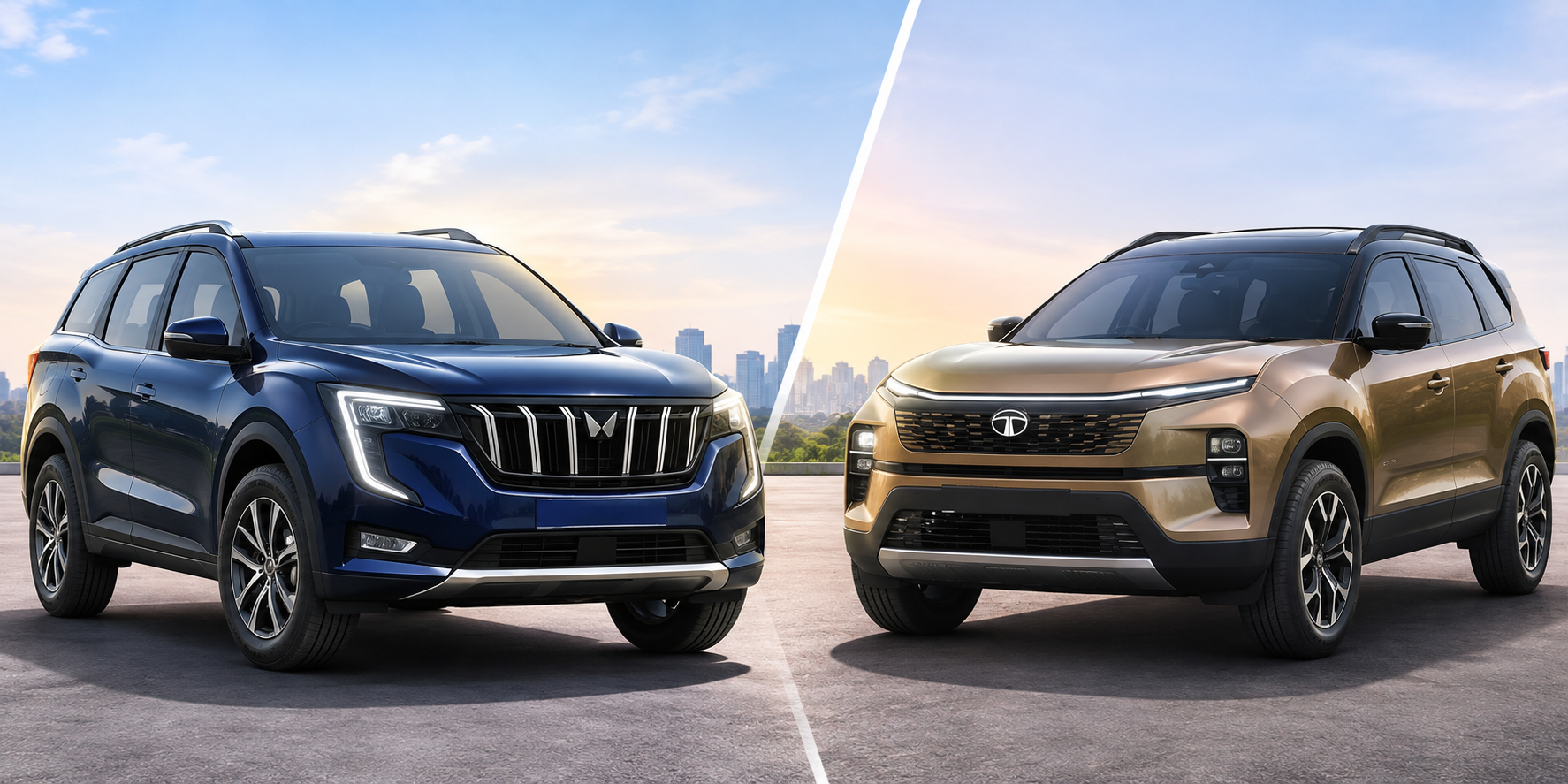
The competition between Tata Motors and Mahindra & Mahindra in India's electric passenger vehicle market is becoming increasingly intense in 2026. Both manufacturers are expanding their electric vehicle portfolios, attracting customers with new products and strengthening their positions in the country's growing EV segment.
Tata Motors continues to hold the leading position, supported by its established electric vehicle range and strong retail volumes. Mahindra, meanwhile, is increasing its presence with electric SUVs and recording faster year-on-year growth.
The latest October 2026 retail figures show that Tata Passenger Electric Mobility registered 14,669 electric passenger vehicles, compared with 8,538 units for Mahindra. Tata therefore maintained a lead of 6,131 vehicles during the month.
The broader financial-year figures also show Tata ahead of Mahindra between April and October 2026. However, Mahindra's faster growth indicates that the competition is becoming more challenging.
With both companies investing in electric mobility, the Tata versus Mahindra contest is likely to remain an important part of India's automobile industry during the coming months.
Tata Motors Maintains Its Lead in October 2026
Tata Motors continued to lead India's electric passenger vehicle market in October 2026. According to FADA retail-registration data, Tata Passenger Electric Mobility recorded 14,669 units during the month.
This represented year-on-year growth of 77.61% compared with 8,259 units in October 2025. However, its October registrations were marginally lower than September's 14,791 units.
Tata's performance highlights the strength of its established electric vehicle portfolio. The company has built a presence across different price categories, allowing it to reach customers looking for compact electric cars as well as larger electric SUVs.
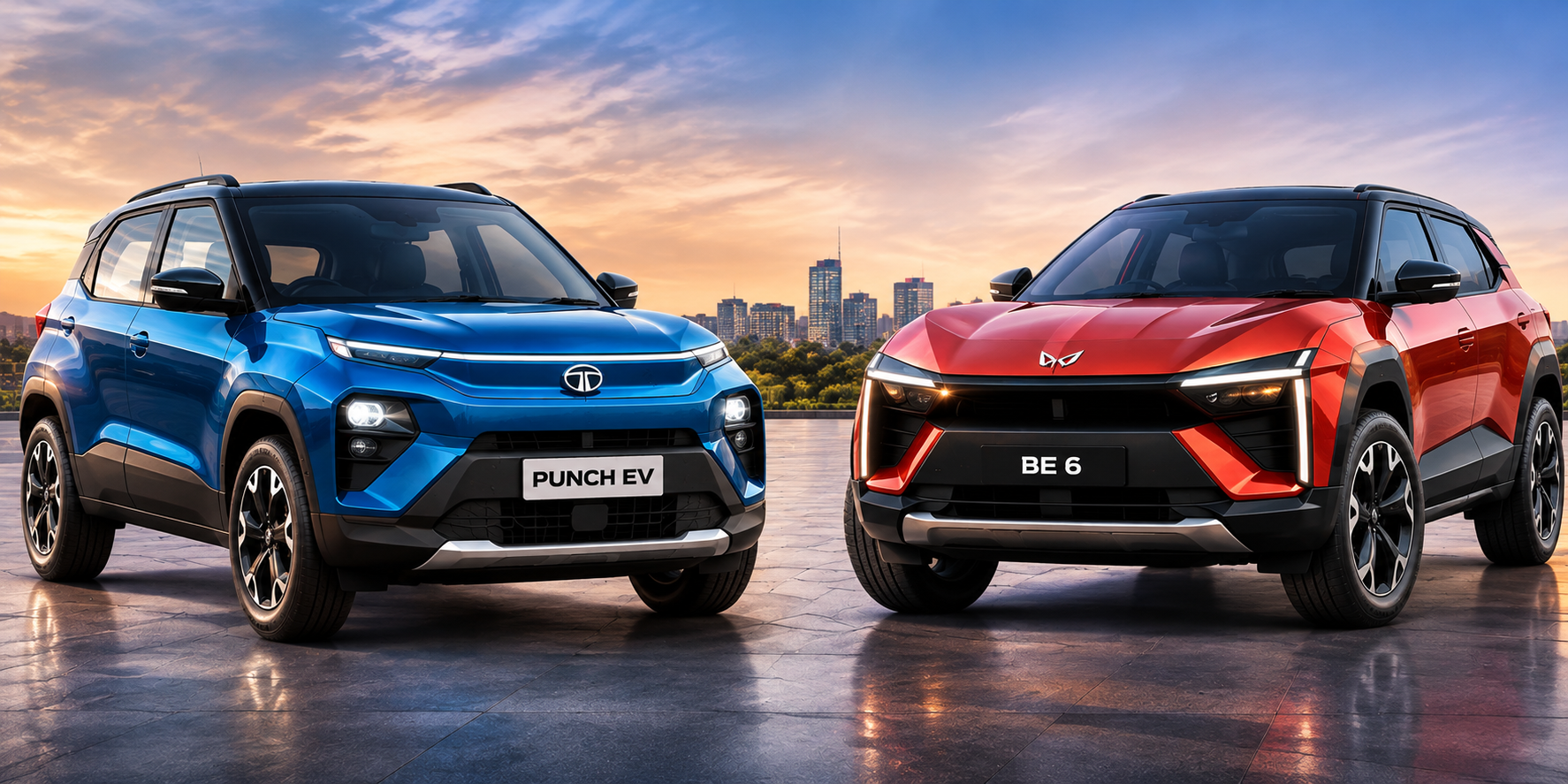
Models such as the Nexon EV, Punch EV and Tiago EV have contributed to Tata's position in the market. The company has also been expanding its electric SUV portfolio to attract customers seeking more space, features and driving range.
Tata's existing customer base, dealership network and experience in the Indian EV market are additional factors supporting its position.
The company will need to maintain product competitiveness, improve charging convenience and continue expanding its electric vehicle range as more manufacturers enter the segment.
Mahindra Records Faster EV Sales Growth
Mahindra cars secured second position in India's electric passenger vehicle market in October 2026, recording 8,538 retail registrations.
The company's October performance represented an increase of 85.65% compared with 4,599 units in October 2025. Mahindra also improved its monthly performance over September 2026, when it recorded 7,780 electric passenger vehicle registrations.
Although Mahindra remained behind Tata in total volume, its year-on-year growth rate was higher.
The company's electric SUV strategy is an important part of this expansion. Mahindra has introduced products such as the BE 6 and XEV 9e, targeting customers interested in premium electric SUVs.
The XEV 9S has also expanded the company's electric SUV ambitions. These vehicles give Mahindra an opportunity to compete in a segment where customers increasingly consider design, cabin technology, performance, range and charging capabilities.
Mahindra's growing EV registrations suggest that its electric SUV portfolio is attracting buyers. However, maintaining this momentum will depend on production capacity, delivery timelines, service support and the expansion of charging infrastructure.
Tata vs Mahindra: October 2026 EV Sales Comparison
|
Particulars
|
Tata Motors
|
Mahindra
|
|
October 2026 retail sales
|
14,669 units
|
8,538 units
|
|
October 2025 retail sales
|
8,259 units
|
4,599 units
|
|
Year-on-year growth
|
77.61%
|
85.65%
|
|
September 2026 sales
|
14,791 units
|
7,780 units
|
|
October market position
|
1st
|
2nd
|
|
October market share (approx.)
|
39.60%
|
23.00%
|
The comparison highlights two different trends. Tata continues to sell more electric passenger vehicles, while Mahindra is expanding at a faster annual rate.
The difference between their October registrations stood at 6,131 units. This means Mahindra still has considerable ground to cover before matching Tata's monthly retail volume.
Tata Holds a Stronger Position During April-October FY2027
The financial-year comparison provides another view of the competition.
Between April and October 2026, Tata registered 88,125 electric passenger vehicles, while Mahindra recorded 50,322 units, according to FADA data reported by Business Standard.
This gave Tata an advantage of 37,803 electric vehicles during the seven-month period.
Electric vehicles accounted for approximately 21.1% of Tata's passenger vehicle registrations during this period. For Mahindra, the corresponding figure was approximately 12.9%.
These figures show how electric vehicles have contributed to Tata's overall passenger vehicle performance against Mahindra.
Interestingly, the position changes when electric vehicles are excluded. Mahindra registered 339,113 non-electric passenger vehicles during April-October FY2027, compared with Tata's 329,434 units.
This indicates that Mahindra's conventional passenger vehicle business remains strong, while Tata's higher EV registrations provide an important contribution to its overall passenger vehicle volumes.
The figures also show why electric mobility has become an important factor in the competition between the two Indian manufacturers.
Which Electric Cars Are Supporting Tata Motors?
Tata Motors has an established electric vehicle portfolio in India, with products covering multiple customer requirements.
Tata Nexon EV
The Nexon EV remains one of Tata's important electric SUV products. Its familiar SUV body style, practical cabin and established market presence make it a significant part of the company's EV portfolio.
Tata Punch EV
The Punch EV targets customers looking for a relatively compact electric SUV. Its size and urban-friendly positioning make it relevant for buyers who want an electric vehicle for everyday commuting.
Tata Tiago EV
The Tiago EV provides an entry point into Tata's electric passenger vehicle range. It targets customers who want a smaller electric car for city use.
Tata Curvv EV
The Curvv EV adds a more distinctive SUV-coupe design to Tata's electric portfolio. It targets buyers looking for a larger and more premium electric vehicle.
Tata Harrier EV
The Harrier EV expands Tata's presence in the larger electric SUV category. Its positioning gives the company an opportunity to attract customers looking for a more spacious and feature-rich electric SUV.
The variety of products helps Tata address different price points and customer preferences instead of depending on a single electric vehicle.
Which Electric SUVs Are Supporting Mahindra?
Mahindra is focusing strongly on electric SUVs, particularly in the premium and technology-focused segments.
Mahindra BE 6
The BE 6 is one of Mahindra's important electric SUV products. Its distinctive exterior styling, modern cabin and technology-focused approach help the company target customers interested in a new-generation electric SUV.
Mahindra XEV 9e
The XEV 9e is positioned as a premium electric SUV with a spacious cabin and a strong focus on digital features. It helps Mahindra compete in a higher-value segment of the electric passenger vehicle market.
Mahindra XEV 9S
The XEV 9S adds another electric SUV option to Mahindra's expanding portfolio. Its introduction further strengthens the company's focus on electric SUVs and gives customers another choice within the brand's EV range.
Mahindra's strategy is different from Tata's broader spread across compact electric cars and SUVs. Its emphasis on electric SUVs allows it to target buyers who are particularly interested in larger body styles, performance and premium features.
India's Electric Car Market Continues to Expand
The competition between Tata and Mahindra is taking place against the background of strong growth in India's electric passenger vehicle market.
FADA data show that the country recorded 37,049 electric passenger vehicle retail registrations in October 2026, compared with 20,995 units in October 2025. This represented year-on-year growth of 76.47%.
Electric passenger vehicles accounted for approximately 7.3% of total passenger vehicle retail registrations in October 2026. The corresponding share was around 3.5% in October 2025.
Tata and Mahindra together accounted for 23,207 registrations during October, representing approximately 62.6% of the electric passenger vehicle market.
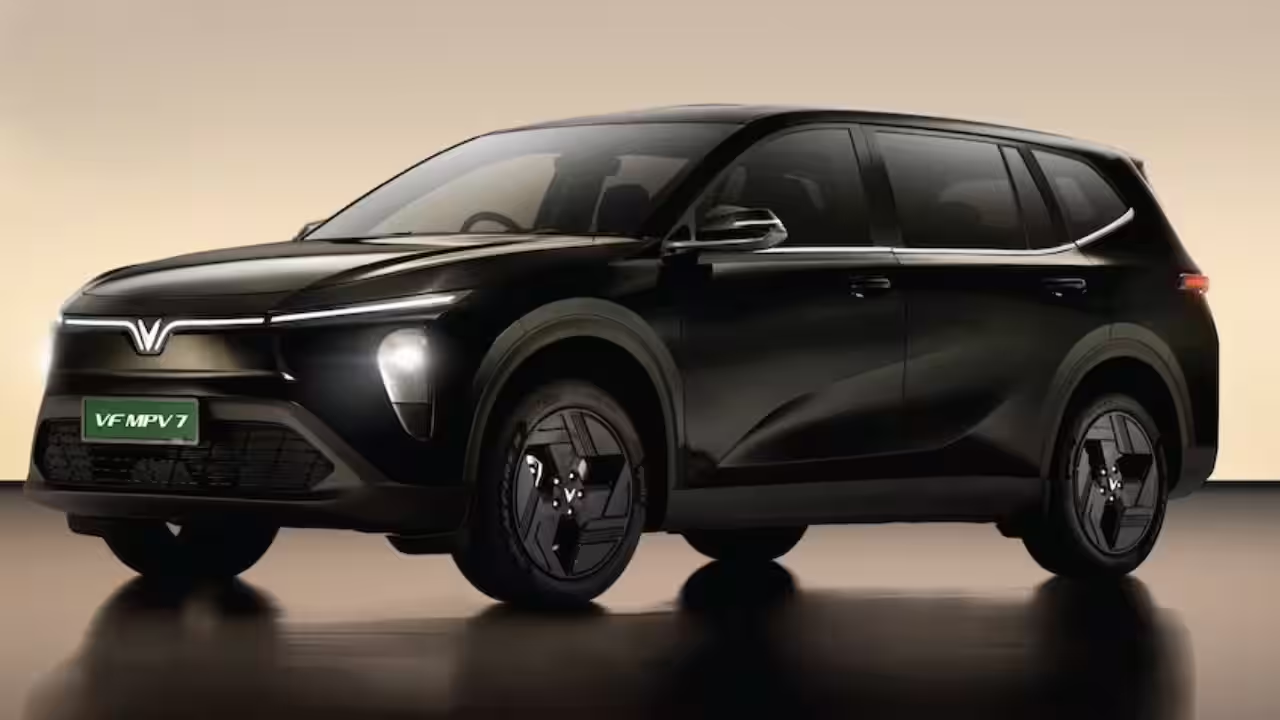
JSW MG Motor India remained in third position with 5,939 registrations. VinFast followed with 2,571 units, while Kia India recorded 1,395 electric passenger vehicle registrations.
The data indicate that competition is expanding beyond the two established Indian manufacturers. Newer entrants and other established automakers are also increasing their presence in the segment.
What Is Driving Competition Between Tata and Mahindra?
Several factors are influencing the competition between the two companies.
Expanding Electric SUV Portfolios
Both manufacturers are introducing electric SUVs to attract customers who want more space, modern features and higher vehicle performance.
Tata has products across compact and larger SUV categories, while Mahindra is building a strong electric SUV-focused portfolio.
Driving Range and Charging Convenience
Driving range remains an important consideration for electric vehicle buyers. Customers want vehicles that can handle daily commuting as well as longer journeys without frequent charging stops.
Charging speed, access to public charging stations and home-charging convenience also influence purchasing decisions.
Pricing and Ownership Costs
The purchase price of an electric vehicle remains an important factor in India. Customers compare the initial cost with expected fuel savings, maintenance expenses, insurance and charging costs.
Manufacturers must balance competitive pricing with battery technology, equipment and profitability.
Brand Trust and Service Network
Customers also consider after-sales support before purchasing an electric vehicle. Service availability, spare parts, battery warranty and access to trained technicians can influence buying decisions.
Tata benefits from its established EV presence, while Mahindra is expanding its electric vehicle business and related support network.
What Can We Expect From Tata and Mahindra in the Coming Months?
The competition between Tata Motors and Mahindra is expected to remain an important development in India's electric vehicle market.
Tata will look to protect its leadership through its existing electric vehicle range and continued product development. Its ability to maintain retail volumes across different price categories will remain important.
Mahindra, meanwhile, will aim to build on its faster year-on-year growth. The company's electric SUV portfolio gives it an opportunity to attract customers in the premium EV segment.
Both manufacturers will also need to focus on production capacity, delivery schedules, charging partnerships and customer support.
The performance of their upcoming products and the availability of vehicles across dealerships could influence their monthly registrations.
However, monthly rankings can change depending on new launches, supply availability, pricing changes and seasonal demand. October's figures provide a snapshot of the market rather than a guarantee of future rankings.

 Khyati Sharma 2026-11-10