India's passenger vehicle market recorded more than 5 lakh retail registrations in October 2026, with Maruti Suzuki continuing to dominate the industry. Tata Motors secured second position, followed by Mahindra, while Hyundai remained in fourth place.
According to the Federation of Automobile Dealers Associations (FADA), total passenger vehicle retail registrations reached 5,07,768 units in October 2026. This represented a 14.23% decline compared with 5,92,032 units registered in October 2025. However, the market recorded an 18.86% month-on-month improvement over September 2026.
Maruti Suzuki registered 2,11,996 units, maintaining its position as India's largest passenger vehicle manufacturer by retail registrations. Tata Motors followed with 73,449 units, while Mahindra recorded 64,982 units.
Among the other major manufacturers, Hyundai registered 58,099 units, Kia recorded 30,799 units and Toyota stood at 28,727 units. JSW MG Motor also reported year-on-year growth, while Honda and Renault recorded lower registrations compared with October last year.
The decline in annual registrations needs to be viewed in the context of the festive calendar. Diwali and Dhanteras fell in November in 2026, whereas the corresponding festive buying period was in October in 2025. This shifted a portion of festive vehicle purchases between the two months.
India Passenger Vehicle Retail Sales October 2026
India's passenger vehicle market recorded 5,07,768 retail registrations during October 2026. Although the figure was lower than the previous year's October performance, it represented a strong improvement over September.
The month-on-month increase indicates that vehicle demand remained active during the festive buying period. The timing of Dhanteras and Diwali also influenced the comparison with October 2025.
On a cumulative basis, passenger vehicle retail registrations during April-October FY2027 reached 30,68,353 units, compared with 26,35,837 units during the corresponding period last year, representing growth of approximately 16.14%.
This suggests that the overall passenger vehicle market maintained positive momentum over the seven-month period despite the October year-on-year decline.
Brand-Wise Car Sales October 2026
|
Manufacturer
|
October 2026 Sales
|
October 2025 Sales
|
YoY Change
|
Market Share
|
|
Maruti Suzuki
|
2,11,996
|
2,49,521
|
-15.04%
|
41.75%
|
|
Tata Motors
|
73,449
|
80,020
|
-8.21%
|
14.47%
|
|
Mahindra
|
64,982
|
73,739
|
-11.88%
|
12.80%
|
|
Hyundai
|
58,099
|
69,458
|
-16.35%
|
11.44%
|
|
Kia
|
30,799
|
35,397
|
-12.99%
|
6.07%
|
|
Toyota
|
28,727
|
38,367
|
-25.13%
|
5.66%
|
|
Skoda-Volkswagen Group
|
9,150
|
13,459
|
-32.01%
|
1.80%
|
|
JSW MG Motor
|
7,082
|
6,729
|
5.25%
|
1.39%
|
|
Honda
|
5,455
|
7,777
|
-29.86%
|
1.07%
|
|
Renault
|
3,505
|
5,122
|
-31.57%
|
0.69%
|
1. Maruti Suzuki Retains Number One Position
Maruti Suzuki cars continued to lead India's passenger vehicle market in October 2026, recording 2,11,996 retail registrations.
The company accounted for 41.75% of the total passenger vehicle market, maintaining a substantial gap over the second-ranked Tata Motors.
However, its registrations declined by approximately 15.04% compared with 2,49,521 units in October 2025.
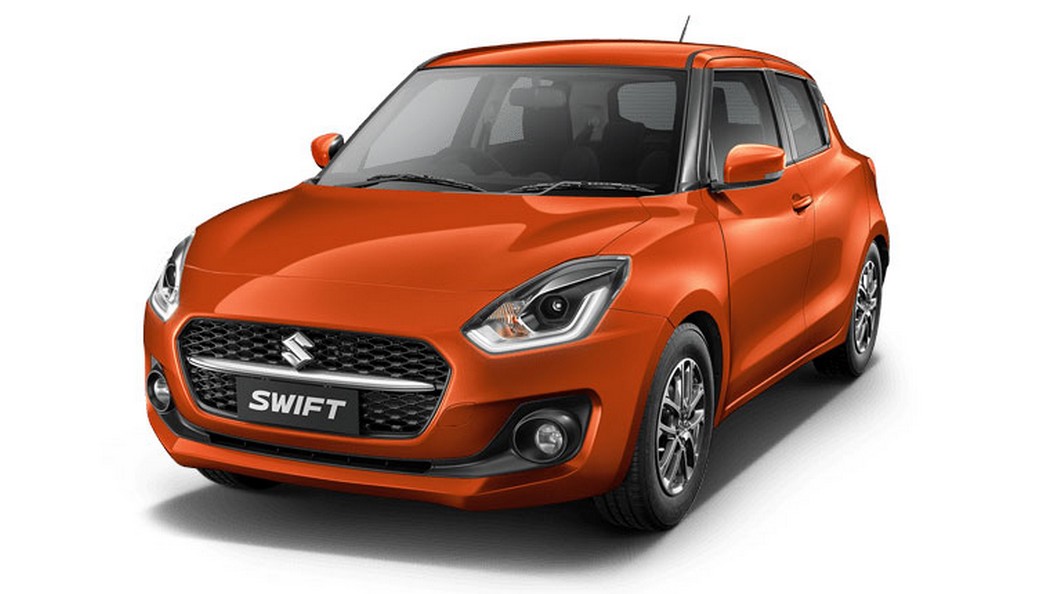
Maruti Suzuki's position is supported by its wide product portfolio, which includes hatchbacks, sedans, compact SUVs, MPVs and utility vehicles. Models such as the Swift, Baleno, Wagon R, Dzire, Brezza, Fronx and Ertiga contribute to its presence across different customer categories.
The company also benefits from its extensive dealership and service network, which remains an important factor for customers in both urban and rural markets.
Despite the year-on-year decline, Maruti Suzuki remained comfortably ahead of every other manufacturer in October.
2. Tata Motors Secures Second Position
Tata Motors secured second position in October 2026 with 73,449 retail registrations and a market share of 14.47%.
Its registrations declined by 8.21% compared with 80,020 units in October 2025. However, Tata remained ahead of Mahindra by 8,467 units during the month.
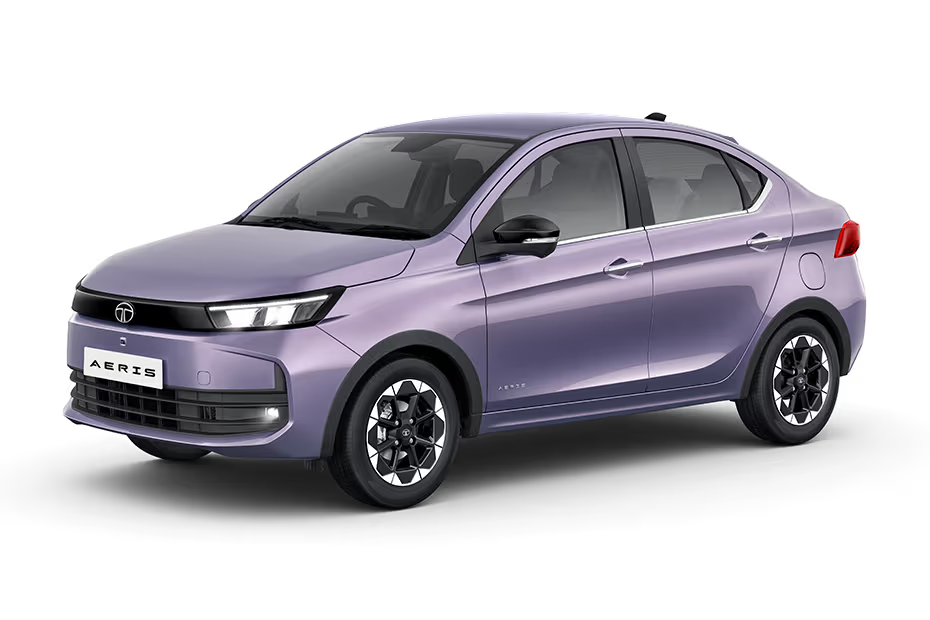
Tata's passenger vehicle portfolio includes popular models such as the Nexon, Punch, Tiago, Altroz, Curvv, Harrier and Safari.
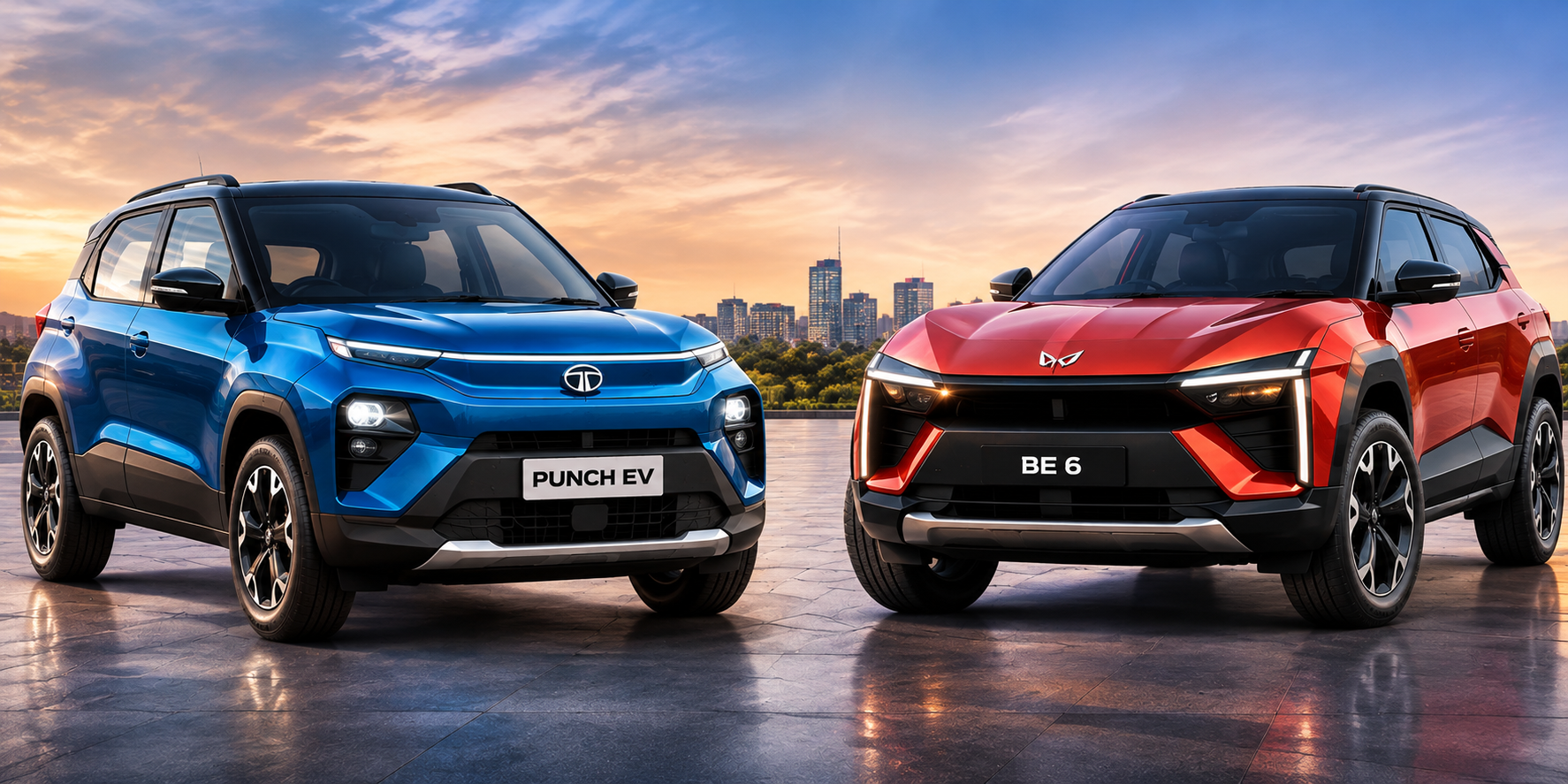
The company also has a strong presence in the electric passenger vehicle segment. Its electric vehicle portfolio, including the Nexon EV, Punch EV, Curvv EV and Harrier EV, supports its position in India's growing EV market.
Tata's second-place position highlights its continued importance in the Indian passenger vehicle industry.
3. Mahindra Maintains Third Position
Mahindra cars recorded 64,982 passenger vehicle retail registrations in October 2026, securing third position with a market share of 12.80%.
Its registrations were lower by 11.88% compared with 73,739 units in October 2025.
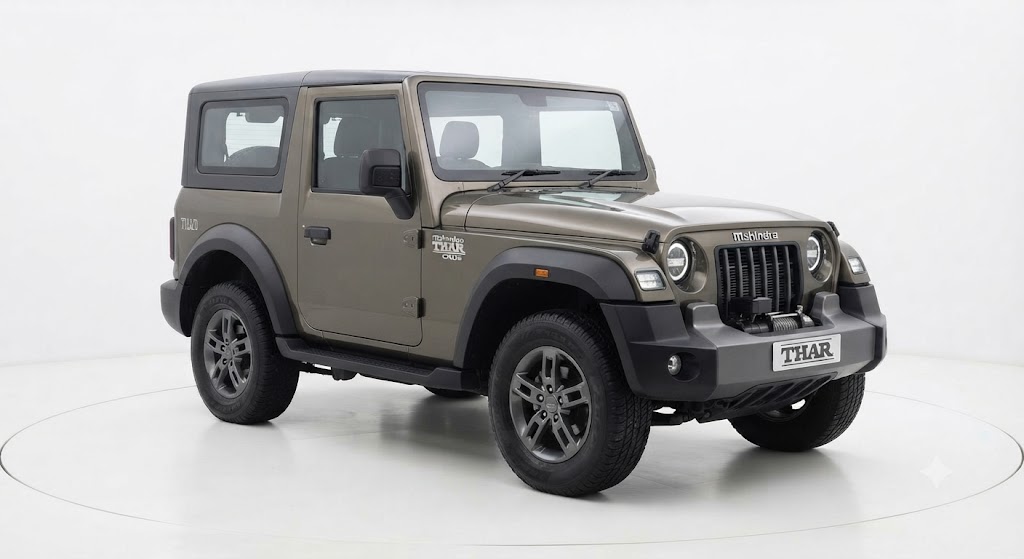
Mahindra's passenger vehicle business is strongly focused on SUVs. Models such as the Scorpio N, Scorpio Classic, Thar, Bolero, XUV 3XO and XUV 7XO contribute to its market presence.
The company is also expanding its electric vehicle portfolio through products such as the BE 6, XEV 9e and XEV 9S.
Although Mahindra remained behind Tata in October, its SUV-focused product strategy continues to make it one of the major competitors in the Indian market.
4. Hyundai Records 58,099 Registrations
Hyundai Motor India recorded 58,099 retail registrations in October 2026, securing fourth position.
Its market share stood at 11.44%, while registrations declined by 16.35% compared with 69,458 units in October 2025.
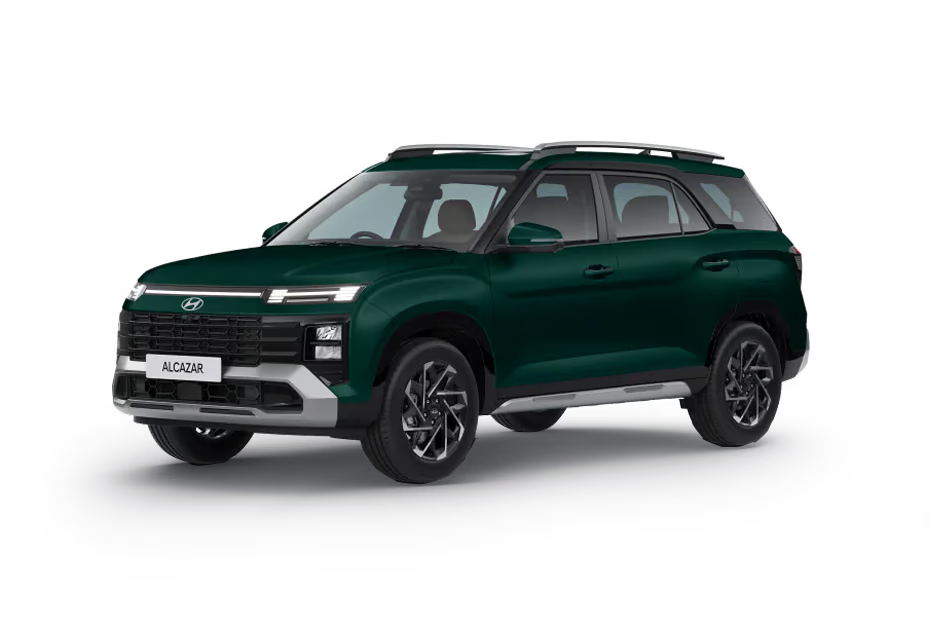
Hyundai's Indian portfolio includes the Creta, Venue, Exter, i20, Grand i10 Nios, Verna, Alcazar .
The Creta and Venue remain important products in the company's SUV strategy. The manufacturer is also expanding its focus on connected technology, electric mobility and updated vehicle offerings.
The year-on-year decline reflects the broader weakness in October retail registrations, although Hyundai continued to maintain its position among India's largest passenger vehicle manufacturers.
5. Kia India Records 30,799 Registrations
Kia cars India secured fifth position with 30,799 retail registrations in October 2026.
The company's registrations declined by 12.99% compared with 35,397 units in October 2025. Its market share stood at 6.07%.
Kia's product range includes the Seltos, Sonet, Carens, Carens Clavis, Syros and EV6.
The Seltos and Sonet are important models in its SUV portfolio, while its Carens range caters to customers looking for practical family vehicles.
Kia continues to compete in several important passenger vehicle categories, including compact SUVs, midsize SUVs and MPVs.
6. Toyota Registers 28,727 Units
Toyota Kirloskar Motor recorded 28,727 retail registrations in October 2026, representing a year-on-year decline of 25.13%.
Its market share stood at 5.66%, placing it behind Kia in the October ranking.
Toyota's Indian portfolio includes the Innova Hycross, Innova Crysta, Fortuner, Hyryder, Glanza, Rumion, Hilux and Camry.
The Innova and Fortuner continue to be important nameplates for the manufacturer, while the Urban Cruiser Hyryder provides a presence in the competitive midsize SUV segment.
Toyota's October performance was lower than the previous year's corresponding month, although its products continue to have a presence across multiple passenger vehicle categories.
7. Skoda-Volkswagen Group Records 9,150 Units
The combined Skoda-Volkswagen group recorded 9,150 retail registrations in October 2026, compared with 13,459 units in October 2025.
This represented a year-on-year decline of approximately 32.01%. The group's market share stood at 1.80%.
The group's Indian product portfolio includes models such as the Skoda Slavia, Kushaq, Kylaq and Kodiaq, along with Volkswagen's Virtus, Taigun .
The combined figure should not be interpreted as the sales of Skoda alone or Volkswagen alone. It represents the group-level retail registrations reported in the FADA comparison.
8. JSW MG Motor Records Year-on-Year Growth
JSW MG Motor recorded 7,082 retail registrations in October 2026, compared with 6,729 units in October 2025.
This represented year-on-year growth of 5.25%, making it one of the few manufacturers among the ten listed brands to report an increase.
Its market share stood at 1.39%.
MG's Indian portfolio includes the Windsor EV, Comet EV, ZS EV, Hector, Astor and Gloster. The company's electric vehicle offerings have become an important part of its strategy in India.
The year-on-year increase indicates that MG managed to improve its retail performance despite the overall decline in passenger vehicle registrations.
9. Honda Records 5,455 Units
Honda Cars India recorded 5,455 retail registrations in October 2026, compared with 7,777 units in October 2025.
This represented a decline of 29.86%, while its market share stood at 1.07%.
Honda's Indian portfolio includes the Amaze, City and Elevate. The company continues to focus on its established sedan and SUV offerings in the domestic market.
The October figures indicate that Honda faced a challenging month compared with the previous year's festive-season performance.
10. Renault Records 3,505 Units
Renault cars India recorded 3,505 retail registrations in October 2026, compared with 5,122 units in October 2025.
Its registrations declined by 31.57%, while its market share stood at 0.69%.
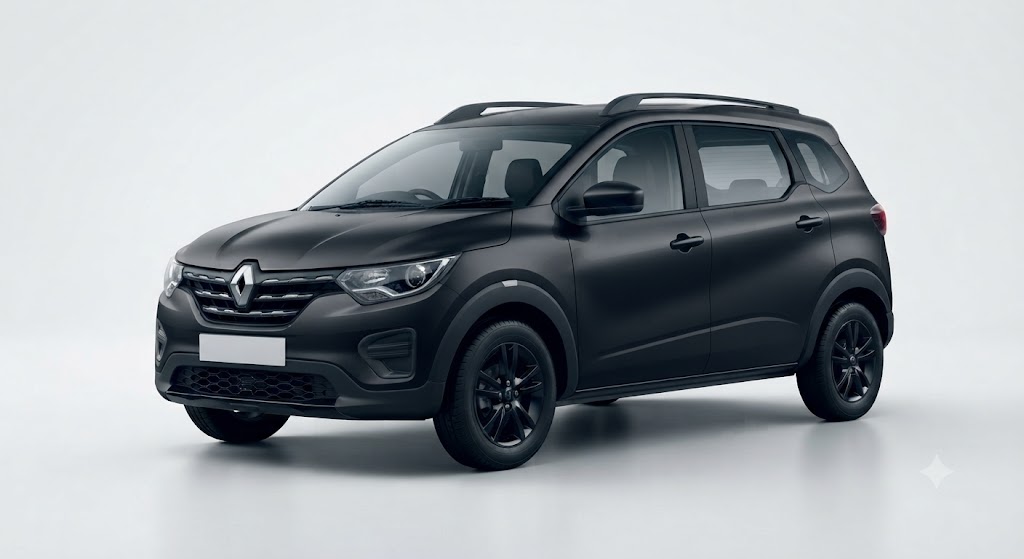
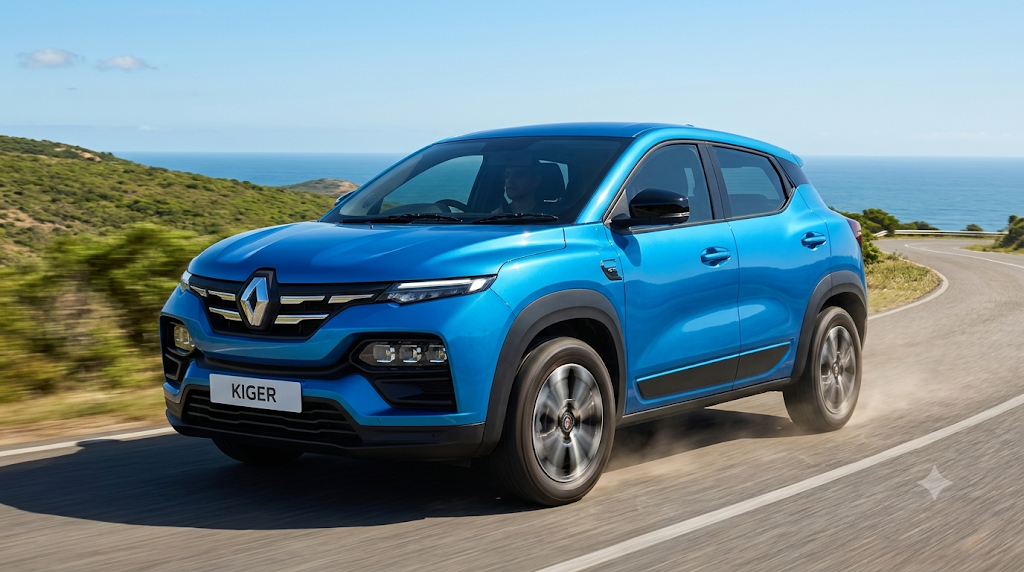
Renault's Indian portfolio includes the Kwid, Triber and Kiger, along with its renewed focus on the Duster nameplate.
The company will look to strengthen its position through product updates and its SUV strategy. Its performance in the coming months will be important as competition in the compact SUV and family vehicle categories remains strong.
Why Did Car Retail Sales Decline in October 2026?
The 14.23% year-on-year decline in passenger vehicle retail registrations should be viewed in the context of the festive calendar.
In October 2025, major festive occasions, including Dhanteras and Diwali, fell within the month. In 2026, these occasions shifted to November.
As a result, some customers may have postponed vehicle purchases to the following month.
Despite the annual decline, passenger vehicle registrations increased by 18.86% compared with September 2026. This indicates that the market continued to record strong month-on-month activity.
The difference between retail registrations and manufacturer dispatches is also important. Retail figures represent vehicles registered with customers, while wholesale figures represent vehicles dispatched by manufacturers to dealerships or other destinations.
These two measures can show different trends during the same month because dealership inventory and delivery timing affect retail registrations.
Electric and Alternative-Fuel Vehicles Gain Attention
October 2026 also highlighted the growing importance of alternative-fuel vehicles in India's passenger vehicle market.
According to FADA data, petrol and ethanol vehicles accounted for 41.60% of passenger vehicle retail registrations. CNG and LPG vehicles held a 24.59% share, while diesel accounted for 16.57%.
Hybrid vehicles recorded a 9.94% share, and electric passenger vehicles accounted for 7.30%.
The electric passenger vehicle segment registered 37,049 units in October 2026, representing growth of 76.47% compared with October 2025.
Tata Passenger Electric Mobility led the electric passenger vehicle market with 14,669 registrations, followed by Mahindra with 8,538 units.
This indicates that electric mobility is becoming an increasingly important part of the competition between established manufacturers and newer EV-focused companies.
What to Expect From the Indian Car Market?
The coming months will be important for manufacturers as they look to maintain demand after the festive season.
Maruti Suzuki will aim to protect its market leadership, while Tata Motors and Mahindra will continue competing for the second position.
Hyundai and Kia will look to strengthen their SUV portfolios, while Toyota will focus on its established products and hybrid offerings. JSW MG Motor will aim to build on its year-on-year growth, while Honda and Renault will look to improve their retail performance.
The market will also be influenced by new launches, vehicle availability, financing costs, customer preferences and the expansion of electric vehicle infrastructure.
November registrations will be particularly important because the main festive buying occasions shifted into that month in 2026.
Conclusion
India's passenger vehicle market recorded 5,07,768 retail registrations in October 2026, with Maruti Suzuki continuing to lead the industry.
Tata Motors secured second position with 73,449 units, followed by Mahindra at 64,982 units. Hyundai, Kia and Toyota completed the next three positions among the leading manufacturers.
JSW MG Motor was one of the notable performers, recording year-on-year growth of 5.25%. Meanwhile, Honda, Renault and the Skoda-Volkswagen group faced sharper declines compared with October 2025.
Although total registrations declined on an annual basis, the market improved strongly over September. The shift in the festive calendar also played an important role in the year-on-year comparison.
 Khyati Sharma 2026-11-10