Hyundai Motor India is preparing to introduce the all-new Bayon, a crossover SUV that will expand the company's presence in India's competitive SUV market. The model is scheduled for its global reveal on October 12, 2026, with further details expected around its design, interior, powertrain and equipment.
The Bayon has already appeared in Hyundai's official design teasers, which preview a sharper exterior and a more contemporary cabin. The upcoming model is expected to occupy a position between the Venue and Creta in Hyundai's Indian lineup, targeting buyers who want a larger and more premium-feeling vehicle than an entry-level compact SUV.
Hyundai has also opened bookings in India for a reported token amount of ₹11,000. The new Bayon is expected to become an important addition to the manufacturer's product portfolio during the 2026 festive season, although its final market launch date and complete specifications remain subject to official confirmation.
Hyundai Bayon Exterior Design
The new Hyundai Bayon is expected to follow the brand's evolving Art of Steel design philosophy. Hyundai's official design sketches preview sculpted body panels, sharp character lines and a more distinctive SUV cars inspired appearance.
At the front, the crossover features an inverted-L-shaped lighting signature, a slim connecting element and vertically arranged headlamp units. These design elements give the vehicle a modern appearance while differentiating it from existing Hyundai SUVs.
The side profile is expected to feature pronounced wheel arches, a sloping roofline, roof rails and dual-tone alloy wheels. At the rear, the design is expected to include distinctive LED tail lamps, a roof-integrated spoiler and a sculpted tailgate.
The India-spec Bayon is expected to measure approximately 4.2 metres in length. Its overall proportions should provide a balance between urban manoeuvrability and cabin practicality.
Hyundai Bayon Interior and Dashboard
The cabin is expected to be one of the key highlights of the new Hyundai Bayon. Teaser images indicate a modern dashboard influenced by the design direction of Hyundai's newer interiors, including the latest-generation i20 showcased in overseas markets.
The expected cabin layout includes a connected dual-screen arrangement for the instrument cluster and infotainment system. A three-spoke steering wheel, a vertically oriented centre console and a contemporary dashboard design are also anticipated.
Hyundai is likely to focus on everyday convenience and technology, with features expected to include automatic climate control, smartphone connectivity, a wireless charging pad and ambient lighting. Higher variants could receive additional comfort and convenience equipment.
A panoramic sunroof and rear-seat comfort features have also been discussed in reports, but the final equipment list will need to be confirmed by the manufacturer.

Expected Engine and Transmission Options
The Hyundai Bayon is expected to use a 1.5-litre naturally aspirated petrol engine related to the unit offered in the Creta. This engine currently produces approximately 115 PS and 144 Nm in the Creta, although the final output figures and tuning for the Bayon may differ.
Expected transmission options include a six-speed manual gearbox and a CVT automatic. This combination would give buyers the choice between conventional manual driving and a more convenient automatic setup for urban traffic.
A factory-fitted CNG option is also anticipated. If introduced as expected, it could help the Bayon appeal to buyers who prioritise lower running costs while wanting the additional space and road presence of a larger crossover.
The CNG version is expected to use an underbody tank arrangement, potentially helping preserve usable luggage space. However, the final CNG specifications, fuel efficiency and availability across variants require official confirmation.
Expected Hyundai Bayon specifications
|
Specification
|
Expected details
|
|
Vehicle type
|
Crossover SUV
|
|
Expected length
|
Approximately 4.2 metres
|
|
Petrol engine
|
1.5-litre naturally aspirated
|
|
Expected petrol power
|
Around 115 PS
|
|
Expected petrol torque
|
Around 144 Nm
|
|
Transmission options
|
Six-speed manual and CVT automatic
|
|
Additional fuel option
|
CNG, expected
|
|
Design language
|
Art of Steel
|
|
Instrumentation
|
Expected dual-screen setup
|
|
India positioning
|
Between Venue and Creta
|
|
Expected price
|
Approximately ₹9 lakh–₹15 lakh, ex-showroom
|
|
Market introduction
|
Expected during the 2026 festive period; exact timing to be confirmed
|
Expected Features and Safety Equipment
Hyundai is expected to offer the Bayon with a technology-focused equipment package designed to compete in the highly competitive compact and mid-size SUV market.
Potential highlights include a digital instrument cluster, touchscreen infotainment system, automatic climate control, connected-car functions, a wireless phone charger and ambient lighting.
On the safety front, the SUV could feature six airbags, electronic stability control, a tyre-pressure monitoring system, ISOFIX child-seat mounts and advanced driver assistance systems on selected variants. The final safety package has not yet been confirmed in full.
The availability of these features across the variant lineup will be important in determining the Bayon's value proposition against similarly priced SUVs.
Hyundai Bayon Expected Price in India
The Hyundai Bayon is expected to be priced between ₹9 lakh and ₹15 lakh, ex-showroom, according to current industry estimates. The company has not yet confirmed the complete variant-wise price list.
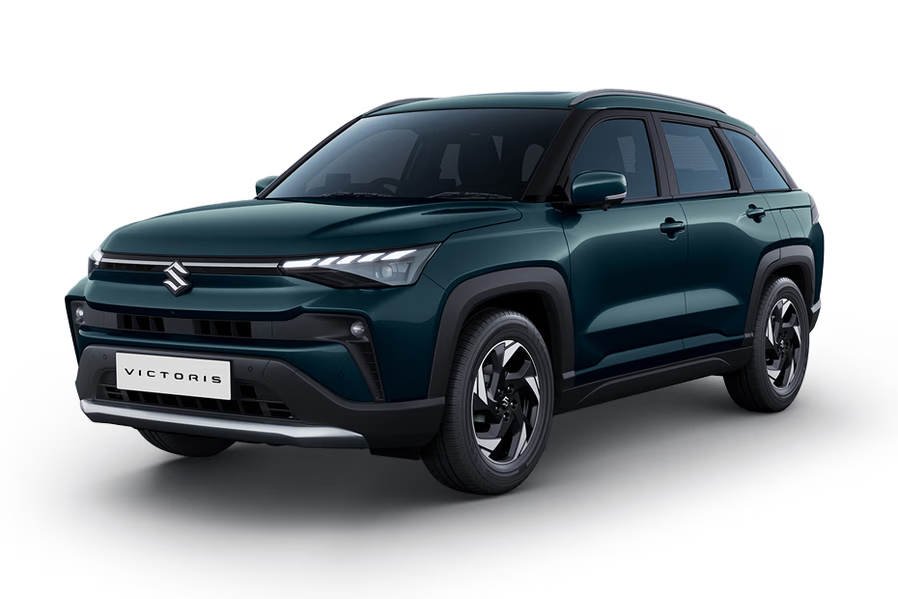
Its pricing will be crucial because the SUV is expected to compete with established models such as the Maruti Suzuki Victoris and Grand Vitara, alongside the Honda Elevate, Skoda Kushaq, Volkswagen Taigun and other vehicles in the broader SUV segment.
Hyundai will also need to position the Bayon carefully alongside its own Venue and Creta. A competitive starting price and a well-equipped range could help the new crossover attract customers looking for a more premium alternative to smaller SUVs.
Hyundai Bayon Rivals in India
The Bayon is expected to enter a crowded market in which customers increasingly compare vehicles on design, technology, cabin space, fuel efficiency and ownership costs.
The Maruti Suzuki Victoris and Grand Vitara are likely to be relevant rivals for buyers considering petrol and alternative-fuel options. The Honda Elevate, Skoda Kushaq and Volkswagen Taigun may also feature in comparisons, depending on the Bayon's final dimensions and pricing.
Hyundai's own Venue and Creta will be important internal reference points. The Bayon will need to offer a clear distinction in size, features or value to establish its own position in the lineup.
When Will the Hyundai Bayon Launch in India?
The new Hyundai Bayon is scheduled for its global reveal on October 12, 2026. The India-market model has already been teased, and bookings have reportedly opened for ₹11,000.
The full commercial launch timeline, final prices and variant details should become clearer as Hyundai releases more information. Buyers interested in the vehicle should check the latest announcement from Hyundai or an authorised dealership before making a purchase decision.

 Khyati Sharma 2026-10-11