The role of software in electric vehicles (EVs) is becoming increasingly significant, transforming the automotive industry in several key ways. This transformation can be attributed to the need for enhanced vehicle performance, improved user experiences, and the integration of advanced technologies. Here are some of the major aspects where software plays a pivotal role in EVs:

1. Battery Management Systems (BMS)
Software is critical in managing the complex dynamics of EV batteries. BMS software monitors battery health, manages charging and discharging cycles, and ensures optimal performance and longevity. It also helps in predicting battery life and scheduling maintenance, thus improving the overall reliability of the vehicle.

2. Autonomous Driving and Advanced Driver Assistance Systems (ADAS)
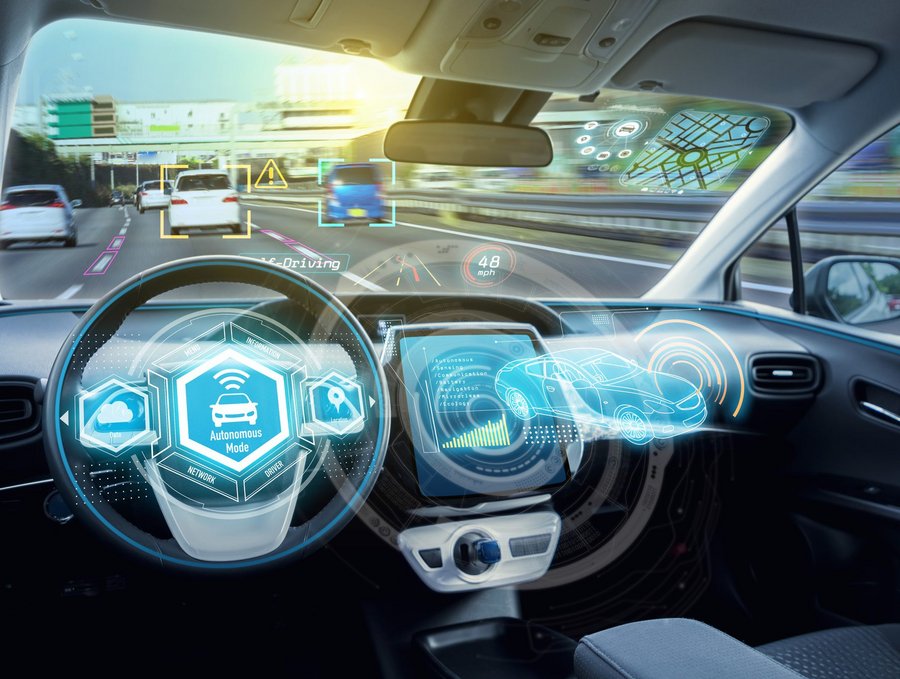
EVs are at the forefront of the autonomous driving revolution. Software algorithms and artificial intelligence (AI) are essential for the development of autonomous driving capabilities. These systems use sensors, cameras, and radar to interpret the environment, make decisions, and control the vehicle with minimal human intervention. ADAS features, such as lane-keeping assistance, adaptive cruise control, and automatic emergency braking, rely heavily on sophisticated software.
3. Vehicle-to-Everything (V2X) Communication
The software enables EVs to communicate with other vehicles (V2V), infrastructure (V2I), and even the power grid (V2G). This connectivity is crucial for traffic management, enhancing safety, and optimizing energy usage. V2X communication helps in reducing congestion, improving navigation, and enabling more efficient use of renewable energy sources.
4. Infotainment and Connectivity
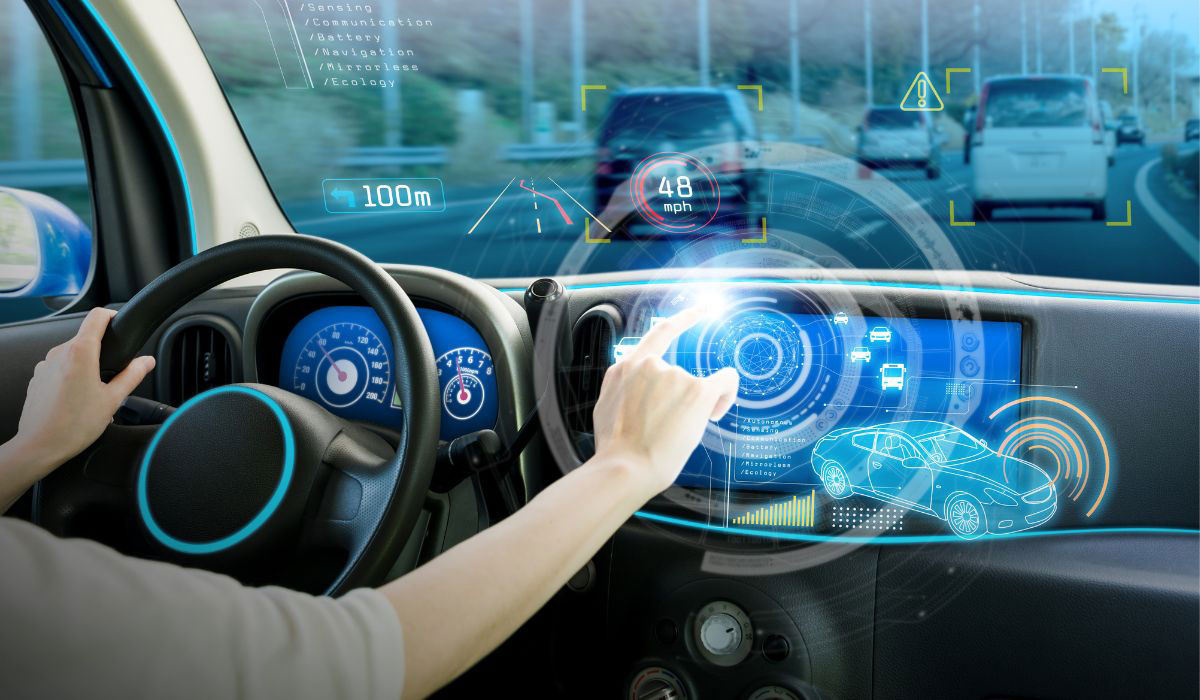
Modern EVs come equipped with advanced infotainment systems that provide a seamless user experience. These systems integrate navigation, entertainment, and communication functions, all controlled by sophisticated software. Over-the-air (OTA) updates allow manufacturers to improve these systems continuously, adding new features and fixing bugs without requiring a visit to the service center.
5. Performance Optimization
The software allows for real-time monitoring and optimization of various vehicle parameters, such as torque distribution, regenerative braking, and thermal management. By adjusting these parameters based on driving conditions, software helps in maximizing efficiency and performance.

6. Energy Management and Efficiency
Advanced software algorithms are used to manage the distribution of energy within the vehicle, ensuring that power is used efficiently. This includes optimizing the performance of electric motors, climate control systems, and other energy-consuming components. Efficient energy management is crucial for extending the range of EVs and improving their overall sustainability.
7. Customization and Personalization
The software enables a high degree of customization and personalization in EVs. Drivers can adjust settings for different driving modes, climate preferences, and infotainment options according to their preferences. This level of personalization enhances the driving experience and makes the vehicle more user-friendly.
8. Predictive Maintenance and Diagnostics
Software plays a key role in predictive maintenance by continuously monitoring the condition of various vehicle components. It can predict potential issues before they become serious problems, allowing for timely maintenance and reducing downtime. Diagnostic software helps in identifying and troubleshooting issues quickly and accurately.
9. Cyber security
As EVs become more connected, they also become more vulnerable to cyber threats. Robust cybersecurity software is essential to protect the vehicle’s systems from hacking and unauthorized access. This includes encryption, secure communication protocols, and regular security updates to ensure the integrity and safety of the vehicle.

Conclusion
The rising role of software in electric vehicles is reshaping the automotive landscape, offering significant improvements in performance, safety, efficiency, and user experience. As technology continues to evolve, software will play an even more critical role in the development of next-generation EVs, driving the transition towards a more sustainable and connected future.






















 (1).avif)