
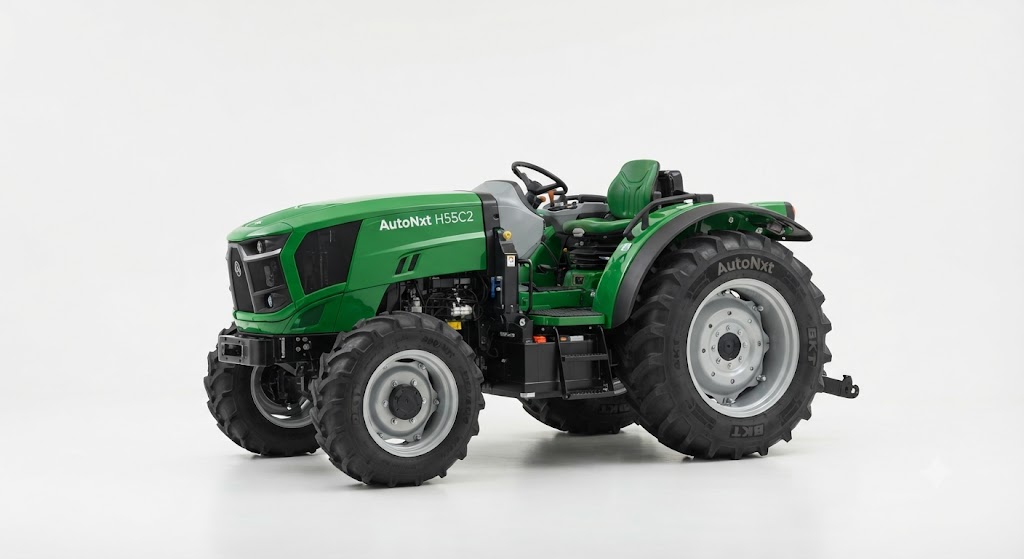
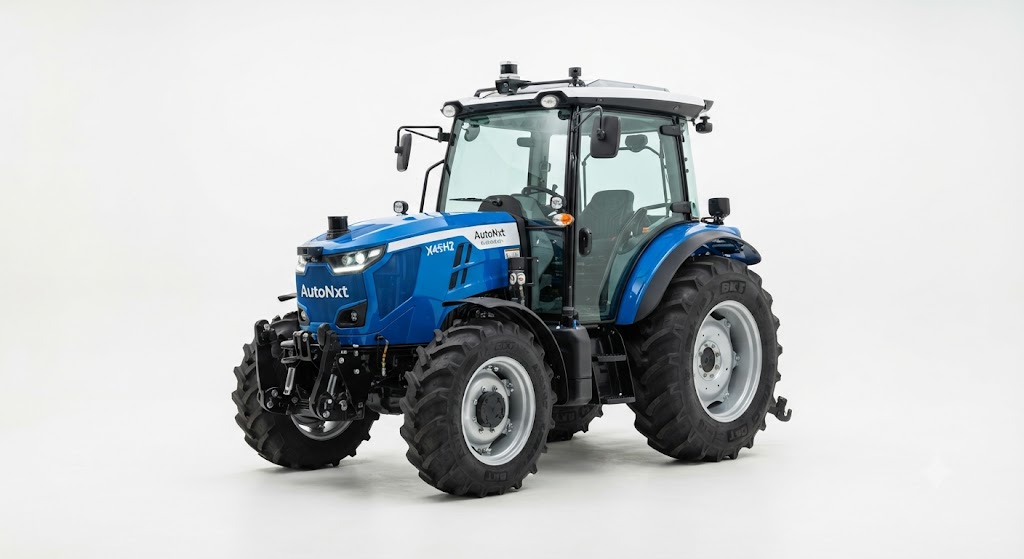
AutoNxt Automation is an Indian agritech/e-mobility startup that has entered the tractor market with electric tractor offerings.
Key points:
Because AutoNxt is a relatively new entrant and is still scaling, the model portfolio is not as broad as long-established tractor manufacturers, and sales data is limited in the public domain.
Selected Tractor Models & Basic Features
Here are some of the key models (or announced variants) from AutoNxt, with approximate categories and highlight features:
|
Model |
HP Category* |
Key Features Description |
|
X25H4 / X25H2 |
≈ 25 HP electric |
Compact electric tractor with ~15 kW motor (≈ 25 HP equivalent) for smaller farms/haulage. |
|
X45H2 / X45H4 |
≈ 45 HP electric |
Main commercial model launched. 32 kW motor, ~35-38 kWh battery, ~8 hours work time, rapid charging (2-4 hrs) and smart hydraulics/auto-steering options. |
|
X60H2 / X60H4 |
≈ 60 HP electric (announced) |
Higher power variant in pipeline, for heavier duty work/haulage, expanding the portfolio. |
* “HP category” is approximate and in electric-equivalent terms, as electric traction plays differently from conventional diesel tractors.
AutoNxt represents an emerging and innovative player in the Indian tractor market, especially focused on electric tractors rather than conventional diesel models. Their product line currently centres around approx 25 HP to 60 HP variants with electric drivetrains, smart features and a broader target including industrial/haulage usage beyond just agriculture. While the model portfolio is defined and the launch is underway, sales volume and model-wise monthly statistics are still scarce in the public domain — reflecting the early stage of commercialisation.
September - ,August - ,July - this is the last 3 month Sales of







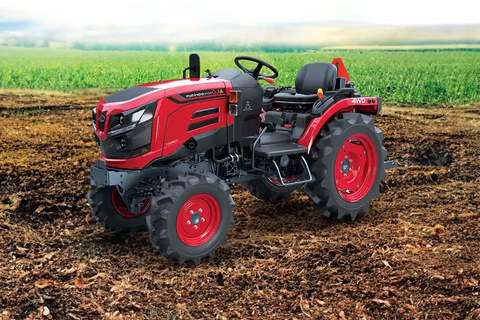
5.96 Lakh Onwards
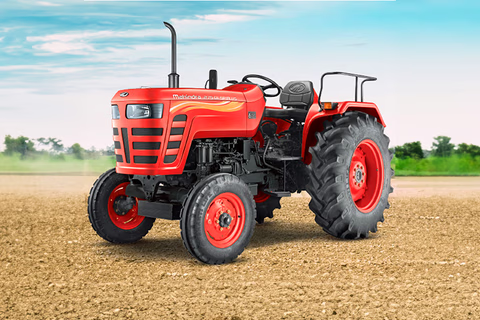
6.31 Lakh Onwards
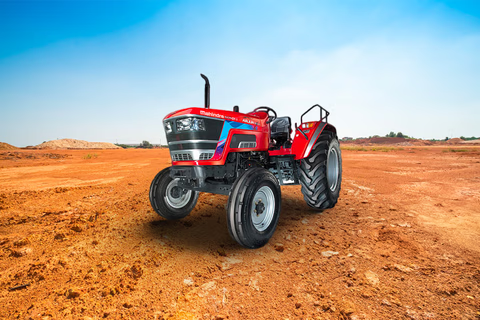
8.46 Lakh Onwards
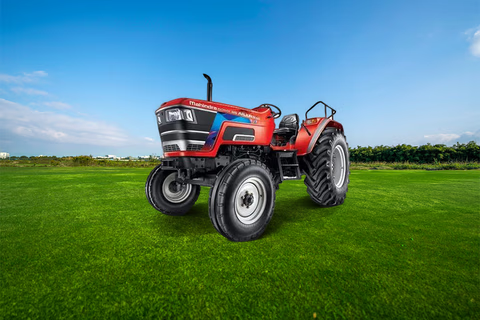
14.75 Lakh Onwards
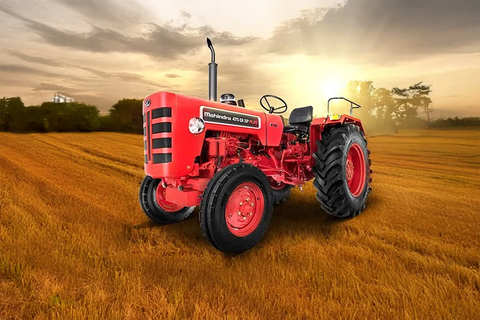
7.33 Lakh Onwards

7.81 Lakh Onwards
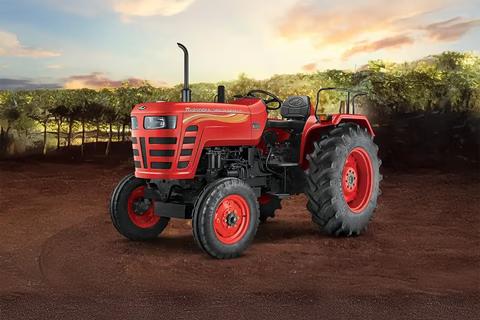
7.1 Lakh Onwards
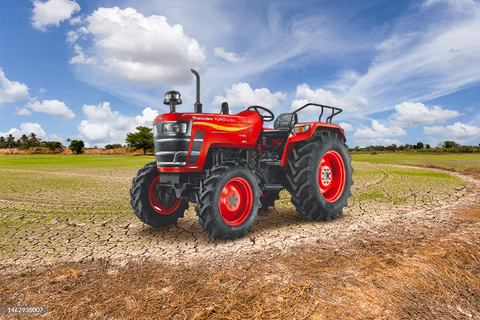
7.75 Lakh Onwards

6.95 Lakh Onwards

6.95 Lakh Onwards












.webp)