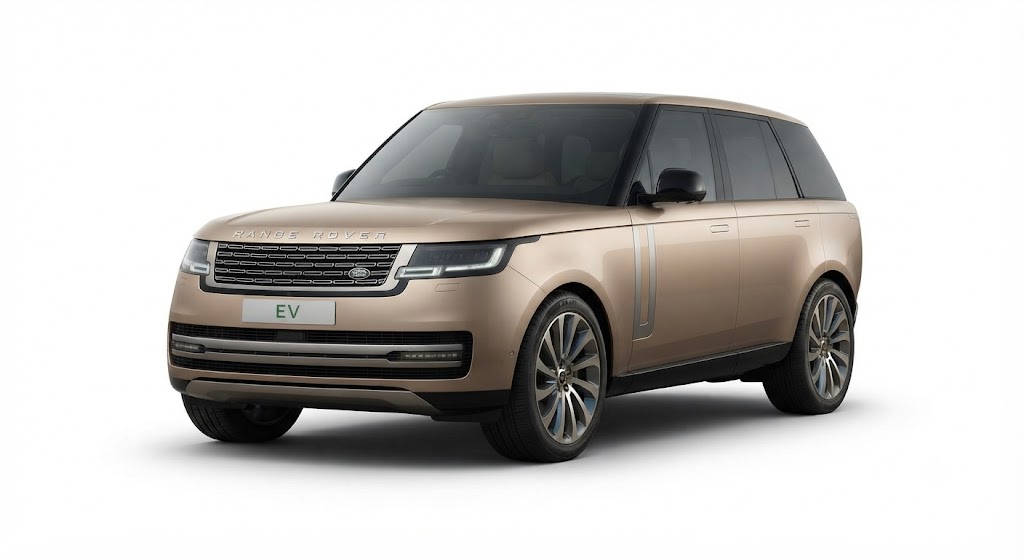
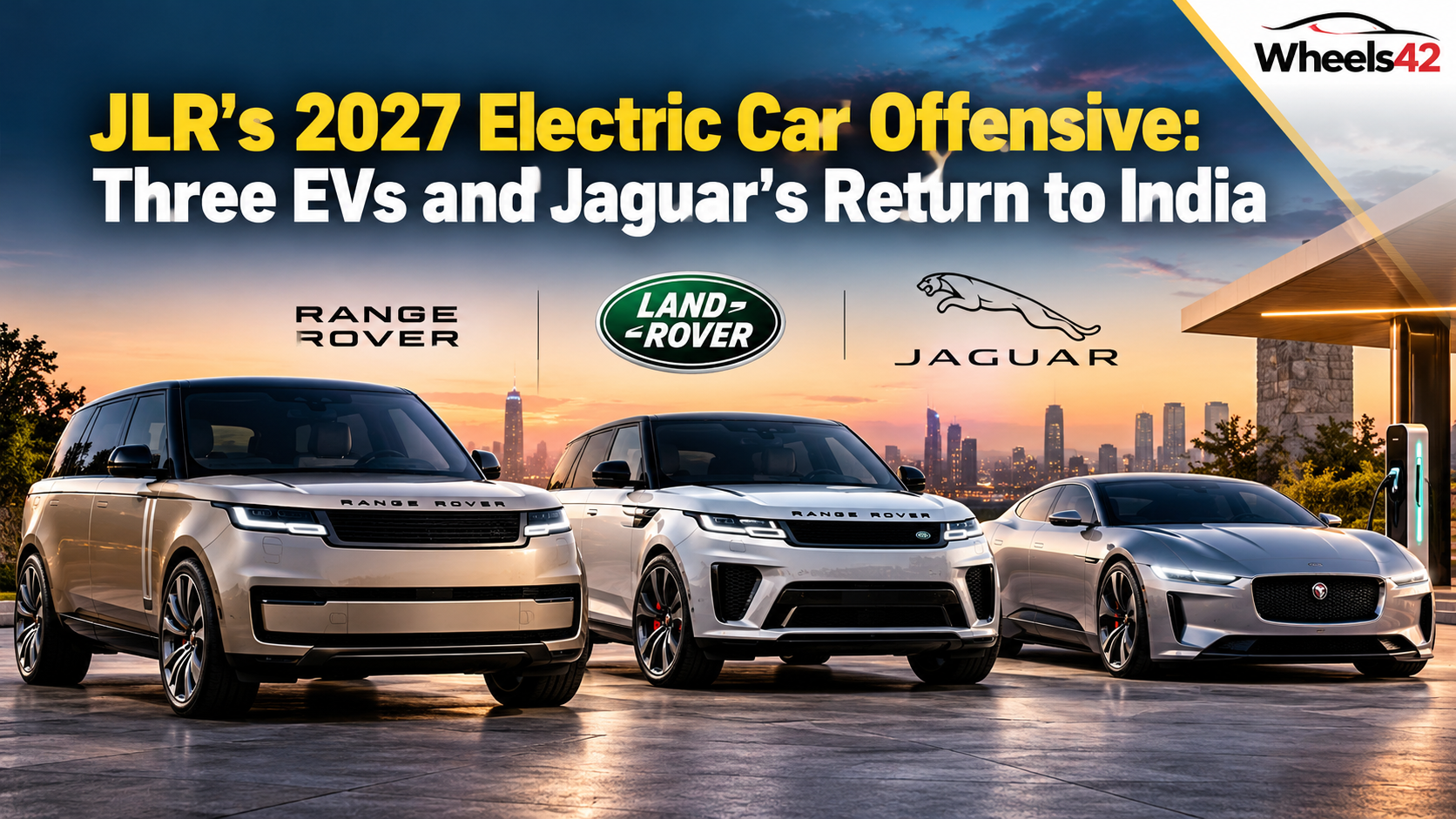
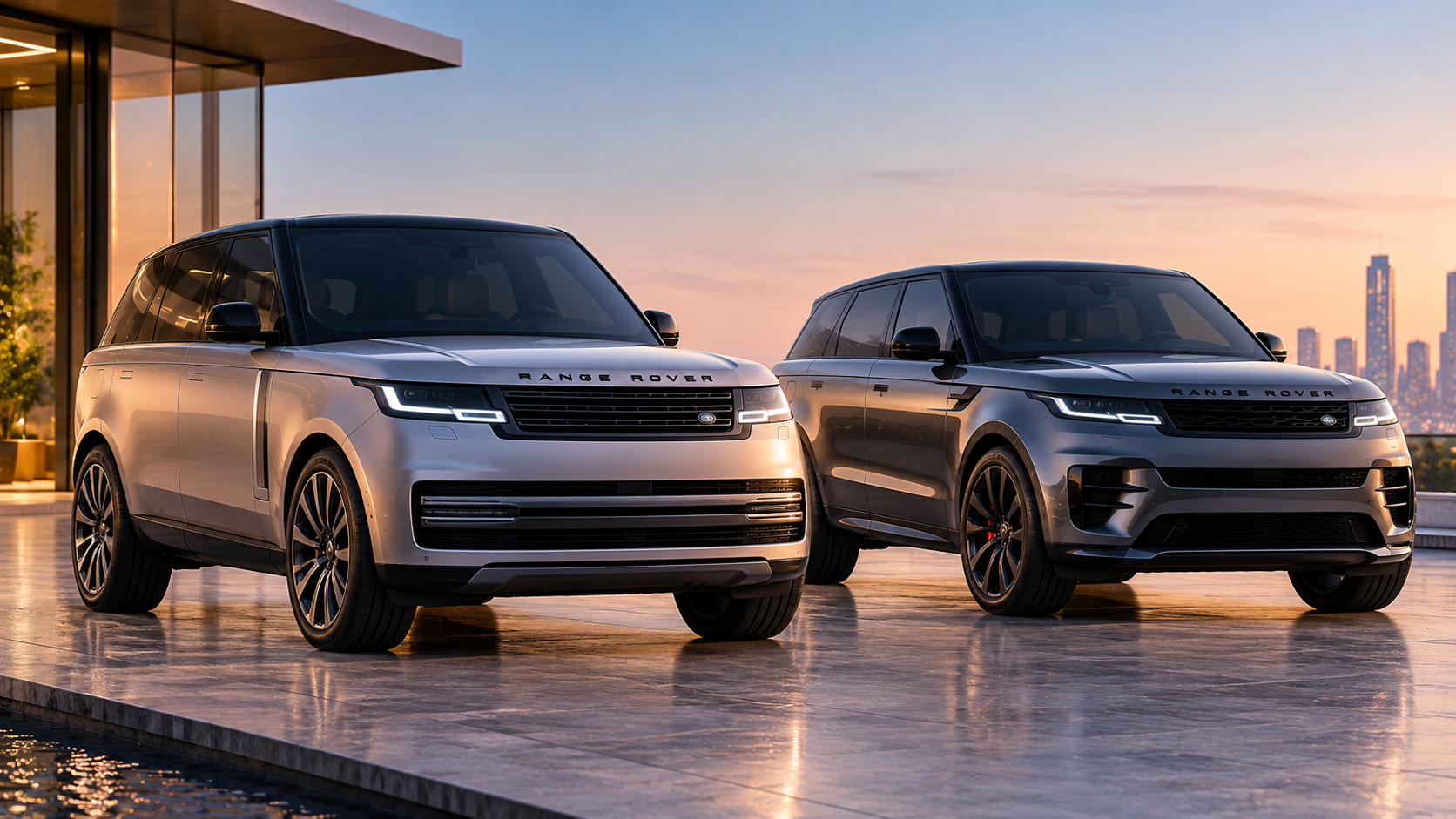
Jaguar Land Rover (JLR) is preparing to expand its luxury electric cars and other vehicle portfolio in India with the upcoming launch of the all-electric Range Rover and Range Rover Sport Electric. Both SUVs are expected to arrive in the Indian market in the second half of 2027, giving luxury car buyers two premium electric alternatives to their petrol and diesel-powered counterparts.
The upcoming models will mark an important step in Range Rover’s electrification strategy. However, unlike the internal-combustion-engine versions that are assembled locally, both electric SUVs are initially expected to be imported into India as completely built units (CBUs). JLR plans to assess customer demand before deciding whether local assembly would make commercial sense.
The launch timeline was discussed by Range Rover global managing director Martin Limpert during a global media drive. The company has not yet announced an exact Indian launch date, prices or final India-specific specifications.
Range Rover Electric and Range Rover Sport Electric: What to Expect
The Range Rover Electric will target customers looking for a full-size luxury SUV with a quiet electric powertrain, premium comfort and strong performance. The Range Rover Sport Electric, meanwhile, is expected to appeal to buyers who prefer a more dynamic and performance-oriented luxury SUV.
Both models are designed to retain the familiar Range Rover identity while replacing conventional combustion engines with battery-electric powertrains. Their expected highlights include smooth acceleration, a refined cabin experience and the ability to travel without tailpipe emissions.
The electric SUVs are based on JLR’s MLA-Flex architecture, which also underpins the brand’s combustion-engine models. This flexible platform supports different powertrain technologies, allowing the company to offer petrol, diesel, plug-in hybrid and fully electric options across its portfolio.
Range Rover Electric India Launch Timeline
The latest reports indicate that the Range Rover Electric and Range Rover Sport Electric are expected to reach India during the second half of 2027. Earlier estimates and online listings had suggested an earlier arrival, but the latest comments from Range Rover management point towards the latter half of the year.
Customers should therefore wait for an official announcement from JLR India before making purchase plans based on a specific month or quarter.
The two SUVs will strengthen the company’s presence in the premium electric vehicle segment, where buyers increasingly expect a combination of long-distance capability, advanced technology, comfort and performance.
Both Electric SUVs to Arrive as CBU Imports
One of the key details surrounding the Indian launch is JLR’s decision to initially import both electric SUVs as completely built units.
The company already assembles the conventional Range Rover and Range Rover Sport in India. However, the electric versions will initially be manufactured overseas and imported as finished vehicles.
According to Range Rover global managing director Martin Limpert, the company intends to test the market before deciding whether to introduce local assembly. The decision will depend on how Indian customers respond to the new electric models.
This approach allows JLR to introduce the vehicles without immediately committing to domestic production. It also gives the manufacturer time to evaluate demand, pricing considerations and the long-term potential of luxury electric SUVs in India.
Because the vehicles will initially arrive as imports, their final Indian prices could be significantly higher than those of locally assembled models. Import duties, logistics expenses and the applicable taxes will all influence their positioning.
Why JLR Is Taking a Flexible Approach
JLR’s strategy reflects the changing nature of the luxury vehicle market. While electric vehicles are attracting interest, demand can vary depending on purchase prices, charging infrastructure, driving requirements and customer preferences.
By offering multiple powertrain choices, Range Rover can serve buyers who want a fully electric vehicle while continuing to cater to customers who prefer conventional engines or plug-in hybrid technology.
The decision to delay a commitment to local assembly also gives the company an opportunity to assess the sales potential of its electric SUVs before making further manufacturing investments.
The MLA-Flex platform provides manufacturing flexibility, but the existence of a shared architecture does not automatically mean that local production will be commercially viable. JLR will need to consider production volumes, component sourcing, import costs and customer demand before making that decision.
Expected Specifications and Performance
Full India-specific specifications for the Range Rover Electric and Range Rover Sport Electric have not yet been announced. International specifications and final equipment details may differ from the versions eventually offered in India.
The Range Rover Sport Electric has been presented as a performance-focused luxury EV. Internationally announced specifications include a 118.5kWh battery, an 800-volt electrical architecture, up to 550PS of power and 850Nm of torque. The manufacturer has also quoted a WLTP driving range of up to 609km for the Sport Electric.
These figures relate to international specifications and should not be treated as confirmed Indian-market figures. Actual driving range can vary with speed, temperature, road conditions, passenger load, wheel and tyre configuration, and climate-control use.
The larger Range Rover Electric is also expected to focus on a combination of luxury, refinement and electric performance. Its final Indian specifications, charging details and equipment list remain unconfirmed.
Expected Price in India
JLR has not officially announced the India prices of either electric SUV. Their positioning in the ultra-luxury segment, combined with the initial CBU import strategy, suggests that both models will be premium offerings.
The Range Rover Electric is expected to sit above many mainstream luxury electric SUVs, while the Range Rover Sport Electric could attract customers looking for a sportier alternative.
Any prices currently circulated by automotive websites should be treated as estimates until JLR releases official figures. The final cost will depend on the chosen variants, equipment, import-related expenses and applicable taxes.
What This Means for India's Luxury EV Market
The arrival of the two electric Range Rover models could give Indian luxury-car buyers more choice at the top end of the electric SUV market. Their combination of brand recognition, premium interiors, advanced technology and electric propulsion could appeal to buyers seeking a high-end alternative to conventional luxury SUVs.
However, their success will depend on more than performance alone. Purchase price, access to reliable charging, after-sales support, real-world driving range and long-distance travel convenience will be important considerations for potential customers.
The initial CBU strategy will also be a significant factor in their market positioning. If demand proves strong, JLR could evaluate whether local assembly is worthwhile in the future, although no such commitment has been announced.
Conclusion
The Range Rover Electric and Range Rover Sport Electric are expected to launch in India in the second half of 2027, expanding JLR’s premium electric vehicle line-up. Both SUVs will initially arrive as completely built imports while the company evaluates customer response and the potential for local assembly.
Prices, final Indian specifications and exact launch dates remain under wraps. Buyers interested in either model should watch for official announcements from JLR India as the expected launch period approaches.

 Khyati Sharma 2026-10-28