
 Khyati Sharma 2026-10-07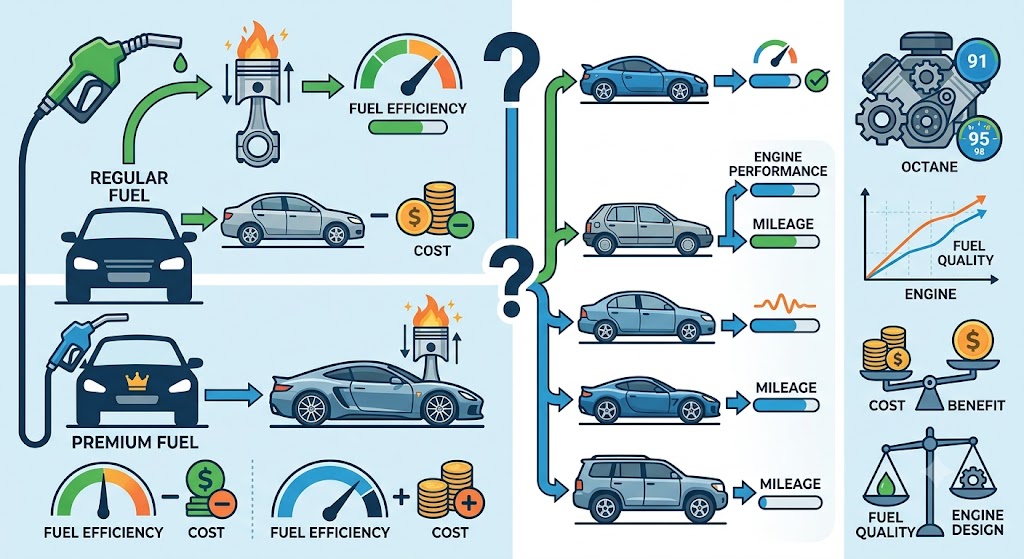
Premium petrol is often promoted as a better fuel option for drivers who want improved performance, smoother acceleration and better mileage. It usually has a higher octane rating than regular petrol and may contain additional detergent additives designed to help keep certain engine components clean.
But does filling your car with premium petrol automatically improve fuel efficiency? The answer is no. Premium petrol does not improve mileage in every car, and in some vehicles, the difference in fuel economy may be negligible or impossible to notice during everyday driving.
The actual benefit depends on the engine's design, the manufacturer's recommended octane rating, driving conditions and the price difference between regular and premium fuel. Some high-performance and turbocharged engines can benefit from higher-octane petrol, while many ordinary petrol cars are designed to operate efficiently on regular fuel.
In this article, we explain how premium petrol works, whether it can improve mileage, when it is worth buying and how drivers can reduce fuel expenses.
Premium petrol is a higher-octane grade of petrol designed to resist engine knocking under pressure. In India, regular petrol commonly has a research octane number (RON) of around 91, while premium products may offer higher octane ratings, depending on the fuel brand and product.
Octane rating measures a fuel's resistance to knocking, which occurs when the air-fuel mixture burns in an uncontrolled way inside the engine. Engine knocking can reduce performance and, under severe conditions, cause engine damage.
A higher octane rating does not automatically mean that petrol contains more energy or produces better mileage. Its main purpose is to allow suitable engines to operate under higher compression or more advanced ignition timing without knocking.
Premium petrol may also contain additional detergent additives or other formulation differences, depending on the product. These additives can help maintain fuel-system cleanliness, but their benefits vary with the fuel formulation and the condition of the vehicle.
The most important point is that premium petrol is not necessarily more energy-rich than regular petrol. Its value depends on whether the vehicle's engine can make effective use of its properties.
Premium petrol can improve mileage in certain vehicles, but it does not guarantee better fuel economy in every car.
Modern engines use electronic engine management systems to adjust ignition timing and other operating parameters. In some engines, higher-octane fuel allows the system to use more favourable ignition timing or boost pressure, potentially improving performance and sometimes efficiency.
However, if an engine is designed to run on regular petrol and does not benefit from a higher octane rating, switching to premium fuel may make little or no measurable difference to mileage.
For example, a small naturally aspirated petrol hatchback designed for regular petrol may deliver almost identical fuel economy with premium petrol under the same driving conditions. The extra money spent on the premium grade may not be recovered through fuel savings.
On the other hand, a high-performance turbocharged engine that requires or recommends higher-octane petrol may experience reduced performance or efficiency if it is run on fuel with an insufficient octane rating.
Therefore, the result depends on the engine rather than simply the price or marketing of the petrol.
| Feature | Regular Petrol | Premium Petrol |
|---|---|---|
| Octane rating | Commonly around 91 RON in India | Higher RON, depending on product |
| Knocking resistance | Suitable for engines designed for regular fuel | Greater resistance to knocking |
| Mileage improvement | Depends on engine and driving conditions | Possible in compatible engines, not guaranteed |
| Engine performance | Appropriate for engines designed for its octane rating | May benefit engines designed to use higher octane |
| Fuel price | Usually lower | Usually higher |
| Best use | Everyday cars approved for regular petrol | Vehicles requiring or benefiting from higher octane |

Certain engines are specifically designed to take advantage of higher-octane fuel.
High-compression engines
High-compression engines generate greater pressure and temperature inside the cylinder. They may require higher-octane petrol to operate safely and efficiently without knocking.
If the manufacturer specifies premium petrol, using the recommended grade helps the engine deliver its intended performance.
Turbocharged engines
Turbochargers force more air into the engine, increasing power output. This can also increase the tendency for knocking under certain conditions.
Some turbocharged engines can adjust their ignition timing when lower-octane fuel is detected. While this can protect the engine, it may reduce performance and potentially affect efficiency. Higher-octane petrol may allow these engines to operate closer to their intended settings.
High-performance cars
Sports cars and performance-oriented vehicles may be calibrated for premium fuel. In these vehicles, using the recommended octane grade can help maintain power, responsiveness and proper engine operation.
However, even in these cases, the mileage improvement is not guaranteed. The main benefit may be maintaining the performance level intended by the manufacturer rather than increasing kilometres per litre.
Many everyday petrol cars are engineered to run efficiently on regular petrol. Their compression ratios, ignition systems and engine management settings are designed around the recommended fuel grade.
Using a higher-octane fuel does not necessarily cause the engine to inject less fuel or produce more energy from every litre.
If the engine cannot take advantage of the higher octane rating, the result may be virtually identical mileage.
Other factors often have a much greater effect on fuel economy, including traffic congestion, tyre pressure, air-conditioning use, vehicle load, acceleration habits and maintenance condition.
For instance, a driver who accelerates aggressively and brakes frequently may use more fuel than someone who drives smoothly, regardless of whether either person uses regular or premium petrol.
This is why drivers should not assume that switching to expensive fuel is the easiest way to improve mileage.
Some premium petrol products contain detergent additives intended to help control deposits in fuel injectors and other parts of the fuel system.
Keeping these components clean can help maintain proper fuel delivery and engine operation. If a vehicle has deposit-related problems that an additive can address, the appropriate fuel formulation may help over time.
However, premium petrol should not be treated as a guaranteed engine-cleaning solution. The type and concentration of additives differ between products, and the effect depends on the vehicle's condition and maintenance history.
A car that is already operating correctly may not show any noticeable improvement after switching fuels. Severe deposits or mechanical problems may require professional inspection and appropriate servicing.
Drivers should also follow the vehicle manufacturer's maintenance recommendations rather than relying on premium fuel as a substitute for servicing.
The financial benefit depends on the price difference and the amount of fuel saved, if any.
Consider a hypothetical example in which regular petrol costs ₹100 per litre and premium petrol costs ₹110 per litre. These figures are illustrative and do not represent current fuel prices at a particular station.
Assume a car travels 1,000 km each month and delivers 15 km/litre on regular petrol.
The car would need approximately 66.7 litres of regular petrol, costing around ₹6,667.
If premium petrol improves mileage by 3%, the car would deliver approximately 15.45 km/litre. It would need around 64.7 litres to travel the same distance. At ₹110 per litre, the cost would be approximately ₹7,117.
| Particulars | Regular Petrol | Premium Petrol |
|---|---|---|
| Assumed price per litre | ₹100 | ₹110 |
| Assumed mileage | 15 km/l | 15.45 km/l |
| Monthly distance | 1,000 km | 1,000 km |
| Fuel required | 66.7 litres | 64.7 litres |
| Approximate monthly cost | ₹6,667 | ₹7,117 |
For premium petrol to become cheaper overall in this example, the mileage improvement would need to be greater than approximately 10%, assuming the same prices and regular-petrol mileage. The actual break-even point depends on the fuel prices and the vehicle's real-world efficiency.
This calculation shows why even a measurable mileage improvement does not automatically make premium petrol more economical.
If you want to know whether premium petrol is beneficial for your car, the best approach is to compare fuel consumption under similar driving conditions.
Start by checking the owner's manual or the fuel recommendation label. If your car requires premium petrol, use the specified grade. If regular petrol is permitted, you can assess whether a premium option offers any practical advantage.
Follow these steps:
Fill the tank with the recommended regular petrol and record the odometer reading.
Drive normally and calculate the mileage over a meaningful distance.
Repeat the process using premium petrol, preferably on similar routes and under similar traffic conditions.
Calculate fuel economy using the actual litres consumed rather than relying entirely on the dashboard display.
Compare the cost per kilometre, not just the kilometres per litre.
For a fair comparison, try to keep your driving style, tyre pressure, passenger load and air-conditioning use consistent. A single tank may not provide a reliable result because traffic and weather can affect consumption.
For most drivers, improving driving habits and maintaining the vehicle properly can be more effective than paying extra for premium petrol.
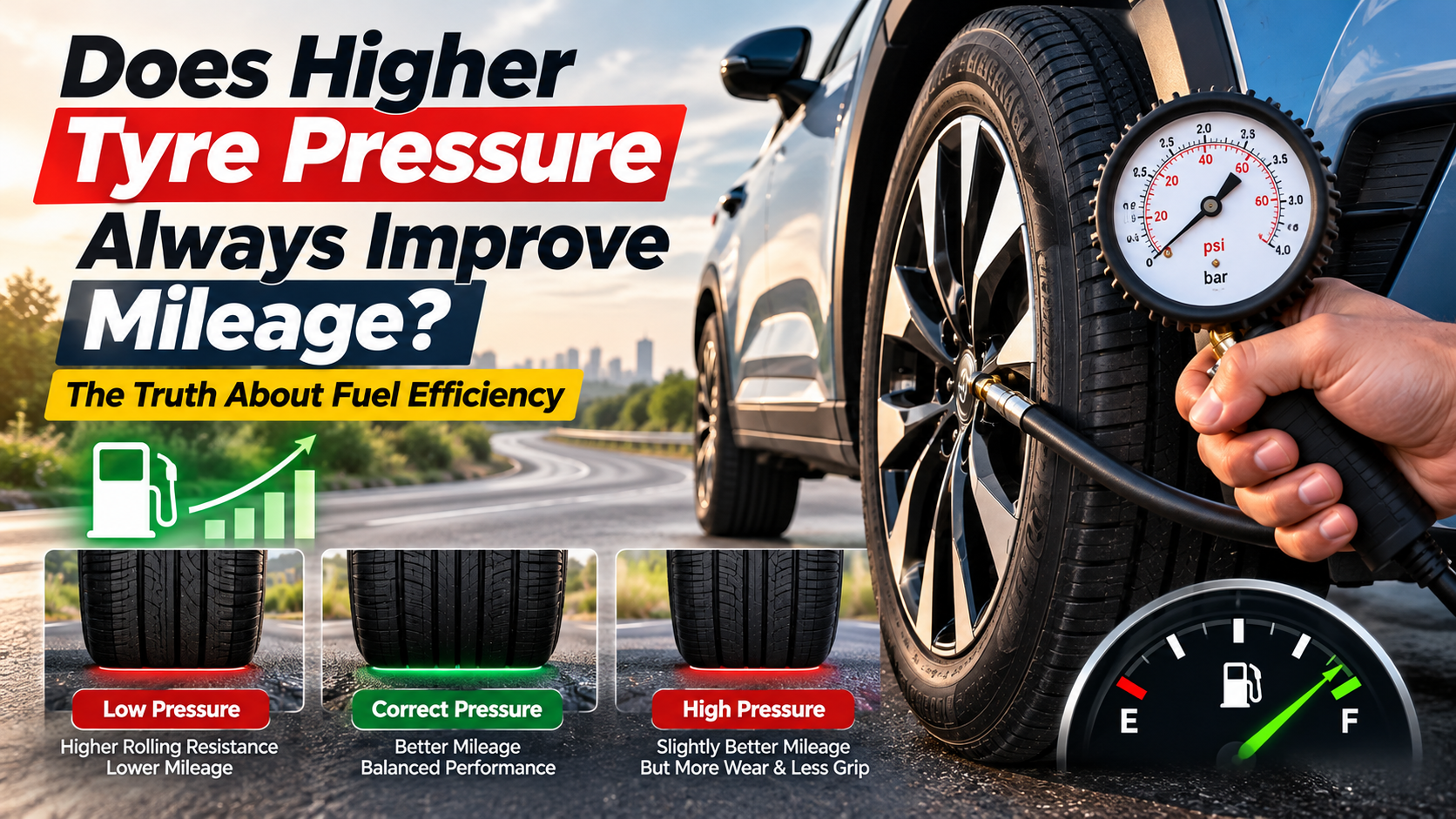
Maintain correct tyre pressure: Underinflated tyres increase rolling resistance and can reduce fuel efficiency. Check tyre pressure regularly according to the manufacturer's recommendations.
Drive smoothly: Gradual acceleration and anticipating traffic can reduce unnecessary fuel consumption. Repeated hard acceleration and braking waste energy.
Avoid excessive idling: Leaving the engine running while parked consumes fuel without moving the car.
Remove unnecessary weight: Heavy luggage and unused accessories can increase fuel consumption, particularly in city driving.
Service the car regularly: Correct engine oil, clean filters, healthy spark plugs and properly functioning engine components help maintain efficiency.
Plan your routes: Combining errands and avoiding congested routes where practical can reduce unnecessary distance and time spent in traffic.
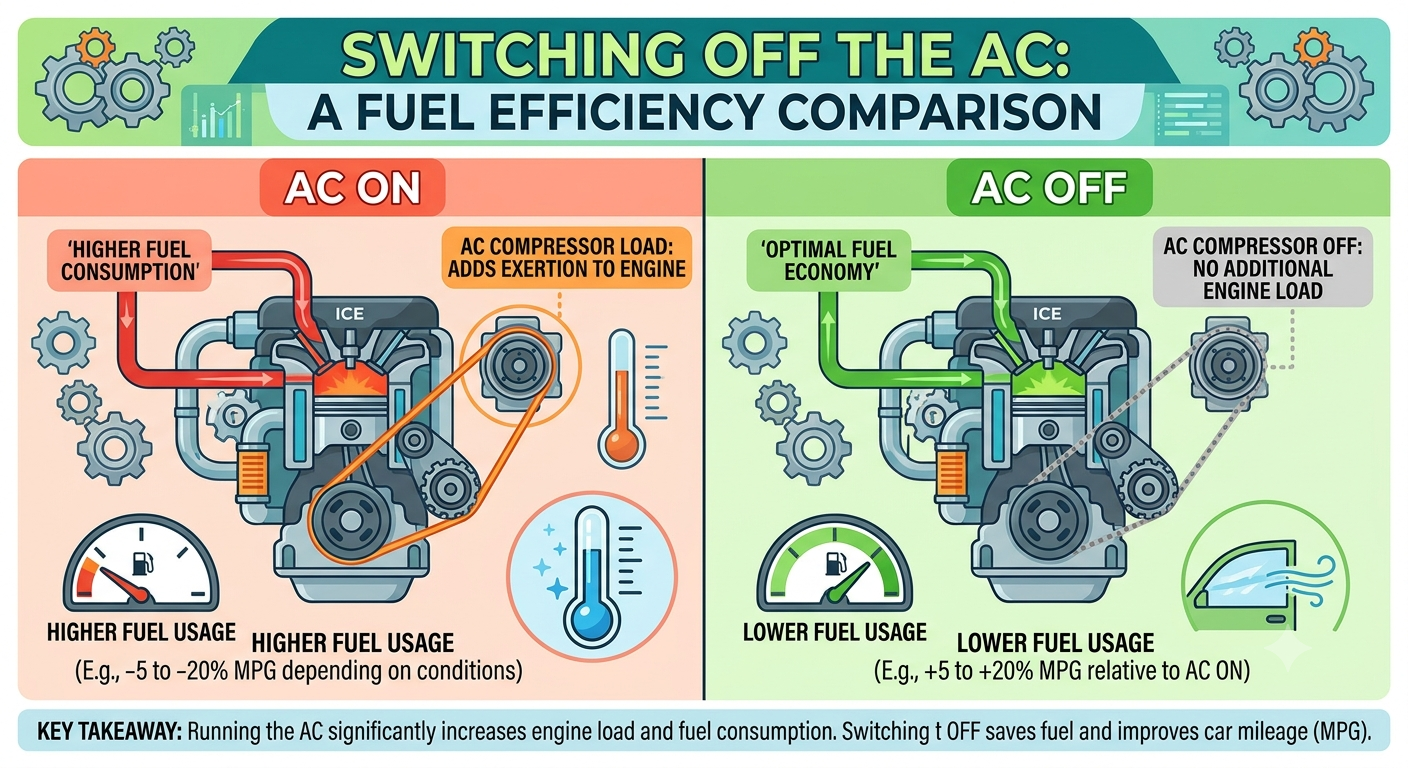
Use air-conditioning sensibly: Air-conditioning consumes energy, although the impact varies with temperature, vehicle design and driving conditions.
These measures help improve efficiency without depending on a more expensive fuel grade.
Several misconceptions can lead drivers to spend more on fuel than necessary.
Myth: Premium petrol always gives better mileage. Reality: The improvement depends on the engine, and some cars show no meaningful difference.
Myth: Higher octane means more energy. Reality: Octane measures resistance to knocking, not the amount of energy in a litre of fuel.
Myth: Premium petrol increases power in every car. Reality: Engines designed for regular petrol may not benefit from the higher octane rating.
Myth: Premium petrol eliminates maintenance requirements. Reality: Regular servicing remains essential regardless of fuel grade.
Myth: Premium petrol is always cheaper in the long run. Reality: Any fuel savings must be large enough to offset its higher price.
Premium petrol does not automatically improve mileage in every car. Its main advantage is its higher resistance to engine knocking, which can benefit vehicles designed to use higher-octane fuel.
For ordinary cars that are engineered to run on regular petrol, switching to premium fuel may provide little or no measurable improvement in fuel economy. Even when mileage increases, the higher price can make it more expensive to operate the vehicle.
The smartest approach is to follow the manufacturer's fuel recommendation, compare real-world running costs and focus on regular maintenance and efficient driving.










_A_Checklist_Before_You_Take_Delivery.jpeg)