_A_Checklist_Before_You_Take_Delivery.jpeg)





2026-10-15

The booking has eight steps: pick the variant, get a written on-road quote, negotiate, pay the token, sort out finance and insurance, sign the papers, pay the balance and register, then check the car before you drive off. The costliest mistakes usually happen early, so read the first three steps closely.
Start with body style. If you’re still choosing between a hatchback, sedan, or SUV, settle that first, because it narrows everything else. Then lock in the variant, fuel, and gearbox before you talk money. The variant sets the price, and the fuel and gearbox shape your running costs for years.
Here’s a simple test. Write down the five features you’d miss most, like a sunroof, a 360-degree camera, or ventilated seats. Then find the cheapest variant that has all five. You’ll often find the mid trim does the job, and the top trim adds things you’d rarely use.
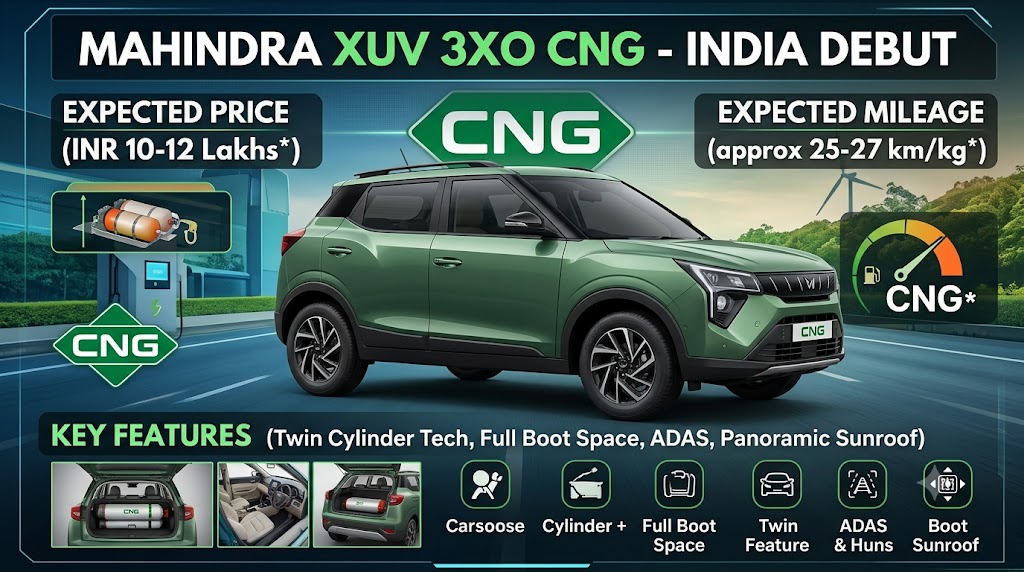
Next, choose your fuel type. Petrol is simple to live with. Diesel suits long highway runs. CNG saves money on fuel, but some models give up boot space for the cylinder. Electric makes sense only if you can charge at home or at work.
Last, the gearbox. Manuals cost less to buy and service. Automatics cost more upfront, but they cut the strain of heavy city traffic. If your daily drive is stop-and-go, that extra money often feels well spent.
Ask for a written quote with every line item before you discuss the final price. This one step saves more buyers than any negotiating trick. The number that matters is the on-road price, not the sticker price in the brochure.
The ex-showroom price covers only the car. The on-road price adds road tax, registration, insurance, and dealer charges. Road tax is set by each state, so the same car can cost noticeably different amounts across state lines.
Ask the dealer to break it down line by line. If a charge has a vague name like “handling” or “documentation,” ask what it covers and whether it’s a government charge or a dealer charge. Government charges follow published rules, so they should match official figures. Dealer charges have no fixed rule, and that’s where the room to negotiate sits.
Now you can negotiate. Dealers usually have some room on the car price, the accessories, and the value they give for your old car. Treat each one as its own deal. Otherwise, a big discount on one line can quietly get added back on another.
Ask for one final out-the-door number in writing before you agree to anything. Then compare it with your other options. Month-end targets and the festive season often bring extra offers, so timing matters. Just don’t let a fake deadline rush you into a deal you haven’t checked.
Here’s the catch: a headline discount can be cancelled out by a higher insurance premium or an accessory pack you never asked for. Compare the final price, not the discount.
Pay the token only after the final quote is in writing. The booking amount secures your car in the dealer’s order book. It can be a few thousand rupees or tens of thousands, depending on the brand and model.
Before you pay, ask one question: is this refundable, and how fast? Some brands refund it in full within a set window. Others keep part of it as a cancellation charge. The rule belongs on your receipt, not just in a conversation at the desk.
Pay by bank transfer or cheque, and keep a record of everything. Save the receipt, the order acknowledgement, and any messages about the booking. Cancellation disputes are common enough that a paper trail matters.
If you’re taking a loan, get a pre-approval from your bank before you sign anything. Dealer finance is quick, but it isn’t always the cheapest. Ask for the interest rate, processing fee, tenure, and EMI in writing so you can compare.
Check the EMI against your monthly budget before you commit. If the number feels tight, go back to your budget and reset it. A car that fits your income is much easier to live with than one you stretch to afford.
Insurance is the other piece, and it isn’t optional. Third-party cover is mandatory under Section 146 of the Motor Vehicles Act, 1988, so you can’t legally drive off without it. Comprehensive cover protects your own car, and most buyers should take it. Dealers often bundle a policy for convenience. But you can buy from any insurer licensed by IRDAI.
Get two or three quotes. Ask whether the policy includes zero depreciation cover, which matters most in the first few years. Then check each add-on one by one, since some are worth paying for and some aren’t.
Read every line of the purchase order before you sign. It’s the document that locks in your deal, and it lists your model, variant, colour, price, accessories, and expected delivery date. If anything doesn’t match your quote, fix it now. Mistakes are easy to correct at this stage and annoying later.
Ask for a realistic delivery date in writing. It depends on stock, model, and colour. Popular cars in in-demand colours can arrive in a few weeks, while others take months. That wait is the waiting period, and knowing it upfront helps you plan.
Pay the balance through the bank, not in cash. Cash payments of ₹2 lakh or more in a single day from one person aren’t allowed under Section 269ST of the Income Tax Act. Most dealers will ask for a bank transfer, cheque, or demand draft anyway.
Registration is the step that puts the car on the official record. Most dealers file the paperwork on the Vahan portal, which is the national database for vehicle registration. They also usually fit high-security registration plates, or HSRP, before handover, since those are required on new vehicles.
Keep copies of the invoice, the sale certificate (Form 21), the insurance policy, and the loan agreement if you have one. If you financed the car, the bank’s name will appear on the registration certificate (RC) until the loan is repaid. That’s normal. Just make sure the loan papers and the RC entry match.
Inspect the car before you leave the showroom. This is your last easy chance to catch a problem. Once you drive off, complaints about a scratch or a missing part get much harder to win.
Start with the numbers. Match the chassis and engine numbers on the car to the invoice and sale certificate. Check the odometer, which should show only a few kilometres. Then walk around the car in good light to spot scratches, dents, or uneven paint.
Next, count what you paid for. Check the keys (usually two), spare wheel, jack, toolkit, owner’s manual, service booklet, and warranty card. Confirm that every accessory on your order is fitted. Count the airbags against the variant you chose, since safety kits often change between trims. Ask whether each accessory is company-fitted or aftermarket, because the two can differ a lot in warranty coverage.
Finally, ask for the pre-delivery inspection (PDI) report. It’s the checklist the dealer runs before handover. If they can’t show it, that tells you something.
Here’s a case with round numbers so you can follow the math. Vikram, a software engineer in Pune, wanted a mid-size petrol SUV and had about ₹13 lakh on-road in mind. The first written quote from one dealer looked tidy. It listed an ex-showroom price of ₹11,50,000, road tax of ₹1,10,000, dealer insurance of ₹62,000, registration and handling of ₹18,000, and an accessory pack at ₹35,000. A ₹40,000 discount brought the total to ₹13,35,000.
That was over budget, and the discount made the deal look better than it was. So Vikram asked for three things. First, he got a comprehensive insurance quote from another insurer for ₹44,000, which saved ₹18,000. Second, he asked to drop the accessory pack, since he’d rather buy floor mats himself. That saved ₹35,000. Third, he used the cheaper insurance quote to ask for another ₹15,000 off, and the dealer agreed.
The final on-road price came to ₹12,67,000. That’s ₹68,000 less than the first quote, and comfortably under his budget.
He paid a ₹20,000 token only after the final quote was in writing. The receipt said the token was fully refundable within 14 days. He signed the purchase order once the colour, variant, and five-week delivery window matched the quote.
At delivery, Vikram found the chassis number on the car was one digit off from the sale certificate. The dealer’s paperwork had a typo. Because he checked before driving off, they corrected it the same day. If he had missed it, the fix could have dragged on for weeks.
The lesson isn’t that dealers are out to cheat buyers. Most aren’t. But the number on paper is the one you’ll pay, so check every line before you sign and every number before you leave.
It varies by brand and model, usually from a few thousand rupees to tens of thousands. The exact figure should appear on your receipt, along with the refund terms.
Sometimes. Some brands refund it in full within a set window, while others keep part as a cancellation charge. Get the rule in writing and keep it with your receipt.
Usually, yes, but cancellation charges can apply. Cancelling before registration is simpler, so check the refund rule before you pay the token.
It depends on the model, variant, colour, and stock. Many cars arrive in a few weeks, while popular SUVs or waiting-list colours can take months. Ask for the delivery date in writing.
Dealers typically ask for a PAN card, Aadhaar card, address proof, and passport-size photos. If you’re taking a loan, the bank will also want income proof and bank statements. Ask for the full list early, since requirements can vary.
Yes. Third-party insurance is mandatory under Section 146 of the Motor Vehicles Act, 1988, and you can’t legally drive without it. Comprehensive cover is optional, but it protects your own car, so most buyers should take it.
Usually the dealer does, and the fee is already part of the on-road price. You can also handle it yourself through the Vahan portal, but most buyers let the dealer file the paperwork.
HSRP stands for high-security registration plate. It’s required on new vehicles, and the dealer usually fits it before delivery. Confirm the plates are on before you leave.
Not for large amounts. Cash payments of ₹2 lakh or more in a single day from one person aren’t allowed under Section 269ST of the Income Tax Act. Pay the balance by bank transfer, cheque, or demand draft.
The ex-showroom price is the car’s base price at the showroom. The on-road price adds road tax, registration, insurance, and dealer charges. It’s the amount you actually pay to drive the car away.
It helps. A pre-approval shows the rate and EMI you qualify for, so you can compare it with dealer finance and stay within your budget.
Match the chassis and engine numbers with your paperwork. Check the odometer and the body, then count the keys, tools, manuals, and accessories. Ask for the pre-delivery inspection report before you drive off.
Rarely. Once you’ve taken delivery and completed registration, returns are uncommon. If the car has a defect, your usual route is a warranty claim, which is why the delivery check matters so much.
Booking a new car is mostly paperwork and patience. Get the on-road number in writing, read the refund rule before you pay, and check the car before you drive it home. Rules and fees change, so confirm current figures with your dealer, your RTO, or the Vahan portal before you commit.









_11zon.jpg)