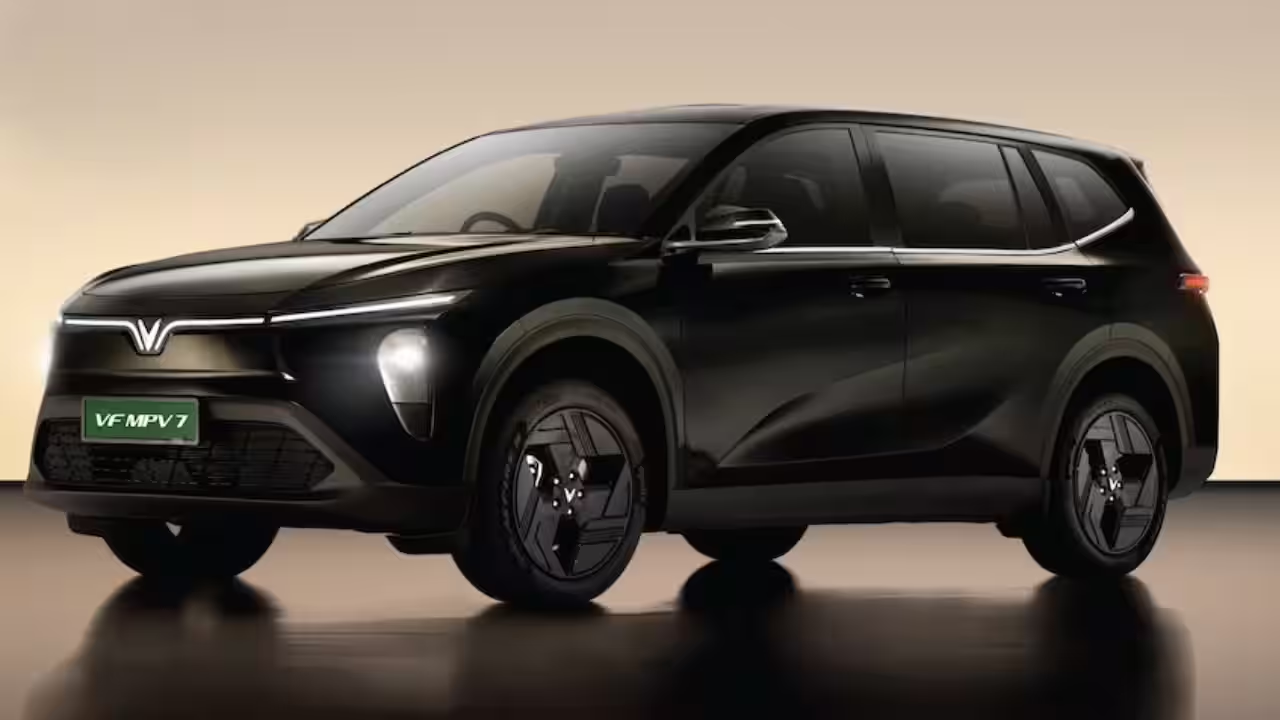
VF MPV 7
24.49 Lakh*
 Khyati Sharma 2026-09-23

India’s automobile industry is going through an important phase of growth and technological transformation. Passenger vehicles, two-wheelers, three-wheelers and commercial vehicles are seeing strong demand, while electric mobility, connected technology and new powertrain options are changing the way vehicles are developed and sold.
The latest industry data shows that the Indian automotive market has maintained strong momentum in 2026. According to the Society of Indian Automobile Manufacturers (SIAM), passenger-vehicle sales reached 4,39,309 units in August 2026, while two-wheeler sales stood at 20,34,698 units and three-wheeler sales reached 93,764 units. SIAM said all three segments recorded their highest-ever August sales in 2026.
| Segment | Key 2026 Development |
|---|---|
| Passenger Vehicles | Strong sales growth with SUVs driving demand |
| Two-Wheelers | More than 20 lakh units sold in August 2026 |
| Three-Wheelers | Strong growth in August 2026 |
| Electric Vehicles | Rapidly expanding across multiple segments |
| Commercial Vehicles | Continued growth supported by economic activity |
| Exports | India increasingly important as a global manufacturing hub |
| Technology | Connected cars, ADAS, software and advanced powertrains gaining importance |
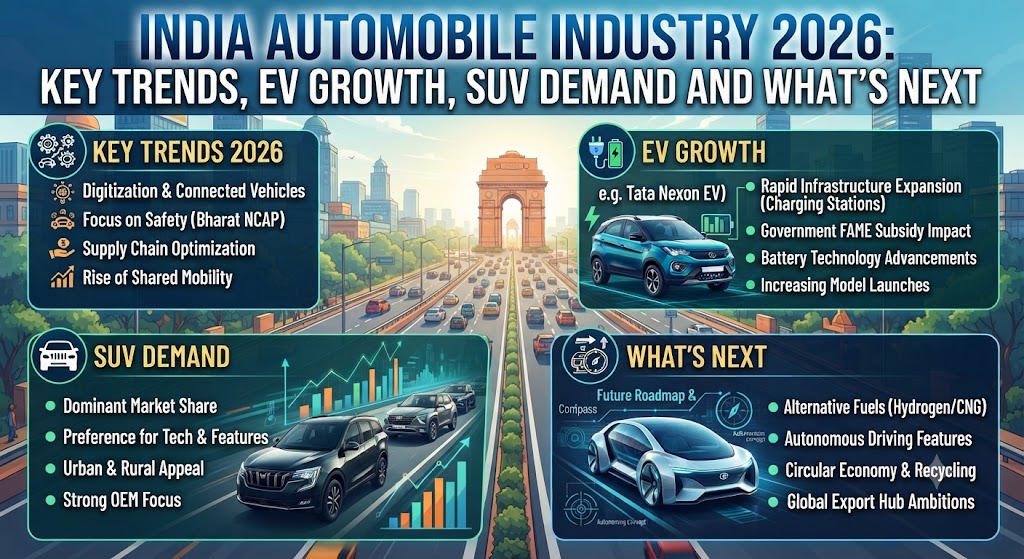
One of the biggest changes in India's passenger-vehicle market is the growing popularity of SUVs and utility vehicles.
SIAM reported that utility vehicles accounted for around 68% of passenger-vehicle sales in Q1 FY2026-27, with the segment registering 28.6% growth compared with the same period of the previous year.
This trend has encouraged manufacturers to introduce more compact SUVs, midsize SUVs, electric SUVs and premium SUVs. Buyers are increasingly looking for higher seating positions, stronger road presence, more features and improved safety.
As a result, the SUV category is now an important part of almost every major carmaker's India strategy.
Electric vehicles are another major force shaping India's automobile industry.
IBEF reports that India's EV sales increased 30% to 2.66 million units in FY2025-26, compared with 2.05 million units in FY2024-25. EVs accounted for about 8.62% of total automotive sales during the financial year, with two- and three-wheelers representing nearly 87% of EV volumes.
The EV transition is no longer limited to electric scooters. India is seeing increasing activity in:
Battery technology, charging speed, vehicle range and ownership cost will remain important factors in the next stage of EV adoption.
Two-wheelers continue to represent the largest part of India's domestic automobile market.
In FY2025-26, two-wheeler sales reached around 21.7 million units, registering 10.7% growth, according to SIAM's annual report.
The segment is also becoming more diverse. Manufacturers are competing across commuter motorcycles, premium motorcycles, scooters, electric scooters and adventure-oriented products.
Electric two-wheelers are particularly important because they can offer lower running costs for urban users and last-mile applications.
India's commercial-vehicle market is closely linked with infrastructure development, logistics, construction, agriculture and e-commerce.
SIAM reported that the commercial-vehicle industry recorded 12.6% growth in domestic sales during FY2025-26, reaching about 10.8 lakh units.
Demand is spread across several categories, including:
The increasing movement of goods and development of road infrastructure are expected to remain important demand drivers.
India's automobile industry is also becoming increasingly important for global production and exports.
IBEF reports that automobile exports increased 24% to more than 6.7 million units in FY2025-26.
Several manufacturers are also expanding their production capacity in India. Investments are being directed towards EVs, batteries, SUVs, hybrid technology, R&D and export-oriented manufacturing.
This creates opportunities not only for vehicle manufacturers but also for component suppliers, battery companies, software developers, tyre manufacturers and other automotive businesses.
The next phase of India's automotive industry is likely to be influenced by several technologies and market trends.
EV adoption is expected to expand beyond scooters and three-wheelers into passenger cars and commercial vehicles.
Hybrid vehicles are gaining attention as manufacturers look for alternatives that can reduce fuel consumption while avoiding some of the charging limitations associated with pure EVs.
Modern vehicles increasingly feature connected services, smartphone integration, remote functions, navigation and over-the-air software updates.
ADAS, multiple airbags, electronic stability systems, improved crash structures and stronger safety ratings are becoming increasingly important to Indian buyers.
Vehicle software is becoming a larger part of the ownership experience, with manufacturers focusing on infotainment, connected services and software-based features.
Battery cells, electronics, semiconductors and other components are receiving greater attention as manufacturers work to increase localisation.
India's automobile industry is moving from a volume-focused market toward a more technology-driven ecosystem. Conventional petrol and diesel vehicles will continue to play an important role, while EVs, hybrids and other alternative powertrains gradually expand their presence.
At the same time, SUVs, premium motorcycles, connected vehicles and advanced safety technologies are changing consumer expectations.
With strong domestic demand, expanding exports and continued investments in manufacturing and technology, the Indian automotive industry is entering a period where product variety, technology, affordability and localisation will be equally important





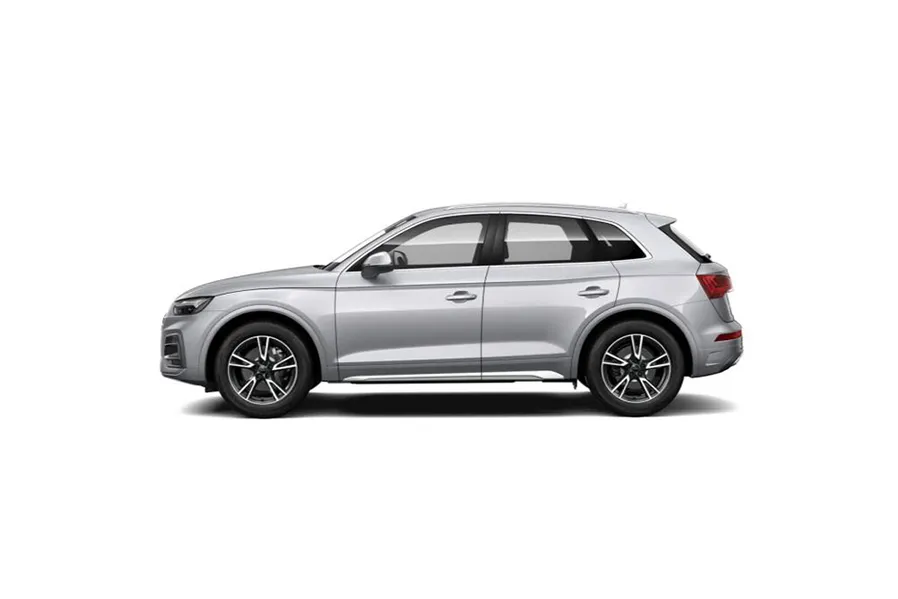
Audi
₹63.75 - 83.33 Lakh
