India's Small Car Market Rebounds as First-Time Buyers Return in Force
India's automobile industry maintained its strong growth momentum in June 2026, supported by rising consumer confidence and the benefits of GST 2.0. Despite higher fuel prices and ongoing discussions around ethanol blending, overall vehicle retail sales climbed nearly 22% year-on-year, reaching a record 2.6 million units.
The passenger vehicle segment emerged as one of the biggest contributors to this growth, with sales increasing 29% YoY to around 410,000 units—the highest-ever June sales recorded in the country. A major factor behind this surge has been the strong comeback of first-time car buyers, which has also revived demand for affordable hatchbacks after years of SUV-led growth.
First-Time Buyers Drive the Recovery
The clearest evidence of this shift comes from Maruti Suzuki, India's largest passenger vehicle manufacturer and the country's leading player in the entry-level car segment.
During the fourth quarter of FY26, 51% of Maruti Suzuki's customers were first-time car buyers, compared to 42% in the first half of the financial year and 48% in the third quarter. Replacement buyers contributed 18% of total sales, while 31% of customers purchased an additional vehicle for their household.
Although these figures represent only Maruti Suzuki's sales, they provide a strong indication of broader consumer trends due to the company's dominant position in India's small car market.
Maruti Suzuki Posts Strong Growth Across Segments
Maruti Suzuki dispatched 147,187 passenger vehicles in the domestic market during June 2026, registering a 24% year-on-year increase.
Its entry-level Mini segment, which includes the Alto and S-Presso, recorded an impressive 78% growth, highlighting the renewed demand for budget-friendly cars. Meanwhile, the company's compact and mid-size passenger car portfolio expanded by nearly 16%.
The growth wasn't limited to hatchbacks. Maruti's utility vehicle sales also increased by almost 29%, indicating that buyers are embracing affordable cars alongside SUVs rather than replacing one with the other.
SUVs Continue Their Strong Performance
The SUV segment remained equally robust. Mahindra cars sold 60,393 utility vehicles in the domestic market during June, representing a 28% YoY increase.
The current market trend suggests that India's passenger vehicle industry is expanding at both ends of the spectrum. Aspirational customers continue to prefer premium SUVs, while price-conscious households are once again entering the market through affordable hatchbacks.
GST 2.0 Plays a Key Role
Much of the industry's recent momentum has been supported by the implementation of GST 2.0, which has now contributed to nearly nine consecutive months of healthy sales growth.
Lower GST rates on entry-level passenger vehicles have reduced their purchase prices, making car ownership more accessible for first-time buyers. In a price-sensitive market, even a small reduction in monthly loan EMIs can significantly improve affordability for many families.
Two-Wheeler Owners Upgrading to Cars
A significant share of new buyers are existing two-wheeler owners purchasing their first car.
For these customers, affordability remains the highest priority. Factors such as purchase price, fuel efficiency, maintenance costs, and a widespread service network continue to make small hatchbacks the preferred choice.
Over the past few years, increasing production costs, stricter safety regulations, tougher emission norms, and the discontinuation of several entry-level models had steadily pushed up the minimum cost of car ownership. As a result, many buyers either postponed their purchase or stretched their budgets to buy compact SUVs.
The latest market recovery indicates that affordable hatchbacks are once again becoming a realistic option for Indian households.
Rural India Leads the Growth Story
Rural markets played a major role in June's impressive sales performance.
According to the Federation of Automobile Dealers Associations (FADA), passenger vehicle registrations in rural India increased by more than 35% year-on-year, significantly outperforming urban markets, which recorded 24.7% growth.
Improved agricultural sentiment, easier financing options, wider dealership reach across Tier 2 and Tier 3 cities, and GST-related price benefits encouraged many first-time buyers to visit dealerships. Urban demand also improved after remaining relatively subdued in previous months.
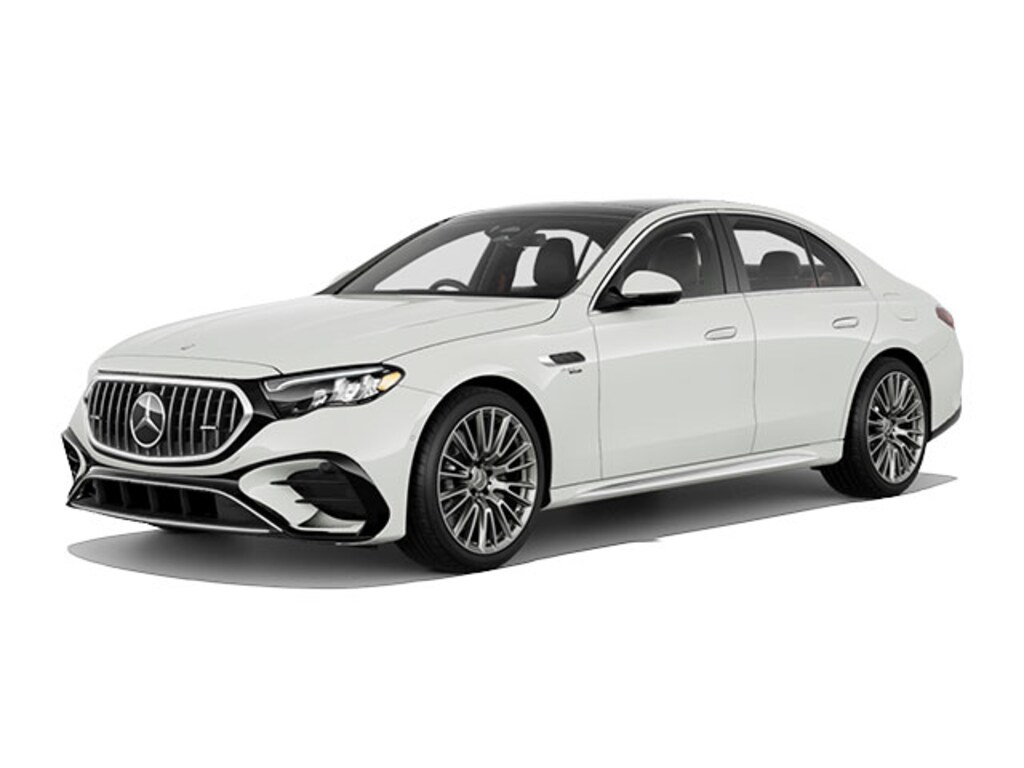
Interestingly, the sedan segment has also shown signs of recovery. While SUVs continue to dominate the market, sedans are gradually regaining some demand, although they still account for a relatively small share compared to their earlier popularity.
Alternative Fuel Vehicles Gain Momentum
Changing fuel prices are also reshaping customer preferences.
Electric vehicles, hybrid models, and CNG-powered passenger vehicles together accounted for 40% of total passenger vehicle retail sales in June, compared to approximately 38% in May.
The fuel-wise market share stood at:
- CNG: 24.3%
- Hybrid: 8.3%
- Electric Vehicles: 7.8%
Higher petrol and diesel prices continue to encourage buyers to consider vehicles with lower running costs, helping alternative fuel technologies gain further acceptance.
Growth Extends Across the Automotive Industry
The positive momentum wasn't limited to passenger vehicles.
- Two-wheeler sales returned to double-digit growth.
- Three-wheeler registrations increased by 16.2%.
- Tractor sales recorded their second-best June performance despite concerns about a weaker monsoon.
This broad-based growth highlights improving consumer demand across multiple segments of India's automotive market.
Outlook
The revival of India's small car segment reflects a structural correction rather than a temporary trend. For several years, the industry's heavy focus on SUVs gradually pushed entry-level buyers out of the market due to rising prices.
GST 2.0 has helped restore affordability, allowing many households to purchase their first car once again.
Whether this recovery continues will largely depend on how manufacturers balance investments between profitable SUVs and affordable entry-level cars. If automakers continue expanding their hatchback offerings while maintaining competitive pricing, India's first-time buyer segment is likely to remain a key driver of future passenger vehicle growth.













 (1).avif)
