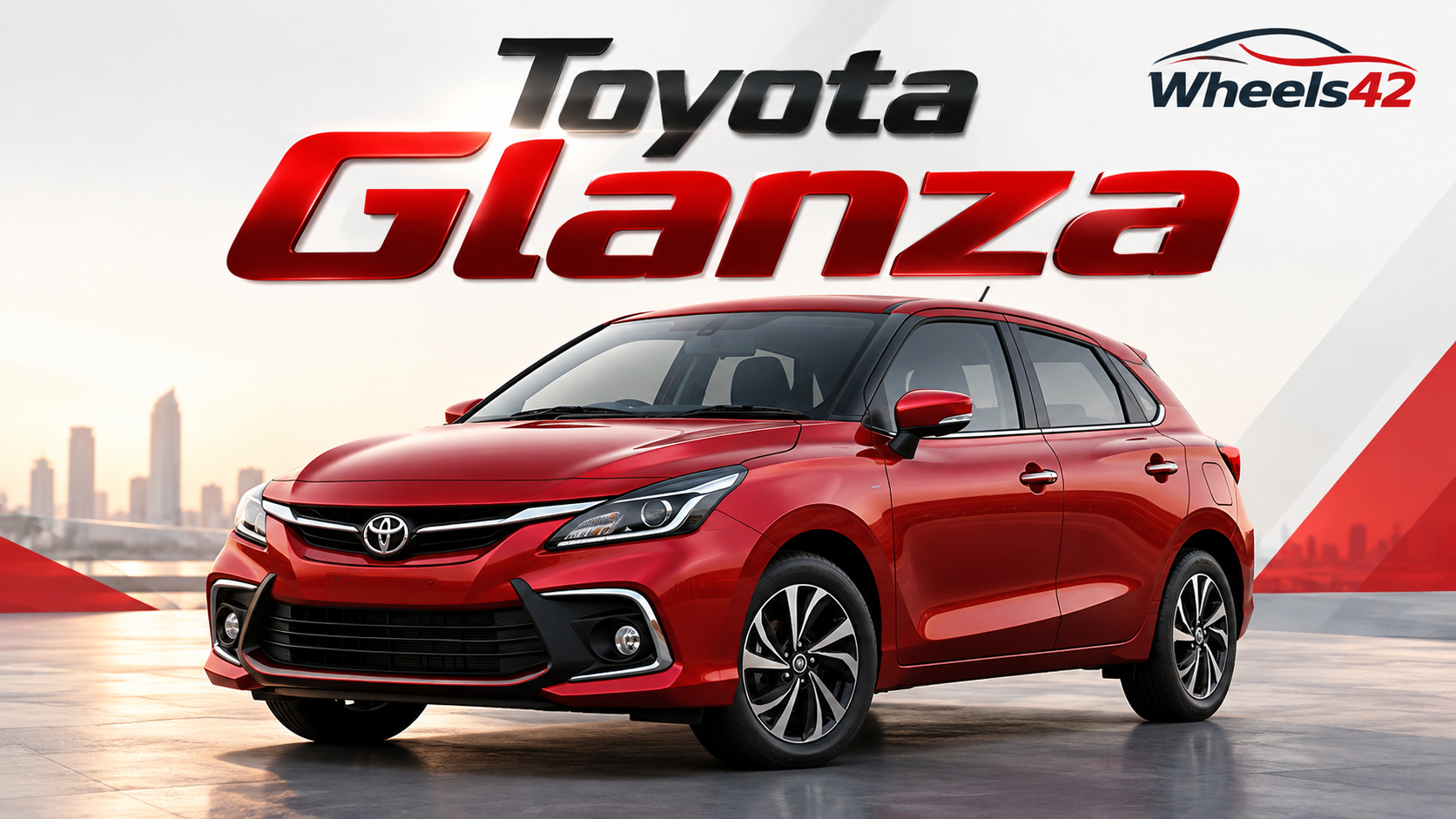
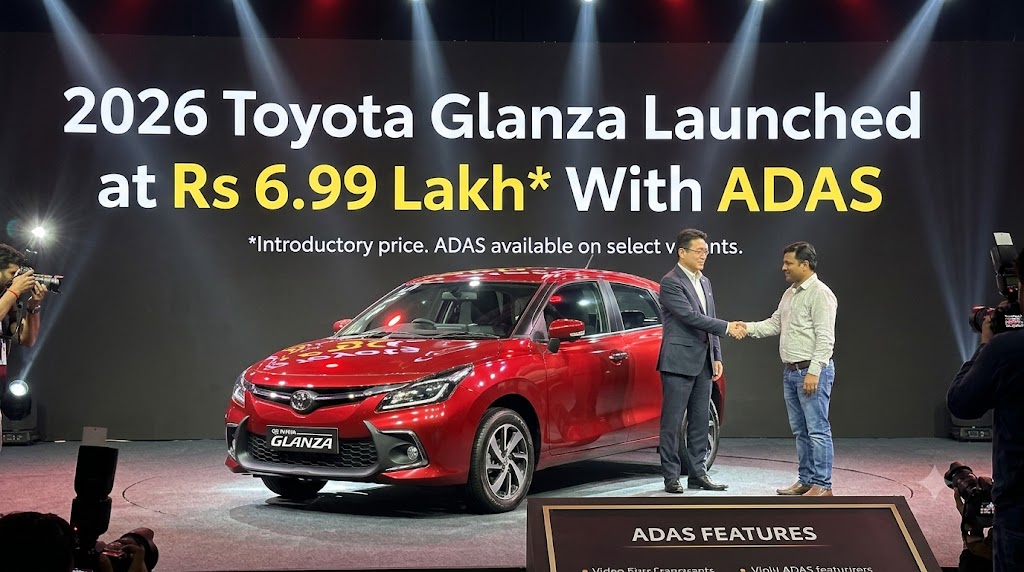
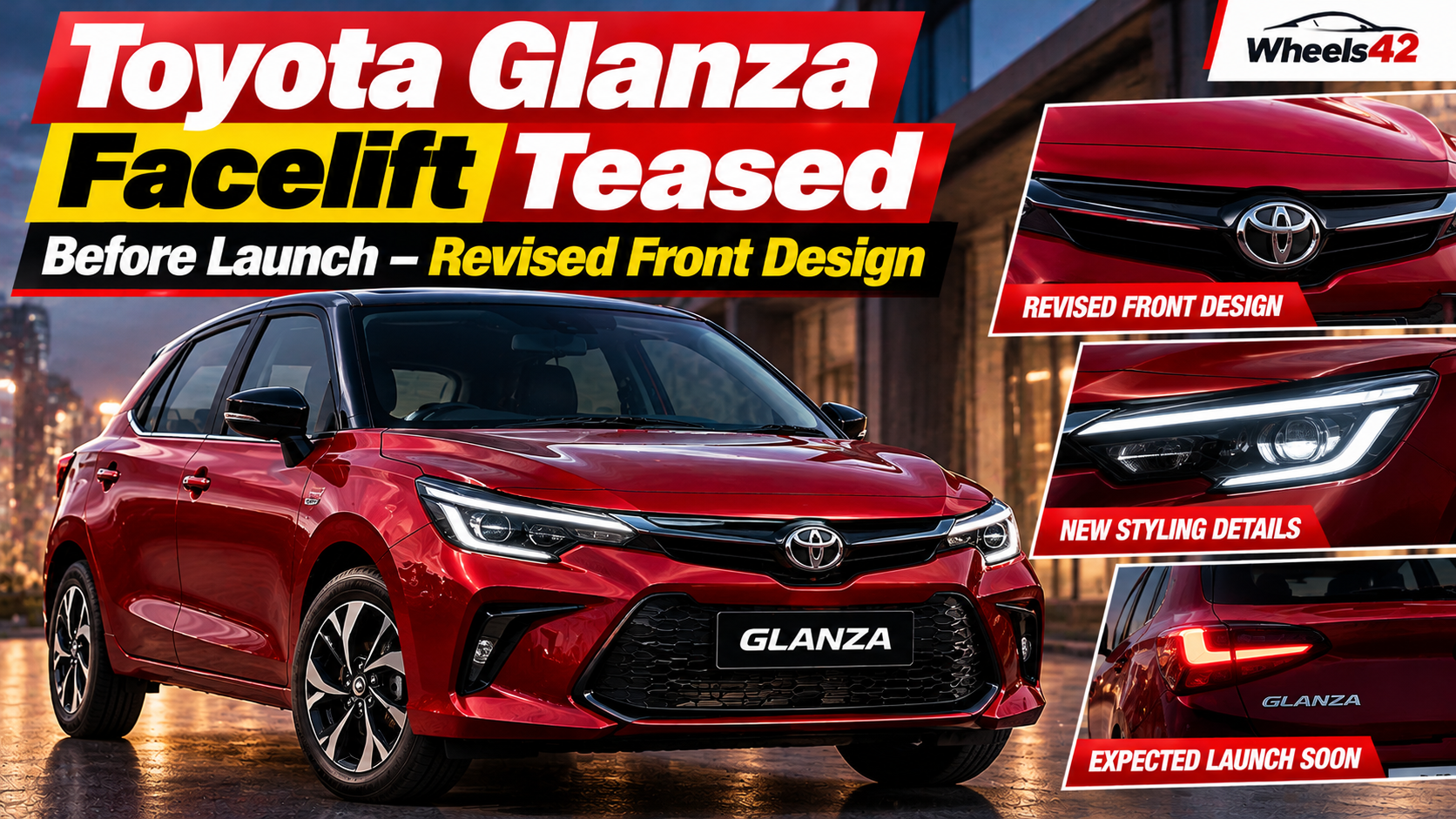
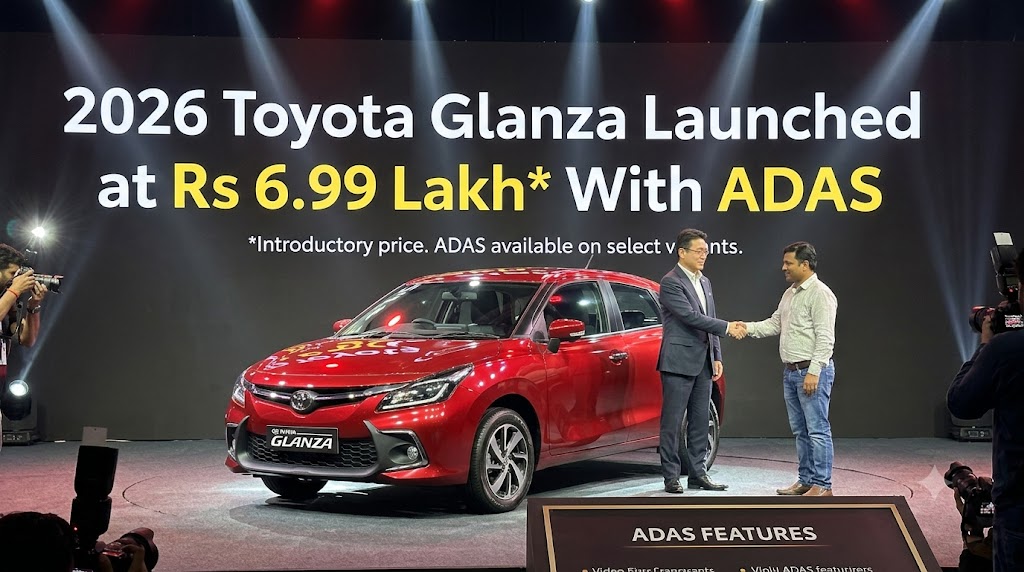
Buying your first car is an exciting milestone, but the experience can also feel overwhelming. From learning how to judge distances to understanding traffic conditions and parking in tight spaces, new drivers have plenty to learn. The Toyota Glanza is one hatchback worth considering for buyers looking for a practical car for everyday commuting, shopping trips and occasional highway journeys.
Based on the Glanza's intended everyday use, this illustrative 30-day ownership diary explores what a first-time driver might experience during the first month, including its driving convenience, cabin comfort, fuel-efficiency expectations and routine maintenance requirements.
Week 1: Getting Comfortable Behind the Wheel
The first week with a new car is primarily about building confidence. For a beginner, the Toyota Glanza's compact hatchback proportions can make it easier to understand the car's dimensions compared with a larger SUV cars.
During the initial drives, a new owner should focus on smooth acceleration, progressive braking, correct mirror adjustment and maintaining a safe distance from other vehicles. Practising in a quiet area before entering busy traffic can help reduce driving anxiety.

The Glanza's controls and driving position should be adjusted to suit the driver before every journey. Features and equipment vary by variant, so it is worth spending time understanding the infotainment system, steering-mounted controls, air conditioning and safety systems fitted to the selected model.
Week 1 takeaway: Familiarity matters more than speed. Short, regular drives can help a new driver become comfortable with the car.
Week 2: City Traffic and Everyday Commuting
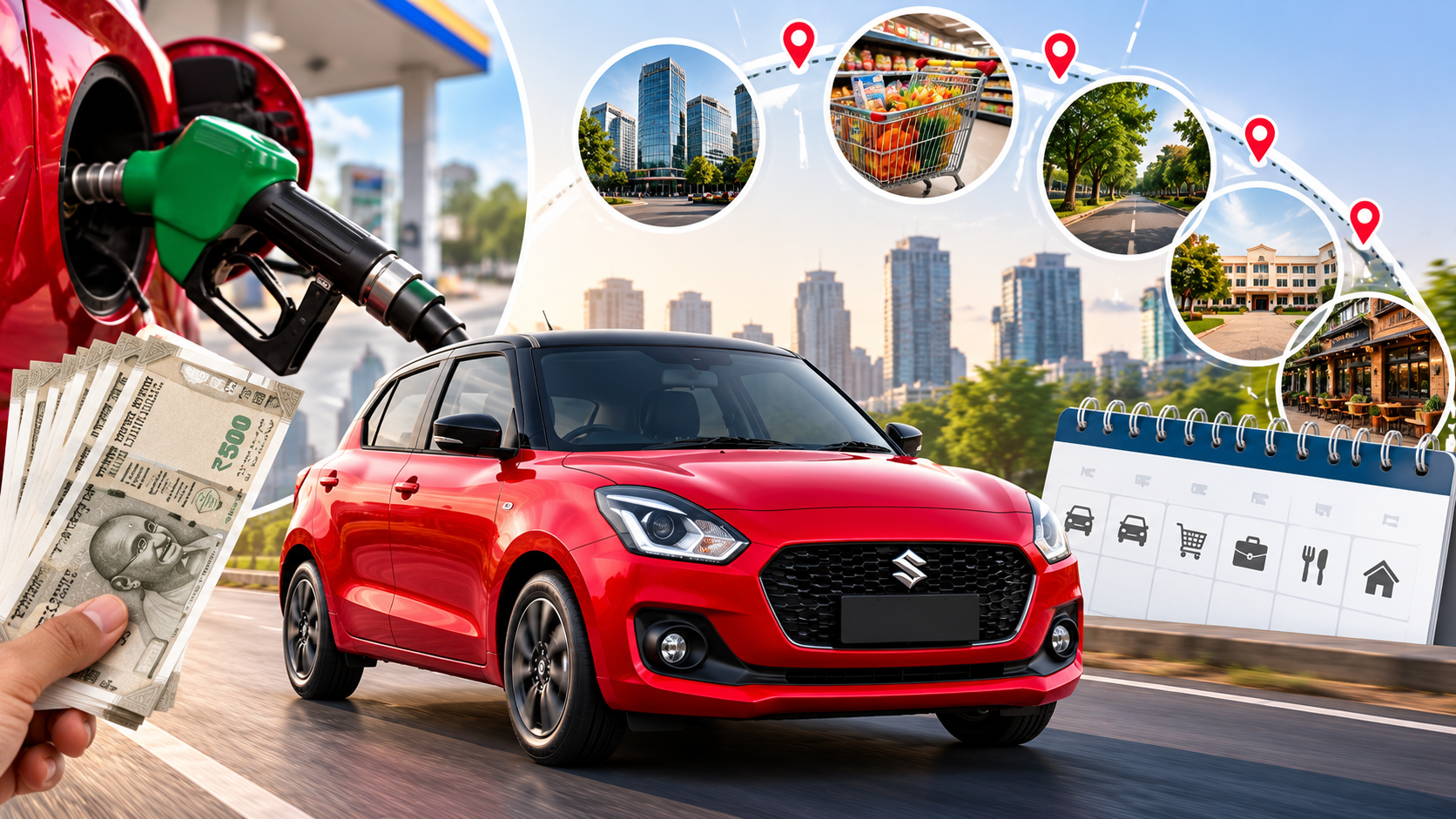
By the second week, daily commuting becomes a useful test of the car's practicality. The Glanza's hatchback cars design makes it suitable for navigating urban roads, although crowded intersections, narrow lanes and unpredictable traffic still demand attention.
The light controls and compact footprint can be helpful when manoeuvring through city streets. Buyers choosing between a manual and an AMT automatic variant should consider their typical commute. A manual gearbox offers greater direct control, while the AMT can reduce the effort involved in frequent stop-and-go traffic.
Fuel consumption is another consideration during this stage. Actual mileage depends on traffic density, driving style, air-conditioning use, road conditions and vehicle load. Rather than relying exclusively on advertised efficiency figures, a new owner can track fuel purchases and kilometres travelled to estimate real-world mileage.
Week 2 takeaway: Smooth acceleration, anticipating traffic and avoiding unnecessary idling can make daily driving more relaxed and economical.
Week 3: Parking, Passengers and Cabin Comfort
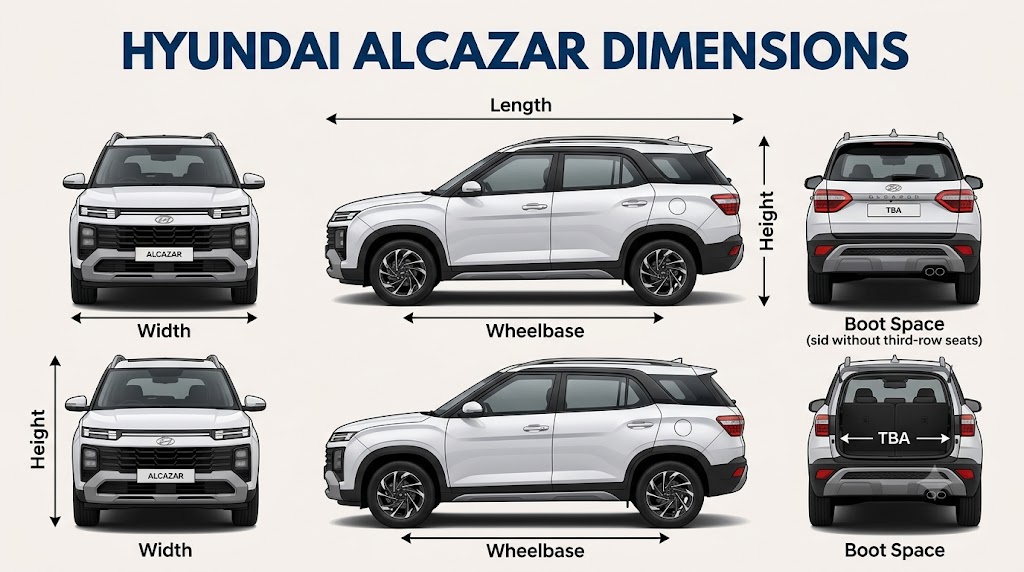
Parking is often one of the biggest challenges for first-time car owners. The Toyota Glanza's relatively compact dimensions can be useful in apartment parking areas, shopping centres and roadside spaces.
However, drivers should not rely entirely on the car's size or parking assistance features. Checking mirrors, moving slowly and looking for pedestrians or obstacles remain essential. New drivers should practise reversing and parallel parking in a safe, open area.
The cabin also becomes easier to evaluate once the car is used for regular family trips. Passengers can assess seating comfort, rear-seat space, air-conditioning performance and storage convenience. The boot is suitable for many everyday shopping bags and smaller luggage requirements, although families travelling with several large suitcases should check their actual space needs.
Week 3 takeaway: The Glanza can serve as an everyday family hatchback, but passenger comfort and luggage capacity should be assessed against individual requirements.
Hatchback vs Sedan vs SUV: Which Car Type Suits You Best?
Week 4: Highway Driving and Routine Care
The fourth week is an opportunity to prepare for longer journeys. New drivers should begin with familiar routes and progress to highways only after gaining sufficient confidence and holding the appropriate driving licence.
Before a longer trip, check tyre pressure, fuel level, lights, windscreen visibility and the condition of the tyres. Maintain a safe following distance, observe speed limits and avoid sudden lane changes.
Routine care is equally important. Follow Toyota's recommended service schedule, monitor warning lights and keep the owner's manual accessible. Maintaining the correct tyre pressure and avoiding harsh acceleration can also support efficient operation.
Owners should familiarise themselves with the vehicle's safety equipment and understand its limitations rather than assuming that driver-assistance or parking features can prevent every incident.
Week 4 takeaway: Regular checks and responsible driving habits help establish a strong foundation for long-term ownership.
Toyota Glanza: First-Month Ownership Checklist
|
Ownership area
|
What a new driver should evaluate
|
|
City driving
|
Visibility, traffic manoeuvrability and braking confidence
|
|
Transmission
|
Manual or AMT suitability for daily commuting
|
|
Fuel efficiency
|
Real-world mileage across typical routes
|
|
Parking
|
Turning space, reversing visibility and parking assistance
|
|
Cabin comfort
|
Seating, rear-seat room and air-conditioning
|
|
Luggage space
|
Suitability for shopping and family travel
|
|
Maintenance
|
Service schedule, tyre pressure and warning lights
|
|
Safety
|
Seat belts, child-seat requirements and safe driving habits
|
Is the Toyota Glanza a Good First Car?
The Toyota Glanza is worth considering for new drivers who want a compact petrol hatchback for commuting, personal use and family travel. Its size, everyday practicality and choice of transmission can make it appealing to buyers moving from driving lessons to regular road use.
However, the right choice depends on budget, variant, local driving conditions and expected running costs. Buyers should compare the on-road price, insurance, fuel expenses and service requirements before making a decision.
It is also sensible to take a test drive in both manual and AMT versions, where available, to determine which suits the driver's comfort level.

 Khyati Sharma 2026-09-25