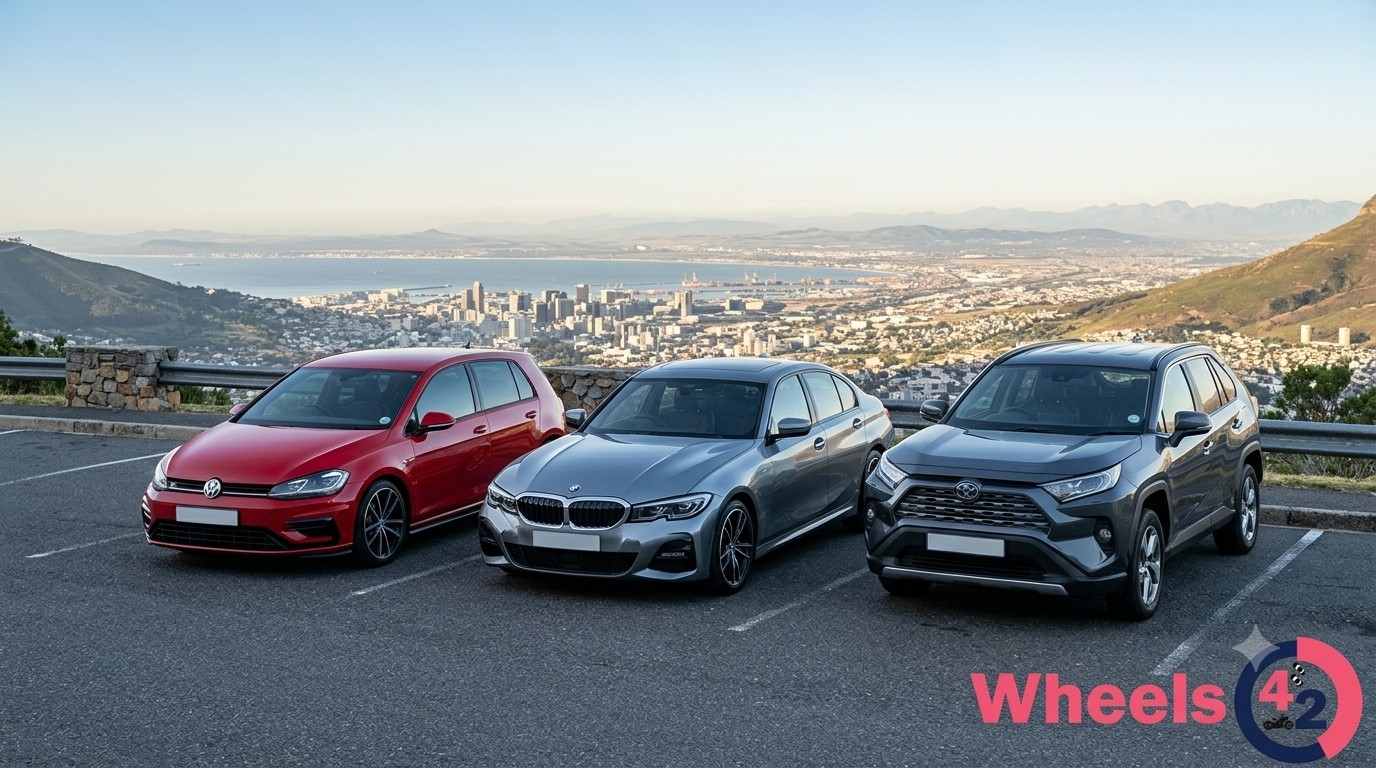
The short version: If you mostly drive on narrow city roads and park in small spaces, a hatchback is the easiest choice. If you want more boot space and a comfortable ride on highways, a sedan is usually a better choice. If you often drive on rough roads, have elderly parents who need easier entry, or need more ground clearance, an SUV may suit you better. Do not choose a car only because it looks good. The right body type depends on how you use your car every day. Here is how to choose the right one for your needs.
The 3-minute fit test
Forget specs for a second. Before you compare a single number, answer these about your own life, not your imagined future life.
How many people ride with you on a normal week, not a max-capacity family wedding trip? What's the one big thing you carry regularly, a stroller, a golf bag, a week's groceries for a big household? What does your parking actually look like, open society parking, a tight basement ramp, or a narrow street where every inch matters? And honestly, are your daily roads smooth, or do you deal with potholes, unmade patches, or a speed breaker that scrapes low cars?
Answer those four questions first. The body type that fits your answers will beat the one that just looks good, almost every time.
What the numbers actually say
Hatchback boot space vs sedan isn't close, and it's not in the hatchback's favour. A typical hatchback gives you somewhere around 250 to 300 litres, a sedan usually sits at 400 to 500. That's a real difference if you travel with luggage often, not just a spec sheet number.
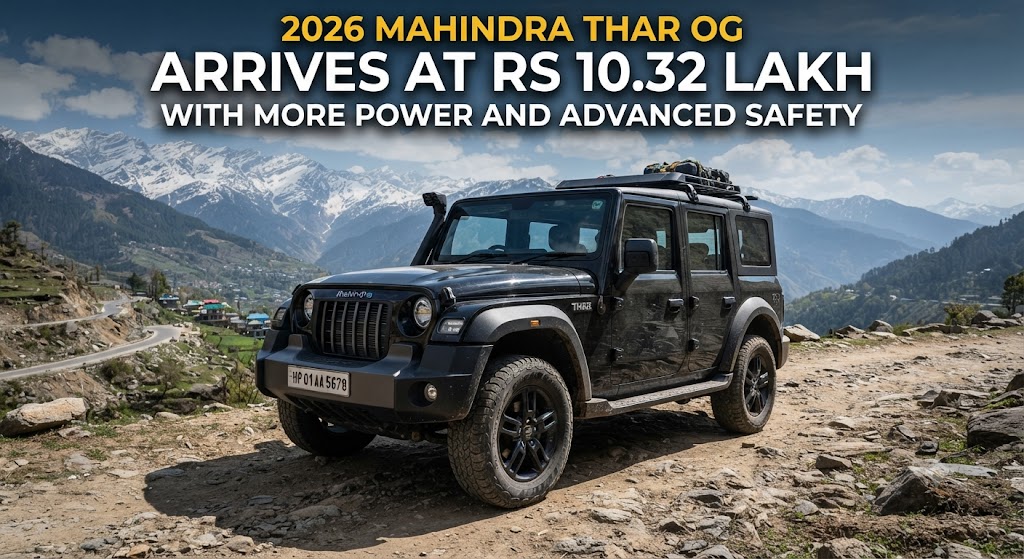
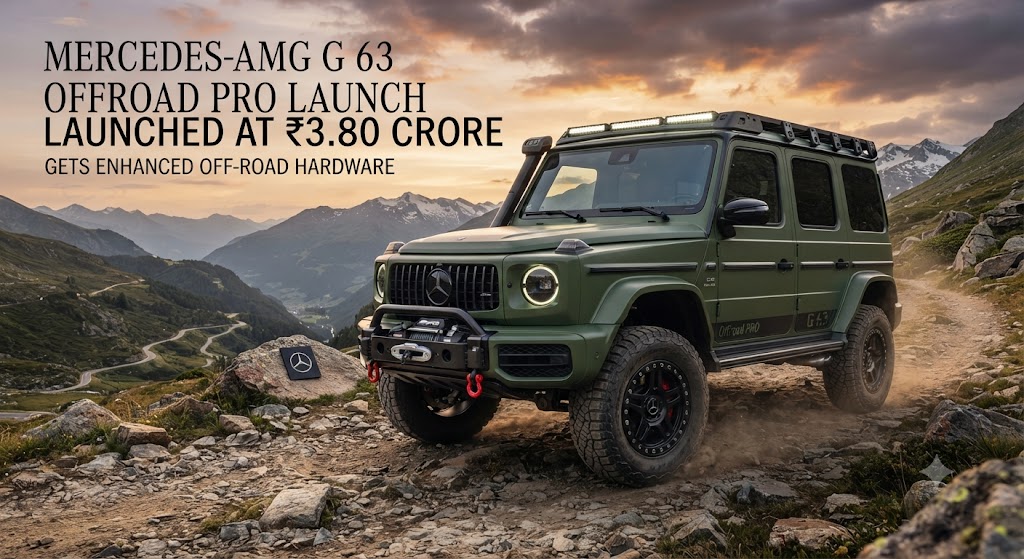
Ground clearance difference sedan vs SUV follows a pattern too, sedans typically sit around 165 to 175mm, SUVs anywhere from 180mm up past 220mm depending on size. Here's the thing though, that gap only matters if your roads actually need it. On smooth tarmac, extra ground clearance does nothing for you except raise your centre of gravity.
Sedan vs SUV cabin comfort and legroom usually favours the sedan for rear passengers, since the cabin is built around sitting low and stretching out, not sitting high. High seating position advantages in SUVs are real too, better visibility over traffic, an easier climb in and out for older knees, just don't confuse "feels commanding" with "is more comfortable," they're different things.
Fold-flat rear seats hatchback practicality deserves more credit than it gets. A hatchback with proper 60:40 fold-flat seats can carry more oddly-shaped stuff than people expect, flat-pack furniture, a bicycle, a second suitcase you didn't plan for. Turning radius hatchback vs SUV is the other quiet win for hatchbacks, tighter by a real margin, which matters every single day in a crowded parking lot, not just occasionally.
The compact SUV myth worth knowing before you buy
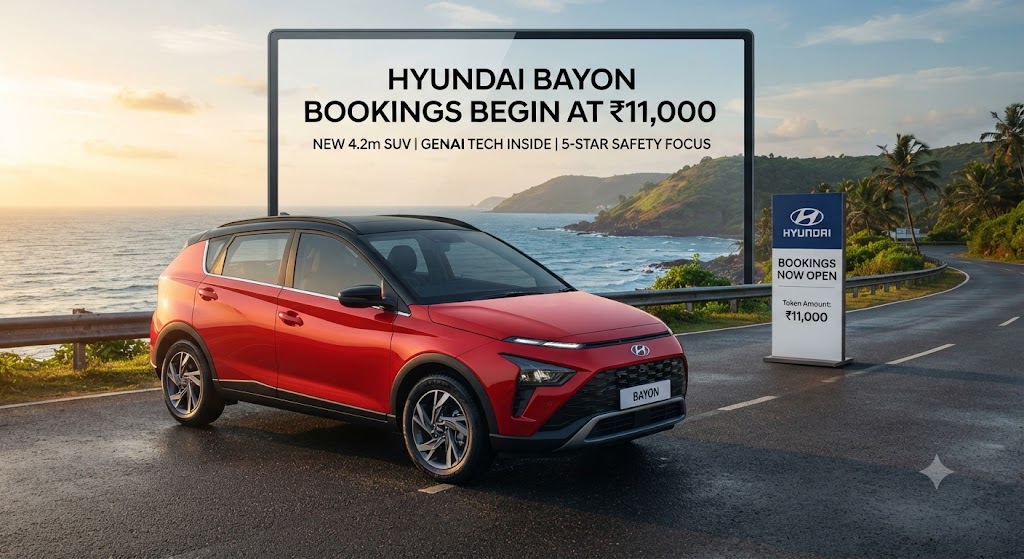
Sub-4 meter compact SUV vs premium hatchback is where a lot of buyers get surprised. Many sub-4m SUVs, because of the spare wheel position and a raised floor, actually offer less usable boot space than a well-specced premium hatchback sitting right next to it in the showroom. The higher seating and tougher look are real, the extra practicality sometimes isn't.
All-wheel drive (AWD) vs front-wheel drive (FWD) in compact SUVs is the other myth. Most compact SUVs sold in India are front-wheel drive only, AWD tends to show up in a handful of pricier variants or in larger SUVs, not as standard kit across the segment. So if you're buying a compact SUV assuming it'll behave like a proper off-roader in mud or snow, check the spec sheet first, the badge alone won't tell you.
The ownership costs nobody mentions upfront
Price difference between hatchback and compact SUV is bigger than most first-time buyers plan for, often a meaningful jump for a broadly similar level of features, before you even start adding ground clearance or an SUV badge into the equation. That price gap changes your realistic budget more than people expect going in, so it's worth working out early, not after you've fallen for a specific model.
SUV vs sedan maintenance cost comparison usually tilts toward sedans and hatchbacks being cheaper to service, mostly because SUVs carry bigger tyres, heavier components, and sometimes a more complex all-wheel-drive system to maintain. Your ongoing maintenance and service costs end up shaped by body type just as much as by the specific model you pick.
Fuel efficiency comparison sedan vs SUV almost always favours the lighter, lower body style, more weight and worse aerodynamics cost you at the pump, consistently, across almost every pair you'll cross-shop. Car insurance premium differences by body style follow a similar logic, SUVs often carry a higher insurance premium than a similarly priced sedan or hatchback, partly due to vehicle value and partly due to repair cost assumptions insurers build in.
Resale value hatchback vs sedan vs SUV has shifted over the years, SUVs currently tend to hold value well in a lot of Indian cities thanks to demand, though this isn't guaranteed forever and depends heavily on the specific model's reputation, not just its body type.
How each one actually drives
Body roll in SUVs vs sedan high-speed stability is a real, physical difference, a taller vehicle with a higher centre of gravity leans more in quick direction changes and can feel less planted at speed. Modern SUVs have gotten much better at managing this than older ones did, but the basic physics hasn't changed, height costs you something in cornering confidence.
Best car body type for city parking and traffic, hands down, is the hatchback, smaller footprint, tighter turning circle, easier to squeeze into gaps a sedan or SUV simply can't fit through. Highway cruising comfort sedan vs SUV tends to favour the sedan for outright ride quality and wind noise at speed, though a well-tuned SUV isn't far behind on most Indian highways today.
Pick based on your actual situation
| Your situation |
What usually fits |
| Tight city streets, cramped parking |
Hatchback |
| Long highway commutes, comfort matters most |
Sedan |
| Rough or unmade roads regularly |
SUV |
| Elderly passengers who need an easy step-in |
SUV |
| Tightest possible budget |
Hatchback |
| You genuinely need real boot space for the price |
Sedan |
| You want the highest seating position available |
SUV, but check the ground clearance actually suits your roads |
Whatever you land on, this decision connects straight back to the rest of the new car buying process, fuel type, budget, safety, all of it, since body type rarely gets picked in isolation from everything else you're weighing. Go sit in all three before you decide anything on paper. Numbers tell you what's possible, five minutes in the driver's seat with your own family tells you what actually fits.