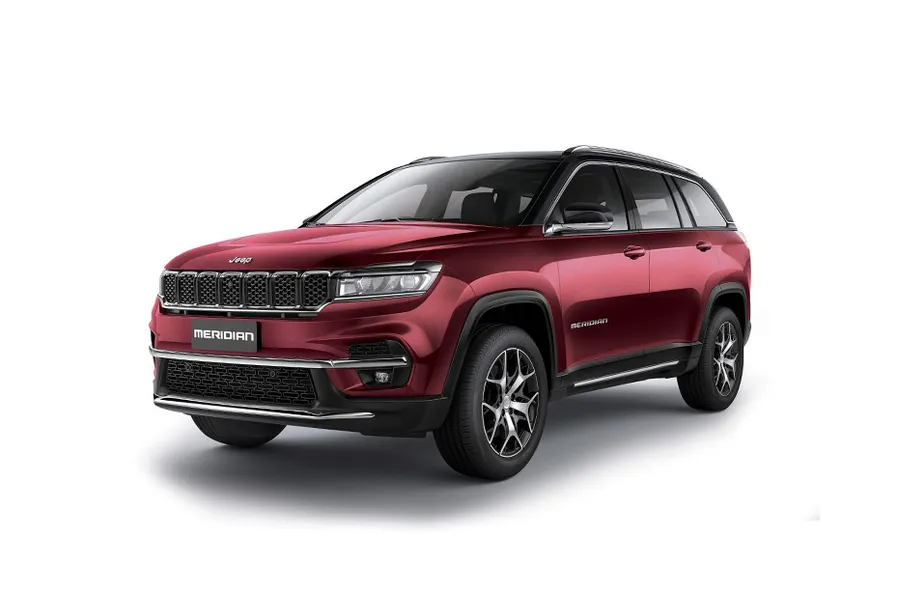
The new Hyundai Bayon brings a technology-focused approach to India's midsize SUV segment. Launched in India on October 26, 2026, the SUV combines modern styling, a feature-rich cabin, advanced driver assistance systems and a refined 1.5-litre petrol engine.
Positioned between the Venue and Creta in Hyundai's SUV cars portfolio, the Bayon targets buyers looking for modern features, everyday comfort and additional safety technology.
Its major highlights include dual 12.3-inch displays, a generative AI voice assistant, Hyundai Bluelink connectivity, Level 2 Pro ADAS and six airbags as standard. Buyers can choose between manual and automatic transmission options.
But does the Bayon offer enough to compete against established midsize SUVs? Let's explore its design, interior, performance, features and practicality.
1. Exterior Design: Modern and Sporty Appearance
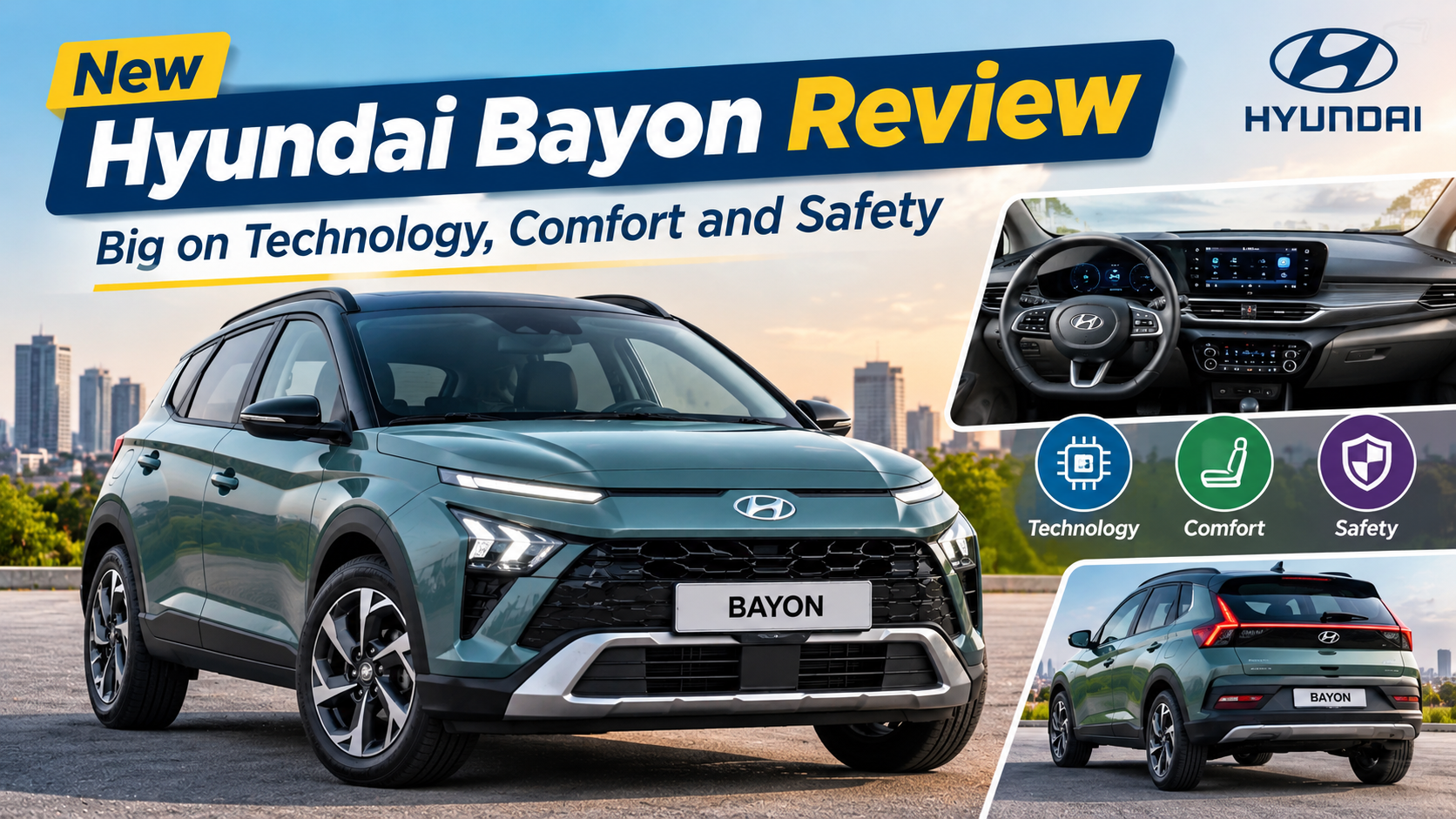
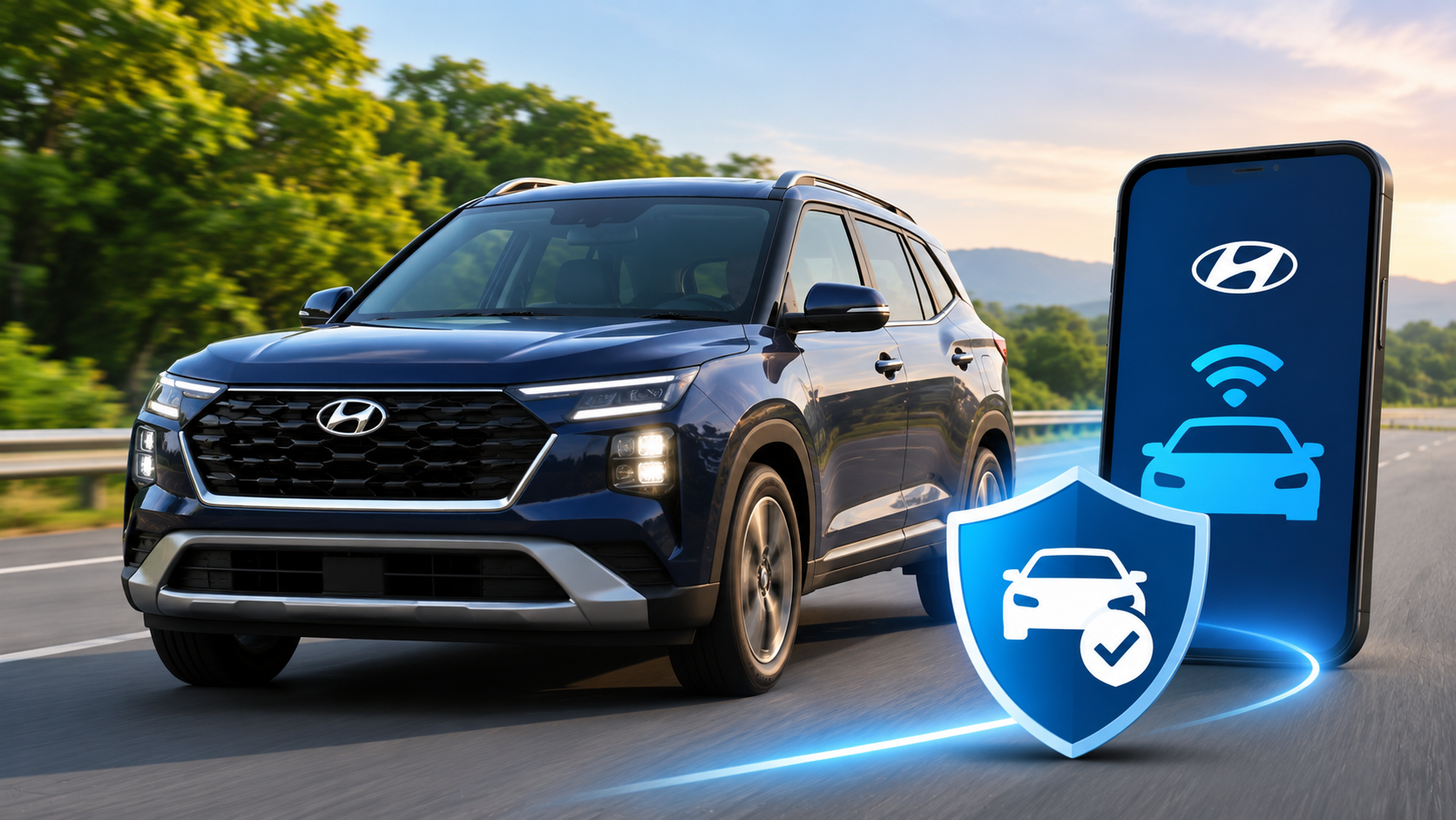
The Hyundai Bayon features a fresh exterior design with sharp body lines, bold black cladding and modern LED lighting.
At the front, it gets slim LED daytime running lights, while the main headlamp units are positioned lower in the bumper. The redesigned front fascia gives the SUV a distinctive appearance.
The side profile features pronounced wheel arches, stylish alloy wheels and sharp character lines. At the rear, slim LED tail lamps, a prominent roof spoiler and a redesigned bumper complete the look.
With its crossover-inspired styling, the Bayon offers a different appearance compared with conventional boxy SUVs.
2. Interior and Technology: Dual 12.3-Inch Displays
The cabin is one of the biggest highlights of the new Hyundai Bayon.
It gets two 12.3-inch displays, including a digital instrument cluster and a touchscreen infotainment system. The dashboard features vertically positioned air vents, a modern centre console and a neatly arranged climate-control panel.
The SUV also offers wireless Android Auto and Apple CarPlay, a Bose premium sound system and connected-car technology.
Another major highlight is Hyundai's generative AI voice assistant, powered by Perplexity intelligence and SoundHound AI voice technology.
The system supports natural conversations and can help occupants access information about weather, travel and nearby locations.
The SUV also features more than 70 Bluelink connected functions and over-the-air updates for supported vehicle controllers.
3. Safety Features: Level 2 Pro ADAS
Safety is another important strength of the Hyundai Bayon.
The SUV gets six airbags as standard, along with Electronic Stability Control, Hill-start Assist Control, ABS with EBD and a Tyre Pressure Monitoring System.
Higher variants receive Hyundai SmartSense Level 2 Pro ADAS with 23 driver assistance features.
Important safety technologies include:
-
Forward Collision Avoidance Assist
-
Lane Keeping Assist
-
Blind-Spot Collision Warning
-
Rear Cross-Traffic Collision Avoidance
-
Highway Driving Assist
-
Smart Cruise Control
-
Surround View Monitor
-
Blind-Spot View Monitor
The Bayon also features a strong body structure engineered with advanced high-strength steel.
These technologies improve driver assistance and occupant protection, although ADAS does not replace attentive driving.
4. Engine and Performance: 1.5-Litre Petrol
The Hyundai Bayon is powered by a 1.5-litre, four-cylinder naturally aspirated petrol engine.
It produces 115 PS of maximum power and 143.8 Nm of peak torque.
Buyers can choose between a six-speed manual gearbox and an Intelligent Variable Transmission (IVT) automatic.
The engine focuses on smooth power delivery and everyday driving comfort rather than sporty acceleration.
The manual gearbox offers precise shifts and a light clutch, while the IVT automatic provides convenience in city traffic.
The automatic version also gets Dash Boost Mode for improved responsiveness during acceleration.
Hyundai has announced a CNG version for January 2027, which should provide another option for buyers concerned about running costs.
5. Ride Comfort and Practicality
The Bayon gets a 2,600mm wheelbase and 205mm ground clearance, making it suitable for different road conditions.
Its suspension setup provides a balance between comfort and stability. The steering is light enough for city driving, while the SUV feels predictable on highways.
The cabin offers comfortable front seating and useful rear-seat space. However, taller rear passengers may find headroom slightly limited because of the sloping roofline.
The SUV gets a 505-litre boot capacity, measured up to the roof, along with 60:40 split rear seats.
A higher loading lip is one small drawback when carrying heavy luggage.
6. Hyundai Bayon Price and Rivals
The Hyundai Bayon is priced from Rs 9.99 lakh to Rs 18.15 lakh (ex-showroom), depending on the variant.
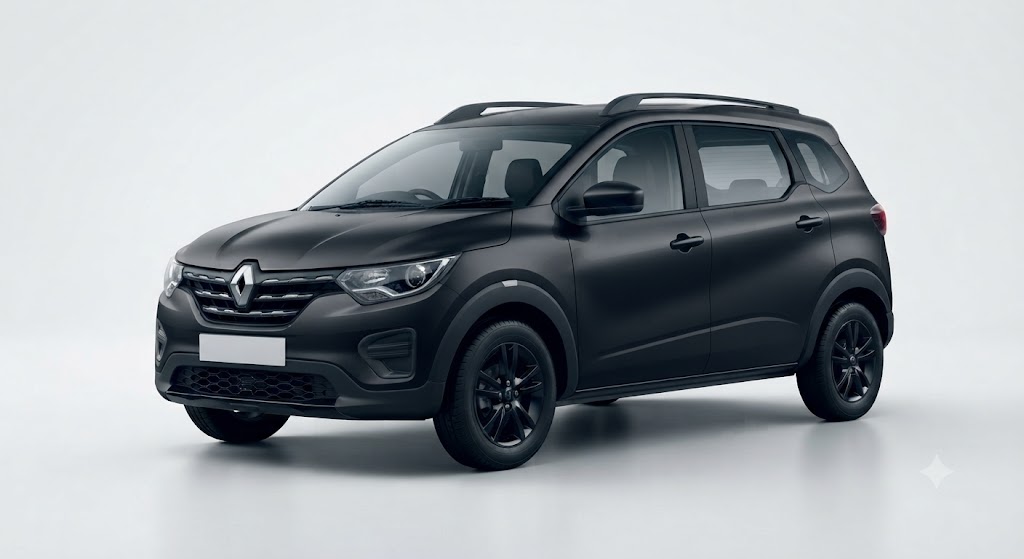
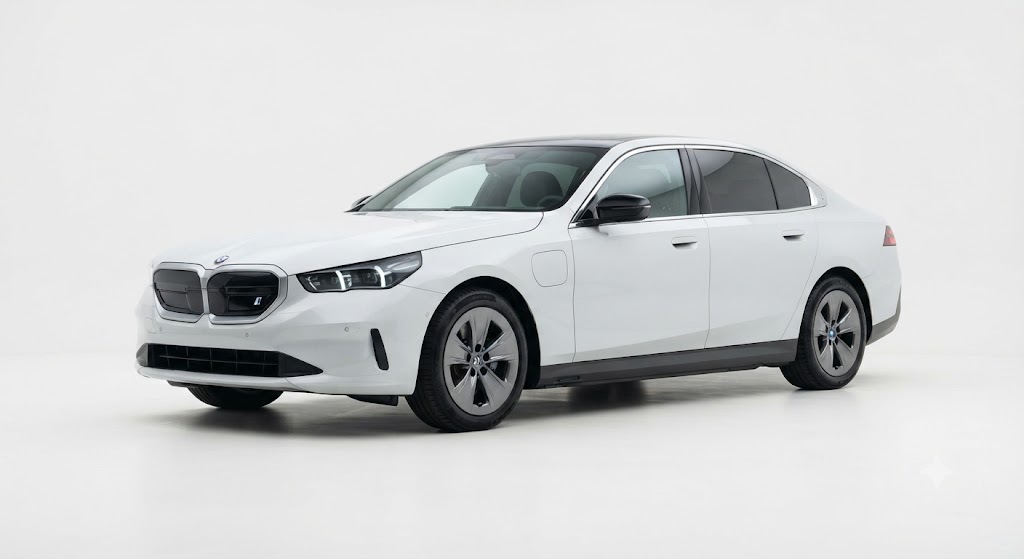
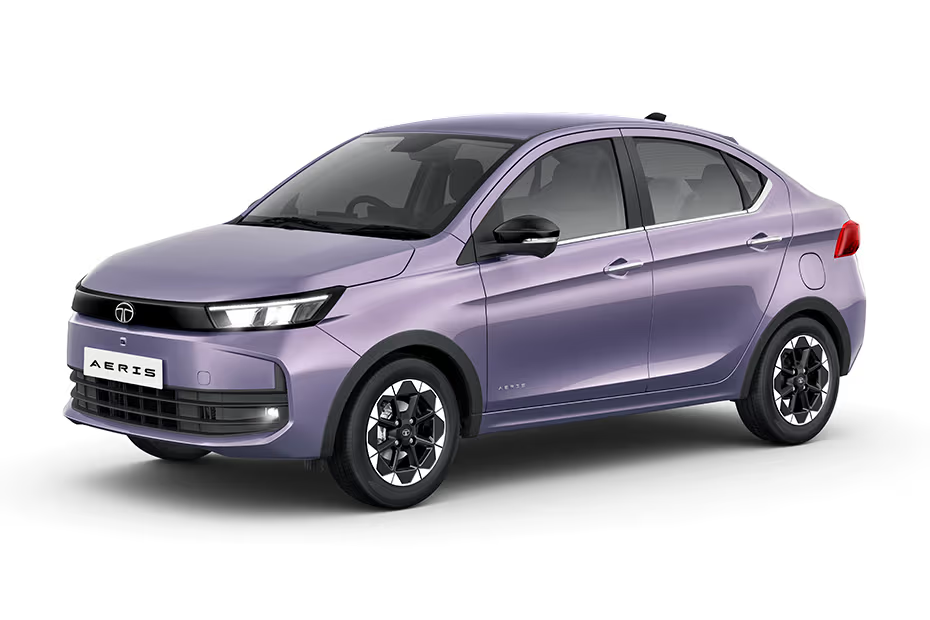
Its main competitors include:
The Bayon's technology package and standard safety equipment are among its strongest selling points.
7. Hyundai Bayon Specifications
|
Particulars
|
Details
|
|
Engine
|
1.5L Petrol
|
|
Cylinders
|
4
|
|
Maximum Power
|
115 PS
|
|
Peak Torque
|
143.8 Nm
|
|
Gearbox
|
6-Speed MT / IVT
|
|
Wheelbase
|
2,600 mm
|
|
Ground Clearance
|
205 mm
|
|
Boot Space
|
505 litres
|
|
Infotainment
|
12.3-inch
|
|
Instrument Cluster
|
12.3-inch
|
|
Safety
|
6 Airbags
|
|
ADAS
|
Level 2 Pro
|
|
CNG Version
|
Expected January 2027
|
|
Price
|
Rs 9.99–18.15 Lakh
|
Final Verdict: Is the Hyundai Bayon Worth Considering?
The new Hyundai Bayon offers a well-rounded package for buyers who prioritise technology, safety and everyday comfort.
Its dual-screen dashboard, generative AI voice assistant, connected-car features and Level 2 Pro ADAS make it one of the technology-focused offerings in its segment.
The 1.5-litre petrol engine is smooth and refined, while manual and IVT automatic options provide flexibility.
However, the absence of a turbo-petrol or diesel option may disappoint some buyers. Rear headroom could also be better.
Overall, the Hyundai Bayon is worth considering for families looking for a modern, feature-rich petrol SUV with comprehensive safety technology. Its upcoming CNG option could further improve its appeal.

 Khyati Sharma 2026-11-06