Tata Aeris
5.29 Lakh*

2026-08-11

India's electric passenger vehicle market maintained its strong growth momentum in July 2026, with retail sales reaching 32,928 units. This represents an impressive 83.13% year-on-year growth compared with 17,981 units sold in July 2025.
July also became the best-ever July for electric passenger vehicle sales in India. The market crossed the 30,000-unit mark for the second consecutive month, although sales were slightly lower than June's record of 33,524 units. The month-on-month decline stood at 1.78%.
|
Rank |
Manufacturer |
July 2026 Sales |
YoY Growth |
MoM Growth |
|
1 |
13,678 |
103.18% |
6.85% |
|
|
2 |
7,742 |
126.64% |
-5.37% |
|
|
3 |
5,689 |
-3.61% |
-8.03% |
|
|
4 |
1,600 |
— |
-20.00% |
|
|
5 |
VinFast |
1,482 |
— |
2.35% |
|
6 |
749 |
22.19% |
-19.11% |
|
|
7 |
566 |
-21.28% |
51.34% |
|
|
8 |
470 |
623.08% |
-12.96% |
|
|
9 |
369 |
36.67% |
— |
|
|
10 |
165 |
43.48% |
— |
|
|
11 |
123 |
— |
— |
|
|
12 |
115 |
— |
— |
|
|
13 |
51 |
— |
— |
|
|
14 |
49 |
— |
— |
|
|
— |
Other Manufacturers |
80 |
— |
— |
|
— |
Total EV Retail Sales |
32,928 |
83.13% |
-1.78% |
Tata Motors remained the dominant manufacturer in India's electric passenger vehicle market, recording 13,678 retail sales in July.
The company registered an impressive 103.18% YoY increase, compared with 6,732 units in July 2025. Tata also managed to grow its monthly volumes by 6.85%, rising from 12,801 units in June.
The strong performance further strengthened Tata's position at the top of India's EV market.
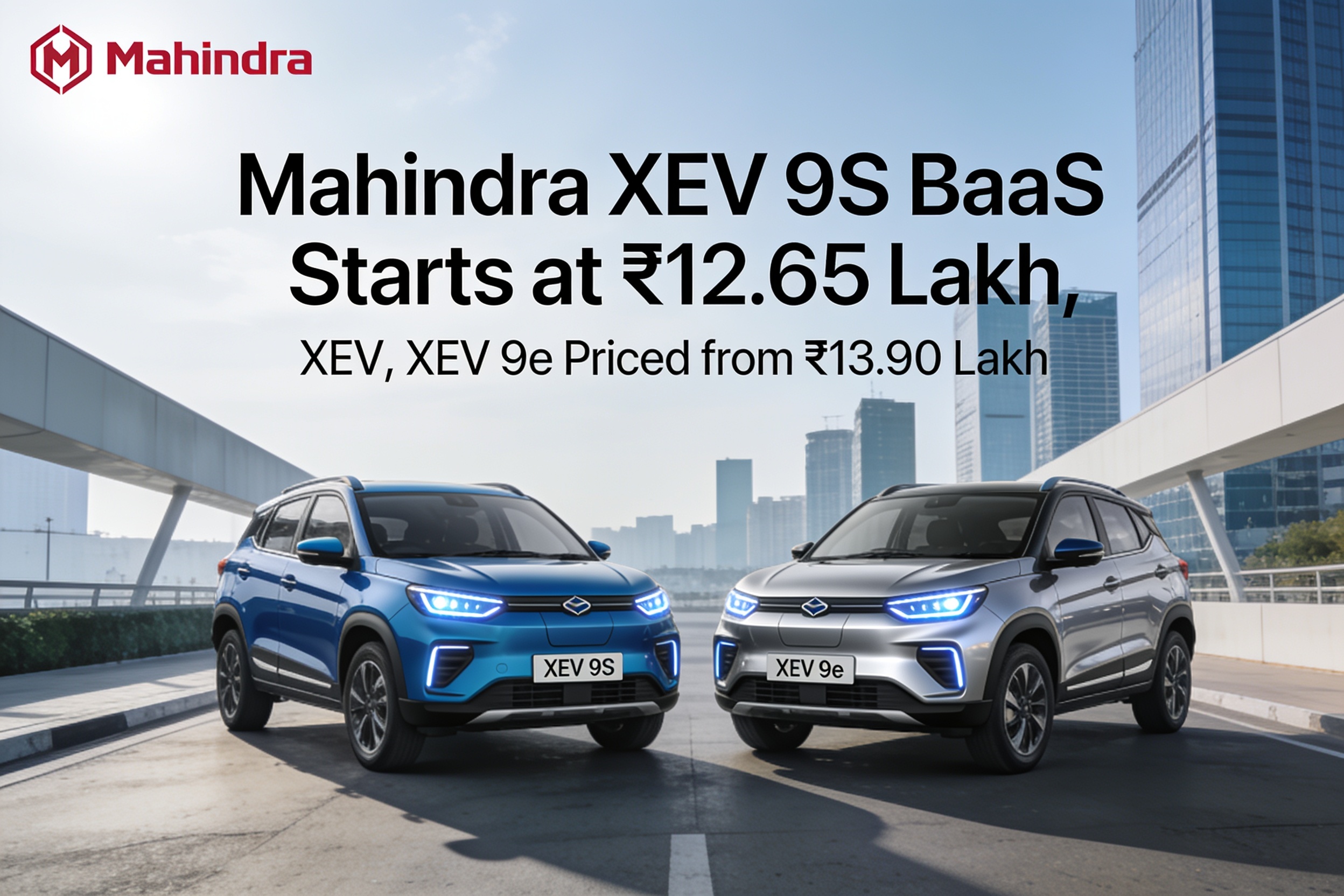
Mahindra finished second with 7,742 electric vehicle registrations. Its July performance represented a remarkable 126.64% YoY increase over the 3,416 units recorded in July last year.
However, the company's monthly volume declined by 5.37% from June's 8,181 units.
Even with the month-on-month decline, Mahindra remained comfortably ahead of most competitors and continued to strengthen its position in India's electric SUV market.
JSW MG Motor secured third place with 5,689 units. Unlike most of the leading manufacturers, the company recorded an annual decline of 3.61%, compared with 5,902 units in July 2025.
Its monthly performance also weakened, with sales falling 8.03% from 6,186 units in June.
Nevertheless, MG remained one of the largest contributors to India's overall electric passenger vehicle volumes.
Maruti Suzuki recorded 1,600 EV sales during July. Its volumes were down 20% from the 2,000 units recorded in June.
VinFast, meanwhile, continued its gradual expansion in India. The new entrant recorded 1,482 units, improving 2.35% over its June tally of 1,448 units.
The performance indicates that VinFast is steadily building momentum as it expands its presence in the Indian electric vehicle market.
BYD recorded 749 units, representing 22.19% YoY growth. However, monthly sales dropped 19.11% from June's 926 units.
Hyundai registered 566 electric cars, marking a 21.28% decline compared with July last year. On a monthly basis, however, Hyundai posted a significant 51.34% improvement over June.
Kia recorded 470 units, translating into an impressive 623.08% YoY increase. The percentage growth was aided by a relatively low base in the previous year. Compared with June, however, Kia's sales declined by 12.96%.
Among premium manufacturers, BMW remained the best-performing luxury EV brand in July with 369 units. Its sales increased 36.67% YoY.
Mercedes-Benz followed with 165 units, registering 43.48% annual growth.
Other premium and international manufacturers also contributed to the market. Toyota recorded 123 units of its electric SUV, while Tesla registered 115 units. Citroen and Volvo recorded 51 and 49 units respectively, while other manufacturers collectively accounted for another 80 units.
|
Name |
Aug |
Sep |
Oct |
Nov |
Dec |
Jan 2025 |
|
4389 |
3826 |
6583 |
4413 |
4165 |
5047 |
|
|
1435 |
1018 |
2774 |
3320 |
3781 |
4225 |
|
|
337 |
478 |
956 |
577 |
392 |
686 |
|
|
227 |
175 |
396 |
356 |
304 |
312 |
|
|
162 |
389 |
257 |
82 |
78 |
269 |
|
|
71 |
115 |
156 |
105 |
150 |
181 |
|
|
53 |
86 |
161 |
106 |
102 |
95 |
|
|
41 |
28 |
36 |
21 |
20 |
321 |
|
|
20 |
20 |
47 |
73 |
79 |
47 |
|
|
33 |
15 |
19 |
32 |
18 |
27 |
|
|
10 |
14 |
4 |
3 |
8 |
18 |
|
|
4 |
3 |
4 |
1 |
9 |
6 |
|
|
Rolls-Royce |
1 |
1 |
3 |
1 |
4 |
4 |
|
0 |
0 |
0 |
0 |
0 |
1 |
|
|
Total |
6783 |
6168 |
11396 |
9090 |
9110 |
11229 |
Although July sales were slightly below June's all-time monthly record, the overall performance remains encouraging. Crossing 32,900 electric passenger vehicles in a single month and achieving more than 80% annual growth highlights the accelerating adoption of EVs in India.
The market is also becoming increasingly diverse, with established Indian manufacturers, global automakers and newer EV-focused brands all competing for a share of the growing segment. With new electric models continuing to enter the market, India's passenger EV industry is expected to remain an important growth area in the months ahead.