
Mahindra Thar OG
10.32 Lakh*

 Khyati Sharma 2026-09-25

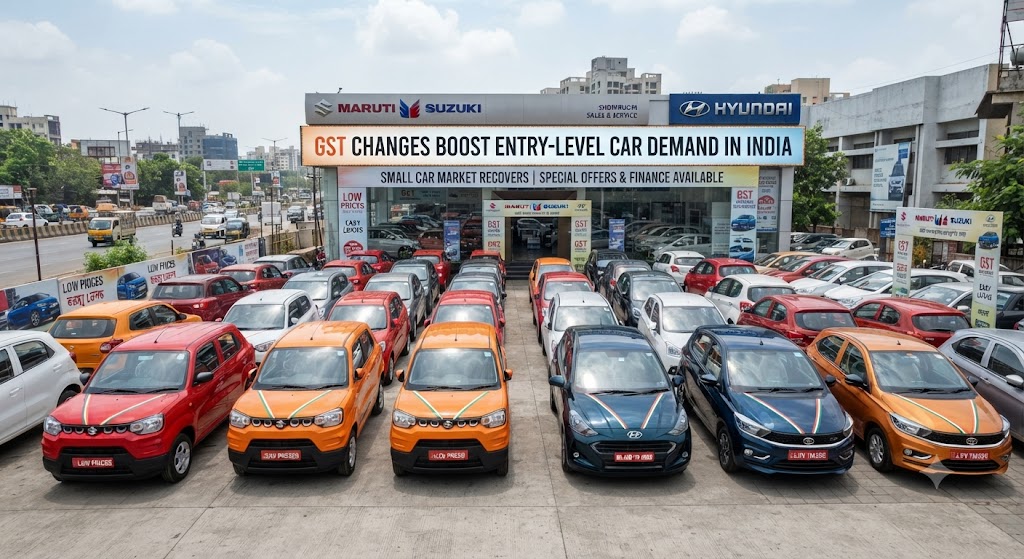
India's entry-level passenger car segment is showing signs of recovery after the GST changes introduced in September 2025. Recent industry data indicates that demand for smaller and more affordable cars has improved, particularly among first-time buyers.
The GST rate on qualifying small cars was reduced from 28% to 18%, improving the affordability of this segment. The change came into effect on September 22, 2025, and the latest data now provides a clearer picture of its impact on the Indian automobile market.
According to Maruti Suzuki, its overall passenger vehicle sales increased by around 36% year-on-year between April and August 2026. More significantly, sales of its entry-level models increased by more than 96% during the same period.
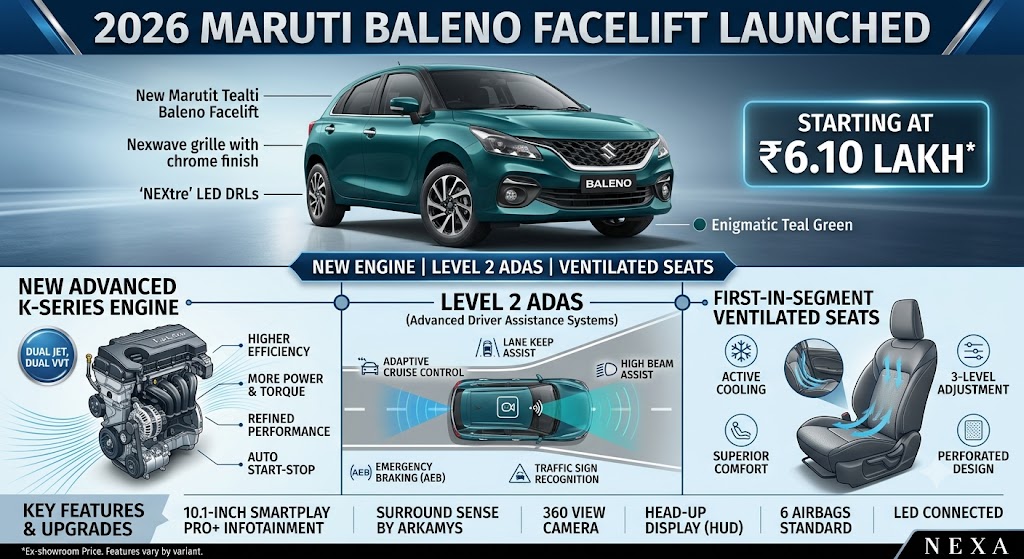
The company's entry-level portfolio includes models such as the Alto, S-Presso, Celerio and WagonR. The strong growth suggests that lower prices and improved affordability are encouraging some customers who had previously moved away from small cars to reconsider the segment.
| Key Indicator | Latest Update |
|---|---|
| GST on qualifying small cars | 18% |
| Earlier GST rate | 28% |
| GST change effective from | September 22, 2025 |
| Maruti PV sales growth, Apr-Aug 2026 | Around 36% YoY |
| Maruti entry-level sales growth, Apr-Aug 2026 | More than 96% |
| Entry-level hatchback market share | 3.3% |
| Previous share before GST cut | 2.3% |
The entry-level hatchback market share increased from 2.3% in the first half of FY2026 to 3.3% in the first five months of FY2027, according to data cited from JATO Dynamics.
The recovery is also being supported by an increase in first-time car buyers. Recent industry data indicates that first-time buyers accounted for 54% of Maruti Suzuki's sales between April and August 2026, compared with 42% during the same period a year earlier. Tata Motors has also reported an increase in the contribution of first-time buyers.
This suggests that improved affordability is helping bring some customers back into the new-car market. However, the shift is not limited to traditional hatchbacks. Entry-level SUVs are also attracting buyers who want higher seating positions and SUV-style designs while remaining relatively affordable.
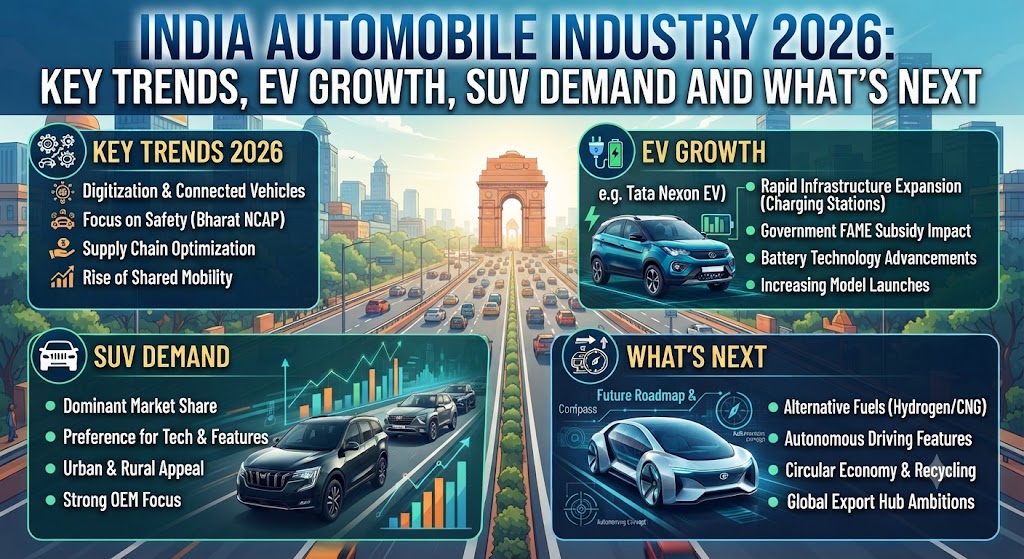
Despite the recovery in entry-level cars, SUVs remain the dominant body style in India's passenger vehicle market.
According to the latest JATO Dynamics data cited in September 2026, SUVs accounted for around 58% of the passenger vehicle market in FY2027 so far, compared with 56% in the six months before the GST reduction.
This means the improvement in small-car demand does not necessarily indicate a reversal of India's broader shift towards SUVs. Instead, both trends are currently occurring at the same time.
The entry-level segment is gaining some ground because of improved affordability, while many buyers continue to prefer SUVs as their first new vehicle.
The revival of affordable cars could encourage manufacturers to pay greater attention to the entry-level segment. For several years, rising vehicle prices and changing customer preferences had put pressure on traditional small hatchbacks.
The latest sales data indicates that price sensitivity remains important in the Indian market. Lower taxation can make a meaningful difference for buyers looking for an affordable first car, particularly in price-sensitive and smaller-city markets.
However, the long-term performance of the segment will depend on several factors, including vehicle pricing, financing costs, fuel prices, product features and competition from entry-level SUVs.
The latest numbers show that India's small-car segment is no longer experiencing the same level of decline seen in previous years. The GST reduction has improved affordability, while rising first-time buyer participation is providing additional support.
At the same time, SUVs continue to account for the majority of passenger vehicle sales. Therefore, the current market is showing a selective recovery in entry-level cars rather than a complete shift away from SUVs.
For manufacturers, the improving demand for affordable cars could create opportunities to refresh existing hatchback portfolios and introduce new products aimed at first-time buyers.
With GST 2.0 now providing a full year of market data, the coming months will show whether the recent improvement develops into a sustained recovery for India's entry-level car segment









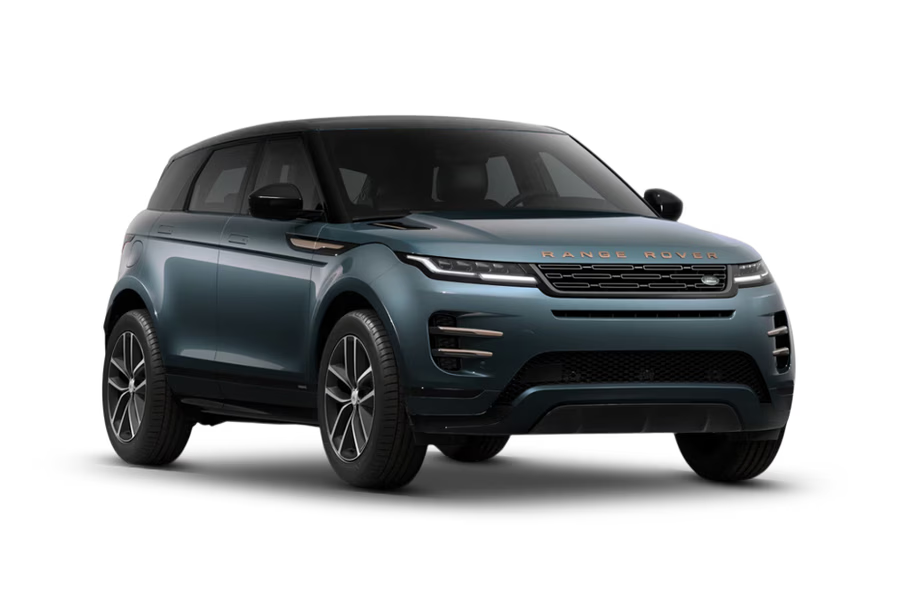
Land Rover
₹64.86 - 81.85 Lakh
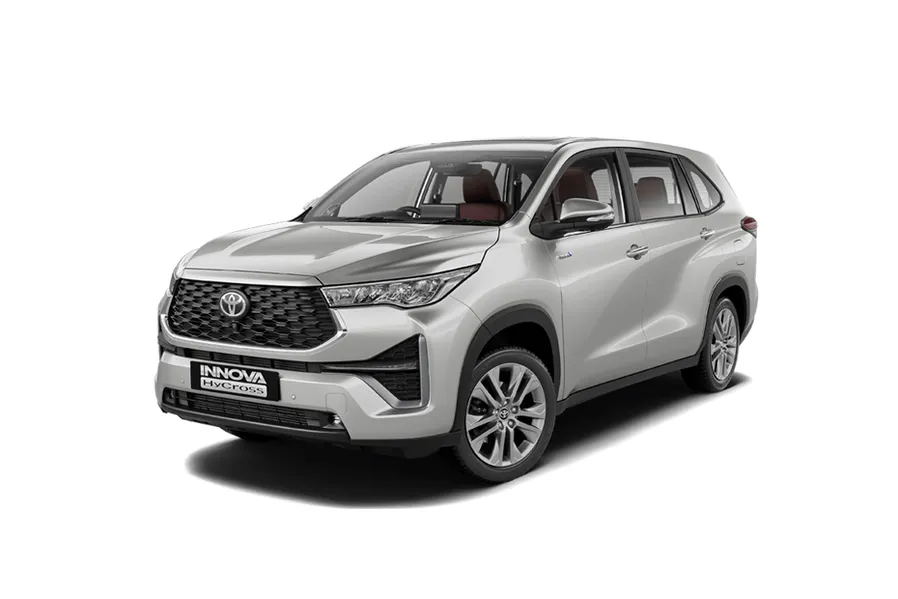
Toyota
₹18.70 - 37.71 Lakh