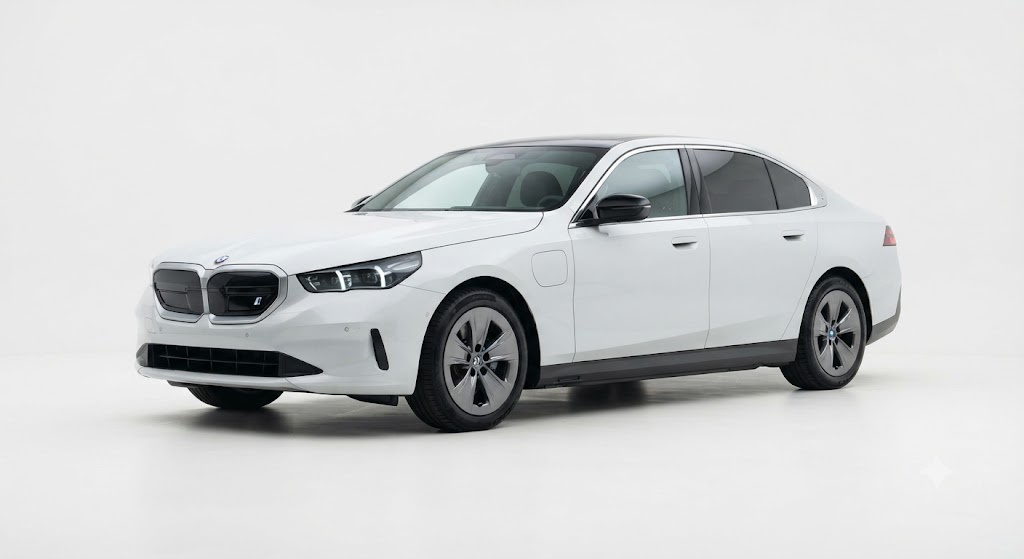
BMW i5 LWB
79.6 Lakh*

 Khyati Sharma 2026-09-28

Suzuki car is looking at new ways to reduce the weight of its future passenger vehicles, with the company targeting a reduction of up to 100 kg. The objective is to make its cars more efficient and responsive while continuing to meet modern safety requirements.
Vehicle weight has become an important area of development for automakers. Cars have gradually become heavier because of additional safety equipment, larger dimensions, advanced technology and comfort features. Suzuki's latest approach focuses on reducing unnecessary mass through engineering and design improvements rather than compromising important equipment.
A lighter vehicle can require less energy to accelerate and maintain speed, potentially improving fuel efficiency and driving performance.
The proposed reduction of around 100 kg could represent a significant engineering challenge, particularly as manufacturers need to balance weight, strength, safety and cost.
|
Key Area |
Suzuki's Approach |
|
Weight reduction target |
Up to 100 kg |
|
Primary objective |
Improve vehicle efficiency |
|
Safety |
To be maintained |
|
Focus |
Lightweight engineering |
|
Potential benefits |
Efficiency, performance and handling |
|
Application |
Future passenger vehicles |
|
Powertrains |
Potential relevance to petrol, hybrid and EV models |
Modern vehicles carry considerably more equipment than older models. Safety systems, infotainment, larger displays, additional electronic components and increasingly sophisticated cabin features all add weight.
Larger wheels, bigger body dimensions and stronger structures can also contribute to higher kerb weights.
At the same time, automakers are under pressure to improve efficiency. This has made lightweight construction an important part of vehicle development.
Weight reduction does not necessarily mean removing features. Manufacturers can instead look at individual components and redesign them to achieve the same function with less material or a more efficient structure.
Potential areas include body structures, seats, suspension components, interior parts and other vehicle systems.
|
Component Area |
Possible Weight-Saving Approach |
|
Body structure |
Optimised structural design |
|
Interior |
Lighter components and materials |
|
Seats |
Reduced component mass |
|
Suspension |
More efficient component design |
|
Wheels |
Lightweight wheel construction |
|
Electrical components |
Optimised systems |
|
Other hardware |
Component-level engineering |
The exact areas Suzuki will use for its targeted weight reduction will depend on the vehicle and its development programme.
Reducing weight while maintaining safety is one of the biggest challenges for any automaker. The body structure must provide adequate protection during different types of crashes while also meeting applicable safety regulations.
Suzuki's approach therefore needs to balance lightweight construction with structural rigidity and crash protection.
The goal is not simply to make a vehicle lighter. Instead, the emphasis is on achieving a better balance between weight, strength and efficiency.
Reducing vehicle mass can have several advantages. A lighter vehicle generally requires less energy to accelerate, which can contribute to improved efficiency.
For petrol-powered vehicles, lower weight can potentially help reduce fuel consumption. The same principle is particularly relevant to electric vehicles, where reducing energy consumption can improve overall efficiency.
|
Potential Benefit |
How Lower Weight Can Help |
|
Fuel efficiency |
Less energy required to move the vehicle |
|
EV efficiency |
Lower energy consumption |
|
Performance |
Potentially quicker response |
|
Handling |
Reduced mass can improve vehicle dynamics |
|
Braking |
Lower mass can reduce braking demand |
|
Driving feel |
Potentially more responsive behaviour |
The actual improvement will depend on the vehicle's engine or motor, aerodynamics, tyres, gearing and overall design.
Weight reduction could become increasingly important for electric vehicles. Battery packs are heavy, and adding more battery capacity can significantly increase a vehicle's overall mass.
If manufacturers can reduce weight elsewhere, they may be able to improve efficiency without relying solely on larger battery packs.
A lighter EV could potentially consume less energy for the same journey, although the final impact would depend on the complete vehicle package.
Suzuki has historically focused on compact vehicles and efficiency, making weight reduction a logical area for further development.
A 100-kg reduction could help future models improve their efficiency while potentially offering sharper driving characteristics. However, the extent of the benefit will vary from model to model.
The company will also need to balance lightweight construction with manufacturing costs, durability, comfort and safety.
|
Area |
Potential Impact |
|
Fuel economy |
Potential improvement |
|
EV range/efficiency |
Potential improvement through lower energy consumption |
|
Acceleration |
Potentially improved response |
|
Handling |
Potentially more agile characteristics |
|
Braking |
Reduced vehicle mass |
|
Manufacturing |
May require new engineering solutions |
|
Safety |
Must remain within required standards |
The automotive industry is increasingly looking at lightweight engineering as manufacturers attempt to improve efficiency without reducing functionality.
For Suzuki, a significant weight reduction could help its future vehicles remain efficient even as they receive additional technology and safety equipment.
The challenge will be ensuring that weight savings do not negatively affect durability, refinement or occupant protection.

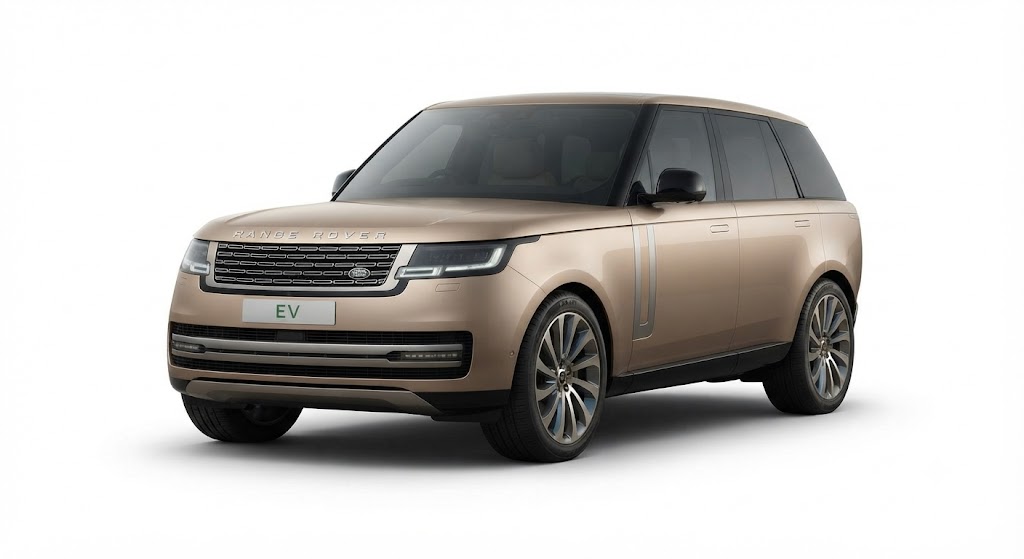















Land Rover
₹138.00 - 316.49 Lakh
 (1).avif)