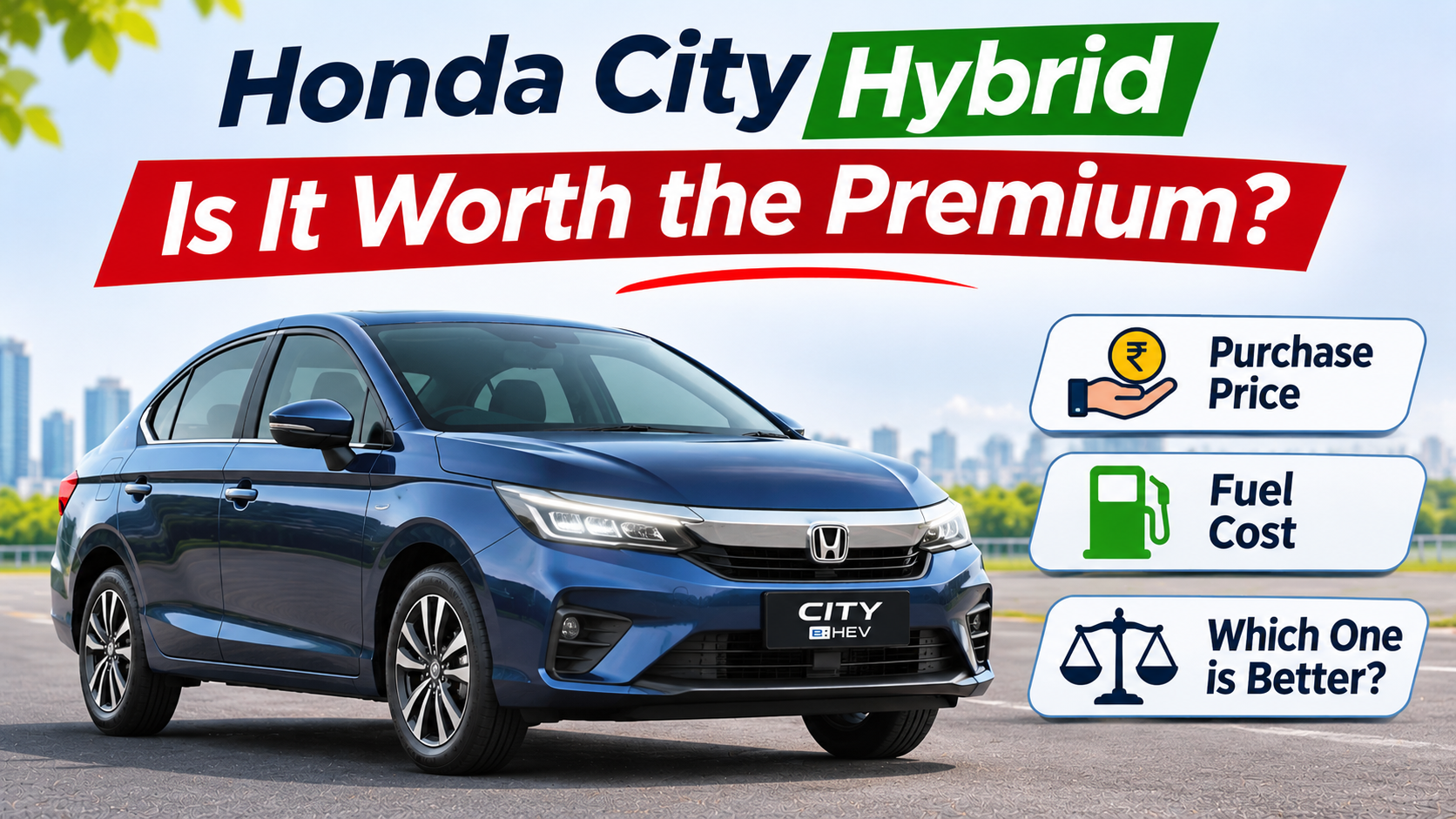
The Honda City has long been a popular choice among Indian sedan buyers, thanks to its comfortable cabin, refined petrol engine and everyday practicality. However, customers looking for better fuel efficiency can also consider the Honda City e:HEV, which combines a petrol engine with electric motor technology.
The hybrid version promises significantly better fuel economy than the regular petrol model. It can use electric power during suitable driving conditions, making it particularly attractive for people who regularly travel through busy city traffic.
But there is one important question: Is the Honda City Hybrid worth paying extra for?
The hybrid costs several lakh rupees more than the regular petrol automatic. Although it can save money on fuel, buyers need to consider their annual driving distance, petrol expenses and how long they plan to keep the vehicle.
1. Honda City Petrol vs Hybrid: Price Difference
The 2026 Honda City facelift is available with regular petrol and strong-hybrid powertrain options. The petrol version comes with manual and CVT automatic transmissions, while the hybrid uses an e-CVT automatic gearbox.
For a fair comparison, we will consider the higher-spec petrol ZX+ CVT and the hybrid ZX.
The petrol ZX+ CVT is priced at approximately Rs 17.15 lakh (ex-showroom), while the hybrid ZX is priced at approximately Rs 21 lakh.
This creates a purchase-price difference of around Rs 3.85 lakh.
That is a considerable amount for buyers who are planning to purchase a midsize sedan. However, the hybrid also offers a different powertrain and additional technology, so the decision should not be based on purchase price alone.
Prices may vary with future revisions, dealership offers and location.
Ex-Showroom vs On-Road Price: What's the Real Difference?
2. How Does the Honda City Hybrid Work?
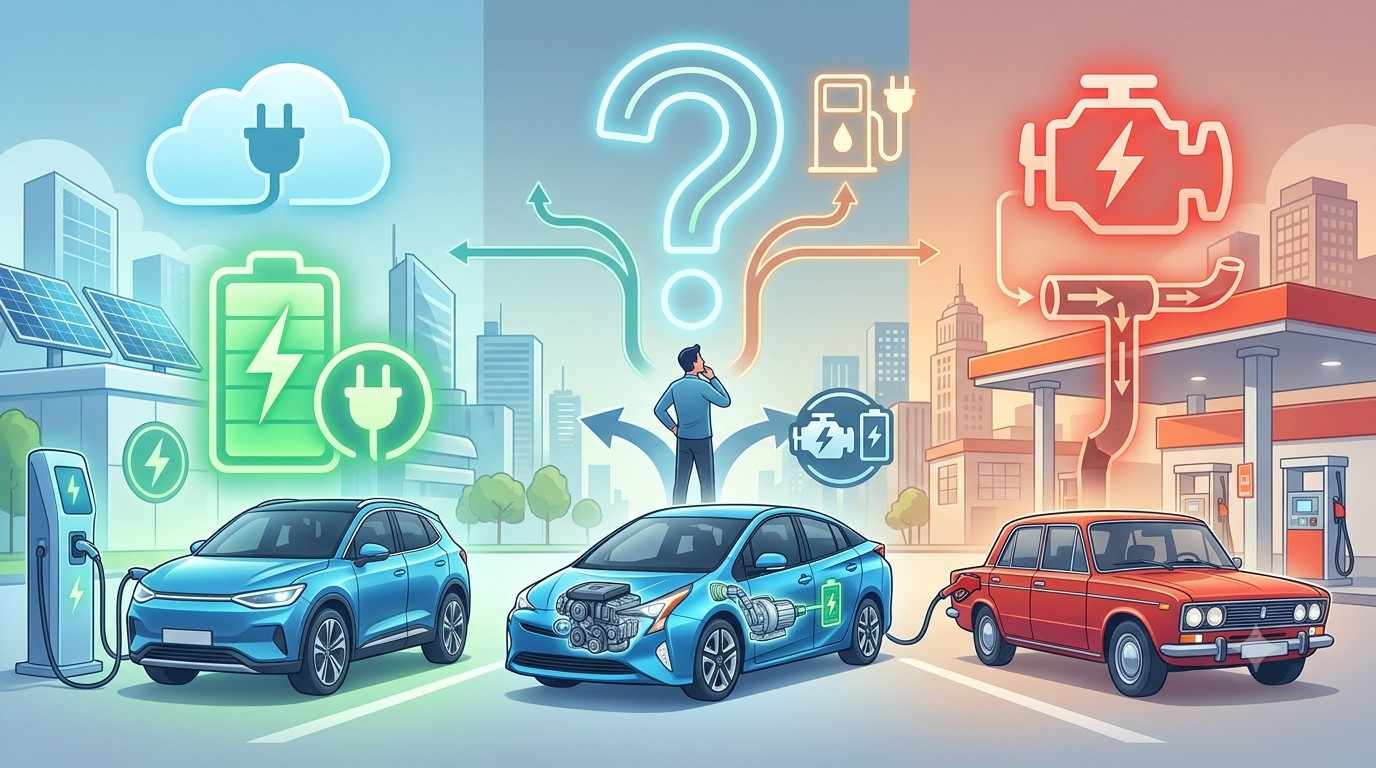
The Honda City e:HEV uses a 1.5-litre Atkinson-cycle petrol engine combined with an electric motor and a lithium-ion battery.
The hybrid system produces a combined maximum output of approximately 126hp, while the electric motor delivers up to 253Nm of torque.
Unlike a conventional petrol car, the hybrid can automatically switch between different operating modes depending on driving conditions.
-
EV Drive: The car uses electric power to move when conditions allow, particularly at lower speeds.
-
Hybrid Drive: The petrol engine generates electricity, while the electric motor drives the wheels.
-
Engine Drive: At suitable cruising speeds, the petrol engine can directly power the wheels.
The driver does not need to manually select these modes. The vehicle manages the power sources automatically.
This system is particularly useful in city traffic, where frequent braking and acceleration allow the car to recover energy through regenerative braking.
3. Honda City Petrol vs Hybrid: Mileage Comparison
Fuel efficiency is the biggest reason buyers consider the Honda City Hybrid.
The regular petrol City uses a 1.5-litre i-VTEC engine, producing approximately 121hp and 145Nm of torque. It is available with a six-speed manual or CVT automatic gearbox.
The hybrid uses a similar displacement petrol engine but adds electric assistance to improve efficiency.
According to Honda's claimed figures, the petrol CVT delivers approximately 17.97kmpl, while the hybrid has an ARAI-certified mileage of 27.26kmpl.
However, actual mileage depends on traffic, driving style, road conditions, air-conditioning usage and passenger load.
Recent independent tests have also shown different results:
-
The Honda City petrol CVT returned 10.49kmpl in city conditions and 19.21kmpl on the highway in a CarWale test.
-
The Honda City Hybrid returned 25.25kmpl in the city and 24.22kmpl on the highway in another CarWale test.

4. Two Realistic Driving Profiles: Which Version Saves More?
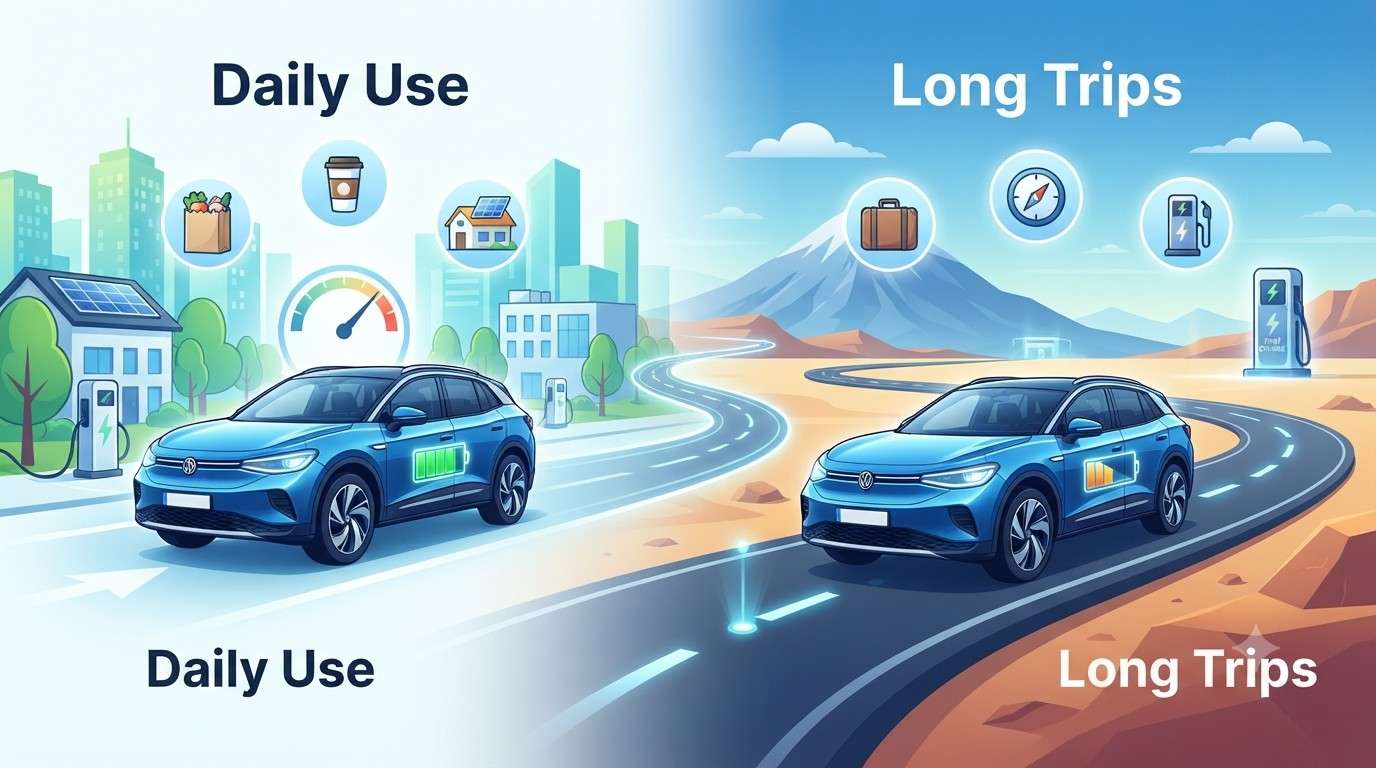
The financial benefit of purchasing a hybrid depends heavily on how much you drive and where you drive.
Someone covering short distances in city traffic may benefit differently from someone regularly travelling between cities.
For this comparison, we will use two realistic driving profiles and an assumed petrol price of Rs 100 per litre.
Hatchback vs Sedan vs SUV: Which Car Type Suits You Best?
Profile 1: City-Focused Family Driver
The first buyer covers approximately 15,000km annually, with 80% of driving in the city and 20% on highways.
This profile represents someone using the car for office commuting, school runs, shopping and occasional weekend journeys.
Using the independent mileage figures mentioned earlier:
The estimated annual petrol expense becomes:
-
Petrol CVT: approximately Rs 1.30 lakh.
-
Hybrid: approximately Rs 59,900.
-
Estimated annual saving: approximately Rs 70,100.
The hybrid offers a substantial advantage in this example because most of the driving takes place in city conditions.
Profile 2: Mixed City and Highway Driver
The second buyer covers approximately 20,000km annually, with 40% of driving in the city and 60% on highways.
This represents someone who regularly travels between cities, drives for work and takes frequent family road trips.
Based on the same mileage assumptions:
-
Petrol CVT: approximately Rs 1.39 lakh in annual fuel expenses.
-
Hybrid: approximately Rs 81,200.
-
Estimated annual saving: approximately Rs 57,500.
The hybrid continues to save money, although the annual savings are lower than in the city-focused example because the petrol version also delivers better efficiency during highway cruising.
Annual Fuel Cost Comparison
|
Driving Profile
|
Petrol CVT Annual Cost
|
Hybrid Annual Cost
|
Estimated Annual Saving
|
|
City-focused: 15,000km/year
|
Rs 1,30,012
|
Rs 59,911
|
Rs 70,101
|
|
Mixed driving: 20,000km/year
|
Rs 1,38,731
|
Rs 81,229
|
Rs 57,502
|
5. How Long Will It Take to Recover the Hybrid's Extra Cost?
This is arguably the most important part of the buying decision.
The approximate purchase-price difference between the petrol ZX+ CVT and hybrid ZX is Rs 3.85 lakh.
Based on the two driving profiles, the hybrid could save approximately Rs 57,500 to Rs 70,100 annually on petrol.
Using these savings:
These are simple fuel-saving payback calculations. They do not include loan interest, insurance differences, servicing, resale value, battery warranty or changes in petrol prices.
The calculation also assumes the driver maintains the same annual distance and driving pattern throughout ownership.
This means the hybrid could make financial sense for someone who drives regularly and plans to keep the car for six or more years.
However, someone who drives only 5,000–7,000km annually may find it difficult to recover the additional purchase cost through fuel savings.
6. What Do You Get for the Extra Money?
The Honda City Hybrid is not simply a petrol City with an electric motor added to it. It offers a different driving experience and additional technology.
The electric motor provides smooth and immediate response during acceleration. In slow-moving traffic, the car can use electric power when conditions allow, reducing engine noise and improving refinement.
The hybrid also comes with an e-CVT transmission, which provides smooth power delivery without conventional gear changes.
Depending on the variant and model year, buyers can get features such as:
-
Honda Sensing advanced driver assistance technology
-
360-degree camera
-
Ventilated front seats
-
Touchscreen infotainment system
-
Wireless smartphone connectivity
-
Electronic parking brake
-
Regenerative braking technology
-
Hybrid energy-flow display
The additional equipment and smoother driving experience may also justify part of the premium for buyers who value comfort and technology.

7. Maintenance and Hybrid Battery: What Should Buyers Check?
Hybrid vehicles have a more complex powertrain than conventional petrol cars because they combine an engine, electric motor, power electronics and a high-voltage battery.
However, this does not automatically mean that hybrid ownership will be expensive.
Before purchasing the Honda City Hybrid, buyers should understand the warranty and service coverage offered by Honda.
Important points to check include:
-
High-voltage battery warranty
-
Hybrid system component coverage
-
Scheduled service costs
-
Availability of authorised hybrid service centres
-
Replacement-part availability
-
Extended warranty options
The hybrid battery is designed for long-term vehicle use, but its warranty conditions are important for both new and second-hand buyers.
8. Which Honda City Should You Buy?
The regular petrol City is suitable for buyers who want a comfortable sedan with a lower initial purchase price.
It makes sense for people with moderate annual running, shorter ownership periods or limited city commuting.
The hybrid is more attractive for buyers who regularly drive in traffic, cover higher annual distances and plan to keep their vehicle for several years.
It is also worth considering if you prefer smoother acceleration and the additional equipment offered by the hybrid variant.
However, buyers should not make the decision based only on the ARAI mileage figure. Actual driving conditions and annual distance matter much more when calculating ownership expenses.
9. Final Verdict: Is the Honda City Hybrid Worth the Premium?
The Honda City Hybrid offers a strong combination of refinement, technology and fuel efficiency. Its electric assistance makes it particularly appealing for urban commuters who regularly face stop-and-go traffic.
The regular petrol City, on the other hand, has a lower purchase price and remains a sensible choice for buyers who do not cover many kilometres annually.
Based on our two illustrative driving profiles, the hybrid could save approximately Rs 57,500–70,100 in petrol expenses each year. This means it could recover its approximate Rs 3.85 lakh purchase premium in around 5.5–6.7 years.
Our recommendation: Choose the regular Honda City petrol CVT if you want to spend less upfront and have moderate annual running. Consider the City Hybrid if you drive frequently, spend considerable time in city traffic and intend to keep your car for many years.
The hybrid is a more fuel-efficient and technologically advanced option, but whether it is worth the extra money ultimately depends on your driving habits and ownership plans.

 Khyati Sharma 2026-11-15