
 Khyati Sharma 2026-08-20
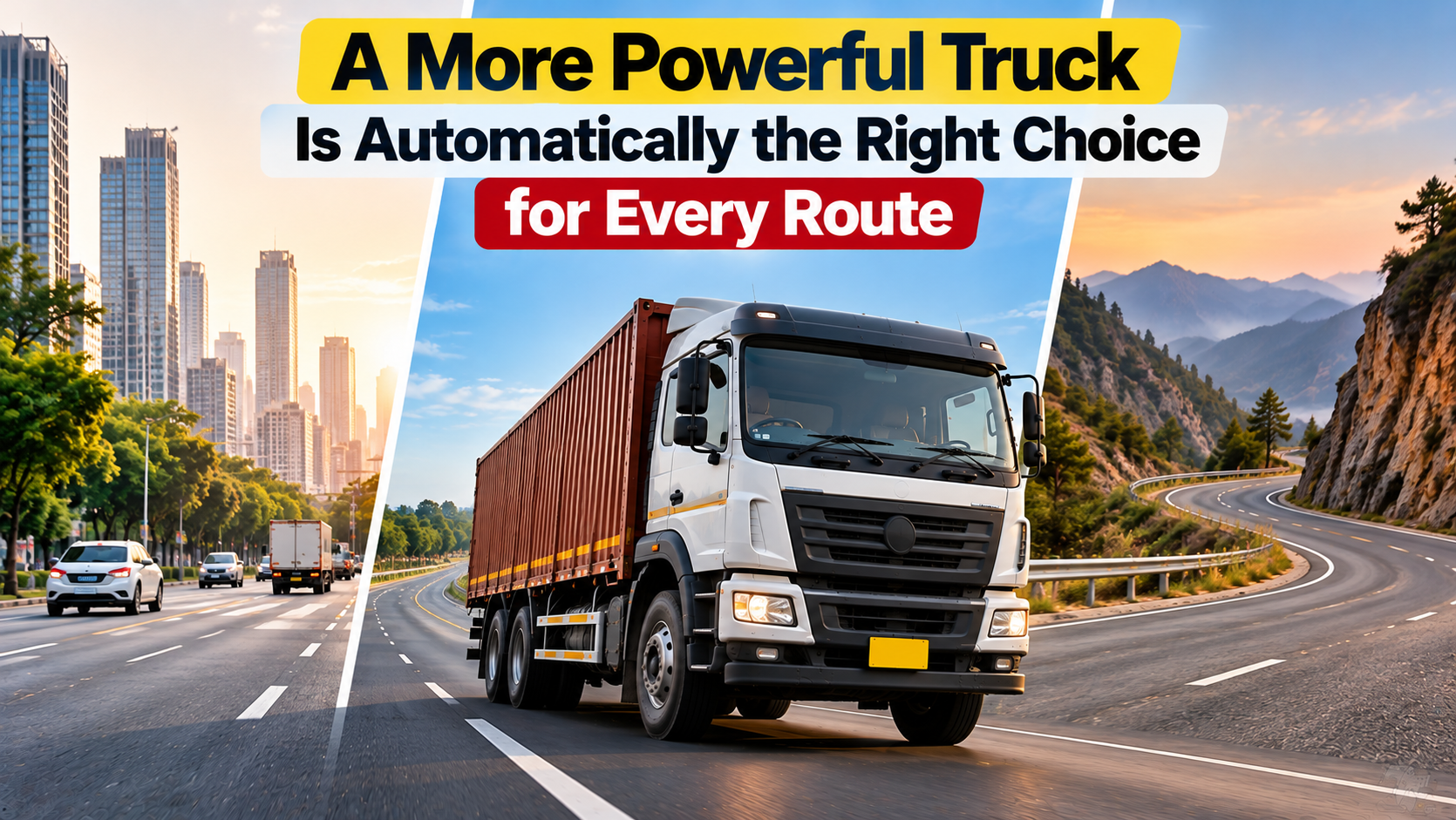
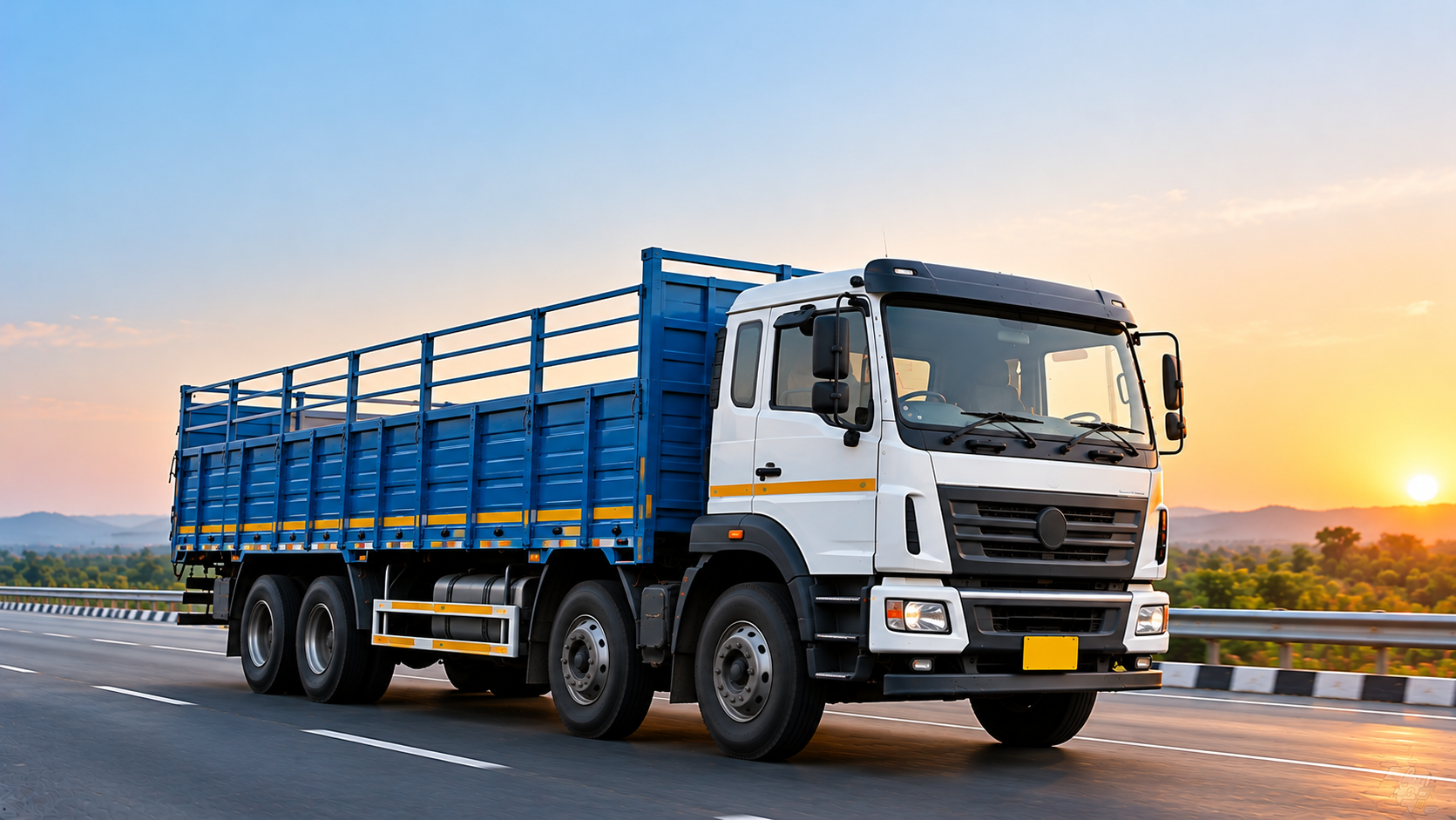
Choosing the right commercial vehicle is one of the most important decisions for any transport business. Truck operators often believe that a vehicle with a more powerful engine is always the better option because it can carry heavy loads, climb steep roads and maintain higher speeds. While engine power is certainly important, it does not automatically make a truck suitable for every route or transportation requirement.
A powerful truck may perform exceptionally well on highways, hilly roads and demanding long-distance routes. However, the same vehicle may not be the most economical or practical choice for short-distance deliveries, congested city roads or operations involving lighter cargo. Factors such as payload capacity, torque, fuel efficiency, vehicle weight, road conditions, operating costs and maintenance requirements also play an important role.
The right truck is not necessarily the one with the highest horsepower. It is the one that offers the best balance between performance, operating costs, load requirements and route conditions.
Does an Empty Truck Really Save Fuel? The Truth About Fuel Consumption on Return Trips
Myth.
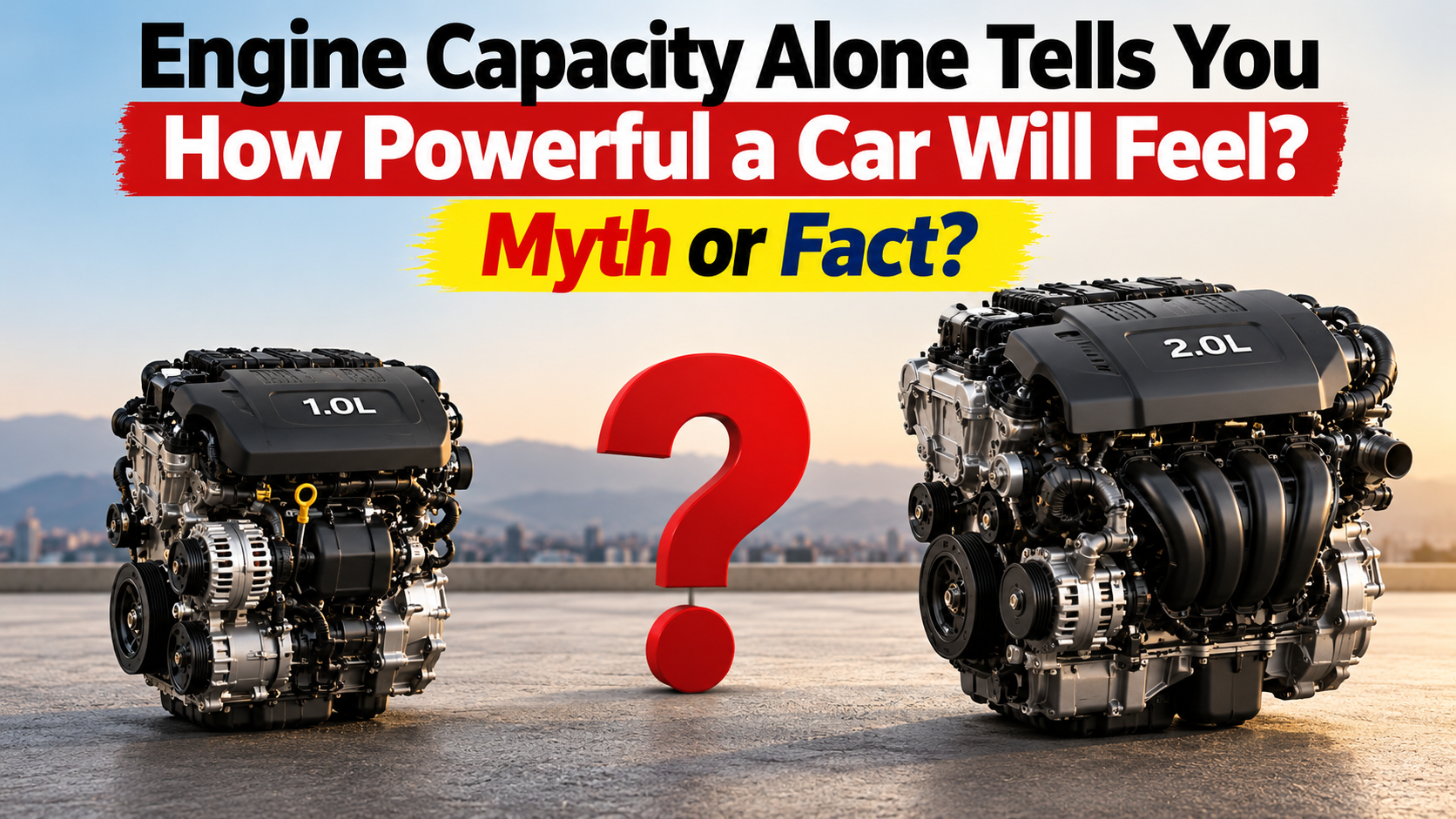
A truck with higher engine power is not automatically the best choice for every transportation operation. Horsepower determines how quickly an engine can perform work, particularly when maintaining speed or operating under demanding conditions. However, selecting a commercial vehicle requires more than comparing engine power figures.
A truck operating on highways with heavy cargo may benefit from a powerful engine and suitable torque delivery. On the other hand, a vehicle used for regular city deliveries may need better manoeuvrability, a suitable load capacity and lower operating costs rather than maximum engine output.
The ideal truck depends on the type of cargo, total vehicle weight, route length, road gradient, traffic conditions and expected daily usage.

Before selecting a truck, it is important to understand the difference between horsepower and torque. These two specifications influence vehicle performance in different ways.
What Does Horsepower Mean?
Horsepower is a measure of the rate at which an engine can perform work. In practical terms, it influences a truck's ability to maintain speed, accelerate and deliver performance under different operating conditions.
A truck with higher horsepower may be better suited to demanding highway operations where it needs to maintain cruising speeds while carrying substantial loads. It can also be useful when the vehicle regularly operates on routes involving long inclines.
However, higher horsepower alone does not guarantee better performance. The transmission, axle ratio, engine characteristics and overall vehicle weight also affect how effectively the available power reaches the wheels.
What Does Torque Mean?
Torque refers to the rotational force produced by the engine. For commercial vehicles, it is particularly important because trucks regularly carry heavy loads and need sufficient pulling force to move from a standstill.
A truck with strong low-speed torque can be useful in situations involving:
Starting with a heavy load.
Climbing steep roads.
Driving through challenging terrain.
Operating at low speeds with substantial cargo.
Moving through stop-and-go traffic.
For many commercial applications, torque delivery at the appropriate engine speed is just as important as maximum horsepower.
Different transportation operations have different requirements. A vehicle designed for long-distance heavy-duty transportation may not deliver the best results in urban delivery operations.
1. City Routes Require Manoeuvrability
Trucks operating inside cities face narrow roads, traffic congestion, frequent stops, tight turns and limited parking spaces. In these conditions, a very large and powerful truck may become difficult to operate.
A smaller commercial vehicle with appropriate engine output can be more practical for distributing goods to shops, warehouses and residential areas.
City operators should consider:
Overall vehicle dimensions.
Turning radius.
Visibility from the driver's seat.
Ease of parking.
Fuel consumption in stop-and-go traffic.
Suitable payload capacity.
A high-horsepower engine cannot compensate for a vehicle that is too large or difficult to manoeuvre through crowded streets.
2. Highway Routes Need Balanced Performance
Highway transportation often involves long operating hours, consistent cruising speeds and substantial cargo loads. In these conditions, engine power becomes an important consideration.
A truck with suitable horsepower can help maintain speed on highways, particularly when carrying heavy cargo. However, the vehicle must also have an appropriate transmission, axle ratio, cooling system and braking capability.
Choosing an unnecessarily powerful truck may increase the initial purchase cost without delivering enough additional business value.
The right highway truck should offer a balance of engine performance, fuel efficiency, load capacity, driver comfort and reliability.
3. Hilly Routes Need Strong Pulling Ability
Hilly and mountainous routes create additional demands on commercial vehicles. Trucks need to climb gradients, negotiate sharp turns and operate under changing road conditions.
In such situations, torque delivery becomes particularly important. A truck with suitable low-speed pulling ability can handle inclines more effectively when operated within its rated capacity.
However, maximum horsepower should not be the only selection factor. Operators should also examine:
Engine torque and its delivery range.
Gear ratios and transmission suitability.
Gradeability.
Braking performance.
Engine cooling.
Vehicle stability.
Manufacturer-approved load limits.
A powerful engine does not automatically make a truck safe for steep roads. The vehicle's braking system, tyres, suspension and overall design are equally important.

4. Short-Distance Deliveries Need Cost Efficiency
Some commercial vehicles operate on short routes between factories, warehouses, shops and distribution centres. These operations may involve frequent loading and unloading rather than continuous highway driving.
For such applications, purchasing a truck with excessive engine power may not be financially sensible.
A properly matched vehicle can reduce unnecessary purchase expenses and help control fuel and maintenance costs. The priority should be selecting sufficient power for the intended load and route rather than choosing the highest available engine specification.
5. Rough Roads Require More Than Engine Power
Construction sites, rural roads and industrial areas can expose trucks to uneven surfaces, loose gravel, potholes and difficult access conditions.
A more powerful engine may help in certain demanding situations, but it does not automatically improve ground clearance, traction, suspension strength or vehicle durability.
Operators should check whether the truck has the appropriate chassis, suspension, tyres, ground clearance and drivetrain for the working environment.
For off-road or difficult-site operations, these features can be more important than a higher horsepower figure.
The best way to choose a commercial vehicle is to begin with the actual transportation requirement.
A fleet operator should first understand the average cargo weight, maximum expected load, daily distance and road conditions. The vehicle should then be selected according to its intended application.
For example, a distribution company operating within a city may benefit from a compact truck with sufficient payload capacity and easy manoeuvrability. A logistics operator transporting heavy goods over long highway distances may require a higher-powered truck with suitable torque and a heavy-duty chassis.
Similarly, businesses operating in hilly regions should pay close attention to gradeability, braking performance and transmission characteristics.
|
Route type |
Important requirements |
Suitable truck characteristics |
|
City delivery |
Manoeuvrability, fuel efficiency and easy parking |
Compact dimensions, suitable power and smaller turning radius |
|
Highway transportation |
Cruising performance, load capacity and reliability |
Balanced horsepower, torque and appropriate gearing |
|
Hilly roads |
Climbing ability, braking and stability |
Strong low-speed torque, suitable gradeability and reliable brakes |
|
Rural roads |
Ground clearance, durability and traction |
Robust suspension, suitable tyres and appropriate chassis |
|
Construction sites |
Load handling and difficult-terrain capability |
Heavy-duty chassis, suitable ground clearance and drivetrain |
Higher horsepower does not automatically mean that a truck will consume more fuel in every situation. Actual fuel consumption depends on how the vehicle is operated and how much power is demanded from the engine.
However, a larger and more powerful truck may have higher fuel requirements depending on its engine design, vehicle weight, gearing and operating conditions.
Fuel consumption is influenced by several factors:
Vehicle weight: A heavier truck generally requires more energy to accelerate and move, particularly in urban traffic.
Load carried: Operating near the vehicle's rated payload can increase engine workload and fuel consumption.
Driving speed: Driving at high speeds can increase aerodynamic resistance and fuel use.
Road gradient: Climbing steep roads requires additional engine effort.
Driving behaviour: Frequent hard acceleration, sudden braking and excessive idling can reduce fuel efficiency.
Maintenance: Poor tyre pressure, clogged filters, incorrect wheel alignment and engine-related issues can increase operating costs.
Therefore, a truck's fuel efficiency should be evaluated under realistic operating conditions rather than judged only by its horsepower rating.
Pre-Delivery Inspection (PDI): A Checklist Before You Take Delivery
Engine power is only one part of commercial vehicle selection. Payload capacity and Gross Vehicle Weight (GVW) are equally important.
GVW refers to the maximum permitted total weight of a loaded vehicle, as specified by the manufacturer and applicable regulations. Payload is the weight of the cargo that the vehicle can legally and safely carry after accounting for the vehicle's kerb weight and other permitted loads.
A powerful truck with an unsuitable payload rating may not be the right option for a particular business.
For example, a company transporting bulky but lightweight goods may need more cargo volume rather than a vehicle with a very high engine output. A business transporting dense materials may require a different combination of payload capacity, chassis strength and powertrain capability.
Operators should always follow the vehicle's rated GVW, axle-load limits and applicable road regulations. Higher engine power does not increase the legally permitted carrying capacity.

Two trucks with similar horsepower figures can perform differently because of their transmissions and gear ratios.
The transmission determines how engine power and torque are delivered to the wheels. Proper gear selection helps a truck operate efficiently across different speeds and load conditions.
A truck designed for heavy-duty applications may have gearing that supports pulling heavy loads at lower speeds. Another vehicle designed for highway transportation may have gearing that helps maintain efficient cruising speeds.
When selecting a commercial vehicle, operators should consider:
Number and arrangement of transmission gears.
Gear ratios.
Clutch durability.
Engine torque characteristics.
Axle ratio.
Suitability for the intended operating speed.
A well-matched powertrain can deliver better real-world performance than simply choosing a truck with a higher horsepower rating.
The purchase price of a truck is only one part of its total ownership cost. Commercial vehicle operators must also account for fuel, servicing, tyres, insurance, repairs, taxes and downtime.
A more powerful truck may have a higher purchase price or different maintenance requirements, depending on its design and category. If the business does not regularly need the additional performance, the extra investment may not provide sufficient returns.
For fleet owners, even a small difference in daily operating expenses can become significant over thousands of kilometres.
Before purchasing a truck, businesses should compare:
Ex-showroom and on-road prices.
Expected fuel consumption.
Scheduled service costs.
Spare parts availability.
Warranty coverage.
Tyre and replacement costs.
Service network accessibility.
Resale value.
Expected annual running distance.
The best commercial vehicle is one that supports the business's transportation requirements while keeping its overall operating costs under control.
Many buyers focus heavily on engine specifications while overlooking other important aspects of commercial vehicle performance.
Some common mistakes include:
Choosing horsepower without checking torque: A high horsepower figure does not necessarily mean better pulling ability at low engine speeds.
Ignoring route conditions: A truck suitable for open highways may not be practical for narrow city roads or difficult construction sites.
Overlooking payload capacity: Engine power cannot replace the need for an appropriate GVW and legal payload rating.
Ignoring fuel efficiency: A powerful vehicle may increase operating expenses if its additional performance is not required.
Not considering maintenance support: A truck with limited service access can create operational difficulties, particularly on long-distance routes.
Buying for occasional requirements: Purchasing a larger truck for a rare heavy-load requirement may not be economical if most daily operations involve lighter cargo.
No. A more powerful truck is not automatically the right choice for every route. Engine power is important, but it must match the vehicle's intended application.
Highway operators may benefit from greater horsepower when transporting heavy loads over long distances. Businesses working in hilly regions should focus on torque, gradeability and braking performance. City delivery operators may find a smaller, more manoeuvrable and economical vehicle more suitable.
The most important step is to evaluate the route, cargo, operating distance, payload requirement and total ownership cost before making a purchase.