Khyati Sharma 2026-10-27
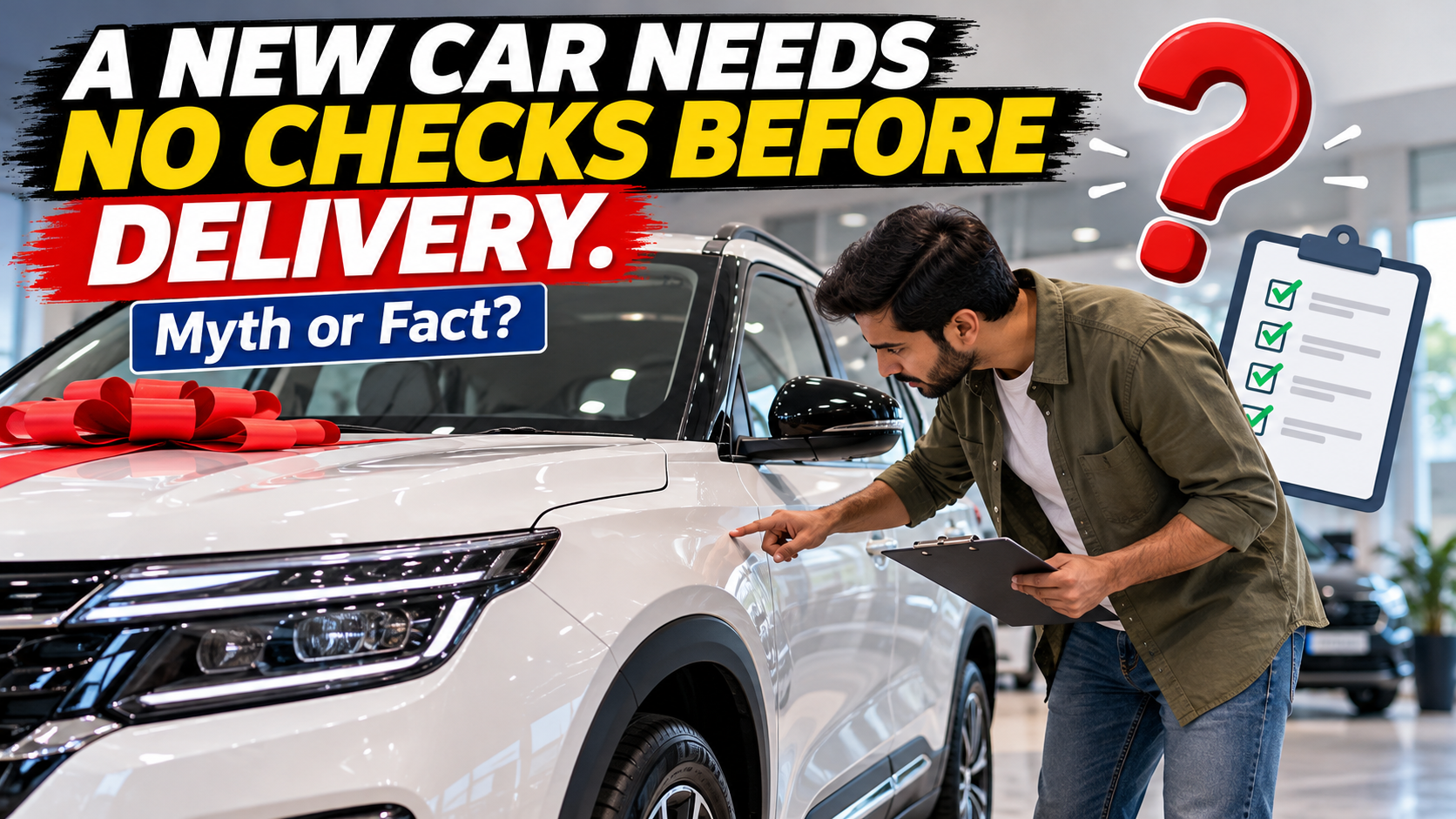
Buying a new car is an exciting experience. After comparing models, checking prices, completing paperwork and making the payment, most buyers eagerly wait for the delivery day. Many people believe that a brand-new car does not require any inspection because it has come directly from the showroom and has already passed the manufacturer's quality checks.
However, this belief is not entirely correct.
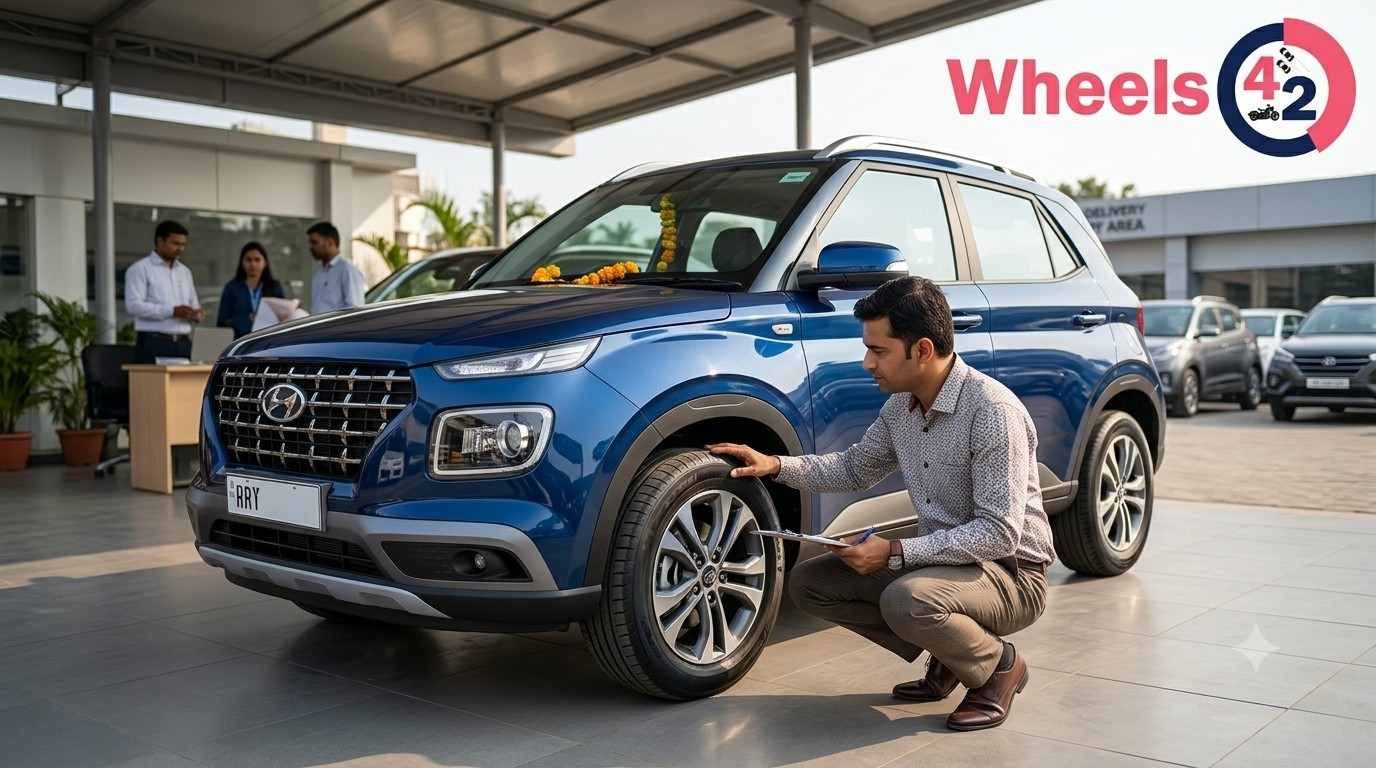
A new car should always be inspected before delivery, even if it comes from an authorised dealership. Although manufacturers conduct quality-control checks before releasing vehicles, a car can still develop minor issues during transportation, storage or handling. Inspecting the vehicle before accepting delivery helps buyers identify visible damage, missing accessories, documentation errors and other concerns while the dealership can address them.
New Car Delivery Day: What to Check Before You Drive Off
Myth. A new car does not automatically guarantee a completely damage-free vehicle or error-free paperwork.
Automobile manufacturers generally conduct inspections during production and before dispatch. Dealerships may also carry out a pre-delivery inspection, commonly called a PDI, before handing the vehicle over to the customer.
However, the condition of the vehicle can change after it leaves the factory. It may be transported on a carrier, parked in an outdoor stockyard or moved several times before reaching the showroom.
These activities can occasionally result in scratches, dents, paint marks, damaged trim or other minor issues. Incorrect documentation, missing accessories and low battery charge can also create inconvenience.
A buyer's own inspection provides an additional opportunity to verify that the vehicle matches the booking details and is in an acceptable condition before delivery.

A pre-delivery inspection is a systematic examination of a vehicle before it is handed over to the customer.
The dealership typically checks the vehicle's exterior, interior, mechanical systems, electrical equipment and essential documents. The exact inspection process may vary by manufacturer and dealership.
Customers should also conduct their own checks or request a demonstration from the dealership representative. This does not mean that buyers must dismantle components or perform complicated mechanical tests. Most important checks can be completed through a careful visual inspection and a basic demonstration.
A proper PDI can help identify concerns before the buyer takes responsibility for the vehicle.
How to Compare Car Variants: Base vs Mid vs Top Trim
The first step is to inspect the exterior carefully.
Walk around the entire car and examine the front bumper, rear bumper, bonnet, doors, roof, boot lid and side panels. Look for scratches, dents, paint chips, uneven panel gaps or signs of repainting.
It is useful to inspect the vehicle in daylight or under bright, even lighting. Certain scratches and paint imperfections can be difficult to notice in a dimly lit showroom.
Pay particular attention to the following areas:
Front and rear bumpers
Door edges and handles
Side mirrors
Alloy wheels and wheel covers
Windscreen and other glass surfaces
Headlamps and tail-lamps
Roof and boot lid
If you find any damage, photograph it and ask the dealership to document the issue in writing before delivery. Do not rely solely on a verbal promise that the problem will be fixed later.
A new car's manufacturing date is another important detail to check.
A vehicle manufactured several months before delivery is not necessarily defective. However, buyers should know when the car was produced and understand whether it has been stored for an extended period.
The manufacturing information may appear on the vehicle identification label, compliance plate or relevant documents, depending on the vehicle and manufacturer.
Ask the dealer to confirm the manufacturing month and year and ensure the vehicle identification number (VIN) matches the records.
If the car has been in storage for a long period, ask whether the dealership has followed the manufacturer's recommended storage and maintenance procedures. Battery condition, tyre condition and fluid levels may deserve particular attention.
Company-Fitted vs Aftermarket Accessories: Which Is Better?
The interior should be checked before accepting delivery because damage to seats, trim and other cabin components can be inconvenient to resolve later.
Inspect the seats, dashboard, door pads, headliner, carpets and boot area. Look for cuts, stains, scratches, loose trim or unusual marks.
Check whether all the accessories included in the booking are present. Depending on the variant and purchase agreement, these may include floor mats, a parcel tray, a tool kit, a spare wheel or a tyre repair kit.
You should also verify that the seat-adjustment mechanisms, seat belts, door locks and boot release operate correctly.
If the vehicle has a third row of seats, test the folding and sliding mechanisms where applicable.
Modern cars come with several electronic features, and buyers should check that the equipment fitted to their chosen variant is working properly.
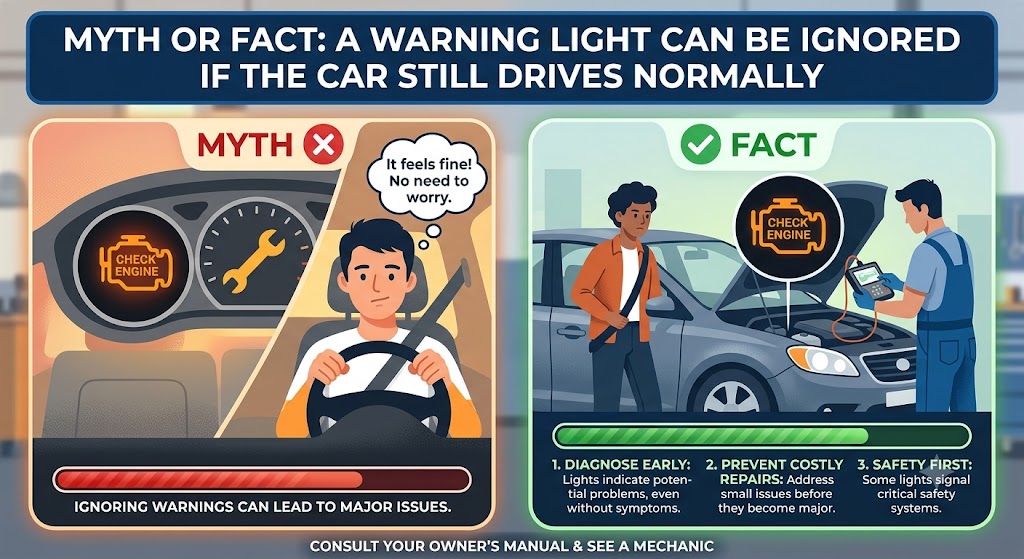
Start the vehicle with the dealership representative and check the instrument cluster for warning lights that remain illuminated after the normal startup sequence.
Test the following features where fitted:
Headlamps, tail-lamps and indicators
Hazard warning lights
Horn
Front and rear power windows
Central locking
Air conditioning and heating
Infotainment touchscreen
Speakers and Bluetooth connectivity
Rear-view camera and parking sensors
Power-adjustable mirrors
Wireless charging and USB ports
For vehicles equipped with advanced driver-assistance systems, ask the dealer to demonstrate the available functions and explain any operating limitations.
A feature that is not included in the selected variant should not be assumed to be defective simply because it is unavailable.

Tyres are important safety components and should not be overlooked during a new-car inspection.
Check the visible tyre sidewalls for cuts, bulges or other damage. Examine the tread for obvious defects and make sure all tyres appear to be in suitable condition.
Confirm that the tyre specifications are consistent with the vehicle's requirements. If the car has a tyre pressure monitoring system, ask the dealer to explain its operation.
Also verify whether the vehicle comes with a full-size spare wheel, a space-saver spare or a puncture repair kit. Equipment varies between models and variants.
If a spare wheel is provided, check its condition and confirm that the necessary jack, wheel spanner and other supplied tools are present.
Ask the dealership to verify tyre pressures against the manufacturer's recommended figures, as the pressures used for transportation or storage may differ from the normal driving recommendations.
Hatchback vs Sedan vs SUV: Which Car Type Suits You Best?
You do not need to be a mechanic to conduct a basic under-bonnet inspection.
With the vehicle parked safely and the engine switched off, ask the dealership representative to open the bonnet and show you the main components.
Look for obvious signs of fluid leakage, damaged wiring, loose components or unusual corrosion. The engine bay should appear orderly, although its appearance may vary by model.
Ask the dealer to verify the relevant fluid levels according to the manufacturer's procedure. These may include engine oil, coolant and brake fluid, depending on the vehicle.
Never open a hot cooling system or touch moving engine components. If you notice an unusual smell, visible leak or warning message, ask the dealership to investigate it before you accept the vehicle.
The vehicle identification number, or VIN, is a unique identifier assigned to the vehicle.
Compare the VIN shown on the car with the number recorded in the invoice, insurance documents and other relevant paperwork. The VIN may be displayed in more than one location, depending on the model.
Also verify the engine number if it is applicable and recorded in the vehicle's documents.
Any mismatch should be clarified and corrected through the appropriate process before delivery. Accurate identification is important for registration, insurance, warranty records and future service visits.
Documentation is just as important as the physical condition of the car.
Before accepting delivery, carefully review the invoice, insurance policy, booking details and any applicable registration or temporary registration documents.
Check the following information:
Correct model and variant
Exterior colour
VIN and other identification details
Agreed ex-showroom price and applicable charges
Discounts and offers included in the final invoice
Insurance coverage and policy details
Warranty information
Extended warranty or service package details, if purchased
Accessories and optional equipment included in the deal
Make sure you understand the terms of any additional products or packages before signing.
Registration procedures can vary depending on the state and the stage of the purchase. Ask the dealer to explain which documents have been completed and which are still pending.

A new vehicle should have sufficient fuel or battery charge for a safe handover and the initial journey.
For petrol, diesel or CNG vehicles, check the fuel level and ask the dealer about any fuel included in the delivery arrangement.
For an electric car, check the displayed state of charge and confirm that the charging cable or other supplied equipment is present, where applicable.
You should also ask the dealership to explain the basic charging procedure, recommended charging practices and roadside assistance arrangements if you are purchasing an electric vehicle for the first time.
How Many Airbags Do You Really Need? A Safety Primer
Before leaving the dealership, request a demonstration of the car's important functions.
The representative should explain how to operate the lights, wipers, infotainment system, air conditioning, parking brake, gear selector and other essential controls.
If permitted by the dealership and the vehicle's registration and insurance status, a short test drive can help identify unusual noises, steering problems, warning messages or braking concerns.
Do not take an unregistered vehicle onto public roads unless the applicable legal requirements have been met.
During the demonstration, pay attention to any unexpected vibration, warning light or abnormal sound. Report concerns immediately rather than assuming that every issue will disappear after the vehicle has been driven for a few days.
|
Inspection item |
What to verify |
|
Exterior |
No unexplained scratches, dents or paint damage |
|
Manufacturing date |
Month and year confirmed |
|
VIN and engine number |
Match the applicable documents |
|
Interior |
Seats, trim and carpets in acceptable condition |
|
Electrical equipment |
Lights, windows, horn and displays working |
|
Infotainment |
Screen, audio and connectivity tested |
|
Tyres |
No visible damage; pressure checked |
|
Toolkit |
Supplied tools and spare-wheel equipment present |
|
Engine bay |
No obvious leaks or damaged components |
|
Documents |
Invoice, insurance and applicable registration records checked |
|
Accessories |
All promised items accounted for |
|
Fuel or charge |
Adequate for handover and initial travel |
|
Demonstration |
Essential controls and features explained |
If you discover damage, a missing accessory or a mechanical concern, inform the dealership representative immediately.
Take clear photographs or videos and ask for the issue to be recorded in writing. Request a clear explanation of the proposed solution and the expected completion date.
For a significant concern, such as structural damage, a serious warning light or a suspected mechanical defect, consider postponing acceptance until the dealership has investigated the issue and provided a satisfactory resolution.

Do not assume that accepting delivery will automatically prevent you from raising a warranty claim later. Your legal rights and warranty coverage depend on the applicable terms and circumstances. Nevertheless, documenting a problem before handover can make it easier to establish when it was identified.
If the dealership cannot resolve the issue, contact the manufacturer's customer-care team and retain copies of the inspection findings and correspondence.
Pre-Delivery Inspection (PDI): A Checklist Before You Take Delivery
Several avoidable mistakes can make the delivery experience less satisfactory.
Rushing the inspection: Excitement can cause buyers to overlook small but important details. Set aside enough time to examine the vehicle.
Checking only the exterior: A scratch-free body does not guarantee that the electronics, documents and accessories are correct.
Ignoring the manufacturing date: Buyers should understand the vehicle's age and ask questions if it has been stored for a long time.
Accepting verbal assurances: If the dealer promises to fix damage or supply a missing accessory, request written confirmation.
Signing without reading: Check the invoice, insurance and other documents before signing the relevant acceptance records.
Failing to test the features: A brief demonstration can help reveal problems with the infotainment system, cameras, windows and other equipment.
A brand-new car may have passed the manufacturer's quality-control process, but that does not mean buyers should skip their own checks. Transportation, storage and handling can occasionally result in damage or other issues, while documentation errors and missing accessories can create problems after delivery.
A pre-delivery inspection helps buyers verify the vehicle's condition, confirm the paperwork and ensure that the promised equipment is present. It also gives the dealership an opportunity to address any concerns before the handover is completed.
The process does not need to be complicated. A careful walk-around, an interior inspection, basic electrical checks, verification of the VIN and a review of the documents can cover many of the most important points.








Toyota
₹7.43 - 14.93 Lakh