Khyati Sharma 2026-10-25
Sport mode is a feature found in many modern cars, from affordable hatchbacks and sedans to premium SUVs and high-performance sports cars. With a simple press of a button or turn of a dial, drivers can often make their vehicle feel sharper, more responsive and more exciting to drive.
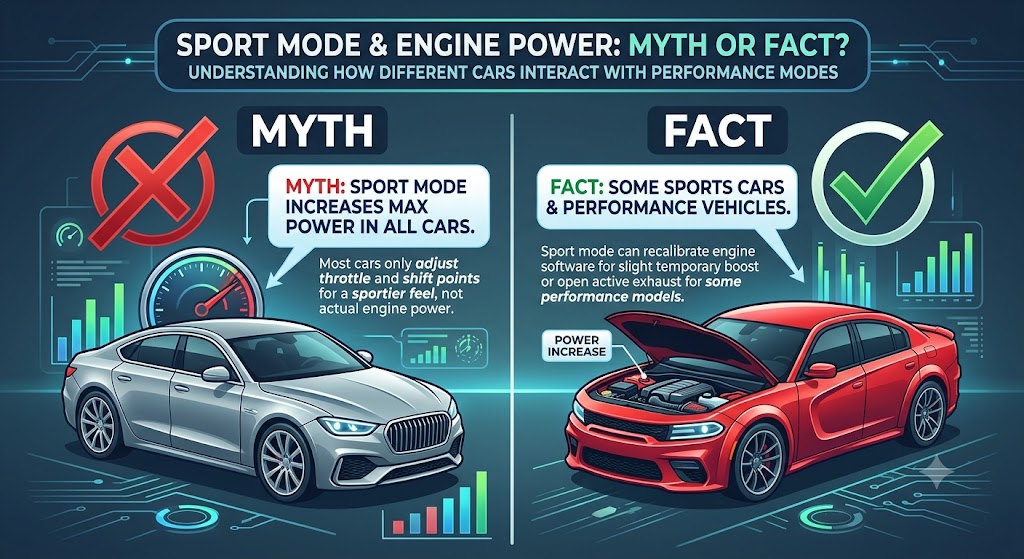
However, a common misconception surrounds this feature: Sport mode always increases the engine’s maximum power. Many drivers assume that activating Sport mode automatically adds horsepower, makes the engine stronger or unlocks extra performance.
The reality is more complicated. In most cars, Sport mode changes how the vehicle responds to the accelerator, how the transmission selects gears and, in some cases, how the steering, suspension and other systems behave. These changes can make a car feel more powerful without actually increasing its maximum engine output.
Some vehicles may adjust engine or motor control settings to deliver a different performance response, while certain performance-oriented models can provide additional power under specific conditions. The exact effect depends on the vehicle's engineering and software.
So, is the belief that Sport mode increases maximum power in every car a myth or fact? It is a myth. Sport mode does not increase maximum engine power in every car. Here is how the feature works and what drivers should understand before using it.
Pre-Delivery Inspection (PDI): A Checklist Before You Take Delivery
Sport mode is a selectable driving setting designed to make a vehicle feel more responsive and engaging. It is commonly included alongside modes such as Eco, Normal, Comfort and Individual, although the available options vary by manufacturer and model.
When Sport mode is activated, the vehicle's electronic control systems may adjust several parameters, including accelerator response, transmission behaviour, steering assistance and, where fitted, suspension settings.
For example, in Normal mode, a car may respond progressively when the driver presses the accelerator. In Sport mode, the same pedal movement may request more immediate acceleration. The transmission may also hold a lower gear for longer, keeping the engine at a higher speed so that useful power is available more quickly.
These changes can make the car feel livelier, particularly when accelerating from a corner or preparing to overtake.
However, Sport mode is not a universal performance upgrade. The changes depend on the car's design, the powertrain and the manufacturer's calibration.

In most vehicles, Sport mode does not change the engine's officially rated maximum power. Instead, it changes how readily the car responds to the driver's inputs and how the available power is delivered.
Imagine a petrol car rated at 120 horsepower. If its Sport mode changes accelerator sensitivity and transmission shift points without altering the engine's maximum output, the car still has a rated maximum of 120 horsepower.
What changes is how the vehicle accesses that performance.
Some vehicles may modify engine control parameters, boost management or electric motor assistance when a more dynamic driving mode is selected. In certain models, these adjustments may affect the power available under particular operating conditions. Manufacturers may also offer special performance functions that are separate from a conventional Sport mode.
It is therefore important to distinguish between maximum power output and perceived responsiveness. A car that reacts faster to accelerator input can feel more powerful even when its maximum power rating remains unchanged.
New Car Booking Process Explained Step by Step
One of the most noticeable differences in Sport mode is accelerator response.
In many modern cars, the accelerator pedal is electronically connected to the engine management system rather than directly controlling the throttle through a mechanical cable. This allows manufacturers to adjust how the engine responds to pedal movement.
In a comfort-oriented or Eco setting, pressing the pedal halfway may request power gradually to support smooth driving or fuel efficiency. Sport mode may use a more aggressive response map, requesting a greater change in engine output for the same pedal movement.
As a result, the car can accelerate more eagerly with less pedal travel.
However, sharper throttle response does not necessarily mean the engine produces more maximum power. It means the vehicle responds differently to the driver's command.
The distinction is particularly noticeable during everyday driving. A car may feel substantially more energetic in Sport mode even though its engine hardware and maximum rated output remain the same.
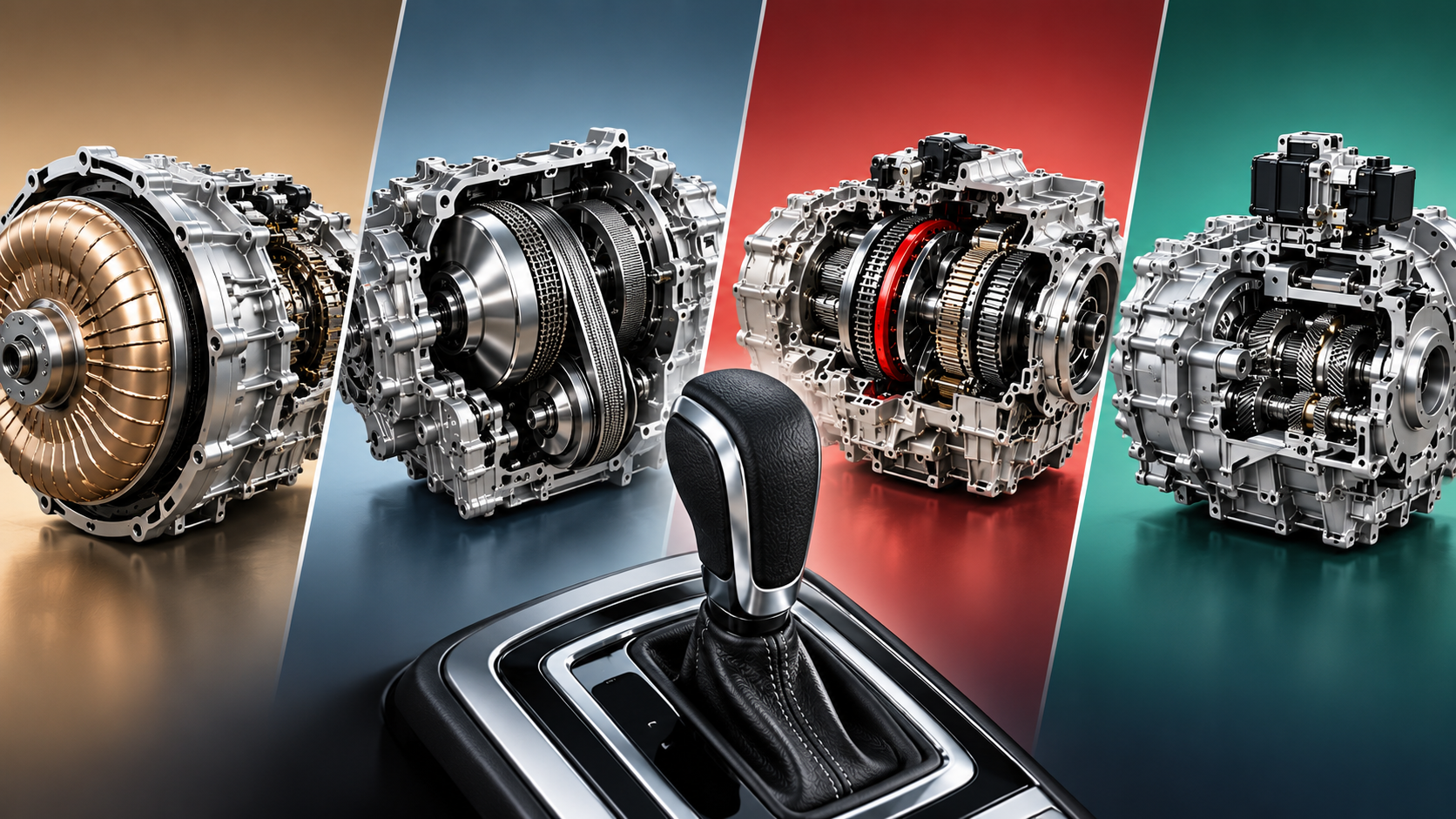
The transmission is another major reason Sport mode can make a car feel faster.
Automatic transmissions usually select gears based on factors such as vehicle speed, engine load, accelerator position and the selected driving mode. Sport mode may adjust these decisions to prioritise performance over relaxed cruising.
Common changes include:
Holding lower gears for longer.
Downshifting more quickly when the accelerator is pressed.
Delaying upshifts to keep the engine in a stronger power range.
Responding more aggressively to sudden acceleration requests.
For example, when travelling at highway speed, a conventional automatic transmission in Normal mode may select a higher gear to reduce engine speed. When Sport mode is selected, the transmission may downshift and keep the engine spinning faster.
This can make overtaking feel more immediate because the engine is operating closer to the part of its rev range where it can deliver strong acceleration.
The transmission has not necessarily increased the engine's maximum horsepower. Instead, it has made the available power more accessible.
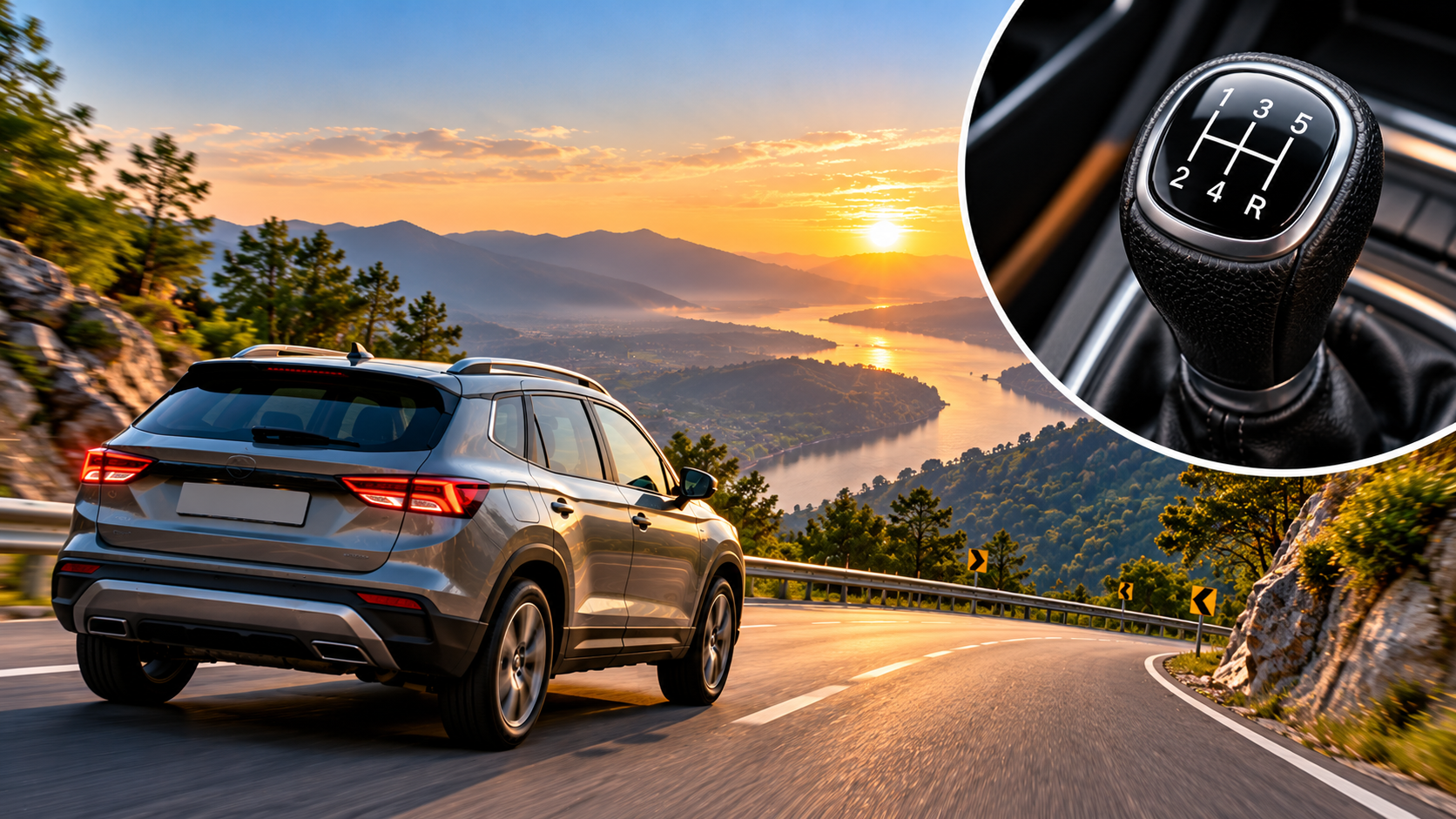
Some manual-transmission cars also offer Sport settings, but their effects may focus on throttle response, engine management or other electronic systems rather than automatic gear selection.
How Many Airbags Do You Really Need? A Safety Primer
The answer depends on the vehicle.
Turbocharged engines use exhaust energy to drive a compressor that forces more air into the engine. Engine control systems regulate factors such as boost pressure, fuel delivery, ignition timing and temperature protection to maintain performance and reliability.
On some vehicles, selecting a sportier driving mode can change how the powertrain responds, including the management of boost within the limits set by the manufacturer. Other cars use essentially the same maximum boost and power limits in both Normal and Sport modes.
Even when a driving mode changes boost management, that does not automatically mean the car has a higher maximum power rating. The change may influence how quickly power is delivered or how the engine responds under particular conditions.
Drivers should not assume that every turbocharged car gains extra horsepower when Sport mode is activated. The owner's manual and manufacturer specifications are the best sources for understanding what a specific model actually changes.

Sport mode can behave differently in hybrid and fully electric vehicles because their performance depends on both software and the characteristics of their electric motors.
In some hybrids, a sportier setting changes accelerator response, transmission behaviour and the way the combustion engine and electric motor work together. Depending on the model, it may also make electric assistance more readily available.
In electric cars, Sport mode may alter accelerator mapping and power delivery. Some vehicles offer different levels of available motor output across driving modes, while others mainly change response characteristics or steering feel.
The battery's state of charge, temperature and thermal management can also influence available performance. Even if a car has a high advertised peak output, it may not be able to sustain that output under every condition.
Consequently, Sport mode does not have the same effect in every electric or hybrid vehicle. Buyers should check the manufacturer's description of each mode rather than assuming that Sport automatically unlocks additional power.
|
Feature |
Normal Mode |
Sport Mode |
|
Accelerator response |
Usually progressive and balanced |
Often sharper and more immediate |
|
Automatic transmission |
May prioritise smoothness and efficiency |
May hold lower gears longer |
|
Downshifts |
Generally balanced for everyday driving |
Often more responsive |
|
Engine speed |
May favour lower revs during cruising |
May keep the engine at higher revs |
|
Steering feel |
Usually tuned for everyday comfort |
May offer heavier or more direct-feeling steering |
|
Suspension |
Standard comfort and handling balance |
May become firmer if adaptive suspension is fitted |
|
Fuel consumption |
Often lower under comparable conditions |
May increase due to more aggressive driving |
|
Maximum engine power |
Depends on the engine and calibration |
Often unchanged, but model-specific changes are possible |
Sport mode can improve a car's responsiveness and, in some situations, its acceleration from a particular speed. However, the effect depends on the powertrain and the adjustments made by the manufacturer.
Consider a car that is travelling at 60 km/h in a high gear. In Normal mode, pressing the accelerator may cause a short delay while the automatic transmission decides whether to downshift.
In Sport mode, the transmission may already be holding a lower gear or may downshift more quickly. The car can then accelerate sooner because the engine is operating in a more suitable rev range.
This can reduce the delay between requesting acceleration and receiving it.
However, if a vehicle uses the same maximum power output in both modes, Sport mode does not automatically give it additional horsepower. Any improvement in measured acceleration will depend on how the transmission and powertrain respond under the test conditions.
Some manufacturers publish different performance figures for particular modes or performance functions, while others publish a single acceleration figure. A controlled test or official specification is more reliable than judging performance from the mode name alone.
Hatchback vs Sedan vs SUV: Which Car Type Suits You Best?
Sport mode can increase fuel consumption, although the amount varies considerably.
When the transmission holds lower gears and the engine operates at higher revolutions, the engine may use more fuel than it would during relaxed cruising. A sharper accelerator response can also encourage drivers to accelerate more aggressively.
In turbocharged cars, repeated high-load acceleration may increase fuel demand. In hybrids, the effect depends on how the control system manages the engine, motor and battery.
However, selecting Sport mode does not guarantee poor fuel economy in every situation. Driving style, traffic, road conditions, vehicle load and speed have a major influence on consumption.
If a driver selects Sport mode but continues to drive gently, the difference may be limited. Conversely, frequent hard acceleration can substantially increase fuel use.
For everyday commuting and long-distance cruising, Normal or Eco mode may be more suitable when comfort and efficiency are the priorities.
On vehicles equipped with adjustable steering or suspension systems, Sport mode may change more than the powertrain.
Electric power steering can be calibrated to provide a heavier steering feel in Sport mode. This may give some drivers a greater sense of control, but heavier steering does not automatically mean more grip or better handling.
Cars with adaptive dampers may also use firmer suspension settings to reduce body movement during cornering. The actual improvement depends on the vehicle's suspension design, tyres, road surface and driving conditions.
Some vehicles adjust several systems together, while others limit Sport mode to accelerator and transmission settings.
It is important to remember that selecting Sport mode does not change the physical limits of the tyres, brakes or chassis. Drivers must still adjust their speed to road conditions and remain within legal limits.

Sport mode can be useful when you want more immediate throttle response or a transmission that is ready to accelerate.
It may be appropriate for:
Joining a highway when a safe acceleration response is needed.
Overtaking when visibility, road conditions and available space make the manoeuvre safe.
Driving on winding roads within legal speed limits.
Enjoying a more responsive driving experience on suitable roads.
However, Sport mode is not necessary for every journey. In heavy traffic, on slippery roads or during relaxed highway cruising, Normal or Eco mode may be more comfortable and efficient.
Sport mode should never be treated as a substitute for safe driving. It does not guarantee shorter stopping distances, greater tyre grip or better control in every situation.
How to Compare Car Variants: Base vs Mid vs Top Trim
Myth 1: Sport mode always increases horsepower.
Fact: Most vehicles mainly change response and transmission behaviour. Additional available power depends on the specific powertrain and its calibration.
Myth 2: Sport mode always makes a car faster.
Fact: It can improve responsiveness and sometimes acceleration, but the benefit depends on the vehicle, speed, gear and operating conditions.
Myth 3: Sport mode improves braking performance.
Fact: Sport mode does not automatically improve the brakes. Stopping distance depends on tyres, brakes, road surface, vehicle speed and other factors.
Myth 4: Sport mode is only useful in sports cars.
Fact: Many ordinary hatchbacks, sedans, SUVs, hybrids and electric cars offer sportier driving settings.
Myth 5: Sport mode always wastes fuel.
Fact: It can increase consumption, particularly with aggressive acceleration, but the actual effect depends on driving style and vehicle calibration.
Verdict: Myth. Sport mode does not increase maximum engine power in every car.
In many vehicles, Sport mode mainly changes accelerator sensitivity, gear selection and the way existing power is delivered. These adjustments can make a car feel quicker and more responsive without increasing its maximum rated horsepower.
Some vehicles do adjust engine output, turbocharger management or electric motor assistance in certain driving modes. The effect is manufacturer- and model-specific, so drivers should consult the owner's manual for accurate information.
For everyday drivers, the key takeaway is simple: Sport mode changes the driving experience, but it is not automatically a power upgrade. Understanding how your own car's driving modes work will help you choose the right setting for performance, comfort and fuel efficiency.