


 Khyati Sharma 2026-09-24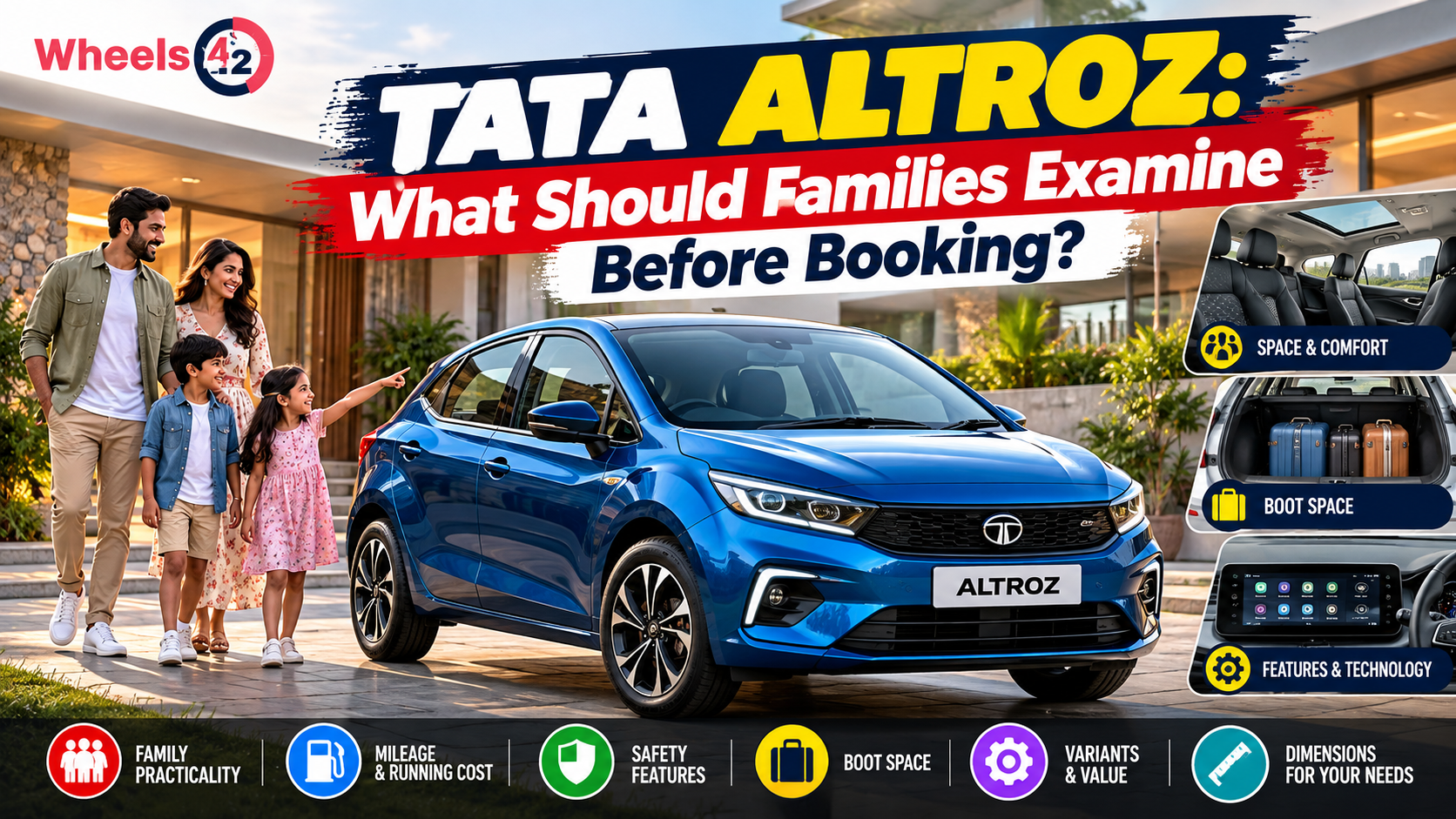
For many Indian families, buying a car is not simply about choosing the best-looking model or the one with the longest feature list. The car has to handle school runs, office commutes, shopping trips, weekend travel and, occasionally, long highway journeys with the whole family onboard.
The Tata Altroz has positioned itself as a premium hatchback that combines distinctive styling with a spacious cabin, useful boot space, multiple powertrain choices and a strong safety-focused equipment list.
The latest Altroz facelift brings a more modern cabin, updated exterior styling and additional technology. Tata offers the car with petrol, CNG and diesel powertrains, while petrol buyers can choose from manual, AMT and DCA automatic transmissions.
But before a family books an Altroz, there are several things worth examining carefully.
From rear-seat comfort to luggage space and from engine selection to everyday refinement, here's what potential buyers should consider.
For a family car, the rear seat is arguably more important than the front cabin.
The Altroz offers a reasonably spacious rear compartment, with good knee room for average-sized adults. Its doors open wide, making entry and exit relatively convenient. However, taller passengers may find rear headroom only adequate, and the rear seat has a somewhat upright seating position.
For a family of four, the cabin should generally be comfortable.
A family of five should still take a proper test drive with all three rear passengers sitting together before booking. The width is useful, but comfort will naturally depend on the size of the occupants.
Don't judge rear-seat comfort by sitting in the car for only two minutes. If possible, spend 10–15 minutes in the rear seat during the dealership test drive.
The Altroz offers 345 litres of boot space in its petrol and diesel versions, which is one of the car's useful family-friendly attributes. The CNG version uses twin cylinders positioned beneath the luggage area, allowing it to retain a usable 210-litre boot.
That distinction is important.
If your family regularly carries:
you should physically test how much can fit.
|
Altroz version |
Boot capacity |
What families should know |
|
Petrol |
345 litres |
Most useful for regular family luggage |
|
Diesel |
345 litres |
Good capacity for highway users |
|
CNG |
210 litres |
More limited but still usable |
|
Rear seats folded |
More luggage flexibility |
Useful for larger items |
The CNG's 210-litre capacity is particularly worth considering before booking. Don't assume that every Altroz variant offers the same luggage flexibility.
One of the Altroz's biggest advantages for buyers is its choice of powertrains.
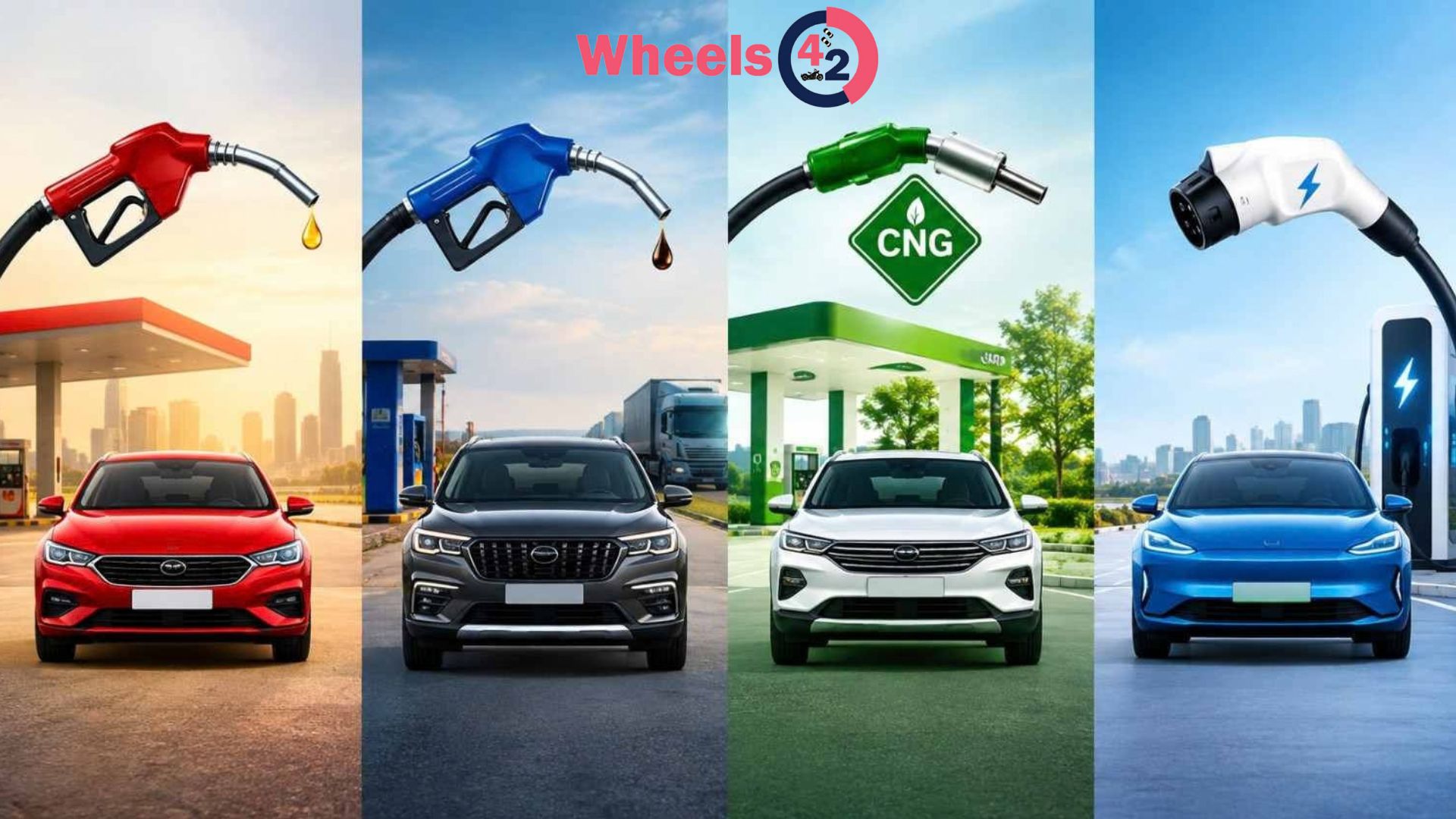
The current model is available with a 1.2-litre naturally aspirated petrol, 1.2-litre CNG and 1.5-litre diesel. Petrol buyers also have multiple gearbox choices, including manual, AMT and DCA.
|
Powertrain |
Power |
Torque |
Transmission |
Best suited for |
|
1.2L Petrol |
88 PS |
115 Nm |
5MT / AMT / DCA |
Mixed city use |
|
1.2L CNG |
73.5 PS |
103 Nm |
5MT |
High running, fuel-cost focus |
|
1.5L Diesel |
90 PS |
200 Nm |
5MT |
Frequent highway/long-distance driving |
Petrol
The naturally aspirated petrol engine is the straightforward choice for families who primarily drive in the city and want the convenience of an automatic option.
However, buyers looking for strong acceleration should test the car carefully. The current Altroz does not offer a turbo-petrol engine, and independent reviews have described the naturally aspirated petrol as adequate rather than particularly powerful.
CNG
The CNG version can make sense for families covering substantial daily distances.
Its biggest advantage is running-cost potential, while the twin-cylinder layout helps preserve more boot space than many conventional CNG installations.
However, families should consider their local CNG availability and the type of driving they do before choosing it.
Diesel
The diesel is worth considering if the car will regularly cover highways or long distances.
Its 200Nm of torque gives it a different character from the naturally aspirated petrol, although buyers should also experience its refinement and noise levels during a test drive.
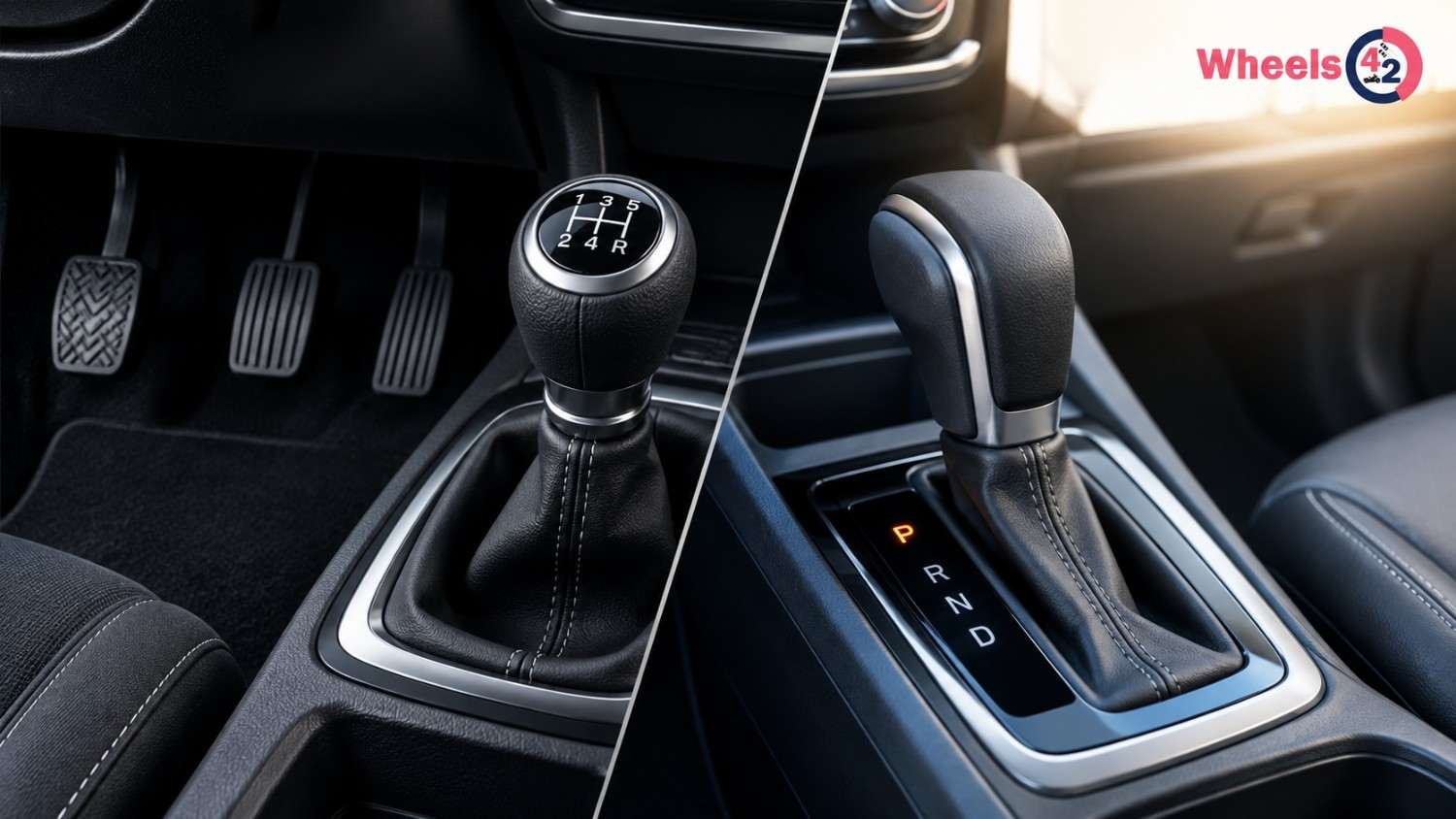
For family use, the gearbox can have a surprisingly large impact on ownership experience.
The petrol Altroz is available with manual, AMT and DCA choices.
If most of your driving happens in congested city traffic, an automatic can reduce the effort involved in daily commuting.
On the other hand, buyers who frequently travel on highways or enjoy more direct control may prefer the manual.
The best approach is simple: drive the exact gearbox variant you intend to purchase.
Don't book a particular transmission simply because another variant received positive reviews.
Safety is one of the areas where the Altroz has traditionally attracted considerable attention.
The latest model gets six airbags and electronic stability control as standard, along with three-point seat belts and ISOFIX child-seat mounts. Higher variants add equipment such as a 360-degree camera and tyre-pressure monitoring.
Tata has also stated that the updated Altroz has been strengthened to meet newer crash-test requirements. The original Altroz had received a five-star Global NCAP rating, but buyers should distinguish that historical result from any rating applicable to the latest facelift.
|
Safety feature |
Why families should care |
|
6 airbags |
Additional occupant protection |
|
ESC |
Helps maintain stability in critical situations |
|
ISOFIX |
Useful for compatible child seats |
|
3-point seat belts |
Important for every passenger |
|
360-degree camera |
Helpful in tight parking spaces |
|
TPMS |
Helps monitor tyre pressure |
|
Rear parking assistance |
Useful for everyday manoeuvring |
Before booking, check the exact variant's safety equipment rather than assuming that every feature is available across the range.
Ride quality is another area where the Altroz has generally performed well.
Its suspension is designed to deal with Indian road conditions, and reviews have highlighted its ability to absorb potholes and maintain composure on rough surfaces.
For families, this matters because a comfortable suspension can make a significant difference during long trips.
However, the latest Altroz isn't completely isolated from road and wind noise. Independent reviews have noted that noise can become noticeable at higher speeds.
So during your test drive, don't limit yourself to a smooth dealership road.
Try:
A family car needs to feel comfortable in the conditions you actually drive in.
The new Altroz receives a substantial cabin update.
Depending on the variant, buyers can get features such as a 10.25-inch touchscreen, digital instrument cluster, wireless Android Auto and Apple CarPlay, 360-degree camera, wireless charging, automatic climate control, air purifier and connected-car technology.
The higher variants also bring more premium equipment.
But families should avoid choosing a variant simply because it has the biggest screen or most impressive feature list.
Instead, ask:
Which features will actually improve our daily life?
For example, a 360-degree camera can be more useful to a family than a feature that is used only occasionally.
The Altroz has a distinctive cabin design, but visibility should be evaluated during the test drive.
Independent testing has noted that the thick A-pillars can affect visibility at some intersections.
For experienced drivers this may not be a major issue, but it is something worth checking before purchase.
Sit in the driver's seat and examine:
If multiple family members will drive the car, let each of them take a turn.
A car can feel perfect during a 15-minute showroom visit and become inconvenient after six months.
Before booking the Altroz, think about your actual usage.
How many kilometres do we drive every month?
If the answer is relatively low, petrol may be the simpler choice.
Do we have convenient CNG stations nearby?
If not, the theoretical fuel-cost advantage may not be worth the inconvenience.
Do we travel frequently with five people?
If yes, spend more time evaluating rear-seat width and luggage capacity.
Do we travel on highways frequently?
If yes, compare the diesel and petrol options and evaluate refinement for yourself.
Do we spend most of our time in heavy traffic?
An automatic petrol variant may be worth considering.
The buying decision doesn't end when you sign the paperwork.
Families should also consider:
The cheapest variant isn't necessarily the cheapest car to own.
Likewise, the most expensive variant isn't automatically the best value for every family.
|
What to examine |
Why it matters |
What to do before booking |
|
Rear-seat space |
Family members spend significant time here |
Seat three people together |
|
Boot |
Determines luggage practicality |
Load actual family luggage |
|
Engine |
Affects performance and running costs |
Match it to monthly usage |
|
Gearbox |
Important for city driving |
Test the exact transmission |
|
Safety |
Critical for family use |
Check variant-specific equipment |
|
Ride quality |
Important on Indian roads |
Drive over rough surfaces |
|
Visibility |
Helps everyday confidence |
Test intersections and parking |
|
Features |
Affect daily convenience |
Prioritise useful features |
|
CNG practicality |
Depends on refuelling access |
Check local CNG stations |
|
Ownership costs |
Determines long-term expense |
Get insurance and service estimates |
The Altroz has several characteristics that make it worth considering as a family hatchback.
The cabin provides good usable space, particularly for average-sized occupants.
Large boot
The 345-litre petrol/diesel boot is useful for family luggage, while the CNG's 210-litre boot remains practical for its fuel configuration.
Multiple powertrains
Petrol, CNG and diesel options allow buyers to choose according to their driving patterns.
Strong safety equipment
Six airbags and ESC are standard on the latest model, with additional safety and parking technology available higher up the range.
Comfortable ride
The suspension remains one of the Altroz's notable strengths, particularly on uneven roads.
The Altroz isn't without compromises.
The naturally aspirated petrol engine isn't aimed at buyers seeking sporty performance, while highway refinement could be better because road, wind and engine noise can become noticeable.
Taller rear passengers should also check headroom personally before booking.
And although the feature list is extensive, equipment varies substantially between variants. Choosing the right trim is therefore just as important as choosing the right engine.

Hyundai
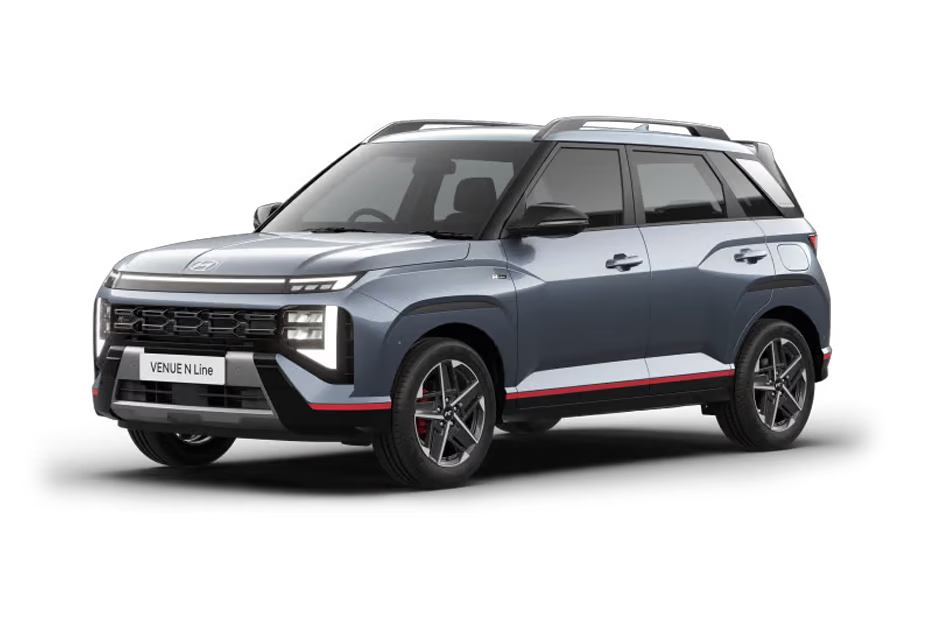
₹10.66 - 15.49 Lakh