


2026-09-30
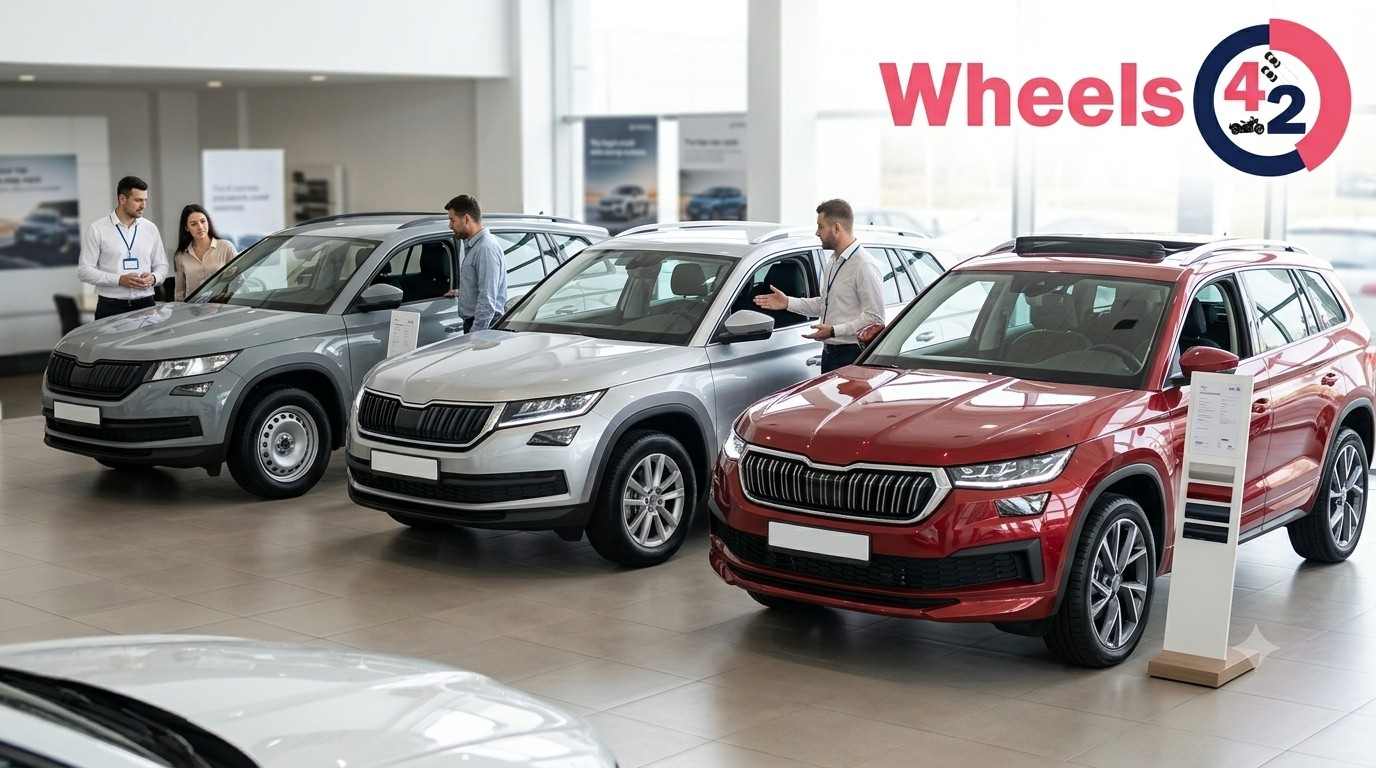
The short version: don't compare variants by looking at what each one has. Compare them by what each step up actually costs you, in rupees, for the features you get. If a jump from one trim to the next adds a feature you could get aftermarket for a fraction of the price, skip it. If it adds something you genuinely can't buy later, like a stronger safety package, it's usually worth paying for. That's the whole method. Here's how to run it on any car.
Base vs mid vs top car variant isn't really a three-way choice. It's two separate decisions, base to mid, and mid to top, and each one deserves its own honest look, not a blanket "get the top one, it's got everything." If you're wondering how to choose car variant without spending a weekend on spec sheets, this is genuinely the fastest way to compare car variants side by side and actually land on an answer.
Here's how to run what we call the jump test. For every step up, write down three things: the price difference, exactly what features that difference adds, and whether you could get those same features cheaper some other way.
Say you're looking at a car where the base variant is ₹7,50,000, mid is ₹8,40,000, and top is ₹9,60,000.
| Jump | Price difference | What it typically adds | Could you get it elsewhere? |
| Base to Mid | ₹90,000 | Reverse camera, alloy wheels, power windows all round, central locking | Some, yes, but not all together and not with warranty |
| Mid to Top | ₹1,20,000 | Sunroof, extra airbags, touchscreen infotainment, cruise control | Rarely, especially not the safety side |
The base to mid jump here is where "base variant with aftermarket accessories vs top variant" thinking actually holds up. Alloys and a reverse camera are things a good aftermarket shop can fit for a lot less than ₹90,000. But the mid to top jump is different, extra airbags and factory-fitted safety tech aren't something you can bolt on later, no matter how much you're willing to spend.
That's the real test for is top variant car worth it, and it's the honest version of car variant price difference justification, not a gut feeling. Not "does it have more stuff," but "does it have stuff I can't get any other way."
Safety features base model vs top trim is usually the biggest gap that actually matters. Base variants often ship with the legal minimum and nothing more, while mid and top trims add the safety kit that genuinely changes an outcome in a crash. We've gone deep on exactly how many airbags actually make a difference in a dedicated piece, but the short version here is simple: don't compromise on this one just to save money on a trim level.
What features do you get in mid variant cars tends to follow a pattern across most brands, the "comfort and convenience" layer shows up here first, things like power windows, central locking, and a half-decent stereo. It's rarely the safety jump, that usually waits for the top trim. If you're asking what is a mid range trim car, in one line, it's the version that makes the base feel usable without asking you to pay for everything the top spec car premium features list includes.
Base car model vs entry level features is worth knowing before you set foot in a showroom, because dealers love showing you the top model on the floor, and a bare base variant can look disappointing by comparison even when it's genuinely fine for your needs. And here's something that trips people up: the engine and gearbox on offer sometimes changes by trim too, not just the equipment. A car's manual or automatic gearbox is occasionally locked to specific trims, same with certain fuel options, so check whether the fuel type you actually want is even available on the variant you're eyeing before you fall for it.
Here's where a lot of buyers try to get clever, and sometimes it works. Base variant with aftermarket accessories vs top variant comes down to one question: is the gap made of things, or is it made of engineering.
Floor mats, seat covers, a better stereo, alloy wheels, a reverse camera, most of this you can add later, often cheaper than the dealer's markup on the factory-fitted version. Buy the base or mid variant, then shop around for these separately.
What you can't do this with: structural safety improvements, factory-tuned suspension differences, engine variations, or anything wired deep into the car's electronics like adaptive cruise control. If the top variant's advantage is mostly this second category, the aftermarket route won't save you anything, because there's nothing to bolt on.
Car variant impact on resale value cuts both ways, and it's worth knowing before you decide. Top variants hold slightly better absolute resale value in most cases, since a well-equipped used car draws more interest. But base and mid variants often sell faster, because India's used car market is price-sensitive, and a lot of buyers are shopping by budget first, features second.
If you're planning to sell within three or four years, a heavily loaded top variant doesn't always recover its extra cost at resale. If you're keeping the car long-term, the safety and comfort of a higher trim earns its keep every single day you own it, resale value or not. Worth factoring in too, a more loaded variant usually comes with slightly higher ongoing maintenance and service costs, more electronics and features mean more things that can eventually need attention.
Comparing car variants value properly means being honest about a pattern that shows up constantly. Buyers who go base variant purely to save money often regret it within a year, not because the car is bad, but because they end up paying for the missing features anyway, just piecemeal, and usually at a worse price than if they'd bought it factory-fitted.
The regret rarely shows up on day one. It shows up the first time you're reversing without a camera in a tight parking spot, or realise the base trim's safety kit is thinner than you'd like with your family in the car. Best value for money car variant isn't always the cheapest one, and it isn't always the most expensive one either, it's the one where you've actually run the jump test instead of guessing.
Car trim levels explained simply: base gets you on the road, mid usually adds the everyday comfort stuff, top adds what you can't buy later. Run the jump test on the specific car you're looking at, decide what you genuinely can't get elsewhere, and let that decide the trim, not the showroom floor model.
This decision doesn't happen in isolation either. It's worth locking in your realistic budget before you start comparing trims, not after, so you're choosing based on what fits, not what a salesperson nudges you toward. And once you've picked a variant, the rest of the new car buying process, negotiation, paperwork, delivery, follows the same order regardless of which trim you land on.
1. Should I compare the ex-showroom price or on-road price when choosing a car variant?
Compare the final on-road price because it includes costs such as RTO, insurance and other applicable charges. Two variants with a small ex-showroom gap can have a noticeably different final purchase cost.
2. Does a higher car variant cost more to insure?
Often, yes. Insurance pricing can consider the car's make, model, variant, fuel type, IDV, location and selected coverage/add-ons, so a more expensive variant can have a higher premium. Get an actual quote for each variant before calculating the total upgrade cost.
3. Can aftermarket accessories affect my car warranty?
They can, depending on the modification. Plug-and-play or decorative accessories generally pose less warranty risk, while hardwiring, cutting, drilling, welding or splicing into factory systems can affect warranty coverage for the related component. An aftermarket accessory does not automatically cancel the entire vehicle warranty.
4. Can dealer discounts change the actual price difference between two car variants?
Yes. Discounts and benefits can vary by variant, stock, dealership, manufacturing year, exchange eligibility and current offers. That's why buyers frequently compare itemised on-road quotes rather than relying only on the published variant price.
5. Should I recheck the variant price and features before booking the car?
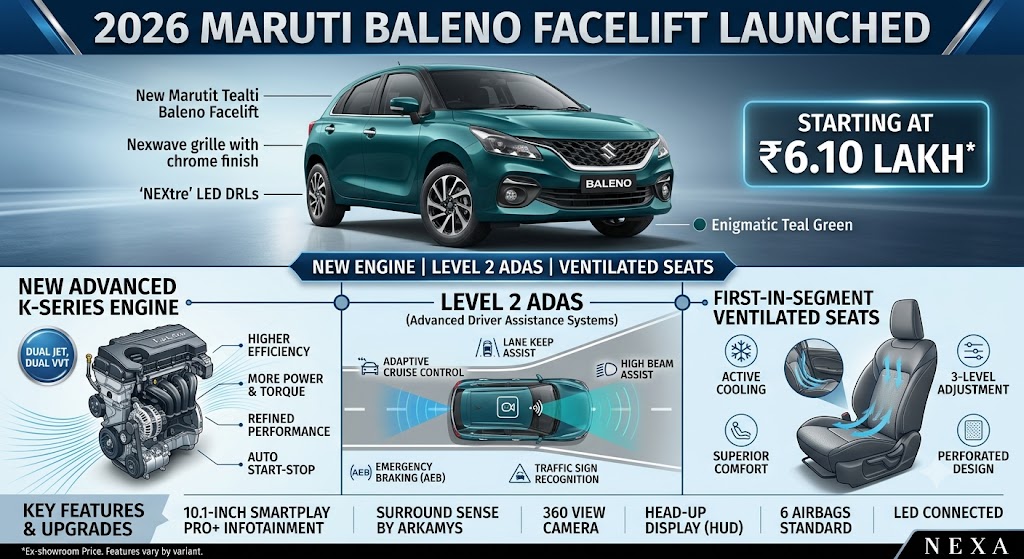
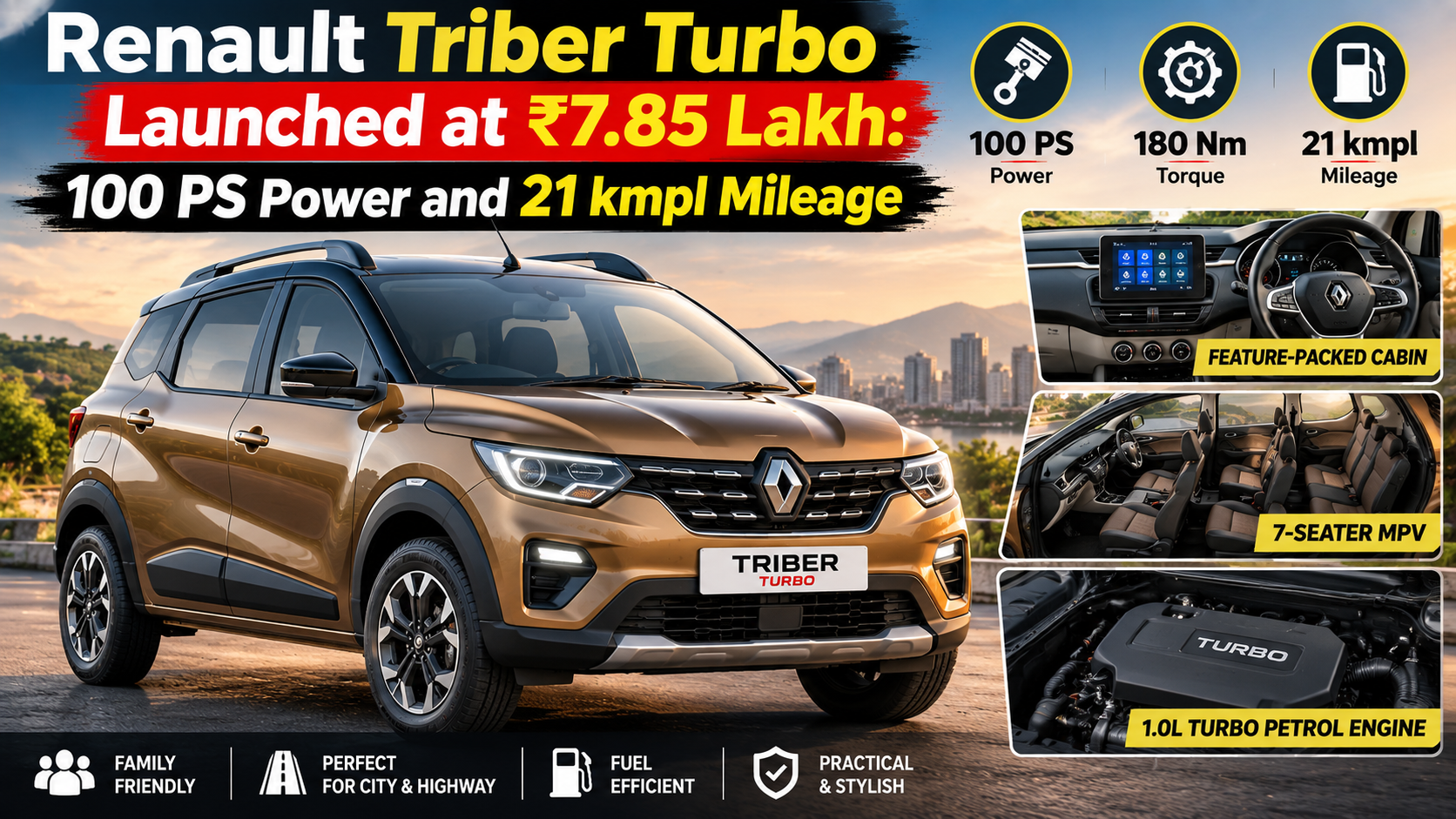
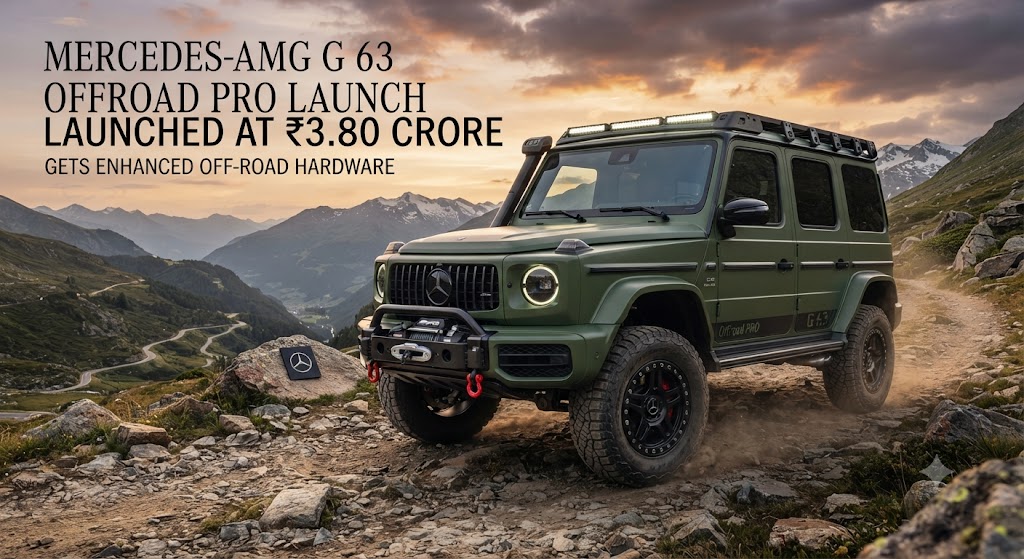
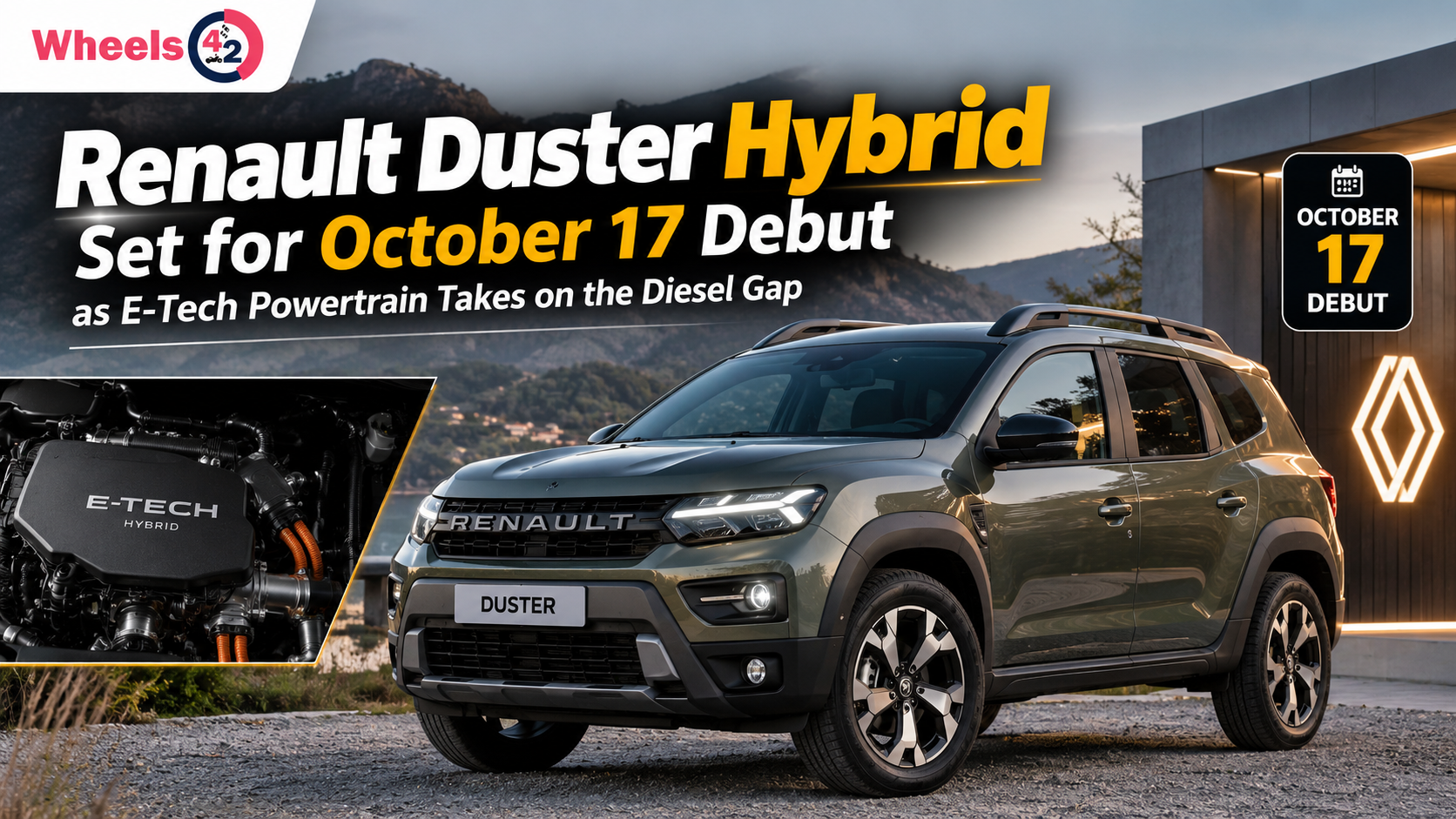
Yes. Manufacturers can revise prices, introduce updated variant line-ups or change equipment after a facelift or model-year update. Verify the latest official price list, brochure and exact variant configuration before paying the booking amount. Recent 2026 Indian launches and updates show that variant line-ups and pricing can change.


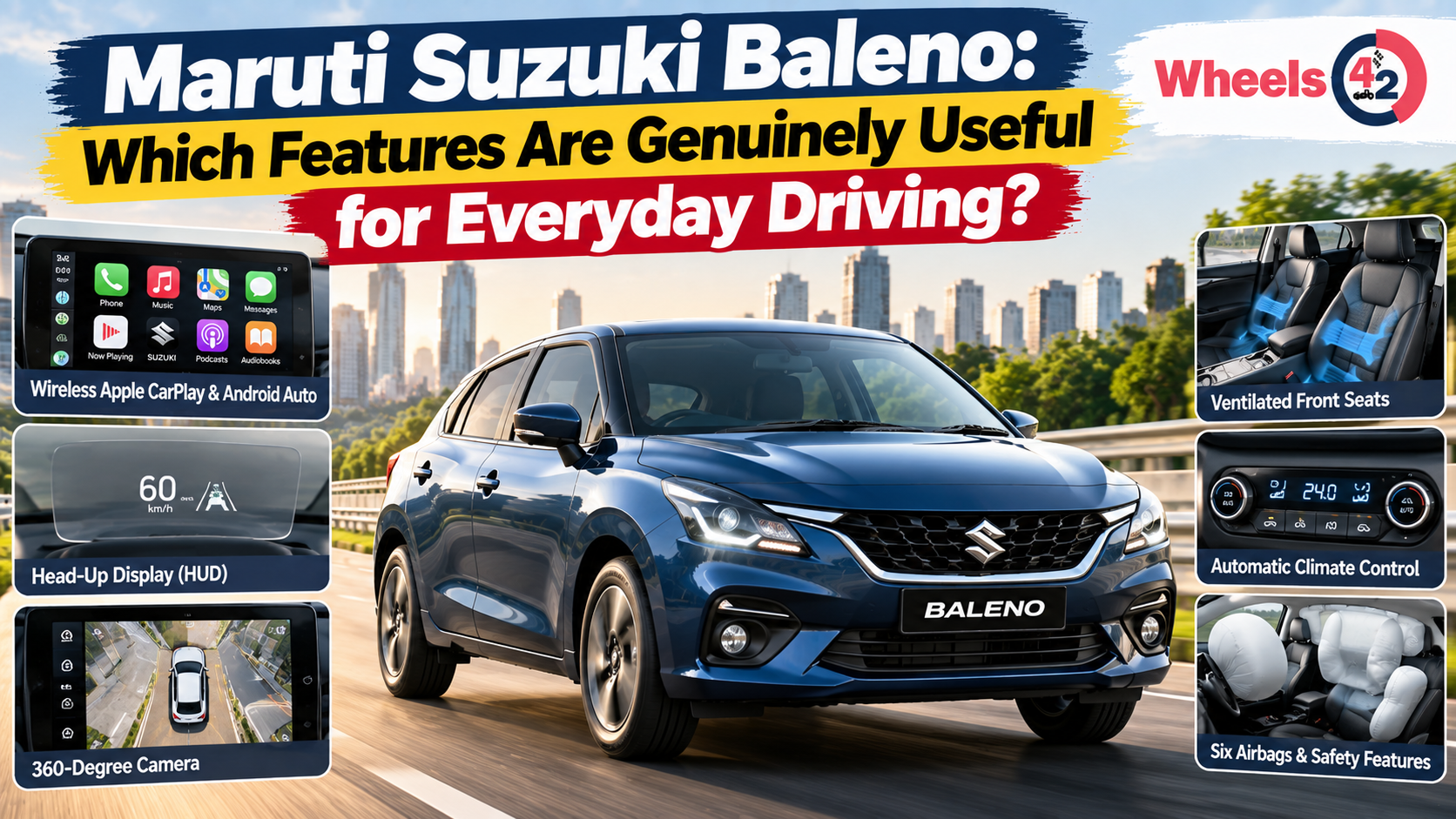
Maruti
₹6.85 - 10.38 Lakh