





2026-11-01
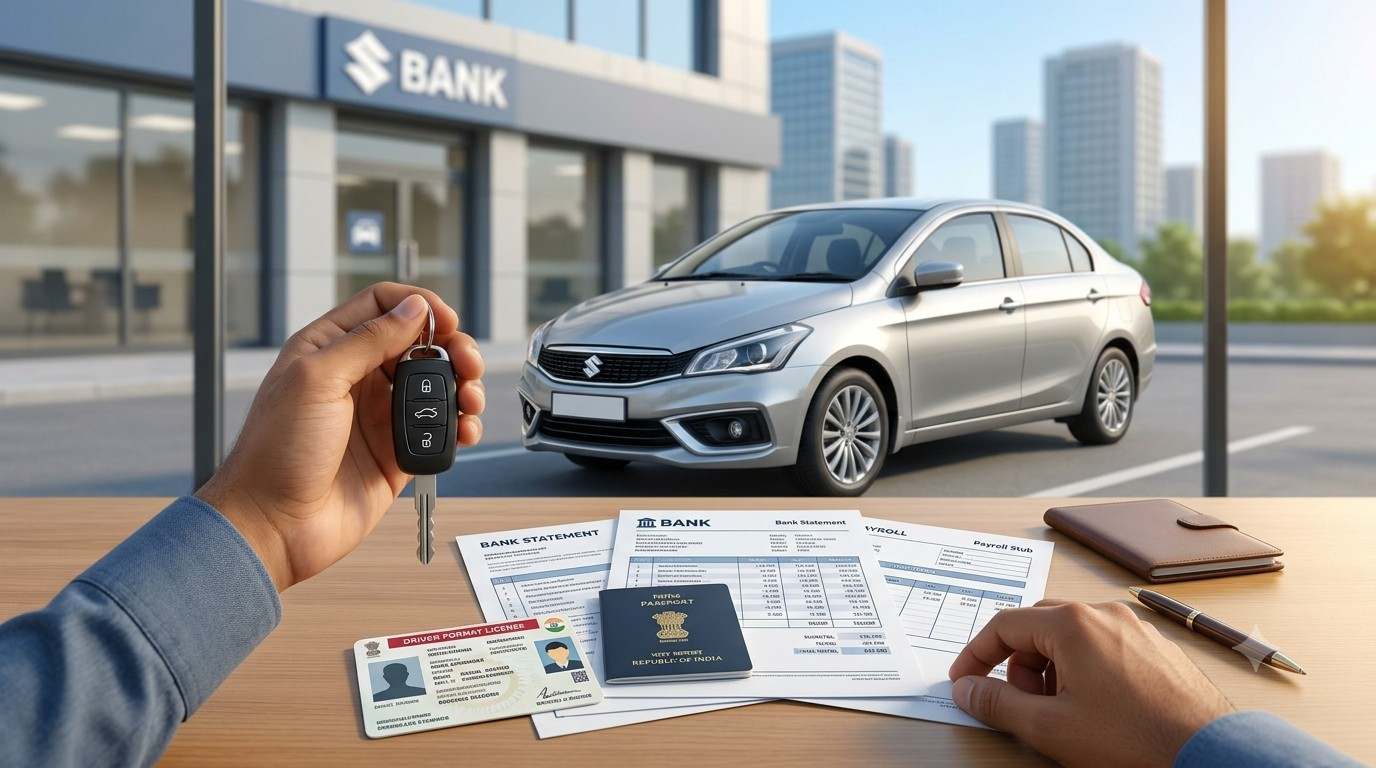
A car loan application needs five groups of papers: proof of identity, proof of address, proof of income, bank statements and a quotation for the car. Salaried applicants usually add salary slips and Form 16. Self-employed applicants add income tax returns and business proof. Here’s the catch, though. Most delays don’t come from missing papers. They come from papers that don’t match each other.
| Applicant type | Core documents |
| Salaried |
KYC, address proof, salary slips, bank statements, Form 16 or ITR, car quotation |
| Self-employed |
KYC, address proof, ITRs, financial statements, bank statements, business proof, car quotation |
| Used car buyer | Everything above, plus the car’s RC, insurance and a valuation report |
| After approval | Sanction letter, Key Facts Statement, loan agreement, repayment mandate |
Every lender asks for the same five groups. The exact list changes with your job type and the lender’s policy. Federal Bank, for example, publishes separate checklists for salaried, self-employed and non-resident applicants.
Why does the list vary? Because lenders judge repayment ability differently for each profile. So get your lender’s own checklist first, then compare it with the lists below.
The common choices:
RBI’s KYC rules define which documents count as officially valid, but each lender decides which ones it takes. Many lenders also accept Aadhaar e-KYC or copies pulled from DigiLocker, which saves a trip.
Two quick checks save days. First, look at your PAN status on the income tax portal, because a PAN that isn’t linked to Aadhaar can be marked inoperative and stall a file. Second, if your Aadhaar address is old, keep a second proof of where you live now.
Lenders use these to check that three records tell the same story: the slip, the credit in your account and your tax record. So compare the net pay on your slip with the amount that actually lands in your bank. Any gap invites a question.
Some employers, mostly smaller firms, don’t issue them. Lenders may then accept bank statements showing salary credits, an employer letter with salary details, or Form 16 or ITRs. Not every lender does, so ask before you apply. Don’t create substitute papers yourself.
A salary slip proves income on its own. Business income doesn’t, so lenders build the picture from returns, bank flows and proof that the business has run for some time. Your job is to make those three line up. Turnover in your GST returns, income in your ITR and credits in your bank statements should reconcile. If they differ for a good reason, such as non-business deposits, a short note from your CA helps.
The lender needs the dealer’s quotation or pro forma invoice. It shows the ex-showroom price, registration, insurance and other charges, and the lender sizes your loan from it. If the on-road breakdown confuses you, here is what the on-road price actually includes and which lines you can question.
Ask for the quote itemised and dated, with the exact variant and colour. An outdated or wrong quote can mean a wrong sanction amount.
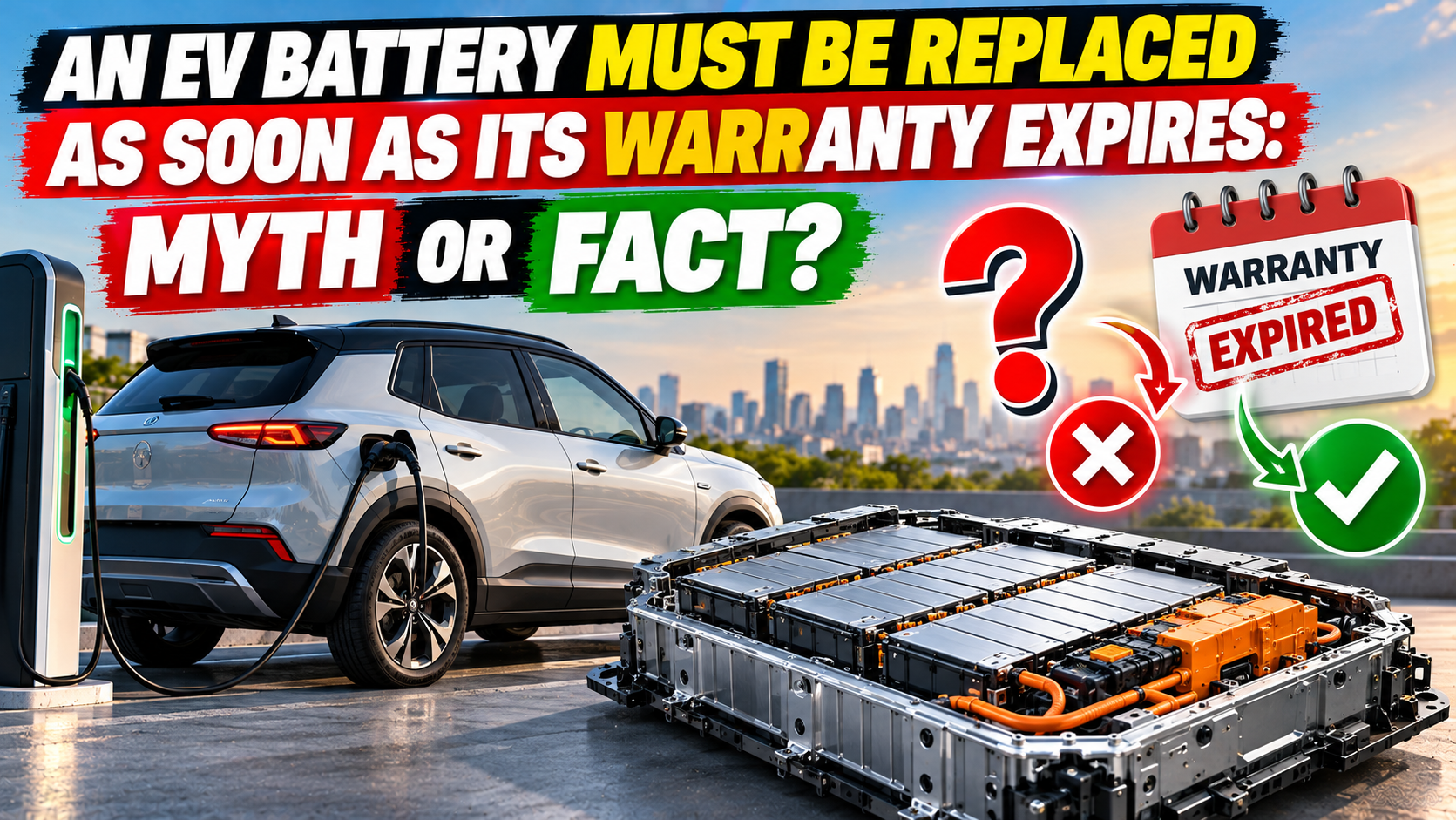
A used car has no printed price, so the lender sets its value through the valuation. For a used electric car, battery condition is part of that valuation. It helps to know whether fast charging really damages an EV battery before you argue with a valuer’s number.
The lender’s list covers the loan. The dealer and the RTO ask for their own papers. Our checklist of documents required to buy a new car in India covers the purchase side, so you can prepare both sets in one go.
These papers fix what you owe, so a mistake here costs money for years. Match the rate, tenure, fees and prepayment terms against what you were promised before you sign. Never sign blank forms, and ask for a copy of everything.
Look for these before the lender does:
Every item on that list is fixable in a day or two. But only if you find it before you submit.
Arjun is a hypothetical buyer, not a real customer. He’s 34, runs a GST-registered packaging supplies business, and wanted a ₹7 lakh loan for five years. He had every document. He just didn’t have them in the right form.
He submitted on day 1. The lender came back with questions on day 3, day 6 and day 9, and the sanction arrived on day 12. The delivery slot his dealer had promised moved back by about a week.
| What the lender asked | Why it came up | The fix | Days lost (illustrative) |
|---|---|---|---|
| Proof of current address | Aadhaar showed his old address | A registered rent agreement plus a recent utility bill | 3 |
| Bank statements in original format | He’d sent phone screenshots | Signed PDF statements for twelve months from net banking | 2 |
| Name consistency | PAN read “Arjun K Nair”, bank read “Arjun Nair” | A bank letter confirming both names were his | 2 |
| Longer business proof | GST was two years old | His older Udyam registration and shop licence | 1 |
Add it up. Eight days lost, on a file that might have cleared in about four. These timings are illustrative and every lender runs differently. But the pattern holds. None of Arjun’s problems was a missing document. Each one was a document in the wrong form.
Afterwards he built a single folder with scanned originals, twelve-month statements and a one-page note on his name variants. He keeps it updated every quarter.
The paperwork doesn’t stop at sanction. Ask for copies of:
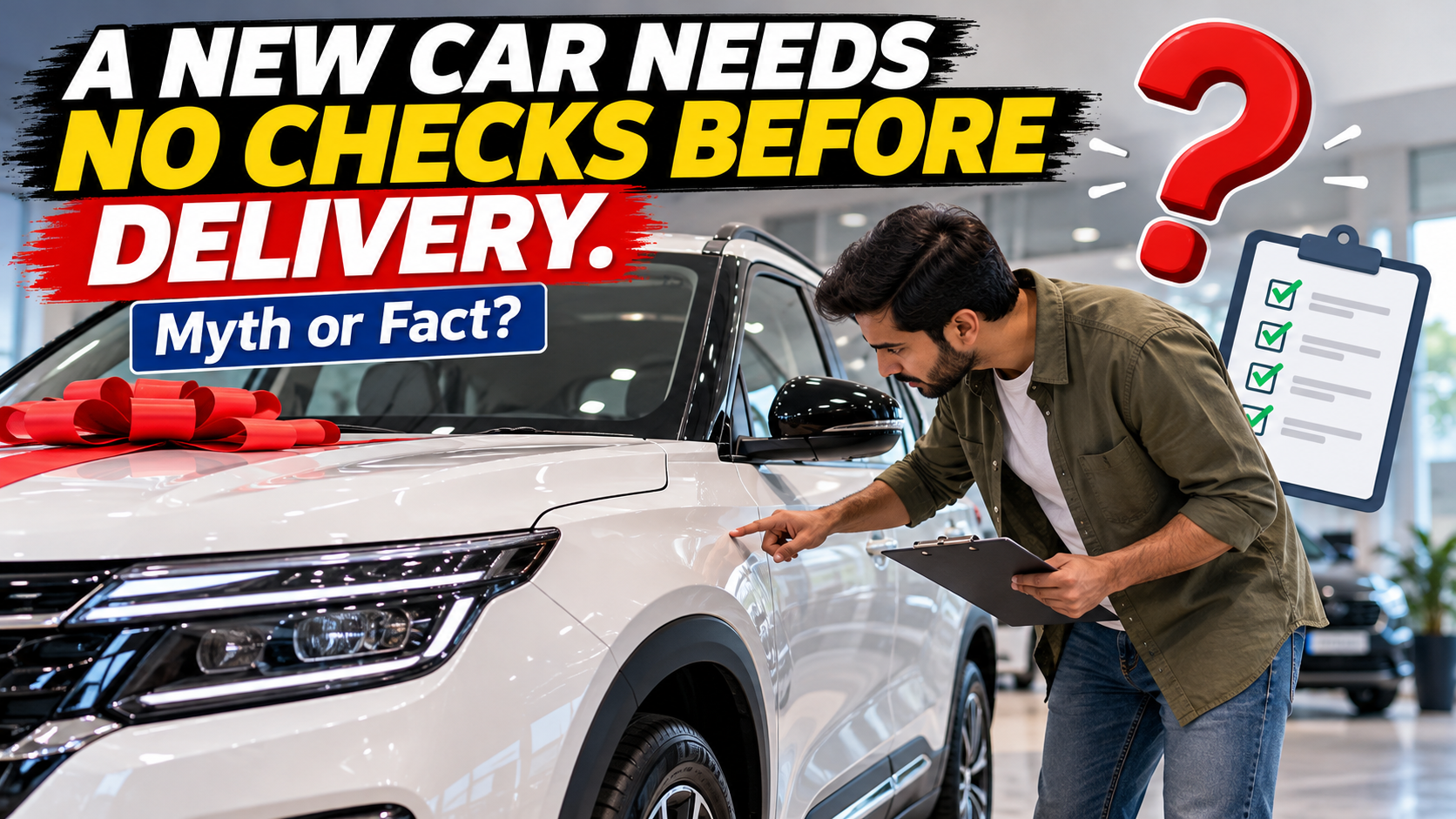
Your EMI clock starts when the lender releases the money, so a defect found later still costs you every month. A short look at why a new car still needs checks before delivery is worth the extra half hour.
Minor variations, like an initial versus a full surname, often pass when the lender can tell it’s the same person. A missing name or a swapped surname usually doesn’t. Fix it in this order:
Don’t change documents mid-application without telling the lender.
Show continuity, not just the new job. Submit the new employer’s offer and joining letters and the salary slips you have so far. Add the previous employer’s relieving letter, its last salary slips or Form 16, and bank statements that cover both jobs without a gap. Lenders set their own minimum time in the current job, so ask what they need. If you’re on probation, ask whether they want a confirmation letter.
Submit what’s real and make it consistent. Some lenders assess you on bank balances, GST turnover or a co-applicant’s salary instead of declared profit. A smaller loan or a bigger down payment can also bring the EMI within what your documents support. What doesn’t work is inflating figures. A mismatch between your ITR, GST returns and bank credits is the quickest way to a rejection, so ask your CA to reconcile them before you apply.
The convenience is real, but the lender still sets your terms. Do this:
Collect the paperwork that proves it’s over:
Then check your credit report after a month or so to confirm the account shows as closed.











Land Rover
₹93.55 - 320.74 Lakh