 Khyati Sharma 2026-09-26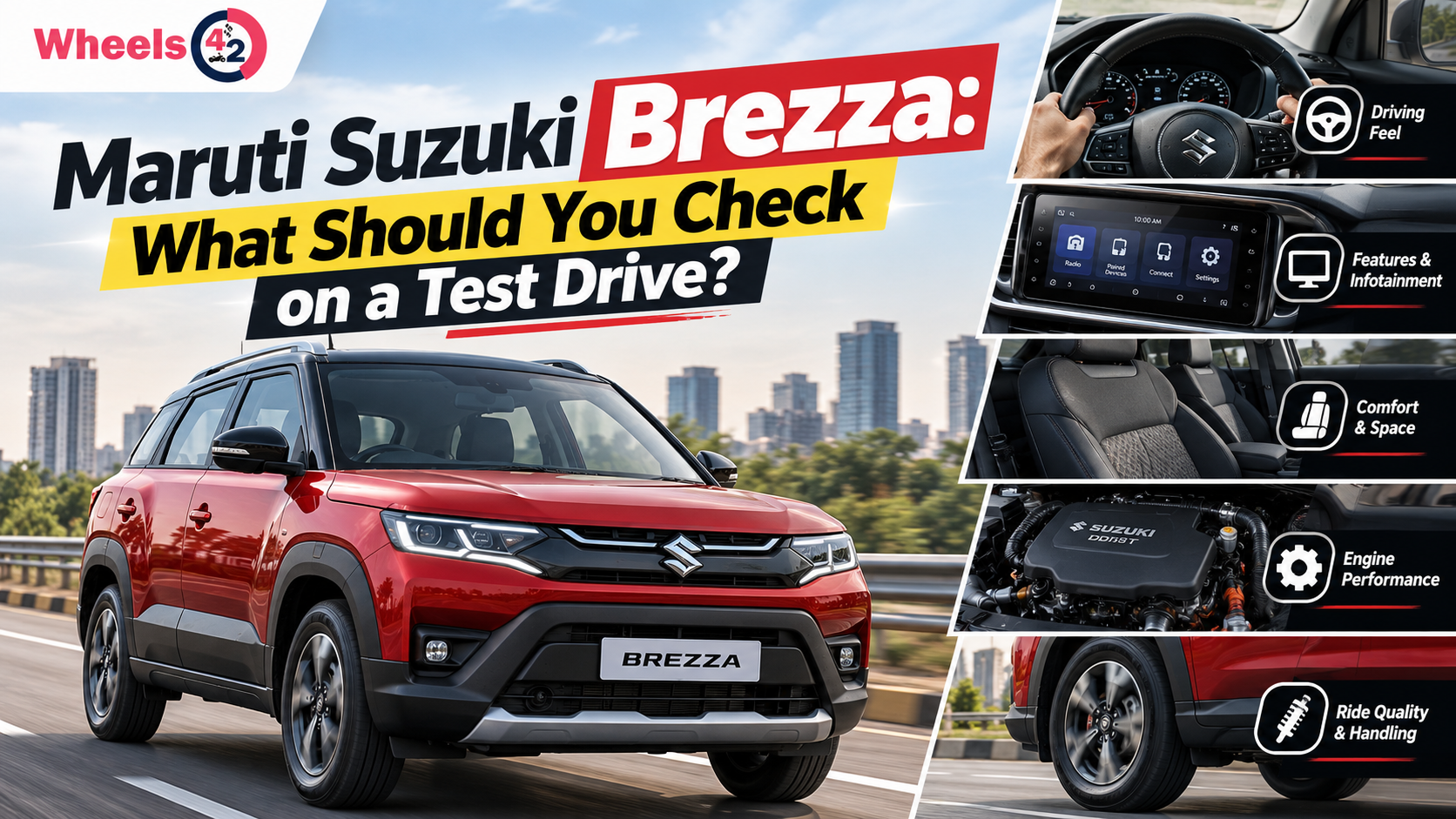
Buying a compact SUV is about more than checking the design, features and showroom price. The real test begins when you get behind the wheel.
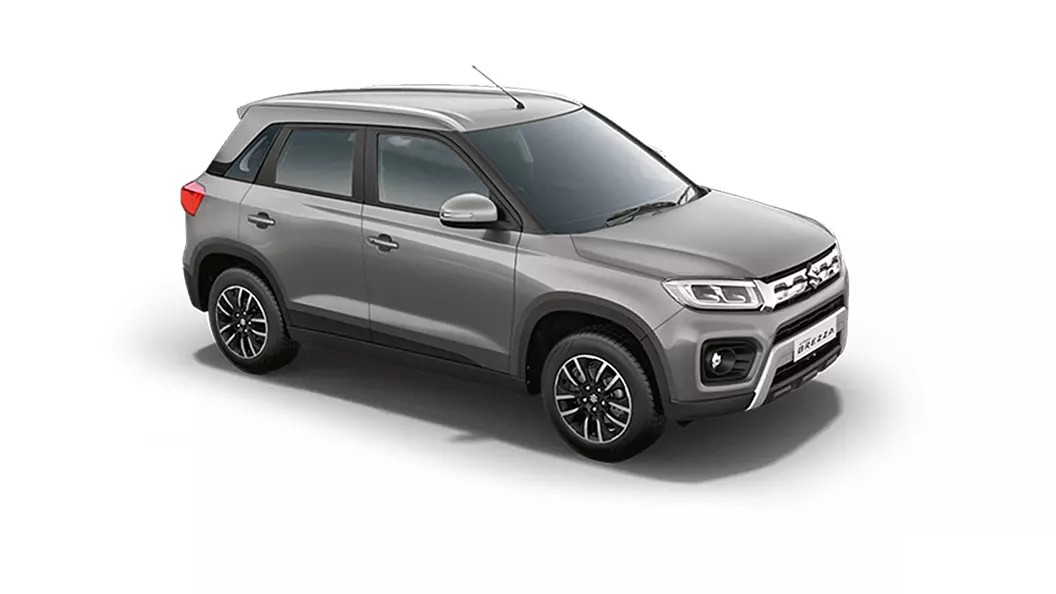
The Maruti Suzuki Brezza is positioned as a practical compact SUV for everyday driving, but buyers should use the test-drive period to understand how well it fits their daily routine. City traffic, speed breakers, parking, highway cruising, rear-seat comfort and visibility can all feel different once you are actually driving the car.
Instead of simply taking the Brezza around the dealership once, use the test drive to check the areas that will matter after you buy it.
Before moving off, spend a few minutes adjusting the driver's seat and steering wheel.
Check whether you can:
If more than one family member will drive the Brezza, ask each person to try the driver's seat.
A comfortable driving position can make a bigger difference during daily use than an impressive feature list.
A large part of compact-SUV ownership involves city driving, so don't spend the entire test drive on an open road.
Try the Brezza in slow-moving traffic and check:
|
Area |
What to Check |
|
Steering |
Lightness at low speeds |
|
Visibility |
Front and side view |
|
Brakes |
Smoothness and pedal response |
|
Clutch |
Effort and engagement in manual versions |
|
Automatic |
Smoothness at low speeds |
|
Acceleration |
Response from a standstill |
|
Turning |
Ease of making U-turns |
|
Parking |
Visibility and camera/sensor assistance |
The objective is to see whether the car feels easy to operate when traffic becomes congested.
During the test drive, don't just accelerate once and decide whether the engine feels powerful.
Try different situations.
Accelerate gently from a standstill, then try a stronger acceleration. If possible, test the car while carrying passengers as well.
Pay attention to:
The Brezza's petrol engine is designed around everyday usability, so smooth and predictable response is more important than simply chasing a high power figure.
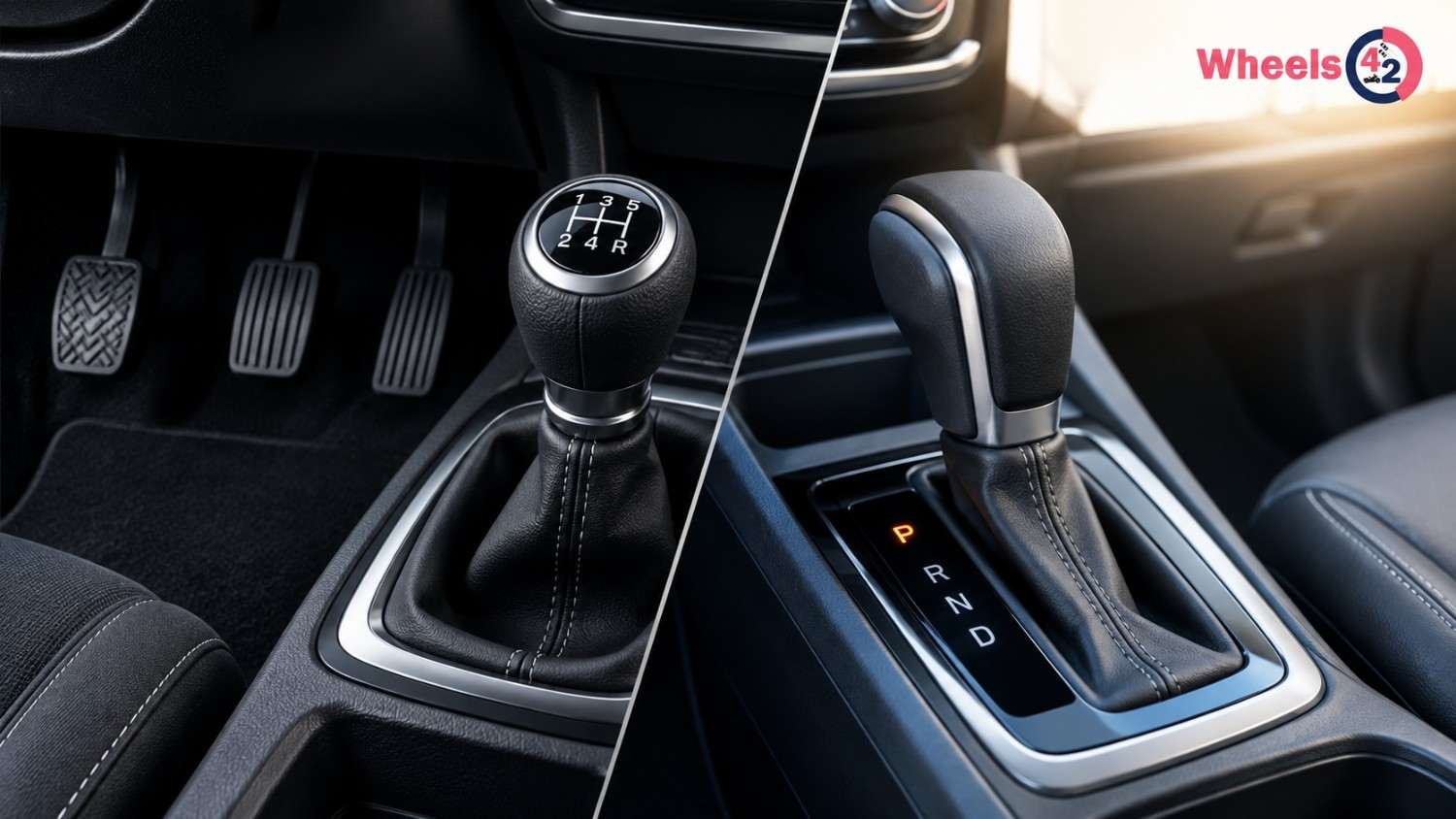
If you are considering an automatic Brezza, make sure you specifically test the automatic version.
A manual and automatic can feel quite different in:
Likewise, if you prefer a manual gearbox, spend enough time operating the clutch and gear lever.
Don't book a particular transmission solely because someone else recommends it. Your daily traffic conditions should play a major role.
This is one of the most useful parts of a Brezza test drive.
Look for a route with speed breakers, uneven patches and broken sections of road.
Check:
A compact SUV can feel excellent on smooth roads but reveal a different character on poor surfaces.
If possible, ask the salesperson to allow you to drive over the same type of roads you normally use.
If the dealership permits a longer test drive, take the Brezza onto a highway or open road.
At normal highway speeds, check whether the vehicle feels stable and predictable.
Pay attention to:
Don't drive aggressively during the test. The purpose is to understand how relaxed the vehicle feels at your normal cruising speed.
One of the most important things to understand on a highway is how the Brezza responds when you need additional acceleration.
From a safe speed and road situation, check how quickly the car responds when you press the accelerator.
For an automatic version, notice how quickly the transmission responds to a stronger throttle input.
For a manual, check whether you are comfortable selecting the appropriate gear.
This gives you a better understanding of real-world performance than simply reading the maximum power figure.
Brakes deserve more attention than they usually receive during showroom visits.
During the test drive, try gentle braking first and then progressively firmer braking when conditions are safe.
Check whether:
You don't need to perform an emergency-braking test on public roads. Normal braking behaviour can tell you a lot.
The Brezza's compact-SUV dimensions should make it suitable for urban use, but your own parking environment matters.
Try parking it in:
Check the visibility from the driver's seat and how easy it is to judge the car's corners.
Use the parking camera and sensors if equipped, but don't rely entirely on them. Your natural visibility from the driver's seat is equally important.
A family buyer should not spend the entire test drive in the driver's seat.
Ask your regular passengers to sit in the back.
Check:
If you regularly travel with three adults in the rear, test exactly that configuration before booking.
Boot capacity figures on a specification sheet don't always tell you whether the luggage area will work for your family.
Take the opportunity to check the boot with the type of luggage you normally carry.
For example:
If you frequently travel with five occupants, check how much usable luggage space remains with all seats occupied.
Don't try to learn the entire infotainment system while driving.
Before setting off, explore the controls while the vehicle is stationary.
Check:
You should be able to perform common functions without spending too much time looking away from the road.
Don't judge safety purely by the number of features listed on a brochure.
Understand which safety equipment is available on the exact variant you are considering.
Ask the dealer about:
Most importantly, verify the equipment on the specific variant and model year you intend to purchase.
Turn the music off for a few minutes during your test drive.
Listen carefully for:
A quiet cabin during a short test drive can feel very different from one that produces noticeable noise during a long highway journey.
This may be the most important test-drive tip.
If the Brezza will primarily be a family vehicle, take your family members along.
Have them sit in their usual positions and ask them about:
The person buying the car isn't always the person spending the most time in it.
|
What to Test |
Why It Matters |
|
Driving position |
Determines everyday comfort |
|
City traffic |
Shows low-speed usability |
|
Engine response |
Helps assess real-world performance |
|
Gearbox |
Important for daily driving comfort |
|
Speed breakers |
Reveals suspension behaviour |
|
Highway stability |
Useful for long-distance travel |
|
Braking |
Helps judge pedal feel and confidence |
|
Parking |
Tests visibility and manoeuvrability |
|
Rear seat |
Important for family use |
|
Boot |
Shows practical luggage capacity |
|
Infotainment |
Tests everyday convenience |
|
Safety equipment |
Confirms variant-specific features |
|
Cabin noise |
Indicates long-drive comfort |
Before you leave the showroom, ask for the exact details of the variant you are considering.
Confirm:
Also ask whether the test-drive vehicle has the same variant, transmission and tyre specification as the version you plan to purchase



Mercedes-Benz
₹97.85 - 135.55 Lakh