 Khyati Sharma 2026-11-05
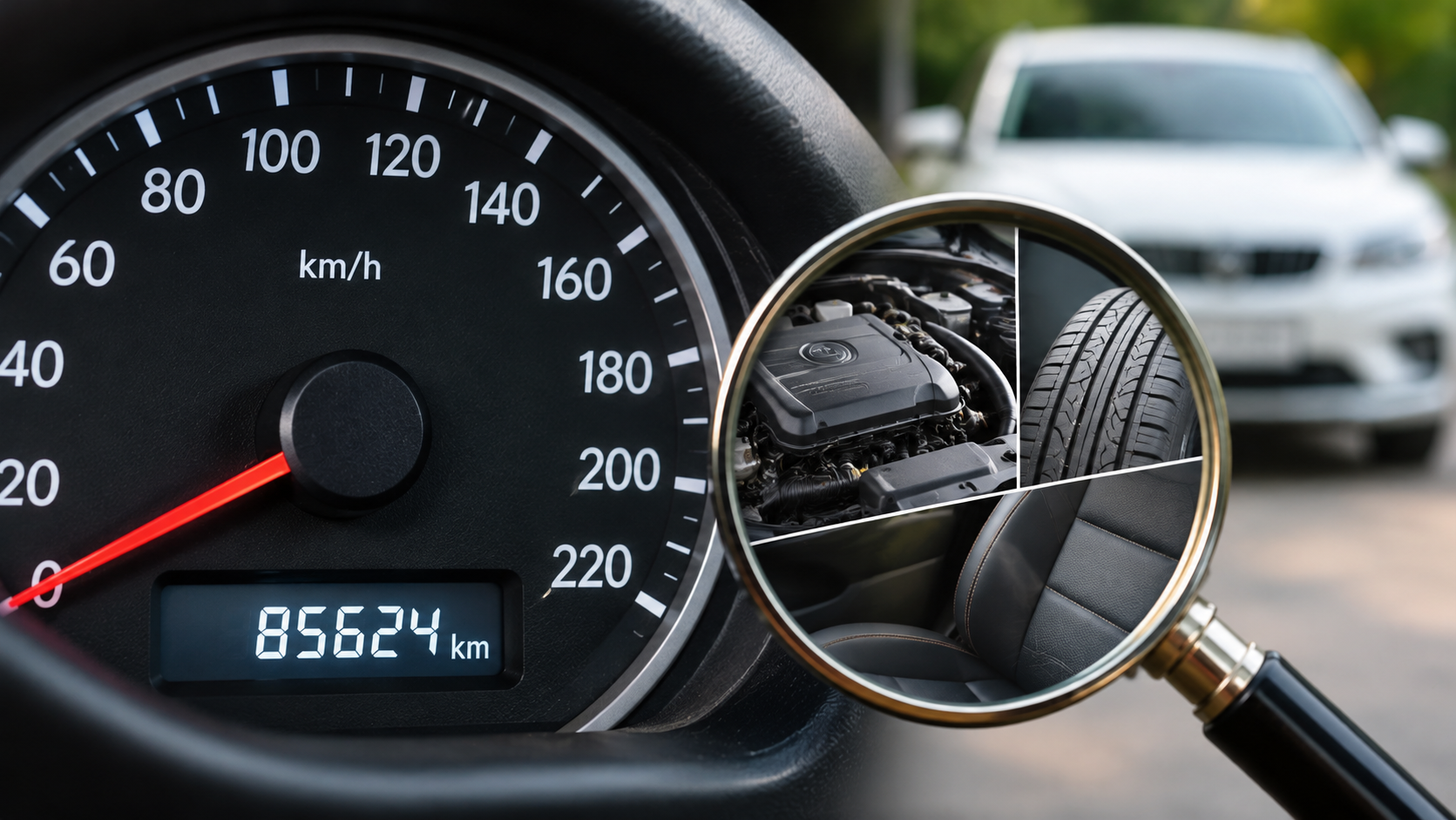
When purchasing a used car, one of the first things buyers usually examine is the odometer. The displayed kilometres often influence how people judge a vehicle's age, condition and expected remaining life. A car showing 30,000 km may immediately appear more attractive than another vehicle showing 90,000 km. Many buyers assume that the lower-mileage car must be in better mechanical condition.
An odometer records the distance a vehicle has travelled, but it does not measure how hard the vehicle has been driven, how frequently it has been maintained or what conditions it has experienced throughout its life. Two cars with identical mileage can have completely different mechanical conditions.
For example, a vehicle that has travelled 80,000 km primarily on highways may have experienced less stress on certain components than another vehicle that has covered only 35,000 km in congested city traffic. Similarly, a low-mileage car that has remained unused for long periods may develop problems that are not immediately visible.
Company-Fitted vs Aftermarket Accessories: Which Is Better?
An odometer is an instrument that records the total distance travelled by a vehicle. It helps owners, mechanics and buyers understand how much a car has been used.
Mileage is important because several vehicle components experience gradual wear as the vehicle is driven. Engine parts, transmission components, suspension systems, tyres, brakes and other mechanical elements are affected by usage.
However, the odometer cannot explain the exact condition of these components.
It does not tell you whether the previous owner regularly changed the engine oil, whether the car was driven aggressively, whether it experienced overheating or whether it was frequently driven on damaged roads.
A vehicle displaying 50,000 km may have been maintained carefully throughout its life. Another vehicle with the same reading may have missed several scheduled services and experienced repeated mechanical problems.
This is why mileage alone cannot establish the actual condition of a used vehicle.

The environment in which a vehicle operates has a significant influence on component wear.
Highway driving and city driving create different operating conditions for an automobile.
During highway driving, a vehicle generally operates at relatively consistent speeds. Once the engine reaches its normal operating temperature, it may continue running under comparatively stable conditions.
City driving is different. Vehicles frequently accelerate, brake, stop and restart. Traffic congestion can increase engine idling time, transmission activity and brake usage.
Consider two vehicles that have travelled 50,000 km.
The first vehicle regularly travels between cities on highways. The second vehicle operates mainly in a congested metropolitan area.
Although both display identical odometer readings, the second vehicle may have experienced more frequent braking, clutch operation and stop-and-go driving.
This does not automatically mean that the highway-driven vehicle is better. Highway vehicles can also experience high-speed stress, poor maintenance and heavy loads. However, it demonstrates why the driving environment must be considered alongside mileage.
A low odometer reading can create a positive impression, but a vehicle that has been driven very little may also have maintenance-related problems.
Cars are designed to be operated regularly. When a vehicle remains unused for extended periods, certain components can deteriorate even without accumulating significant mileage.
For example, rubber hoses, seals and suspension bushes can age over time. Battery performance may decline, tyres can develop flat spots, and moisture can affect certain mechanical and electrical components.
Engine oil and other fluids also have age-related service requirements. Following only distance-based service intervals without considering time can lead to inadequate maintenance.
A five-year-old car with 15,000 km may therefore require more attention than a regularly driven car with 45,000 km.
Buyers should investigate why the vehicle has covered so few kilometres. Occasional use is not necessarily a problem, but long periods of inactivity should be properly evaluated.
New Car vs Used Car: Which One Should You Buy?
A vehicle's service history can reveal details that the odometer cannot.
Regular servicing helps maintain engine performance, transmission operation, braking efficiency and overall reliability.
A well-maintained car may continue operating reliably even after accumulating considerable mileage. On the other hand, a low-mileage vehicle with neglected maintenance may already have developed mechanical issues.
Before purchasing a used vehicle, buyers should examine available service invoices, authorised workshop records and maintenance documentation.
Important maintenance details include:
Engine oil and oil filter replacement.
Air filter and fuel filter replacement.
Coolant inspection and replacement.
Transmission fluid servicing, where applicable.
Brake fluid replacement.
Brake pad and disc condition.
Timing belt replacement, where applicable.
Battery replacement history.
Suspension and steering repairs.
A consistent maintenance record gives buyers a clearer understanding of how the previous owner cared for the vehicle.
It is also important to compare recorded service mileage with the current odometer reading. Inconsistent records may require further investigation.
The physical condition of a vehicle can provide useful clues about its actual usage.
Although individual components cannot establish exact mileage, examining several areas together can help identify inconsistencies.
For example, a car displaying only 20,000 km but showing heavily worn steering wheel material, damaged seat bolsters and excessively worn pedals deserves closer inspection.
These signs do not automatically indicate odometer tampering. Different materials, driving habits and environmental conditions can produce different wear patterns.
However, unusual wear compared with the displayed mileage should encourage buyers to investigate further.
Important areas to inspect include:
Steering Wheel: The steering wheel is frequently handled and can show signs of repeated use. Excessive polishing, peeling or damaged material may indicate substantial usage.
Driver's Seat: The driver's seat receives repeated pressure during entry, exit and driving. Worn side bolsters, flattened cushioning and damaged upholstery can provide clues about usage.
Pedals: Brake, accelerator and clutch pedals experience regular contact. Excessively worn rubber surfaces may indicate considerable use.
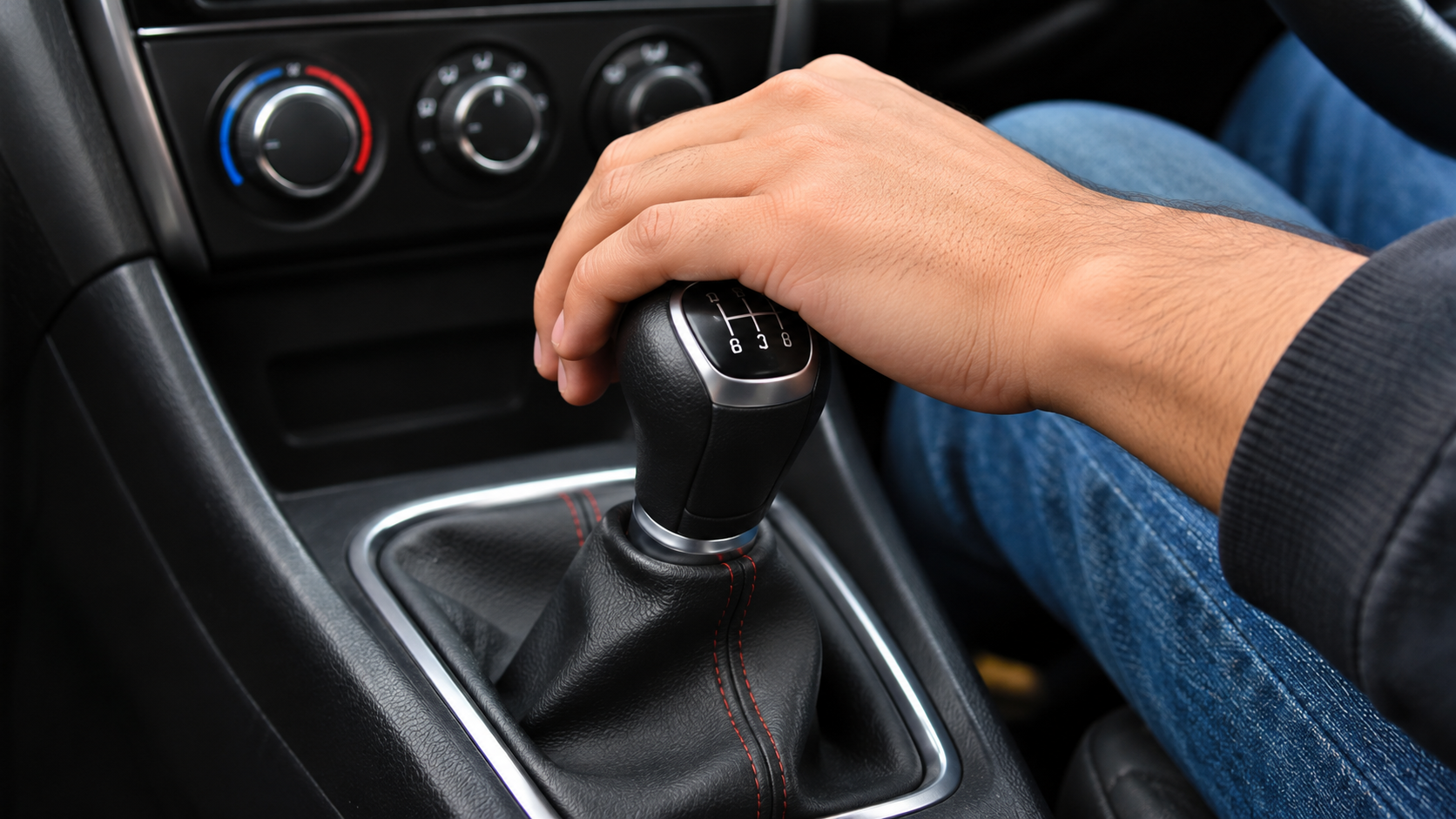
Gear Lever: Manual transmission vehicles can show wear around the gear knob and surrounding surfaces due to repeated shifting.
Door Handles and Switches: Frequently used interior controls may develop scratches, loose fittings or worn surfaces over time.
These observations should always be considered together rather than used individually to estimate mileage

The engine is one of the most expensive components to repair, making its condition particularly important when buying a used car.
Mileage provides an indication of engine usage, but it does not reveal whether the engine has been operated correctly.
An engine that has received timely oil changes, proper cooling-system maintenance and appropriate repairs may remain in good condition after substantial use.
Meanwhile, an engine with relatively low mileage may suffer from poor lubrication, overheating, contaminated fluids or prolonged periods of neglect.
During a used-car inspection, buyers should look for unusual engine noises, excessive smoke, fluid leaks and irregular idling.
A qualified mechanic can also inspect engine mounts, belts, hoses, cooling components and other areas.
For vehicles with suspicious symptoms, additional testing may include compression testing, leak-down testing or diagnostic scanning, depending on the engine and the concerns identified.
Transmission condition is another area where odometer readings can be misleading.
Manual transmission vehicles operating in heavy traffic may experience frequent clutch engagement and disengagement. This can increase clutch wear even when the vehicle has accumulated relatively few kilometres.
Automatic transmissions can also experience wear depending on operating temperatures, maintenance practices, load conditions and driving behaviour.
A car used regularly in hilly regions may experience different transmission and braking demands compared with one driven mainly on flat highways.
During a test drive, buyers should pay attention to delayed gear engagement, unusual noises, jerking, slipping and abnormal vibrations.
For manual vehicles, clutch operation should be checked for excessive slipping, unusual pedal feel and difficulty selecting gears.
The transmission should be inspected by a professional if any abnormal behaviour is noticed.
Suspension components, tyres and brakes experience wear based on road conditions, driving habits, vehicle load and maintenance.
A vehicle frequently driven over potholes, damaged roads and uneven surfaces may experience faster suspension wear.
Components such as shock absorbers, control arm bushes, ball joints and stabiliser links should be checked during an inspection.
Tyres also provide useful information. Uneven tread wear may indicate incorrect wheel alignment, suspension problems or improper tyre maintenance.
Brake condition should be assessed by examining pad thickness, disc surfaces, brake fluid condition and overall braking performance.
A vehicle with low mileage but old tyres may require replacement because rubber deteriorates with age, even when the tyres have covered relatively few kilometres.
These components demonstrate why a proper inspection must go beyond checking the odometer.
Manual vs Automatic Car: Pros and Cons Explained
Odometer tampering is a serious issue in the used-car market.
Some sellers may manipulate the displayed mileage to make a vehicle appear less used and potentially increase its resale value.
Modern digital odometers are not automatically protected against manipulation. Depending on the vehicle's design and electronic architecture, mileage information may be altered or inconsistencies may appear across different control modules.
Buyers should compare the odometer reading with available service records, inspection reports and historical documentation.
For vehicles that store mileage information in multiple electronic systems, a professional diagnostic inspection may help identify inconsistencies.
However, not every electronic system stores or reports mileage in the same way, and diagnostic tools cannot guarantee that tampering will always be detected.
If the displayed mileage does not match the vehicle's documented history, buyers should request an explanation and investigate before proceeding.
A professional inspection helps evaluate areas that are difficult for ordinary buyers to assess.
An experienced mechanic can inspect the engine, transmission, suspension, braking system, electrical components and underbody.
A road test can also reveal problems that may not be visible when the vehicle is stationary.
Depending on the vehicle, the inspection may include electronic fault-code scanning, checking for accident repairs, identifying fluid leaks and evaluating the condition of important mechanical components.
The inspection should also consider the vehicle's age, maintenance history and previous usage.
A professional assessment is particularly important when buying a premium vehicle, diesel SUV, automatic car or vehicle with complicated electronic systems.
Spending money on an independent inspection before purchasing a used vehicle can help avoid unexpected repair expenses later.
How to Compare Car Variants: Base vs Mid vs Top Trim
The best approach is to consider mileage as one part of a broader evaluation.
Buyers should compare the displayed odometer reading with the vehicle's age, service records and physical condition.
For example, a seven-year-old car displaying 25,000 km may appear attractive. However, the buyer should understand whether it was used regularly, stored for long periods or maintained according to the manufacturer's time-based service schedule.
|
Inspection factor |
What it reveals |
Why it matters |
|
Odometer reading |
Recorded distance travelled |
Provides a usage reference |
|
Service history |
Previous maintenance |
Indicates maintenance consistency |
|
Engine condition |
Mechanical health |
Helps identify potential engine problems |
|
Transmission condition |
Gearbox and clutch performance |
Identifies possible transmission repairs |
|
Interior condition |
Physical usage signs |
Helps identify unusual wear |
|
Tyres and brakes |
Road usage and component condition |
Indicates maintenance requirements |
|
Suspension |
Condition of supporting components |
Helps identify rough-road damage |
|
Diagnostic scan |
Electronic faults and available recorded data |
Helps identify hidden issues |
|
Accident history |
Previous structural or body damage |
Helps assess safety and repair quality |
Used-car buyers sometimes focus too heavily on finding the vehicle with the lowest possible mileage.
This approach can result in overlooking better-maintained vehicles with higher odometer readings.
A vehicle with 90,000 km and complete maintenance records may represent a better purchase than a vehicle with 35,000 km and an uncertain service history.
However, higher mileage still matters. It can indicate that certain components may be approaching scheduled replacement or require additional maintenance.
The correct decision depends on the complete condition of the vehicle, its expected maintenance requirements, ownership history and asking price.
Buyers should also consider the availability and cost of replacement parts, the vehicle's service network and its overall ownership expenses.
A carefully maintained vehicle with reasonable mileage and no major structural damage can be a sensible purchase even if its odometer reading is higher than competing options.

An odometer reading is useful, but it cannot independently reveal the true wear and mechanical condition of a vehicle. It only records the distance travelled and does not explain how the car was driven, maintained or stored.
Driving conditions, service history, engine health, transmission performance, suspension wear, tyre condition and physical inspection all contribute to understanding a vehicle's actual condition.
For used-car buyers, the most important lesson is to avoid judging a vehicle solely by its kilometres. A low-mileage car is not automatically a better purchase, just as a high-mileage vehicle is not necessarily unreliable.
The smartest buying decision comes from combining mileage verification, maintenance records, a detailed physical examination and an independent mechanical inspection.










Audi
₹117.00 - 135.24 Lakh