Khyati Sharma 2026-11-20
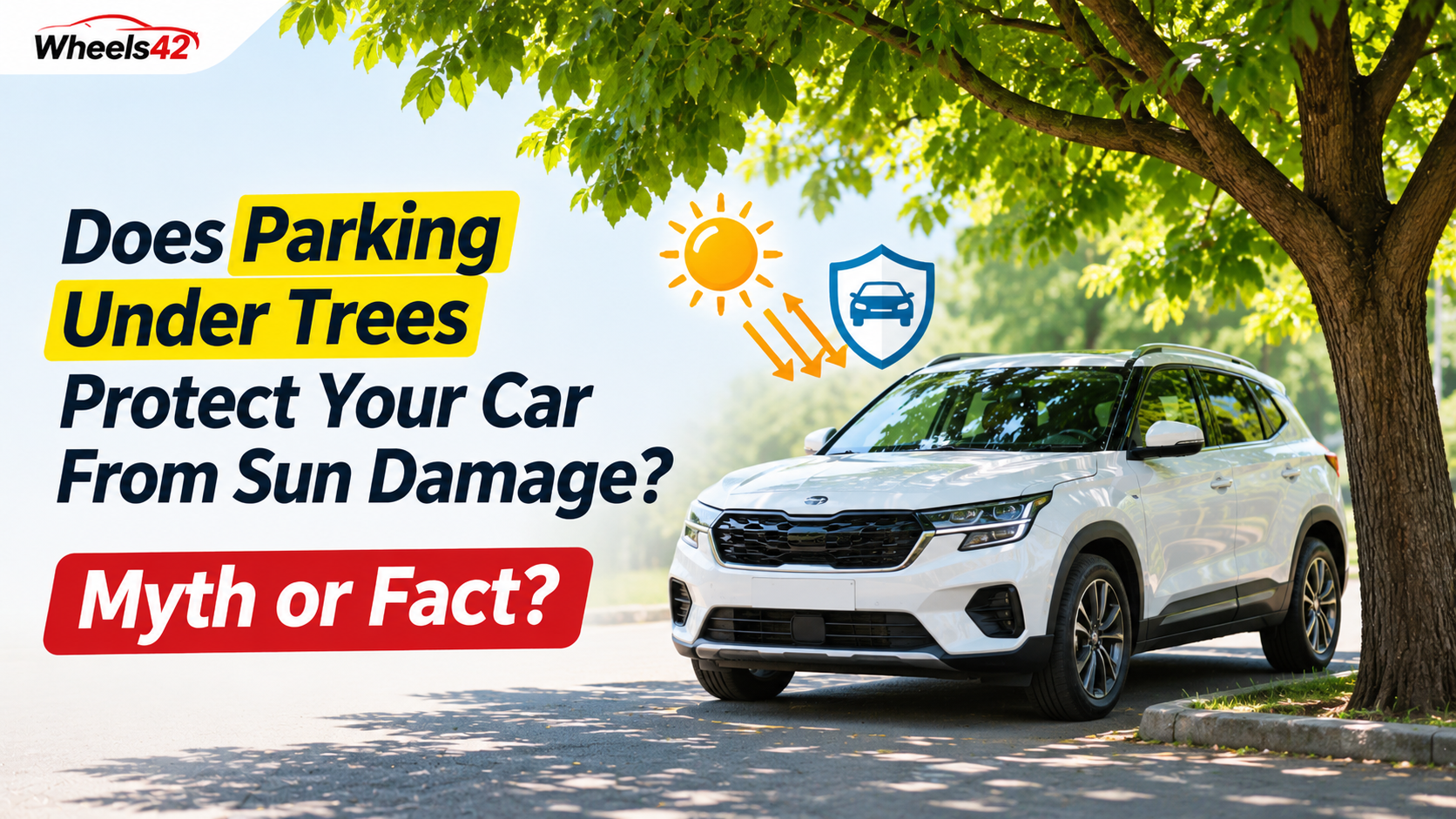
Finding a parking space during a hot summer day can be difficult, especially when most open parking areas are directly exposed to sunlight. Many car owners prefer parking underneath trees because the shade keeps the vehicle cooler and reduces direct exposure to the sun. It is a common practice in residential areas, offices, shopping centres and roadside parking spaces.
But does parking under trees actually protect your car from sun damage? Or can this habit create other problems for your vehicle's exterior?
The answer is partly true. Parking under trees can reduce direct sunlight and help limit heat buildup inside the cabin. However, tree shade also exposes the vehicle to several environmental contaminants, including sticky tree sap, bird droppings, falling leaves and branches. Some of these can damage the paintwork if they remain on the vehicle for a long time.
A Car Cover Always Protects Paint, Regardless of How It Is Used – Myth or Fact?
Verdict: Partly True.
Parking under trees can protect your car from direct sunlight to some extent. The shade reduces the amount of sunlight falling directly on the vehicle, which can help keep the exterior and cabin cooler compared with parking in an exposed area.
Prolonged exposure to sunlight and ultraviolet (UV) radiation can gradually affect automotive paint. Over time, the paint may lose its original shine, become dull or show signs of oxidation. Exterior plastic and rubber components can also deteriorate with repeated exposure to heat and sunlight.
However, parking under trees is not always the safest option. Trees can release sticky sap, attract birds and drop leaves, flowers, seeds and small branches onto parked vehicles. Bird droppings and tree sap can be particularly harmful to the paint if they are not removed promptly.
Therefore, tree shade offers some protection against direct sunlight, but it does not provide complete protection against environmental damage.
Car paint is designed to withstand different weather conditions, but continuous exposure to harsh sunlight can gradually affect its appearance.
Most modern vehicles use multiple paint layers, including a clear coat that protects the coloured paint underneath. This outer layer helps protect the finish against environmental exposure, but it is not completely immune to damage.
Here are some common effects of prolonged sunlight exposure.
Paint fading: Continuous UV exposure can gradually affect the colour and appearance of automotive paint. Dark and bright colours may become noticeably dull over time.
Clear coat deterioration: The clear coat provides an additional protective layer. Prolonged exposure to sunlight, combined with heat and environmental contamination, can contribute to its deterioration.
Loss of shine: A vehicle regularly parked in direct sunlight may gradually lose its original glossy appearance, particularly when regular washing and paint maintenance are neglected.
Cabin heat buildup: Direct sunlight can increase the temperature inside a parked vehicle. This makes the cabin uncomfortable when you return and can increase the thermal stress on interior materials.
Parking in suitable shade can help reduce these effects, although the level of protection depends on the location, duration and amount of shade.

One of the biggest disadvantages of parking under trees is the possibility of tree sap falling onto the vehicle.
Tree sap is a sticky substance released by certain trees. When it lands on a car's exterior, it can attach itself to the paint and become difficult to remove, especially if it dries and hardens.
If tree sap remains on the vehicle for an extended period, it can leave stains or marks on the clear coat. Heat and sunlight can make the residue harder to remove.
Trying to remove hardened sap by scratching it with your fingernails, blades or rough materials can create additional scratches on the paint.
How to prevent tree sap damage:
Avoid parking directly beneath trees known to release heavy amounts of sap.
Inspect the bonnet, roof and windows regularly.
Remove fresh sap using an appropriate automotive cleaning product.
Use a clean microfiber cloth instead of rough materials.
Consider applying suitable paint protection to make routine cleaning easier.
It is always better to remove tree sap early rather than allowing it to harden on the vehicle.
A Push-Start Button Means the Car Can Run Without a Healthy Key-Fob Battery: Myth or Fact?
Yes, bird droppings can damage your car's paint if they are left on the surface for too long.
Trees often attract birds because they provide shelter, resting places and nesting opportunities. As a result, vehicles parked underneath trees may frequently get covered with bird droppings.
Bird droppings contain chemical compounds that can affect automotive paint. When they dry on the surface, they may leave stubborn stains or etch marks on the clear coat.
Hot weather can make the situation worse because the vehicle's surface heats up, potentially accelerating the damage caused by contaminants.
The longer bird droppings remain on the paint, the more difficult they may become to remove safely.
What should you do?
First, soften the affected area with water or a suitable automotive cleaning spray. Allow the residue to loosen before gently lifting it with a clean microfiber cloth.
Avoid rubbing dry bird droppings directly because small particles can scratch the paint.
If the mark remains after cleaning, professional detailing or paint correction may be required.
Brighter Headlights, Better Safety? The Truth Behind the Myth
Another problem with parking under trees is the accumulation of leaves, flowers, seeds and small branches.
A few leaves falling on your car may not cause immediate damage. However, leaving organic material on the vehicle for extended periods can create cleaning and maintenance problems.
Wet leaves can stick to the paint and leave stains as they decompose. Small twigs and rough branches may also scratch the exterior when they move across the vehicle during windy conditions.
Leaves can accumulate around important areas, including:
Windshield wiper sections.
Bonnet edges.
Sunroof drainage channels.
Door gaps.
Windscreen corners.
Rear windscreen areas.
When leaves and other debris collect around drainage openings, they can interfere with water flow. Blocked drains may lead to water entering areas where it should not, potentially causing damp interiors or other problems.
Regularly inspect these areas, particularly if your vehicle is parked beneath trees every day.

Not all tree-related risks involve paint damage. Some can cause serious physical damage to the vehicle.
During heavy rainfall, strong winds or storms, weak branches can fall onto parked cars. Depending on their size and weight, falling branches may damage the roof, windscreen, bonnet or windows.
Certain trees also produce fruits, seeds and heavy pods that can fall onto vehicles. Larger falling objects may cause dents, scratches or even broken glass.
Palm leaves and other large tree parts can also create unexpected damage during strong winds.
Before choosing a parking space underneath a tree, check its condition. Avoid parking beneath dead branches, visibly damaged trees or trees with loose hanging limbs.
During severe weather warnings, it is safer to choose a covered parking space away from trees.
Every Diesel Car Is Ideal for Short City Journeys: Myth or Fact?
Both parking options have advantages and disadvantages.
Parking in direct sunlight exposes the vehicle to more direct solar radiation, potentially increasing exterior temperatures and cabin heat.
On the other hand, parking under a tree can reduce direct exposure but may increase the risk of sap, bird droppings and falling debris.
Here is a simple comparison:
|
Factor |
Direct Sunlight |
Under a Tree |
|
Direct UV exposure |
Higher |
Usually lower |
|
Cabin heat |
Can be higher |
Often lower |
|
Tree sap risk |
Very low |
Possible |
|
Bird droppings |
Possible |
Often higher |
|
Falling branches |
Very low |
Possible |
|
Leaf accumulation |
Very low |
Common |
|
Paint contamination |
Weather-related |
Tree-related |
The best option is generally a covered parking space, such as a garage or properly maintained carport. It can provide shade without exposing the vehicle to many of the risks associated with tree branches and falling debris.
How Many Airbags Do You Really Need? A Safety Primer
If you want to protect your vehicle from sunlight and environmental damage, choosing the right parking location is important.
Here are some better alternatives to parking directly underneath trees.
Covered parking: A garage or covered parking area is one of the best choices. It reduces direct sunlight exposure and protects the vehicle from falling leaves, bird droppings and tree sap.
Car parking canopy: A properly installed parking canopy can provide shade while keeping the vehicle away from falling branches and other tree-related contaminants.
Underground parking: Underground parking areas generally offer protection from direct sunlight and changing weather conditions.
Dedicated parking shelters: If you do not have access to a garage, a suitable covered parking structure can help protect the vehicle.
Quality car cover: A properly fitted, breathable car cover designed for outdoor use can help protect the exterior from dust, bird droppings and other environmental contaminants. Make sure the vehicle and cover are clean before putting it on to avoid rubbing dirt against the paint.

In many residential areas and office parking spaces, finding covered parking is not always possible. If you regularly park underneath trees, follow these simple precautions.
1. Choose the right tree: Avoid trees that release excessive sticky sap, large fruits or heavy branches. Look for healthy trees with no visibly damaged limbs.
2. Check your car regularly: Inspect the roof, bonnet, windscreen and windows for bird droppings, sap and accumulated leaves.
3. Wash your car regularly: Regular washing helps remove dust, pollen and other contaminants before they build up on the surface.
4. Remove bird droppings quickly: Do not leave bird droppings on the paint for several days. Soften the affected area and remove the residue carefully.
5. Consider paint protection: Automotive wax, sealants and ceramic coatings can make cleaning easier and provide an additional protective layer. However, none of these products makes the paint completely damage-proof.
6. Inspect drainage areas: Check the windscreen cowl, sunroof drains and other areas where leaves can collect. Keep them clear to help prevent water drainage problems.
7. Avoid parking under damaged branches: Always check for loose or dead branches, especially during the monsoon season and periods of strong winds.
Is Driving in the Highest Gear Always the Most Fuel-Efficient Choice? The Truth Explained
Ceramic coating can provide an additional protective layer over automotive paint. It may improve water behaviour, make cleaning easier and offer some resistance to environmental contamination.
However, ceramic coating is not a permanent shield against tree sap, bird droppings or falling branches.
If bird droppings or tree sap remain on a coated vehicle for too long, they may still leave stains or marks. Similarly, ceramic coating cannot prevent dents and scratches caused by falling branches or heavy fruits.
Car owners should understand that paint protection products reduce certain risks but do not eliminate the need for regular cleaning and maintenance.
If you frequently park beneath trees, inspect the vehicle and remove contaminants promptly, even if it has ceramic coating or paint protection film.
Parking under trees is partly beneficial because it reduces direct sunlight and can keep your car cooler during hot weather. However, it is not necessarily the best long-term parking solution.
Tree sap, bird droppings, falling leaves, branches and fruits can create additional maintenance problems. In some cases, these contaminants can damage the paint or cause physical damage to the vehicle.
If you have access to a garage, covered parking space or carport, choose that option instead. If tree shade is your only available choice, select a healthy tree, inspect the surroundings and clean your vehicle regularly.











Land Rover
₹93.55 - 320.74 Lakh