Khyati Sharma 2026-10-19
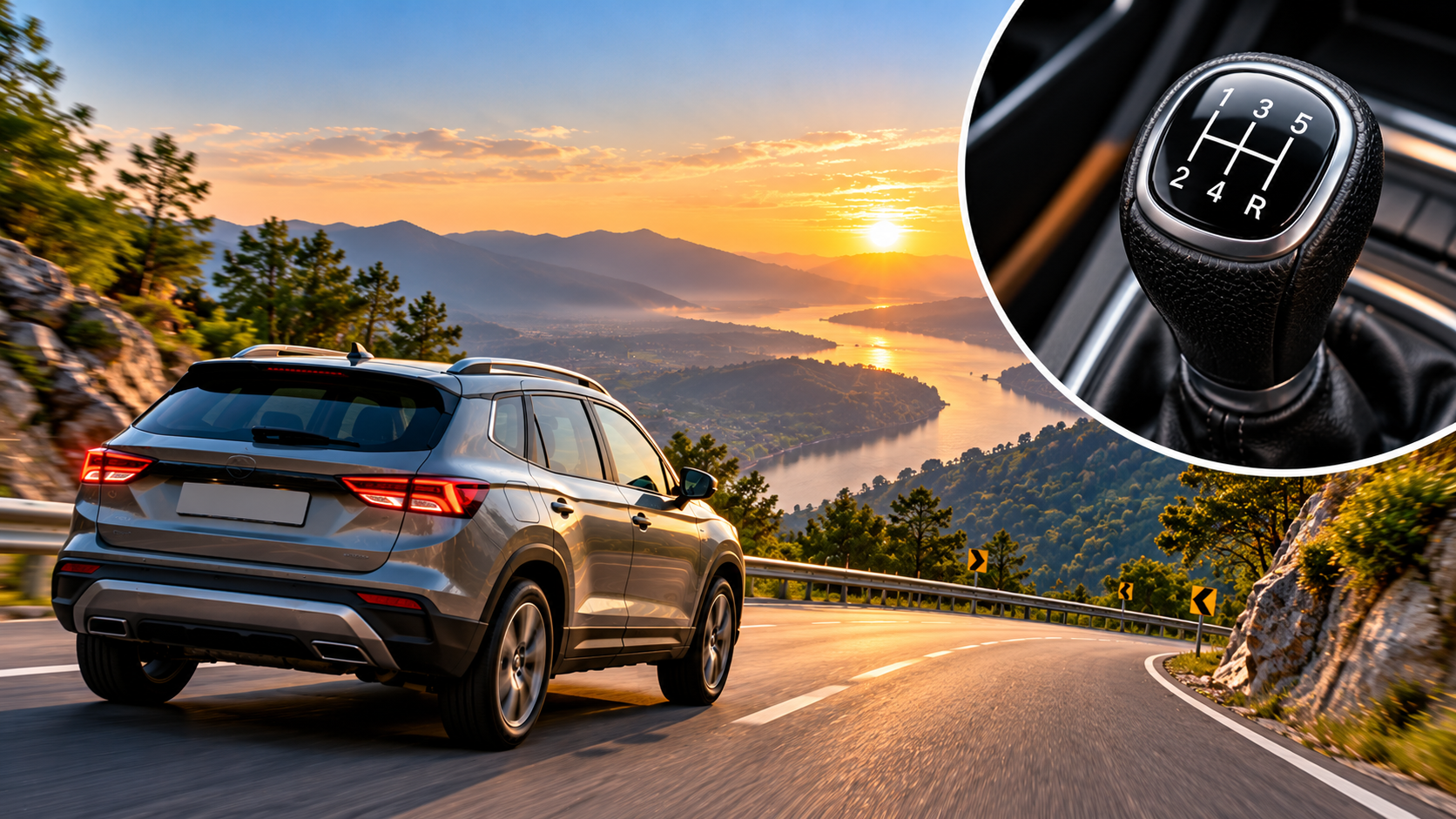
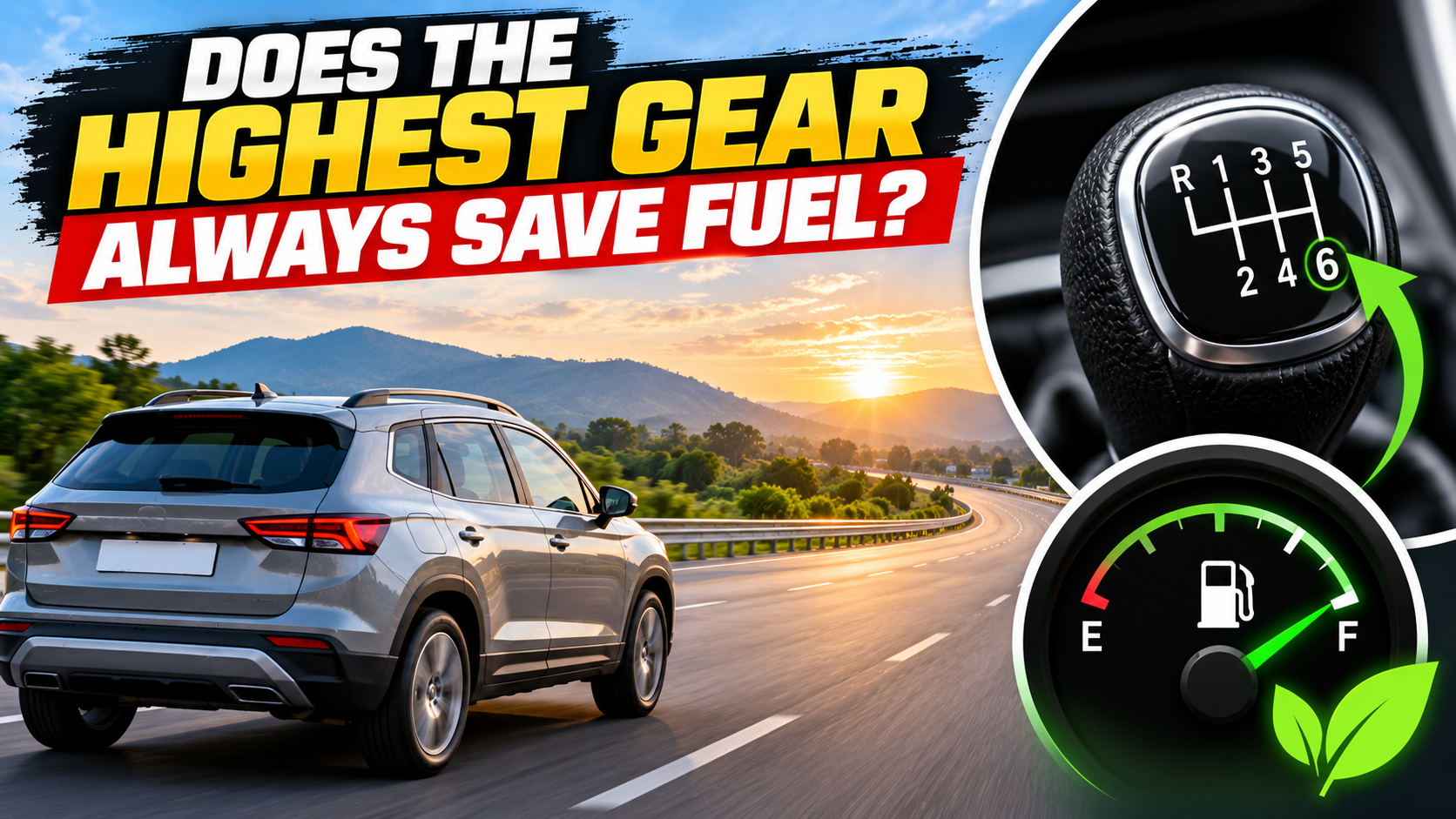
Many drivers believe that shifting a car into neutral while travelling downhill helps save fuel. The idea seems logical: the vehicle moves forward using gravity, so the engine should need less fuel. However, this popular driving habit is misleading. In most modern petrol and diesel cars, coasting downhill in neutral does not save fuel and can make driving less safe.

Modern engines use electronic fuel-management systems that can reduce or temporarily stop fuel injection when the driver releases the accelerator while the vehicle remains in gear. In neutral, the engine generally needs fuel to maintain its idle speed. More importantly, shifting into neutral removes engine braking, leaving the driver more dependent on the vehicle's service brakes to control speed.
Petrol vs Diesel vs CNG vs Electric Cars: How to Choose the Right Fuel Type
Coasting downhill in neutral means allowing a moving vehicle to roll down a slope after shifting the transmission into neutral. In a manual car, the driver moves the gear lever to neutral or keeps the clutch disengaged. In an automatic car, the driver selects the neutral position.
With the transmission in neutral, the engine is disconnected from the wheels through the normal driving gear connection. Gravity continues to move the vehicle downhill, while the engine runs at idle speed.
Some drivers use this technique because they believe the vehicle will travel farther without the engine resisting its movement. However, this approach overlooks two important factors: how modern engines manage fuel during deceleration and how the transmission helps control vehicle speed.
Car Waiting Period: How to Get Your New Car Faster

In most modern fuel-injected cars, the answer is no.
When a driver releases the accelerator while remaining in gear, the engine control unit can activate a feature called deceleration fuel cut-off. Under suitable operating conditions, the system temporarily stops injecting fuel while the moving wheels keep the engine rotating through the transmission.
When the vehicle is shifted into neutral, the engine generally returns to idle operation. It must consume fuel to keep running rather than being turned by the vehicle's momentum.
This means that remaining in gear while slowing down can use less fuel than coasting in neutral. The precise behaviour depends on the engine, transmission, vehicle speed, temperature and electronic control strategy.
The fuel-saving effect also varies between vehicles. Older cars with carburettors may behave differently from modern fuel-injected models, so drivers should follow the manufacturer's recommendations rather than assume every vehicle works in exactly the same way.
Engine braking occurs when the engine and drivetrain help slow the vehicle after the driver releases the accelerator. When a car remains in gear, the wheels continue to turn the engine, creating resistance that helps control the vehicle's speed.
This effect becomes particularly useful on downhill roads. Instead of allowing gravity to accelerate the car freely, the engine helps limit the increase in speed.
Engine braking does not mean that the vehicle's brakes are being applied automatically. It is a separate effect produced by the engine and drivetrain.
The amount of engine braking depends on the vehicle, selected gear, engine design and road gradient. A lower appropriate gear generally provides stronger engine braking than a higher gear.
For this reason, drivers approaching a steep descent should select a suitable gear before travelling downhill. This is particularly important on mountain roads, where excessive speed can develop quickly.
|
Factor |
Coasting in Neutral |
Coasting In Gear |
|
Fuel consumption |
Engine generally uses fuel to maintain idle speed |
Fuel injection may be reduced or cut off under suitable conditions |
|
Engine braking |
Not available through the normal drivetrain connection |
Helps control downhill speed |
|
Speed control |
Greater reliance on service brakes |
Engine braking assists the service brakes |
|
Brake workload |
Can increase on long descents |
Can be reduced when the correct gear is selected |
|
Driver control |
Less immediate drivetrain response |
Better speed control and response when acceleration is needed |
|
Recommended for downhill driving? |
No |
Yes, using an appropriate gear |
Fuel economy is only one part of this issue. The more important concern is safety, especially on steep roads, winding mountain routes and long descents.
Manual vs Automatic Car: Pros and Cons Explained
1. Loss of Engine Braking
When the transmission is in neutral, the engine cannot provide its usual braking effect through the drivetrain. Gravity can therefore cause the vehicle to gain speed more quickly.
The driver must rely more heavily on the service brakes to reduce speed. This can become a problem on a long or steep descent.
2. Increased Brake Temperature
Brakes convert the vehicle's movement into heat. Repeated or continuous braking on a long downhill stretch can generate excessive heat, increasing the risk of brake fade.
Brake fade occurs when braking effectiveness decreases because components become too hot. In severe cases, the vehicle may become much harder to slow down.
Using an appropriate gear helps the engine control speed and reduces the need for constant braking. Drivers should still use the brakes when necessary and should never allow the vehicle to accelerate beyond a safe speed.
3. Reduced Immediate Response
When a vehicle is in neutral, the engine is disconnected from the driving wheels. If the driver suddenly needs to accelerate to avoid a hazard or respond to traffic, the appropriate gear must first be selected.
That additional step can matter when dealing with a sharp bend, a vehicle entering the road or a sudden change in traffic conditions.

4. Additional Risks on Mountain Roads
Mountain roads often include sharp turns, changing gradients, narrow lanes and unpredictable traffic. A vehicle can gain speed rapidly on a steep descent, making proper gear selection especially important.
Drivers should select a suitable lower gear before entering a steep downhill section, maintain a safe speed and avoid relying on continuous braking alone.
Drivers do not need risky techniques to improve fuel efficiency. A few basic habits can help reduce unnecessary fuel use while maintaining better control.
Select the Correct Gear Before the Descent
Choose an appropriate gear before travelling down a steep slope. A lower gear can provide stronger engine braking and help keep the vehicle at a manageable speed.
Avoid waiting until the car has already accelerated significantly before trying to downshift.
Use the Brakes Correctly
Engine braking assists the service brakes; it does not replace them. Apply the brakes when necessary to maintain a safe speed, and avoid dragging them continuously down a long hill.
Follow the vehicle manufacturer's guidance and adapt your driving to the gradient, road surface, traffic and weather.
Maintain a Steady Speed
Unnecessary acceleration followed by hard braking wastes energy and can increase fuel consumption. Look ahead, anticipate traffic and maintain a steady, appropriate speed whenever conditions permit.
Check Tyre Pressure
Incorrect tyre pressure can increase rolling resistance and affect handling. Check the pressure regularly against the vehicle manufacturer's recommended figures, including when preparing for a long journey.
Avoid Unnecessary Weight
Carrying heavy items that are not needed increases the energy required to move the vehicle. Removing unnecessary luggage can help improve fuel economy, particularly during regular driving.
Follow the Owner's Manual
Different cars use different engine and transmission systems. Automatic, dual-clutch, continuously variable and hybrid vehicles may have different operating strategies.
Use the recommended driving mode and gear-selection procedure for your vehicle. Do not assume that selecting neutral while moving is an appropriate fuel-saving technique.
Ex-Showroom vs On-Road Price: What's the Real Difference?
Yes, the general safety principle also applies to automatic cars: do not select neutral simply to coast downhill.
Automatic transmissions are designed to manage engine speed and gear selection while the vehicle is moving. Shifting into neutral removes normal engine braking and may increase reliance on the service brakes.
On a steep descent, use the vehicle's recommended downhill mode, lower gear range or manual gear-selection function if available. Some vehicles provide dedicated hill-descent systems that help manage speed, but these should be used according to the owner's manual.
Never switch off the engine while the vehicle is moving to save fuel. Depending on the vehicle, doing so can affect steering assistance, braking assistance and other systems.
Hybrid and electric vehicles work differently from conventional petrol and diesel cars, but neutral is still not a universal fuel-saving solution.
Many hybrids can use regenerative braking to convert some of the vehicle's kinetic energy into electrical energy that is stored in the battery. The amount of regeneration depends on the vehicle's design, battery condition, selected mode and operating conditions.
Electric cars and other vehicles may also offer adjustable regenerative-braking settings. Selecting neutral can change or remove the normal regenerative-braking behaviour, depending on the model.
Drivers should use the recommended driving mode and follow the manufacturer's instructions for downhill driving. On long descents, maintaining a controlled speed and managing regeneration correctly are more important than trying to coast in neutral.
Coasting downhill in neutral is not a reliable fuel-saving technique for modern cars. In many fuel-injected vehicles, staying in gear with the accelerator released can reduce fuel consumption through deceleration fuel cut-off. It also provides engine braking that helps the driver control speed.
Neutral coasting removes that assistance and can place more demand on the service brakes, particularly on long or steep descents.
The better approach is simple: remain in an appropriate gear, select a lower gear before a steep descent when needed, use the brakes correctly and maintain a safe speed. Good driving habits—not neutral coasting—are the smarter way to balance fuel efficiency, vehicle control and road safety.
The bottom line: Gravity may move your car downhill, but shifting into neutral is not the smart way to save fuel. Stay in the appropriate gear and drive safely.